
Horthy — faced with the German demand
, 71, has been Regent of the Kingdom of Hungary since 1920 (the royal throne remaining officially vacant). An admiral of the Austro-Hungarian navy during the Great War, he has led for 19 years an authoritarian conservative regime, allied with Mussolini's Italy and then with Nazi Germany since 1938 (recovery of the Czechoslovak Sudeten territories with Hungarian population). Yet his relationship with Hitler is complex: Horthy is anti-Semitic but not genocidal, anti-communist but attached to Hungarian independence.
With Poland, Hungary shares a thousand-year tradition of friendship (royal marriages, anti-Ottoman, anti-Russian alliances). Prime Minister (a geographer, a conservative Catholic) is a personal friend of the Polish leaders. At the outbreak of war, the fate of the Polish refugees streaming in becomes a matter of state, one on which Berlin brings its full weight to bear.
From 17 September 1939 (the Soviet invasion) to 30 November, about 70,000 Poles cross the Hungarian border through the Carpathian passes: 40,000 soldiers (officers, NCOs, troopers) and 30,000 civilians (refugees, women, Jewish children). The Germans demand their handover to the Wehrmacht in the name of the alliance; Hitler personally telephones Horthy on 23 September. Hungary, formally neutral in the Polish conflict, must decide the fate of the soldiers who have reached its soil.
What is to be done with the Polish soldiers taking refuge?
Horthy and Teleki choose B. Hungary officially interns the Polish soldiers in 140 camps (the main ones: Komárom, Sárvár, Nagykanizsa) — humane treatment, near-free life, family access, the pay of a Hungarian soldier. In parallel, clandestine organizations facilitate the mass escape of the Poles to France and the United Kingdom: false papers supplied by the Hungarian Ministry of Defence, a special train Budapest-Belgrade-Zagreb-Rijeka, embarkation on liners for Marseille. 35,000 Polish soldiers reach France through Hungary between September 1939 and June 1940 — they will form the Polish army in France (Sikorski, Sosabowski, Maczek). Polish civilians settle in Budapest, some staying until the end of the war. The Polish Jewish refugee community is protected by Teleki — about 8,000 people. The Polish-Hungarian Committee organized by Teleki with (Polish ambassador in Budapest) functions until March 1941. Teleki commits suicide on 3 April 1941 when Berlin compels Hungary to take part in the invasion of Yugoslavia — a gesture of protest against the betrayal of the Yugoslav and Polish friendships. Horthy, with his successor , pursues a policy more aligned with Berlin. Hungary deports its Jews in 1944 (Eichmann); Horthy halts the deportation in July 1944 but it resumes in October 1944 under Szálasi. Horthy is interned by the Americans, released in 1948, and lives in Portugal. He dies in 1957 at Estoril. His reception of the Poles in 1939 remains one of the most honourable acts of his long reign — often overshadowed by the dark zones of Hungarian policy in 1940-44.
Learn more about this event
Related polls
10
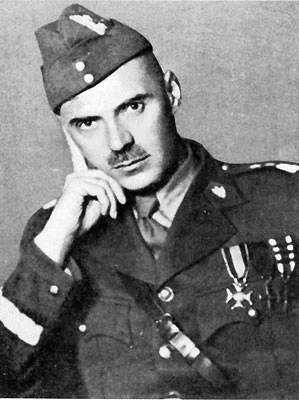
Anders in the Lubyanka
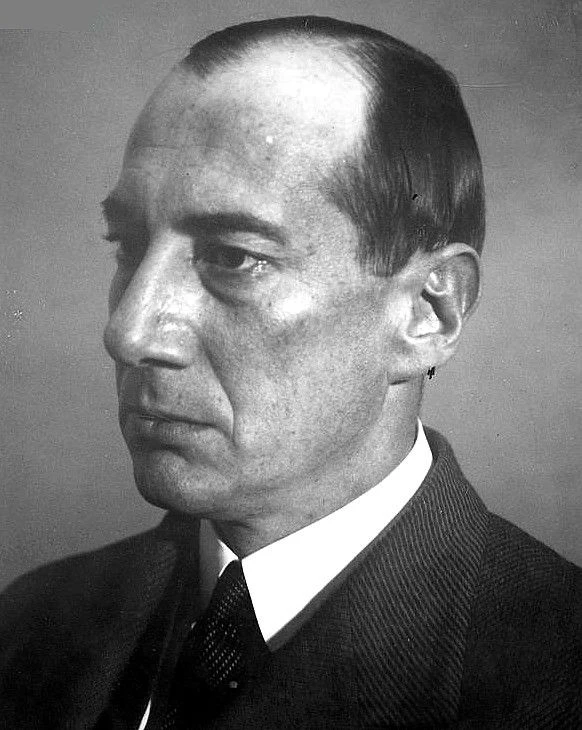
Beck in Bucharest — the Internee
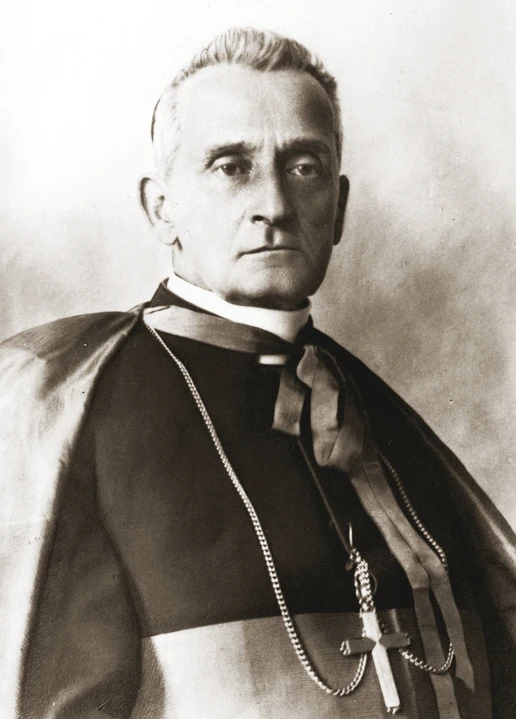
Cardinal Sapieha — Krakow under Occupation
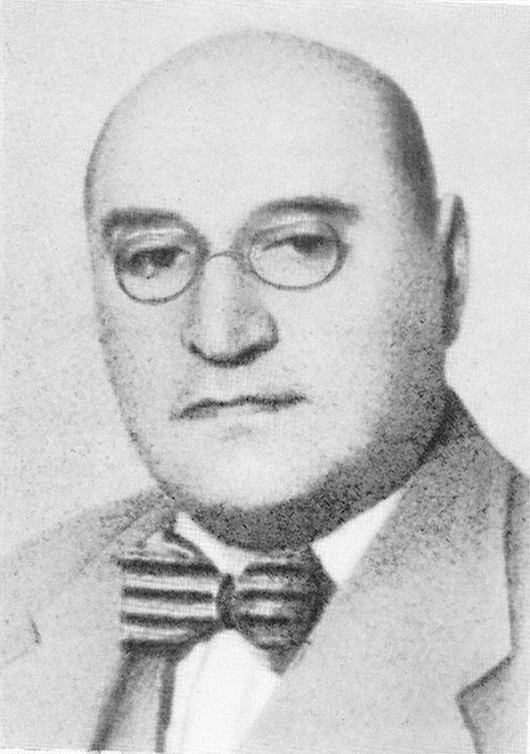
Czerniaków — the offer of the Judenrat

Daladier — Thorez's Defection
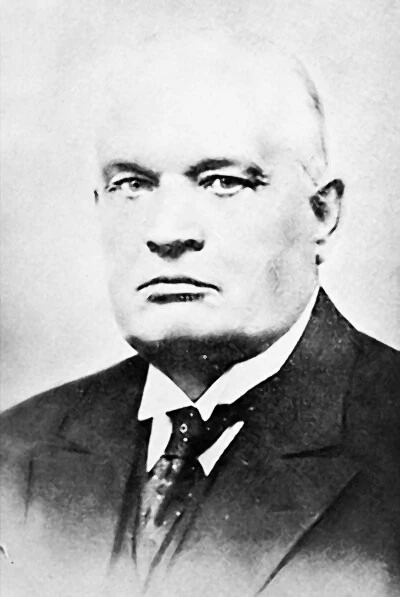
Estonia — Päts Facing the Ultimatum

Moscicki — the Succession from Bicaz
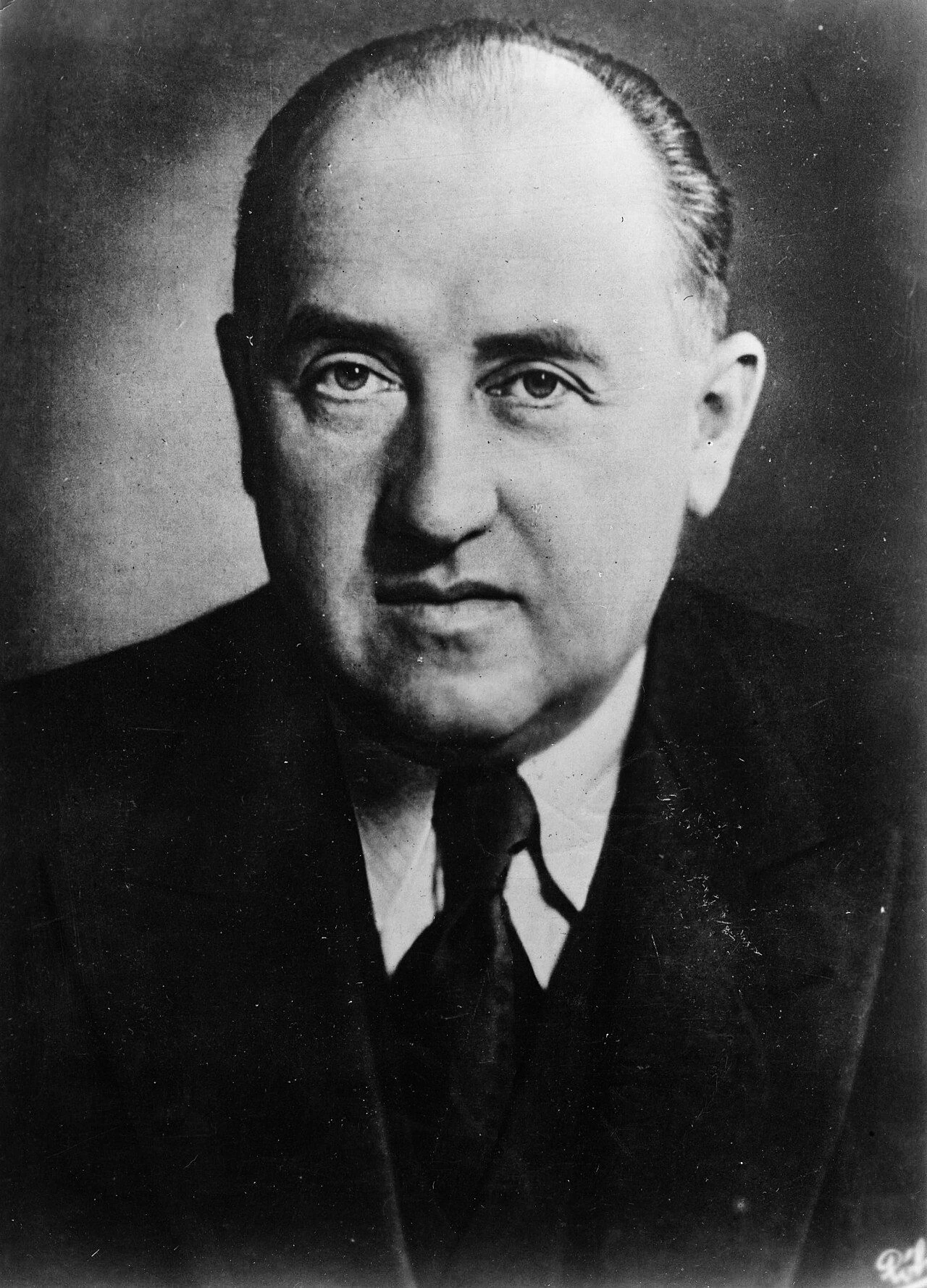
The Gold of the Bank of Poland — the destination of the SS Eocene
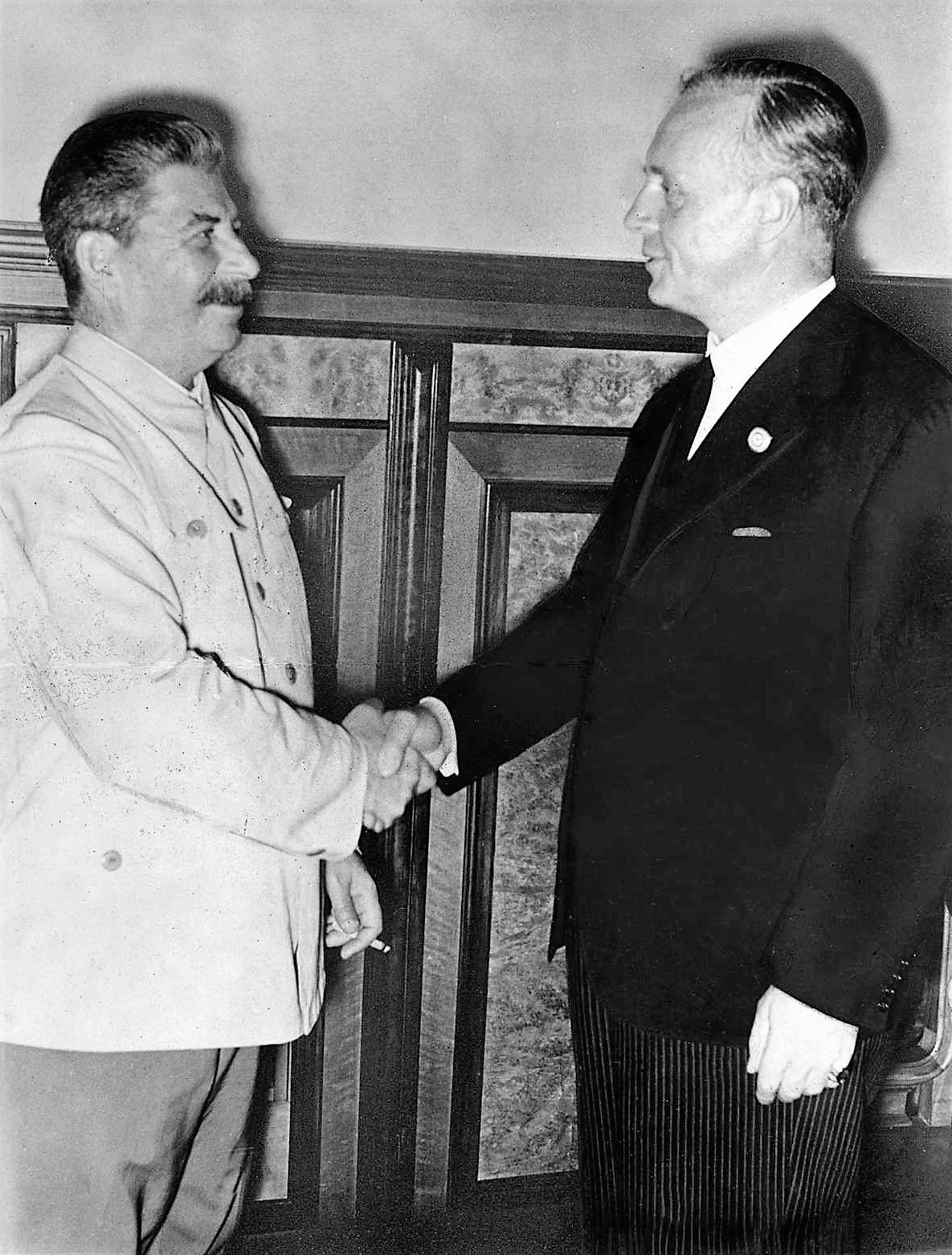
Ribbentrop in Moscow — the Accord of 28 September
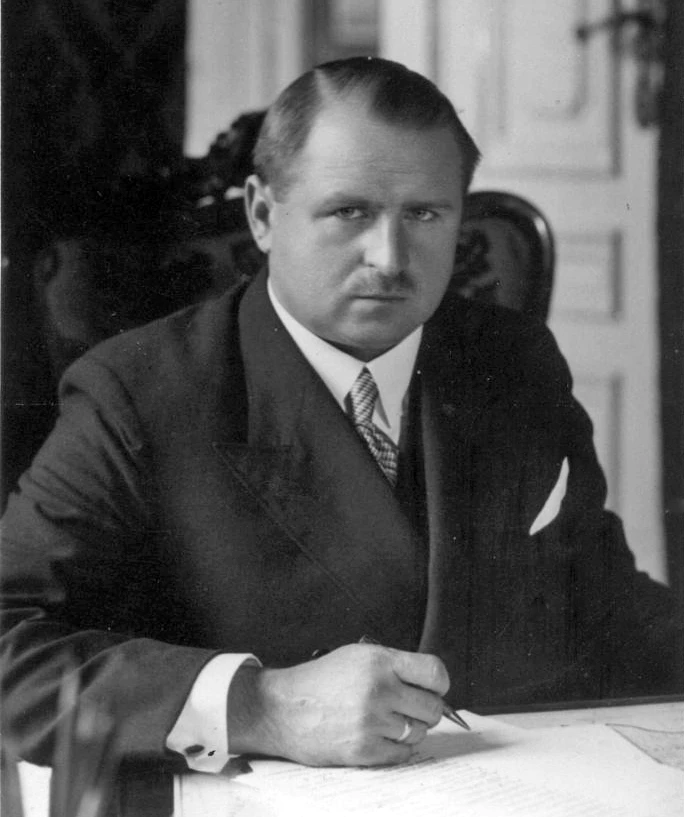
Starzyński — Mówi Warszawa
Anders in the Lubyanka
Beck in Bucharest — the Internee
Cardinal Sapieha — Krakow under Occupation
Czerniaków — the offer of the Judenrat
Daladier — Thorez's Defection
Estonia — Päts Facing the Ultimatum
Moscicki — the Succession from Bicaz
The Gold of the Bank of Poland — the destination of the SS Eocene
Ribbentrop in Moscow — the Accord of 28 September