
From the first months of the occupation, Belgians enter into resistance through small gestures: leaflets, intelligence passed on to London, aid to Allied soldiers, the first clandestine newspapers. But the occupier and its police (the Geheime Feldpolizei, soon the Gestapo) hunt down these first manifestations of opposition, and the arrests begin.
For you, commitment is also a calculation of risk. To pursue and intensify your action despite the growing danger, taking precautions of clandestinity. To go dormant for a time, after the first arrests among those close to you, out of caution. Or to give up, judging the risk too great for yourself and your family in the face of an all-powerful occupier.
In the summer of 1940, the resistance is fledgling, isolated, without real organisation or structured outside support, and Germany appears invincible. To commit or to persevere is then a solitary moral choice, heavy with consequences. The first arrests open a long chain of repression — but also the legend of a resistance which, starting from almost nothing, will never cease to grow.
Should our first resistance fighter intensify his action, go dormant, or give up?
A determined minority chooses A: despite the first arrests of the summer–autumn of 1940, Belgian resistance fighters persevere and gradually structure their actions — the birth of the clandestine press (the clandestine La Libre Belgique is reborn as early as 1940), of intelligence and escape networks, of the first organised movements. Many others, out of caution or realism, withdraw (B) or wait. The repression, limited at first, will harden sharply from 1941–1942 (executions, deportations, camps). The first arrests of 1940 inaugurate a long and costly history: that of a resistance born of individual and risky gestures, in an occupied country where the future appeared sealed in Germany's favour.
Learn more about this event
Related polls
10

The Free-Shooter of Information — Listening to London
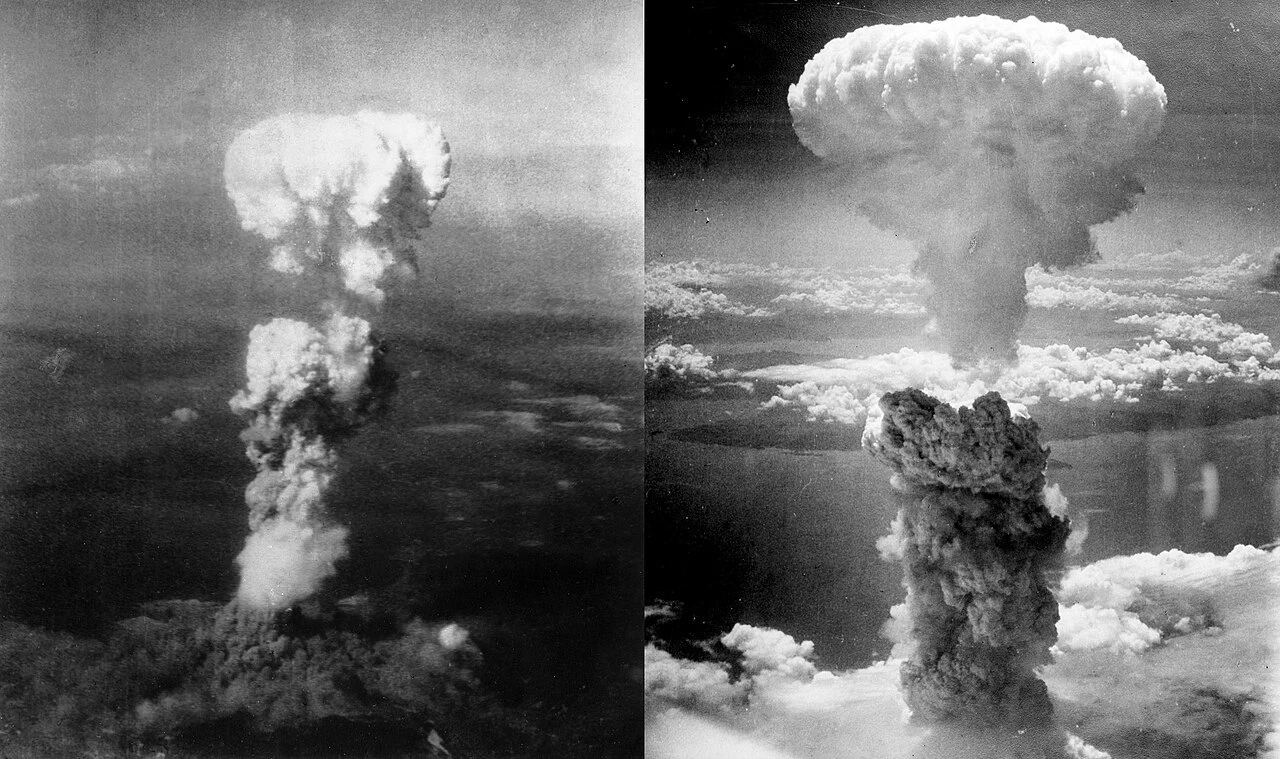
Hide the Weapons or Hand Them In
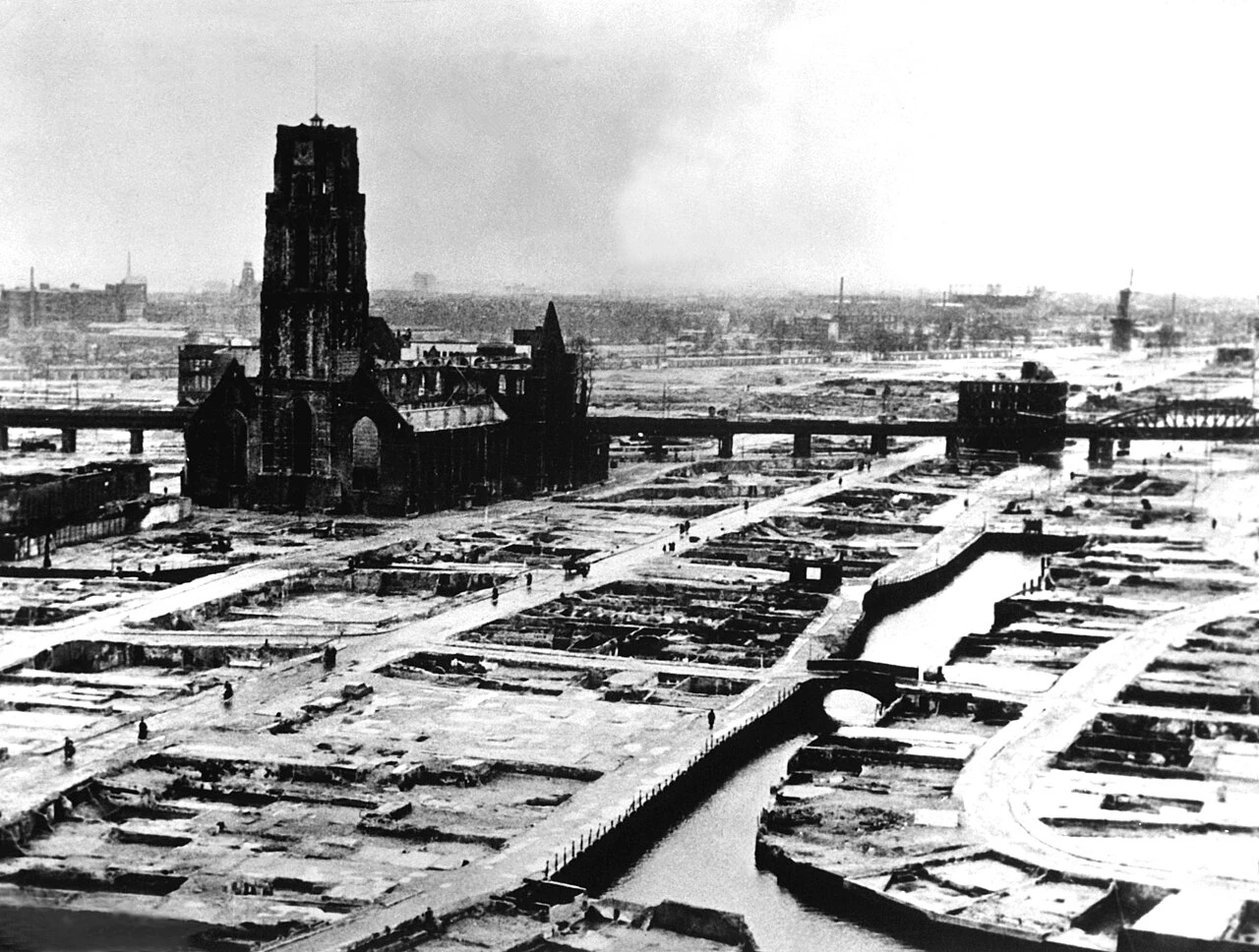
Hiding an Allied soldier
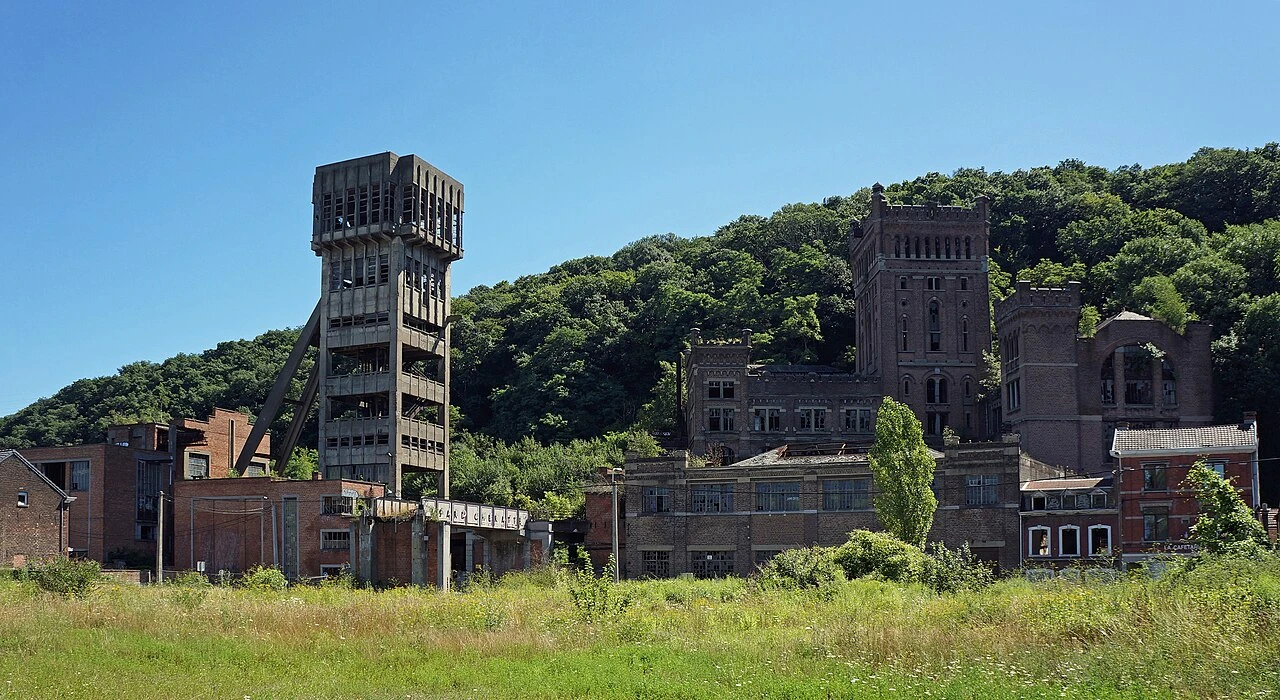
Campine Coal and the Hunger of Year One
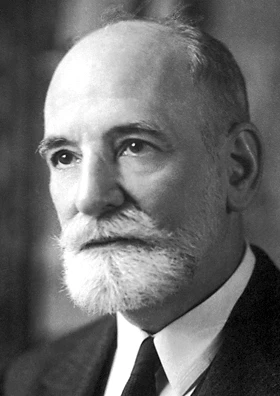
René Cassin Reaches London — 29 June
Joining the VNV or Rex

The Red Cross and the Missing
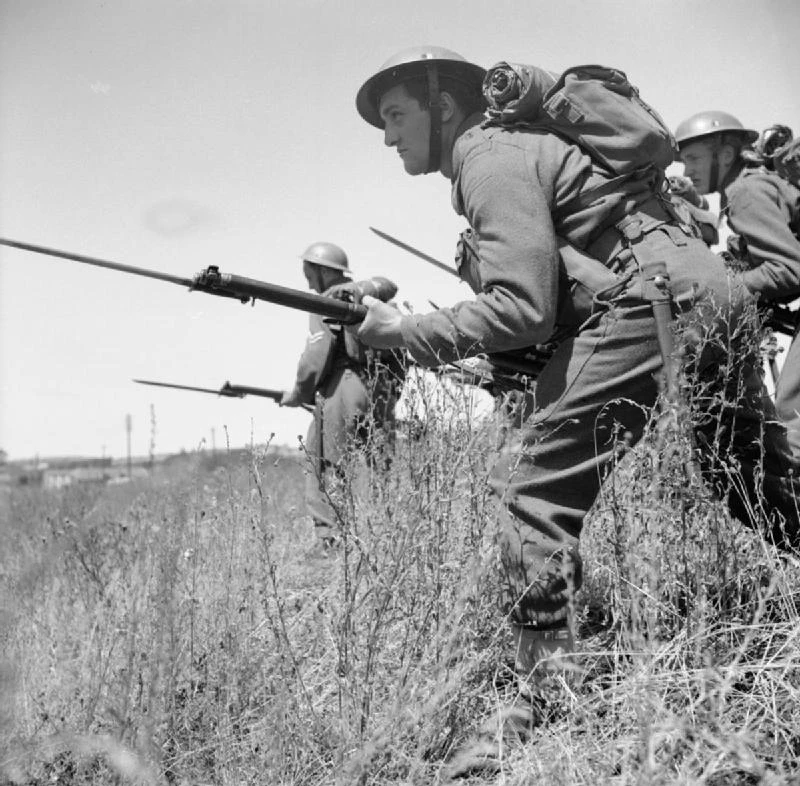
Founding the Free Belgian Forces
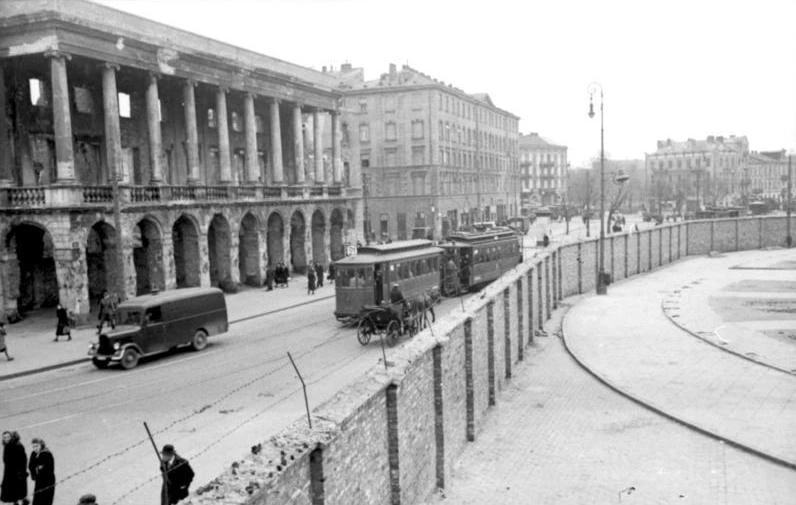
The Warsaw Ghetto — the temptation of informing
Provisioning and the Black Market
The Free-Shooter of Information — Listening to London
Hide the Weapons or Hand Them In
Hiding an Allied soldier
Campine Coal and the Hunger of Year One
René Cassin Reaches London — 29 June
Joining the VNV or Rex
The Red Cross and the Missing
Founding the Free Belgian Forces
The Warsaw Ghetto — the temptation of informing