
Eindhoven under the heel: the lamp empire put to the test
May 1940. The Wehrmacht overruns the Netherlands in a matter of days. In Eindhoven, Philips is the country's largest industrial complex: light bulbs, radios, electronic tubes, strategic components coveted by a war machine in full expansion.
Management is caught off guard. The factory employs thousands of workers who depend on their wages, but its know-how and patents represent an asset the occupier will want to exploit.
Should the most valuable assets and people be put to safety outside the country, should they stay to negotiate and preserve jobs, or should the industrial plant be sabotaged to render it unusable?
After the invasion of the Netherlands, how should Philips' management protect the company?
Philips put its strategic assets and its leaders to safety (choice A). Before and during the invasion, the company transferred holdings, patents, and capital abroad, notably to the United States via a trust structure; several members of the Philips family, including , left the country. The Eindhoven factory nonetheless continued operating under occupation, subject to German demands, while the management in exile preserved the technological and financial core of the group for the postwar era.
Learn more about this event
Related polls
10
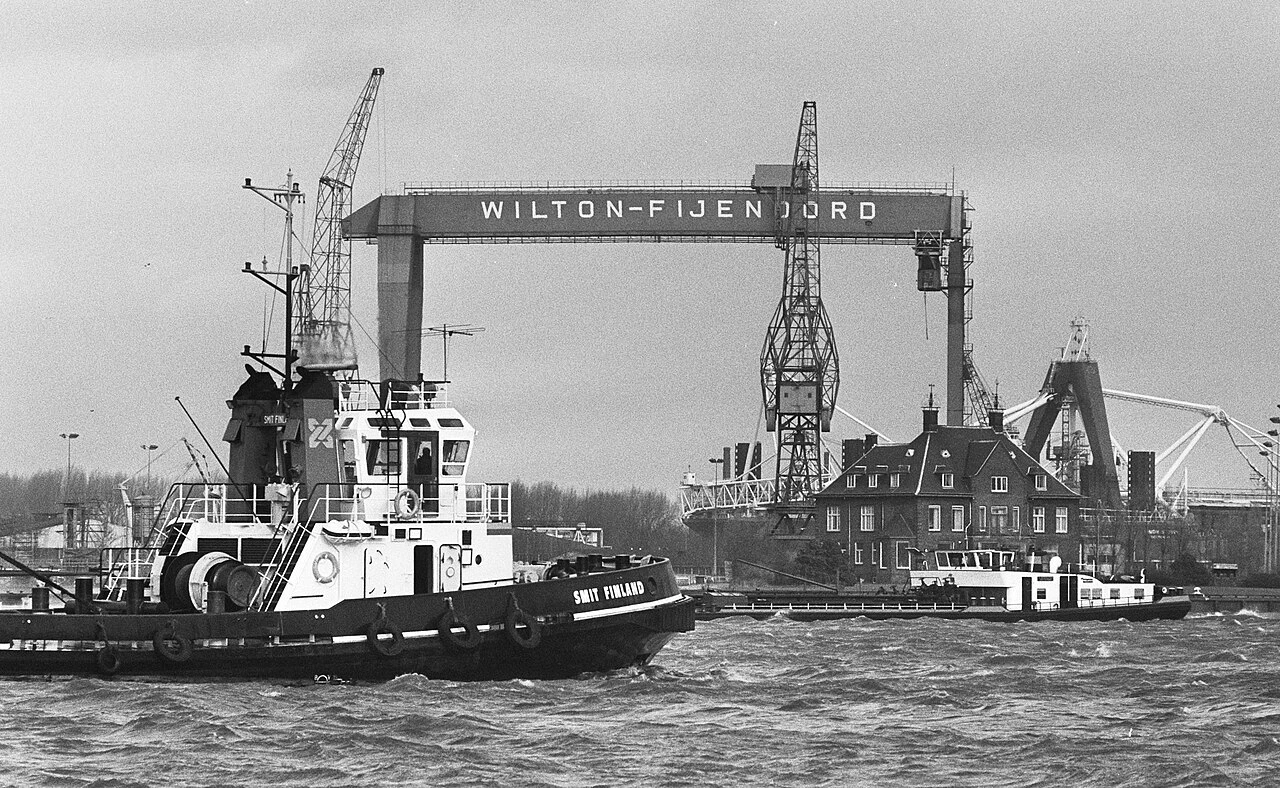
Wilton-Fijenoord: the shipyard's management faces the occupier
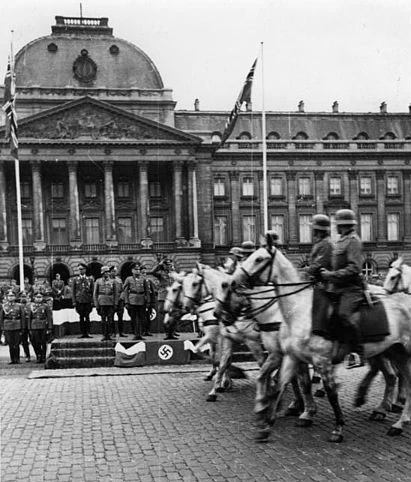
The Galopin Doctrine — whether to produce under the occupier
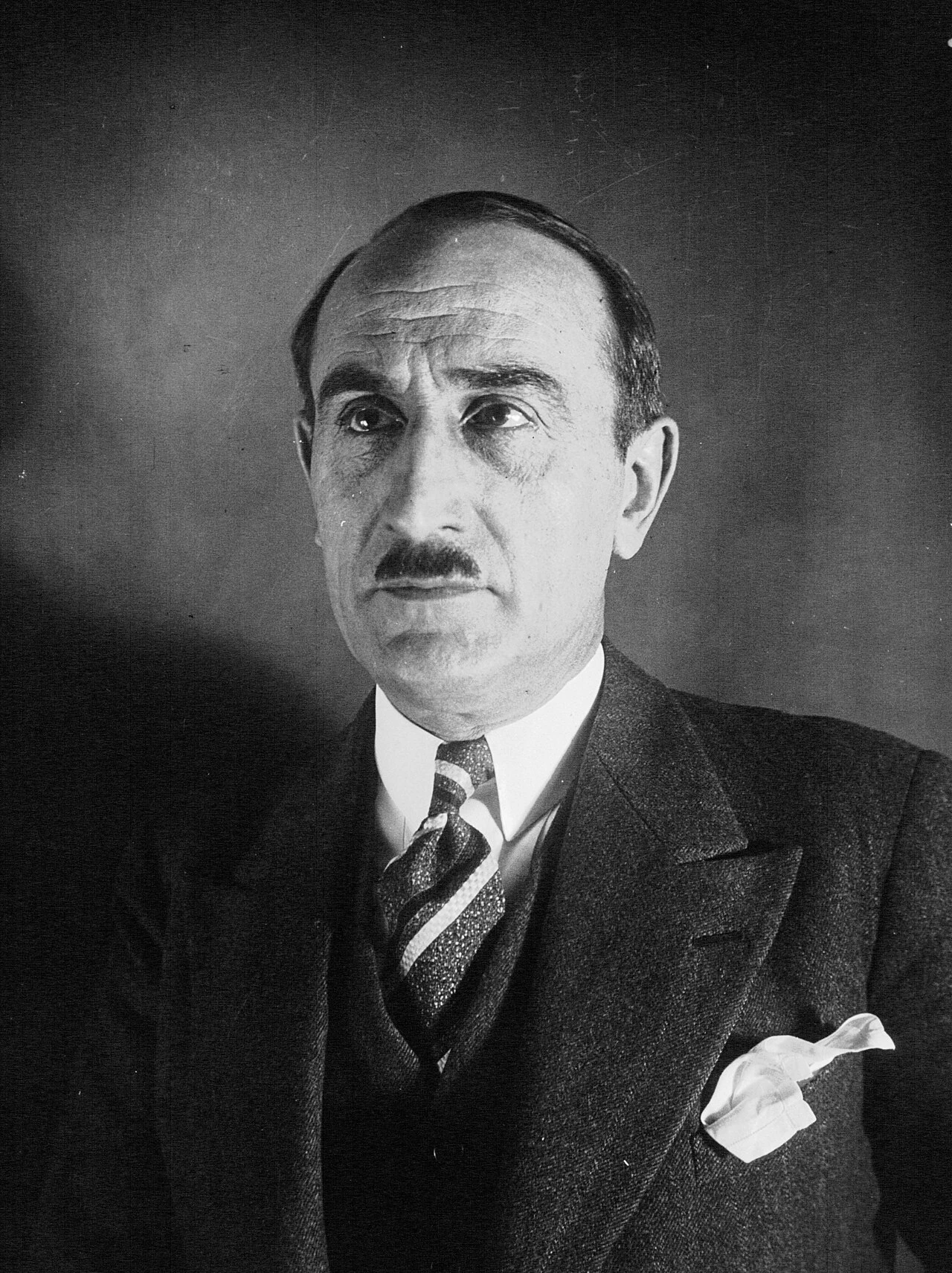
Marquet — Bordeaux overwhelmed, 12 June
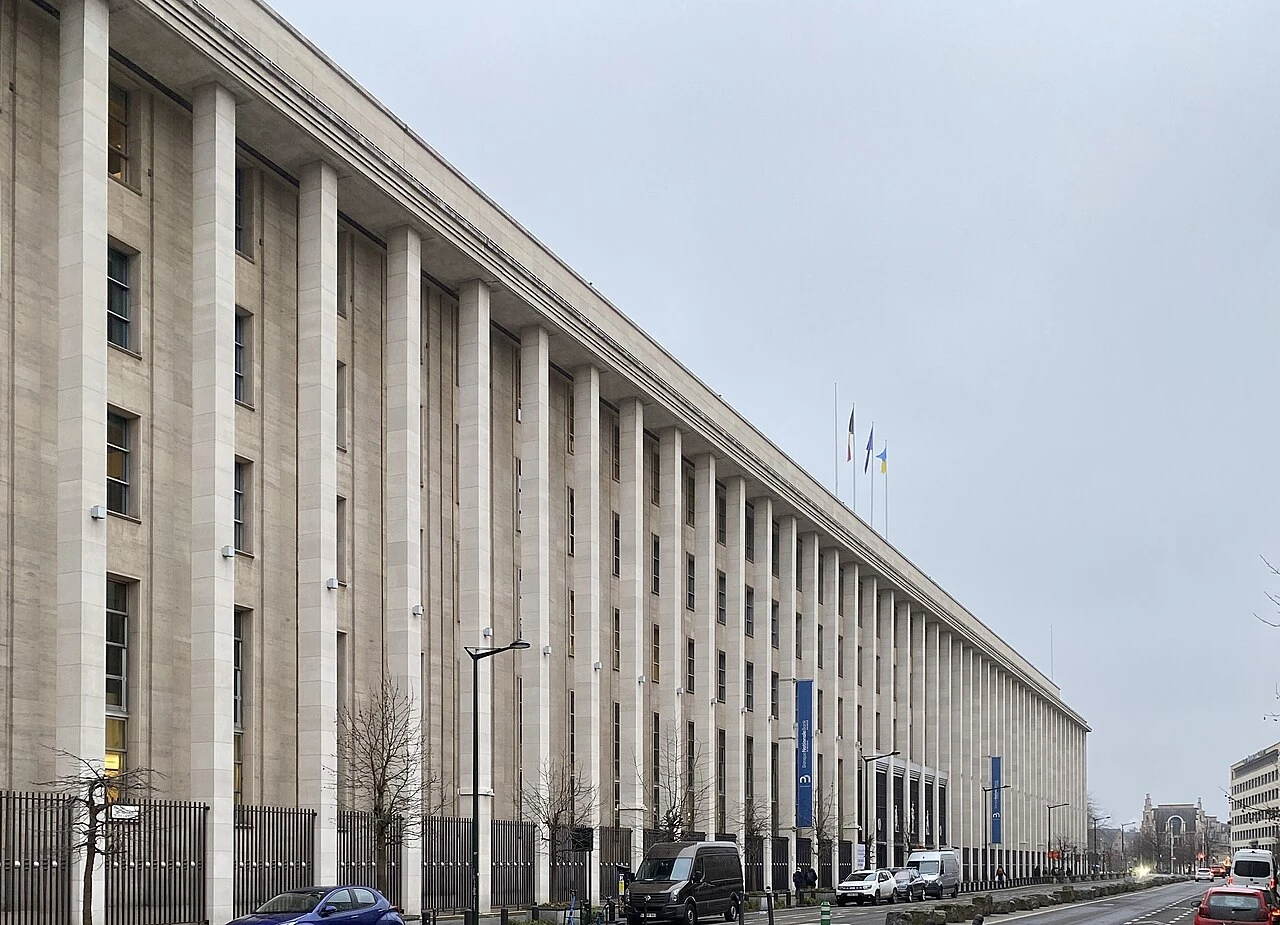
Forty tonnes of gold trapped at Ostend
Biebow at Litzmannstadt — 8 February
Carol II in Bucharest — the Romanian balance
France's March 1940 Ration Card
The Tizard Mission's Trunk for America
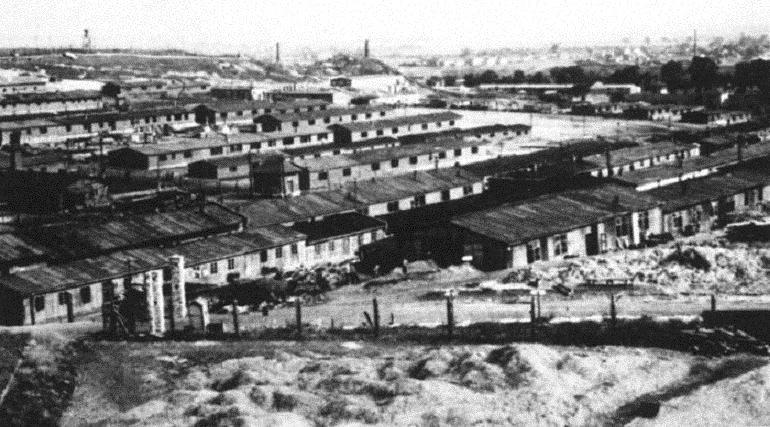
The Upper Silesian Pole Subjected to Forced Labour
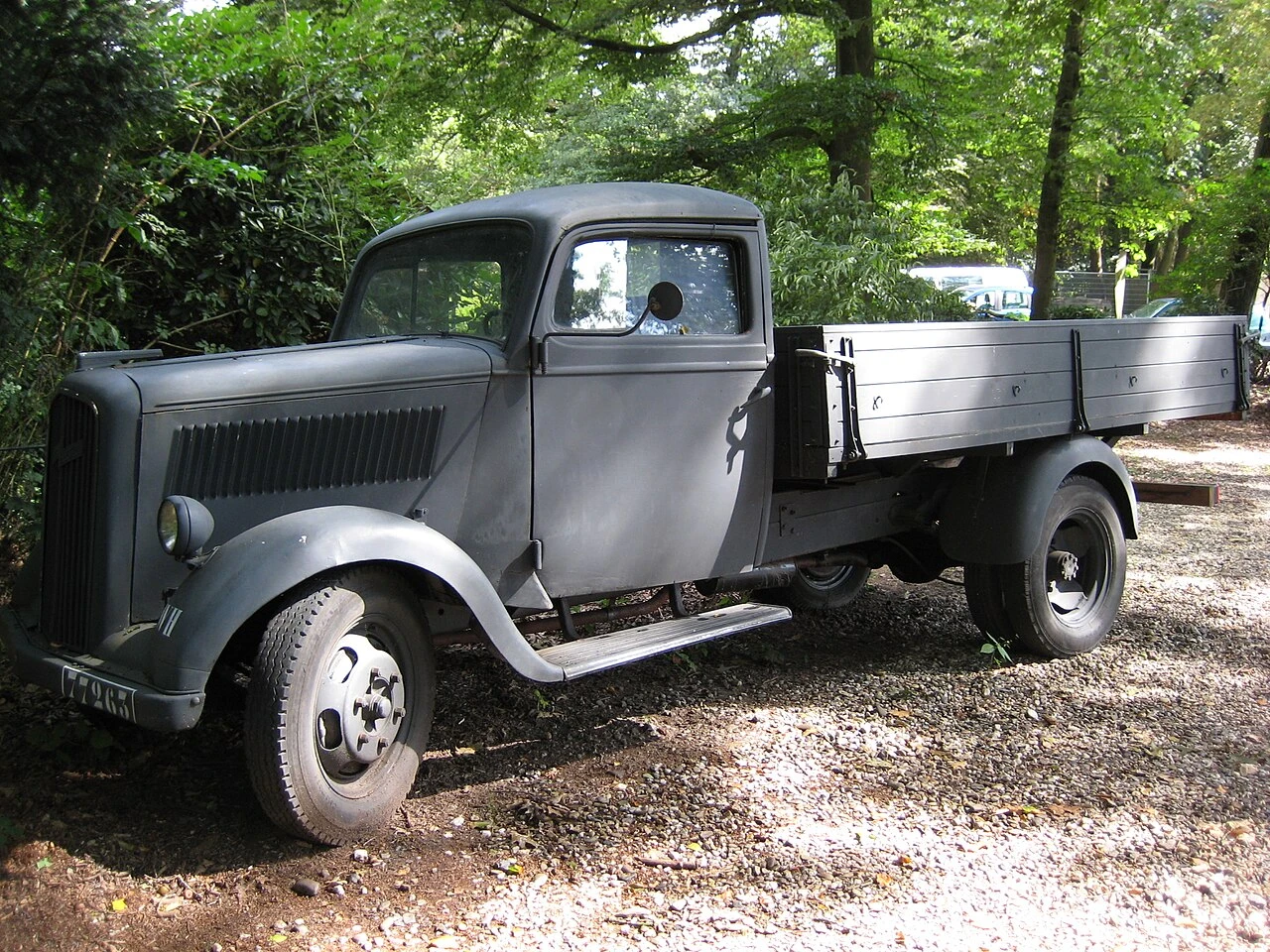
Opel under the wartime Reich: what does General Motors do?
Wilton-Fijenoord: the shipyard's management faces the occupier
The Galopin Doctrine — whether to produce under the occupier
Marquet — Bordeaux overwhelmed, 12 June
Forty tonnes of gold trapped at Ostend
Biebow at Litzmannstadt — 8 February
Carol II in Bucharest — the Romanian balance
France's March 1940 Ration Card
The Tizard Mission's Trunk for America
The Upper Silesian Pole Subjected to Forced Labour