
The Defence of Calais
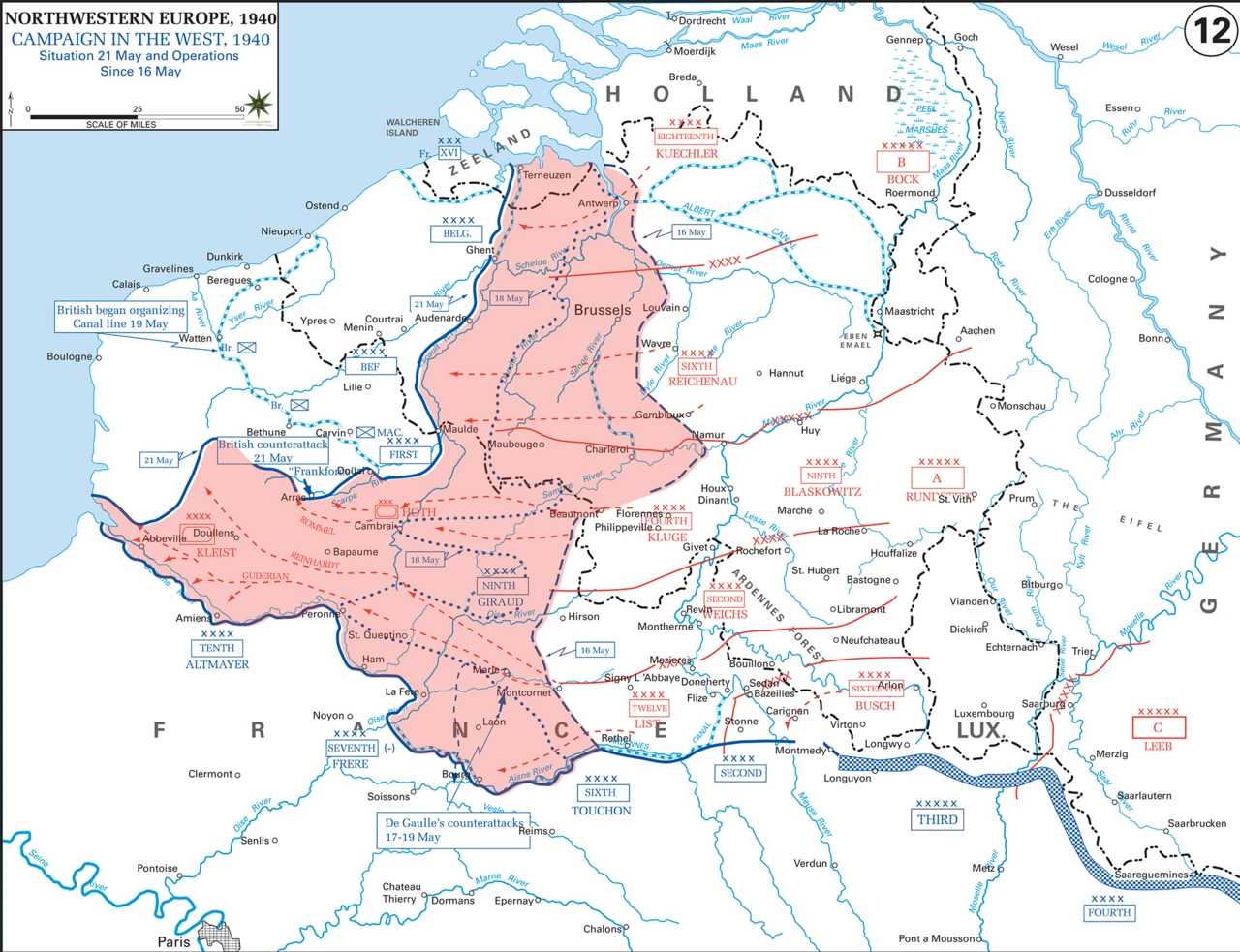
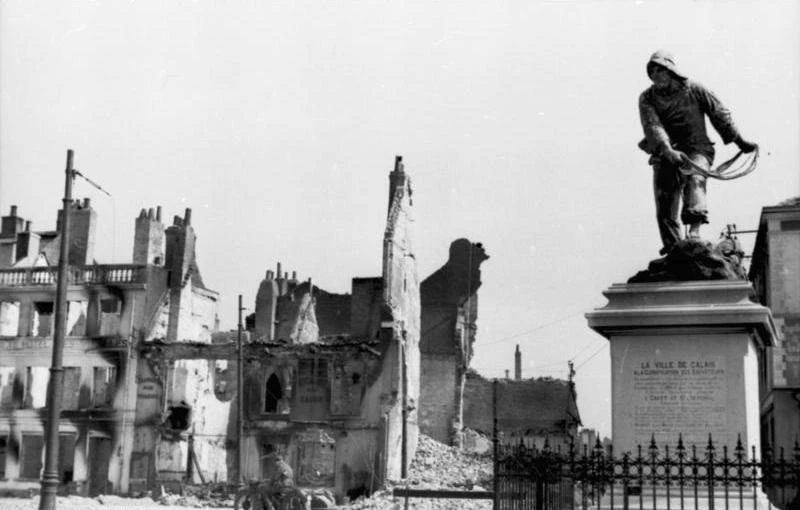
As the Dunkirk evacuation is being prepared, the neighbouring port of Calais is encircled by German armour. The British garrison, commanded by Brigadier and supported by French elements, finds itself isolated, with no realistic hope of relief or evacuation.
The British command faces a cruel calculation: every day that Calais holds out pins down German forces and protects the flank of the corridor towards Dunkirk, through which the bulk of the army must escape. But holding means, for the garrison, almost certain sacrifice.
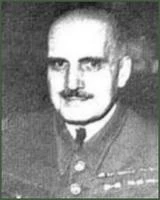
The Germans summon Nicholson to surrender. He may capitulate to spare his men in a hopeless situation. He may resist to the end, knowing that he will probably be sacrificed, in order to gain time for the benefit of Dunkirk. Or he may attempt a hazardous breakout towards the coast. London lets him know that the defence of Calais is of major strategic value for the evacuation under way.
Should Nicholson capitulate, resist to the end, or attempt a breakout?
Nicholson chooses B: summoned to surrender, he replies that, the British army being engaged in the fight, he will continue the battle. The garrison of Calais resists until 26 May, when it is overwhelmed; Nicholson is taken prisoner (he will die in captivity in 1943). The sacrifice of Calais was long presented as having delayed the Germans and aided the Dunkirk evacuation; historians now qualify its effect, but it remains a symbol of defence to the last in the service of a higher strategic objective. The episode illustrates the tragic dilemma of a force deliberately sacrificed.
Learn more about this event
Related polls
10
Boulogne — Fox-Pitt and the Guards facing the port
Bulson — Lafontaine and the 02:00 rumour
Calais — Nicholson facing the ultimatum
The Defence of Boulogne
The Weygand Line on the Somme
Lille — Molinié and the 5th DINA
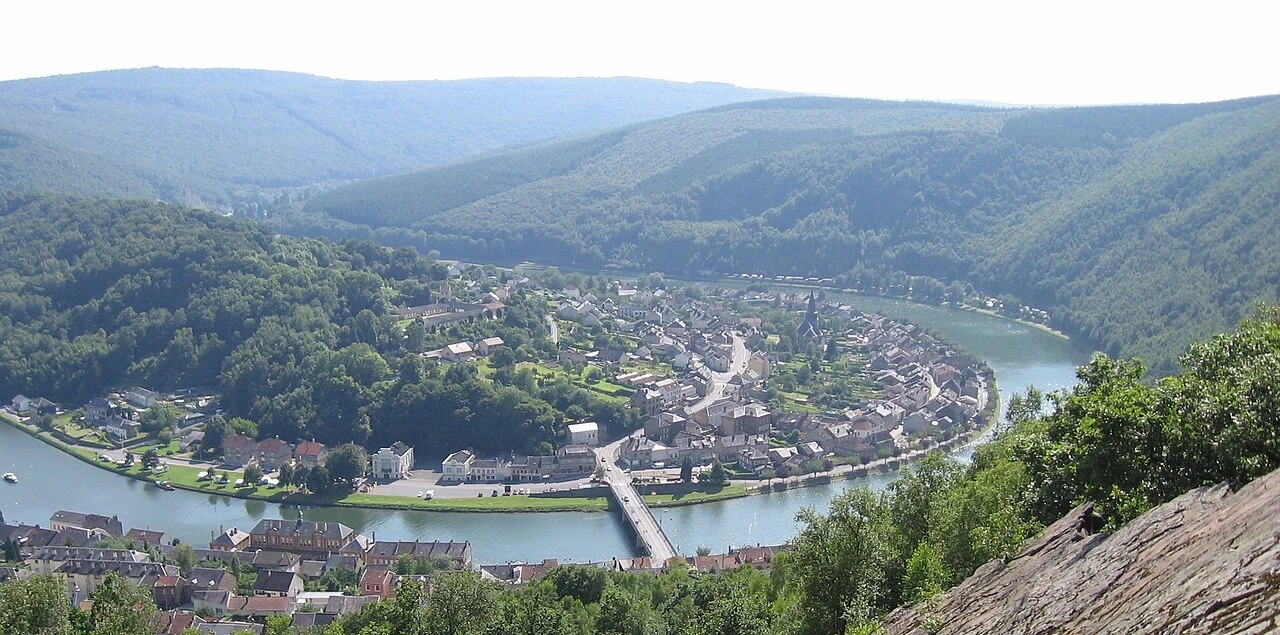
Monthermé — Portzert in the Meuse loop
The panic of Bulson
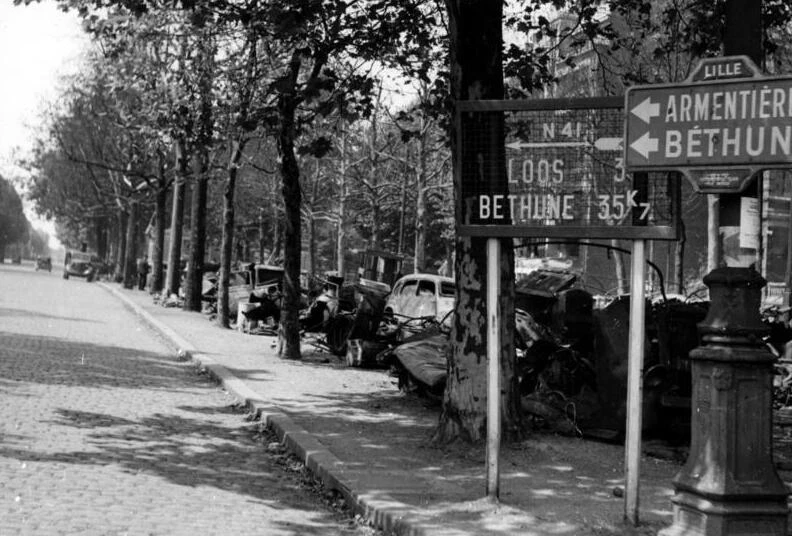
The Lille Pocket
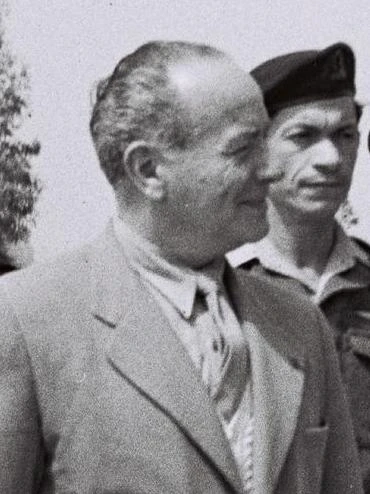
Stonne — Billotte facing the Panzer column
Boulogne — Fox-Pitt and the Guards facing the port
Bulson — Lafontaine and the 02:00 rumour
Calais — Nicholson facing the ultimatum
The Defence of Boulogne
The Weygand Line on the Somme
Lille — Molinié and the 5th DINA
Monthermé — Portzert in the Meuse loop
The panic of Bulson
The Lille Pocket