
British rationing — Morrison and the principle
In 1939, the United Kingdom imports about 70 percent of its food. Her merchant marine, 3,000 commercial vessels strong, is the world's largest, but it remains vulnerable to U-boats and magnetic mines — the latter threat proving crucial from November 1939. Without an active policy, the war effort would expose the country to famine.
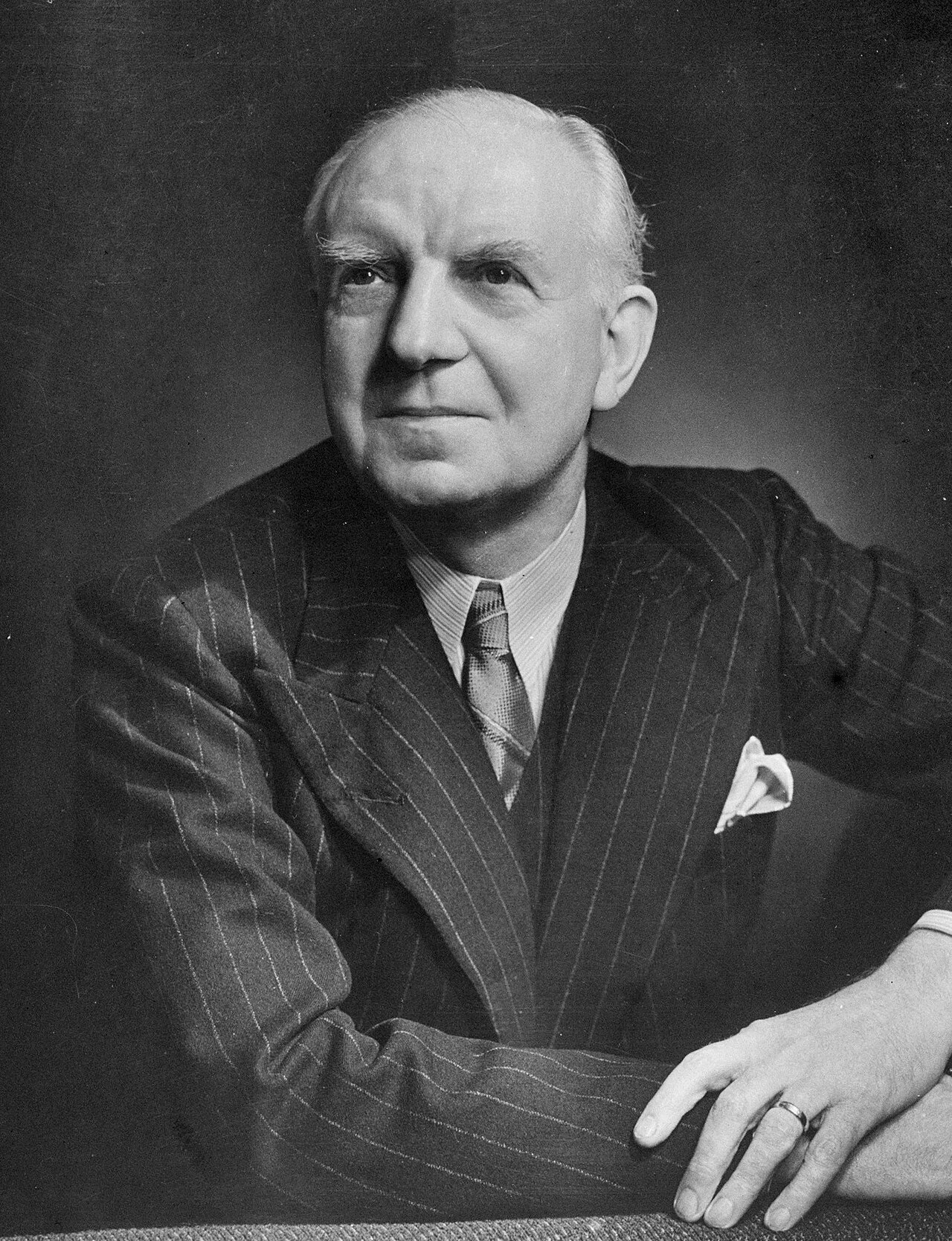
On 25 September 1939, , 46, is appointed Minister of Food, at the head of a Ministry of Food revived from the First World War. A lawyer by profession, a veteran of the Great War, Conservative, he has a plan prepared from 1936 by the Committee of Imperial Defence, but he must translate it into concrete measures. The first dispositions, taken in October and November 1939, already sketch out the system: individual ration books distributed to the 47 million citizens, sorted into categories — adults, children, pregnant women, heavy-industry workers — each purchase requiring the presentation of coupons by product.
Rationing is announced for 8 January 1940, to allow three months of administrative preparation. The first foodstuffs concerned are bacon (4 oz per week), butter (4 oz), and sugar (12 oz), with others to follow over the coming months. The principle of allocation remains to be set. Should rations be graduated according to physical effort and income, or should the same share be imposed on everyone, regardless of occupation or wealth? The choice bears at once on the efficiency of the war effort and on the country's social cohesion.
What general strategy should be adopted for rationing?
Morrison applies mainly A, with a few limited B exceptions (additional rations for the steelworkers of Sheffield, the Welsh miners, the Liverpool dockers — differential of 10-15 percent). The principle of equality is central and a major political point. Beyond the first foodstuffs (bacon, butter, sugar), meat is rationed in March 1940; tea and margarine in July 1940; then jam, cheese, eggs (in dribs and drabs), and soap in February 1942. The United Kingdom becomes one of the developed countries where nutritional inequality decreases the most during the war — public health improves overall (life expectancy, infant mortality declining). Rationing is announced on 25 December 1939 in a radio address by King mentioning the "fair distribution of sacrifices." Effective on 8 January 1940. It will be maintained, extended, and tightened until 1954 — that is, 14 years of continuous rationing, a European democratic record. The British rationing system becomes an administrative model studied throughout the Western world. By war's end, it has contributed to Attlee's Labour welfare state of 1945 (NHS, Beveridge Plan). Morrison will be Minister of Agriculture after 1942, then Speaker of the House of Commons 1951-1959. Raised to the peerage in 1959 as Viscount Dunrossil, Governor-General of Australia 1960, dies in post in February 1961.
Learn more about this event
Related polls
10
British rationing put to the test in 1941
British Coal for the Winter of 1939
The Upper Silesian Pole Subjected to Forced Labour
Cambridge, 1939: The Evacuated LSE Student and Conscription
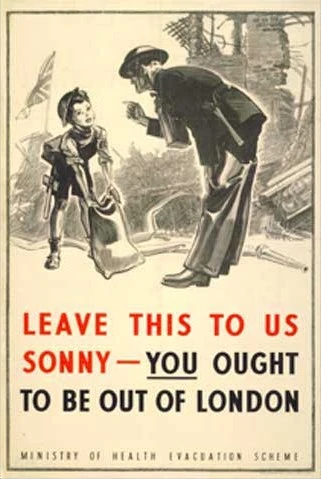
Operation Pied Piper — Womersley and the evacuation
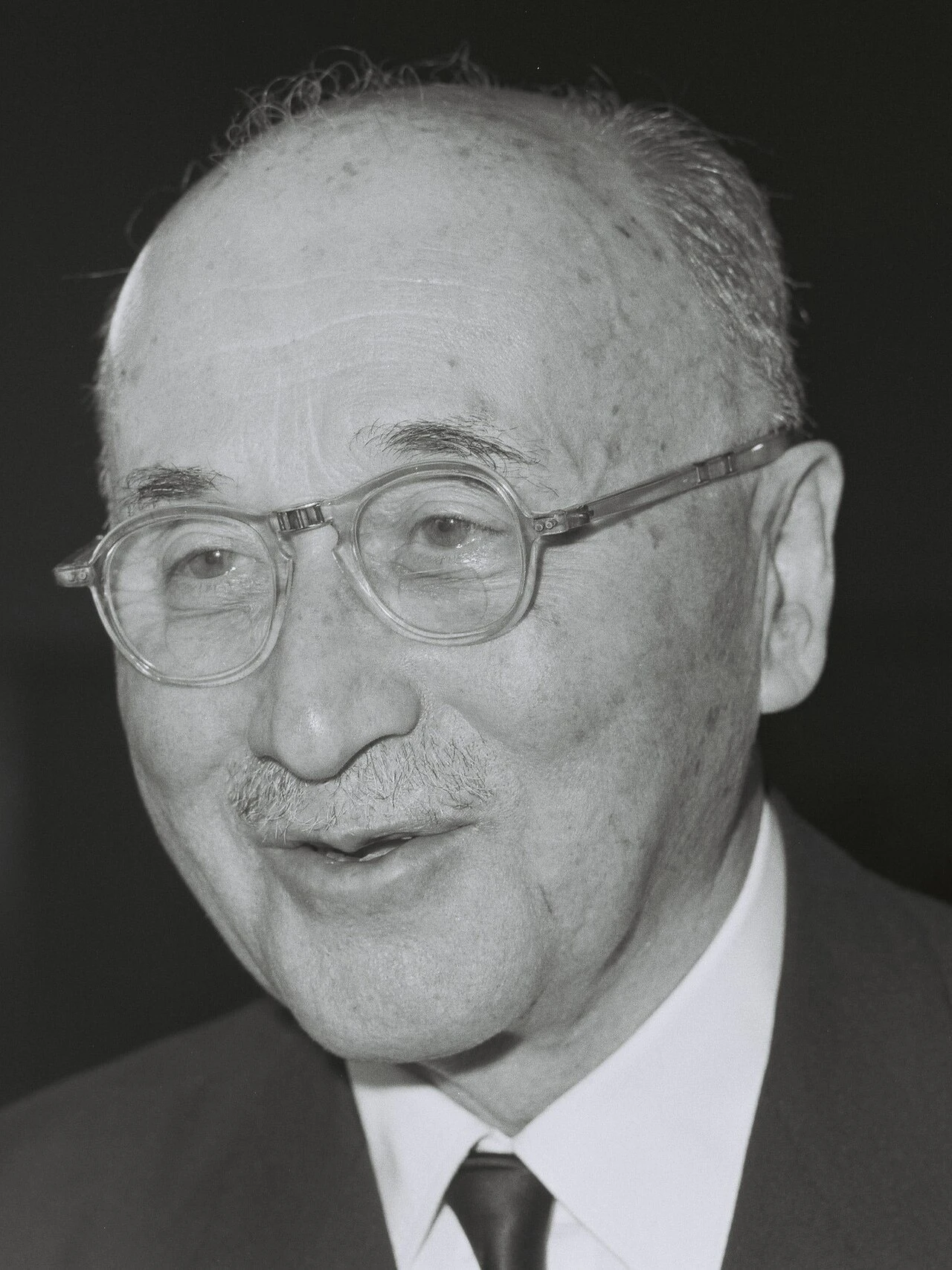
Buy Each for Themselves or with a Single Voice
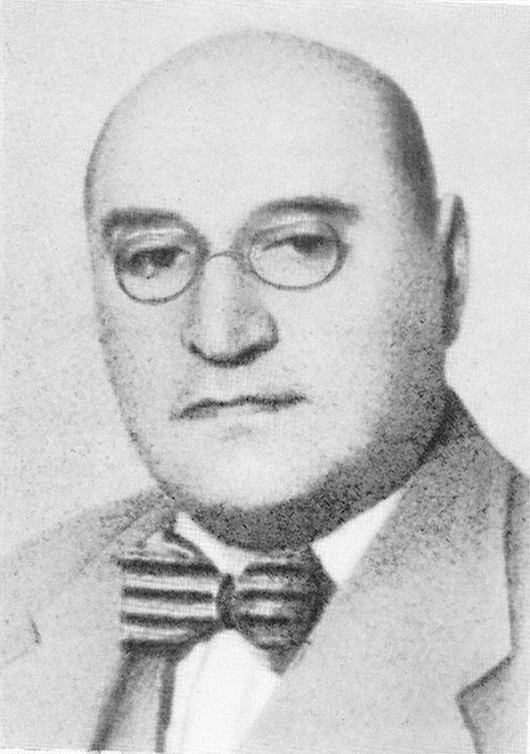
Czerniaków — the offer of the Judenrat
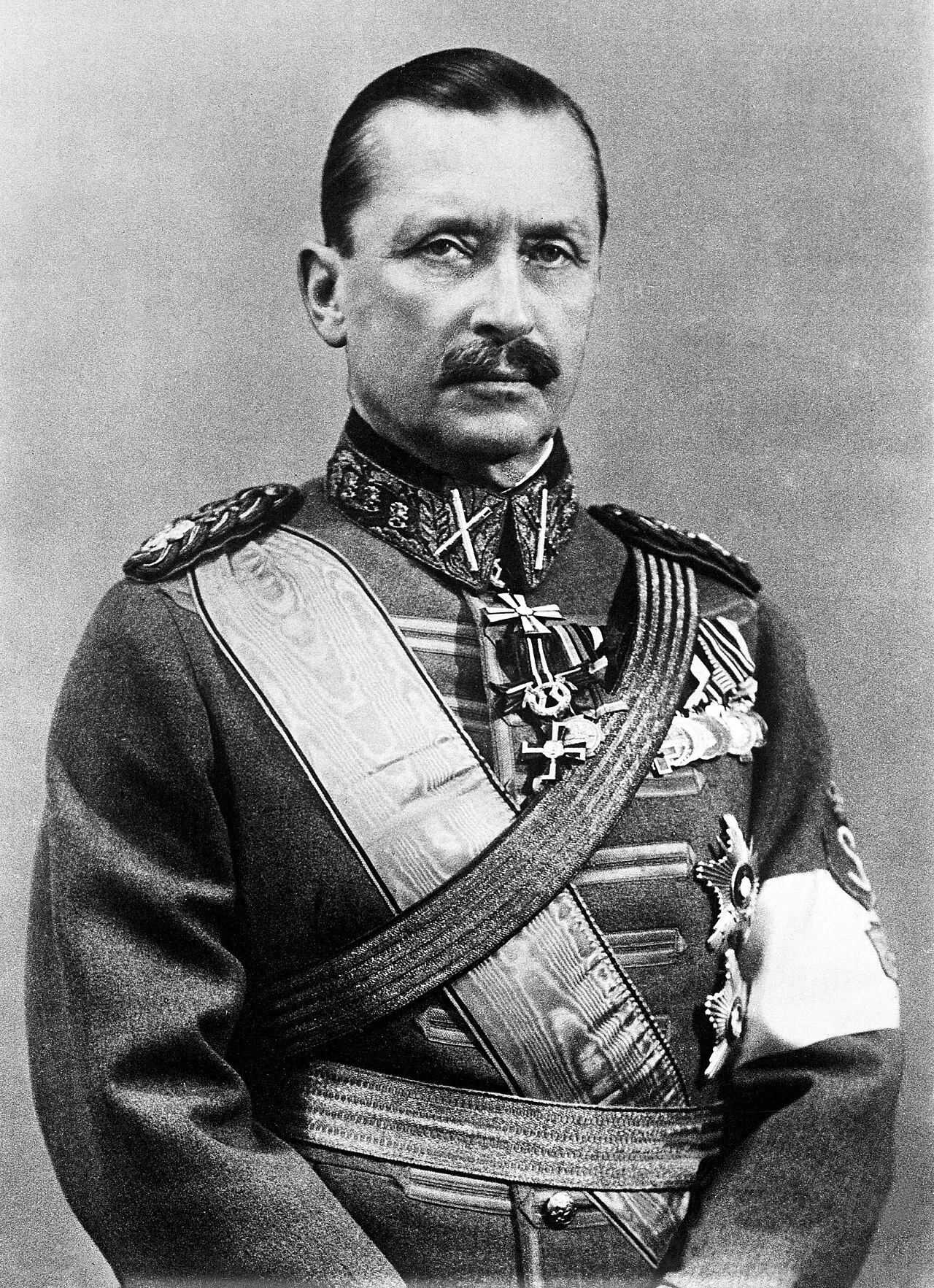
Winter rationing

Selling to Both Sides
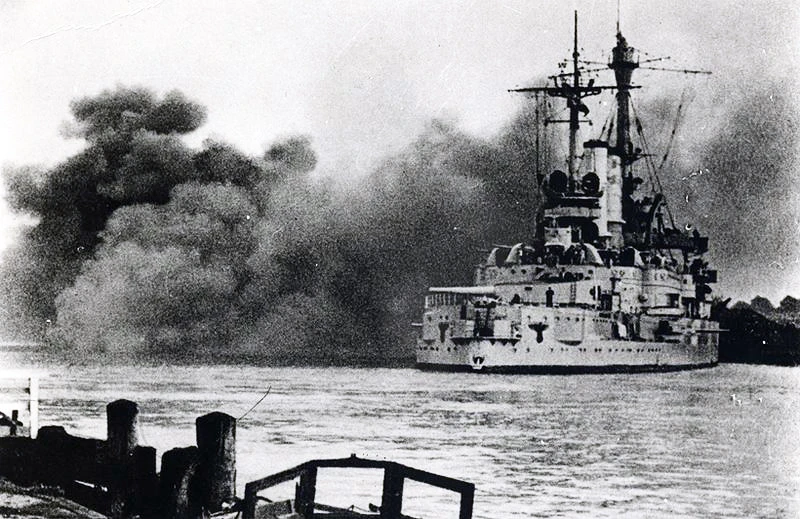
Danzig, September 1939 — the policeman of the Free City
British rationing put to the test in 1941
British Coal for the Winter of 1939
The Upper Silesian Pole Subjected to Forced Labour
Cambridge, 1939: The Evacuated LSE Student and Conscription
Operation Pied Piper — Womersley and the evacuation
Buy Each for Themselves or with a Single Voice
Czerniaków — the offer of the Judenrat
Winter rationing
Selling to Both Sides