
Metaxas and the ultimatum — Athens 3 a.m.
, a soldier and dictator of Greece since 1936, runs an authoritarian regime that is nevertheless firmly attached to national independence. During 1940, Italy steps up provocations in the eastern Mediterranean — including the torpedoing of the Greek cruiser Elli in August. Mussolini, envious of German successes and eager for a Balkan coup, is preparing an invasion from Albania, which he occupies.
On the night of October 27-28, 1940, around 3 a.m., the Italian ambassador calls at Metaxas's home and hands him an ultimatum: allow Italian troops to occupy strategic points on Greek territory, failing which it will be war. The deadline is derisory — a few hours — and the Italians are already crossing the border.
Metaxas, in his dressing gown, knows that Greece is weaker and that his regime maintained ties with Fascist Italy. To yield might avoid war; to refuse means standing alone against a great Axis power. He must answer at once.
Should Metaxas accept the Italian ultimatum or reject it?
Metaxas answers B. According to tradition, he is said to have uttered "Όχι" ("No"); in reality, he declares in French to Grazzi: "Alors, c'est la guerre" ("Then it is war"). The refusal, relayed by radio, raises a national surge: October 28 has since been celebrated as "Ohi Day," a Greek national holiday. Against all expectations, the Greek army, mobilized and combative, halts the Italian offensive in the mountains of Epirus, then pushes it back into Albania over the autumn — the first real land defeat inflicted on the Axis. Greek resistance will force Germany to intervene in the spring of 1941 to rescue its ally, delaying its plans in the East by as much. Metaxas himself dies in January 1941, before the German invasion.
Learn more about this event
Related polls
10
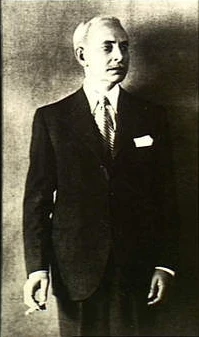
The Prime Minister in the face of the collapse of Athens
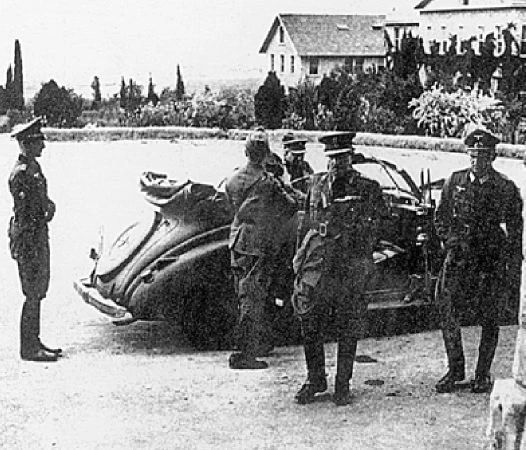
Tsolakoglou and the surrender of the Greek army
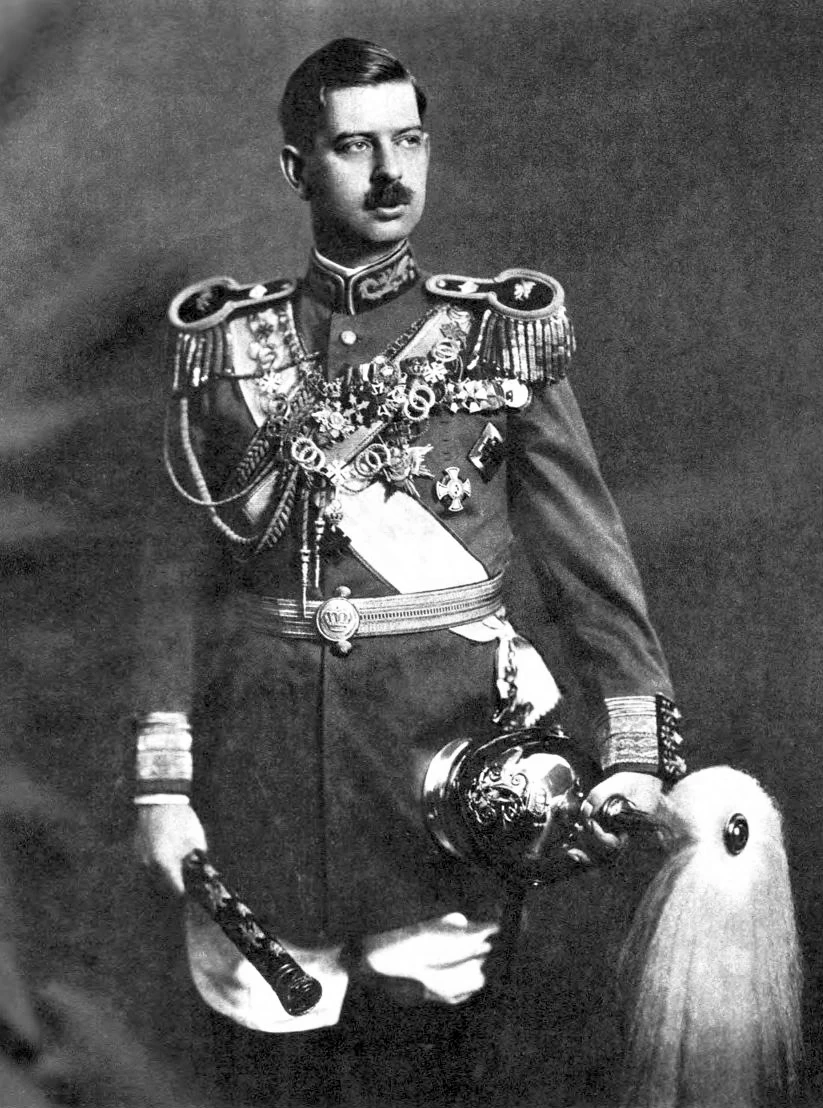
Carol II Against Antonescu — Bucharest, 6 September 1940
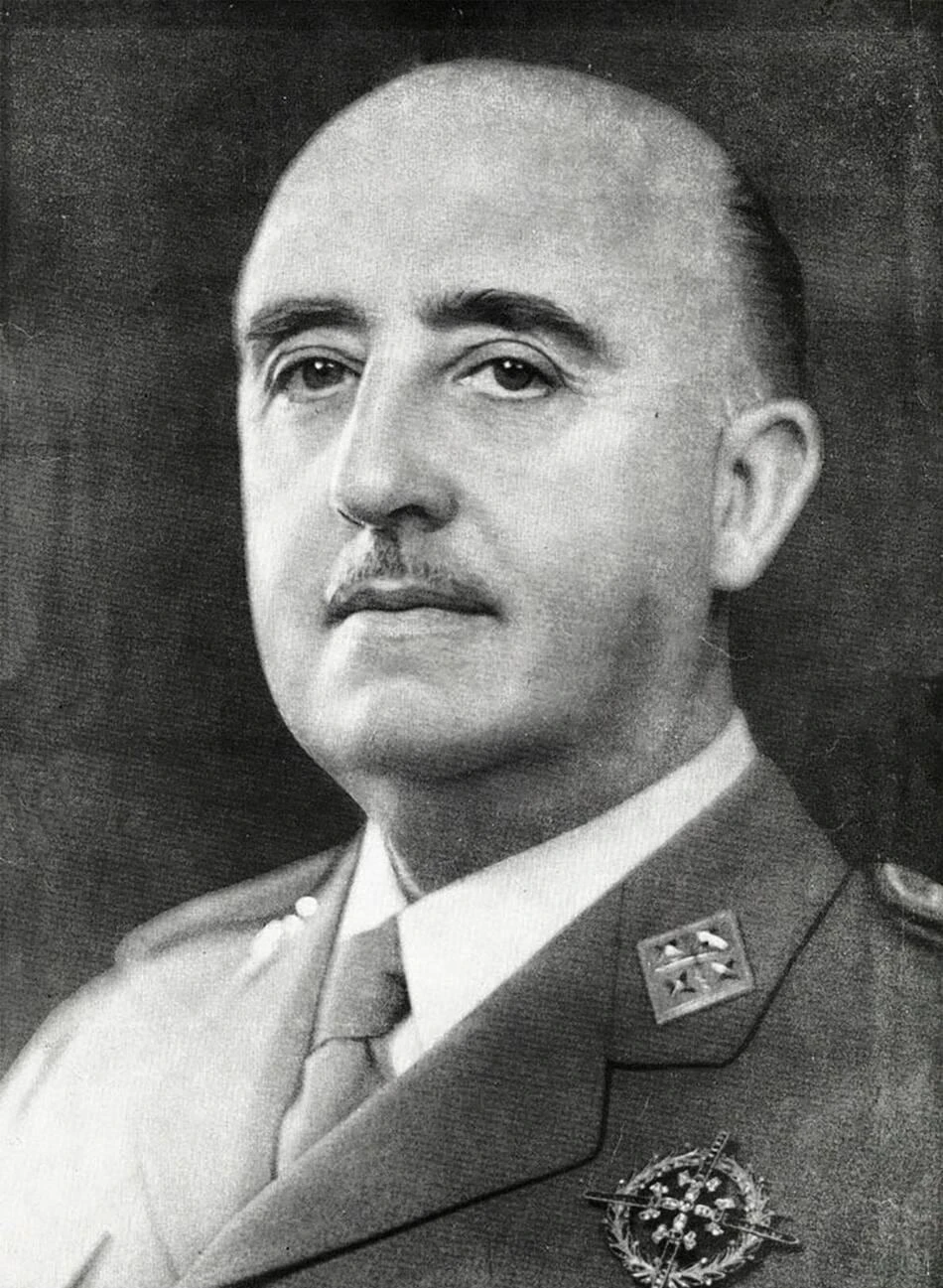
Franco at Hendaye — October 23
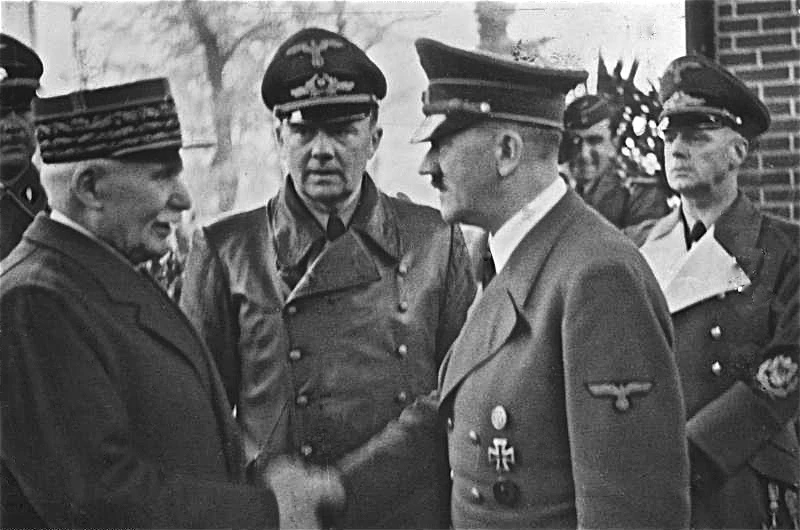
Pétain at Montoire — October 24
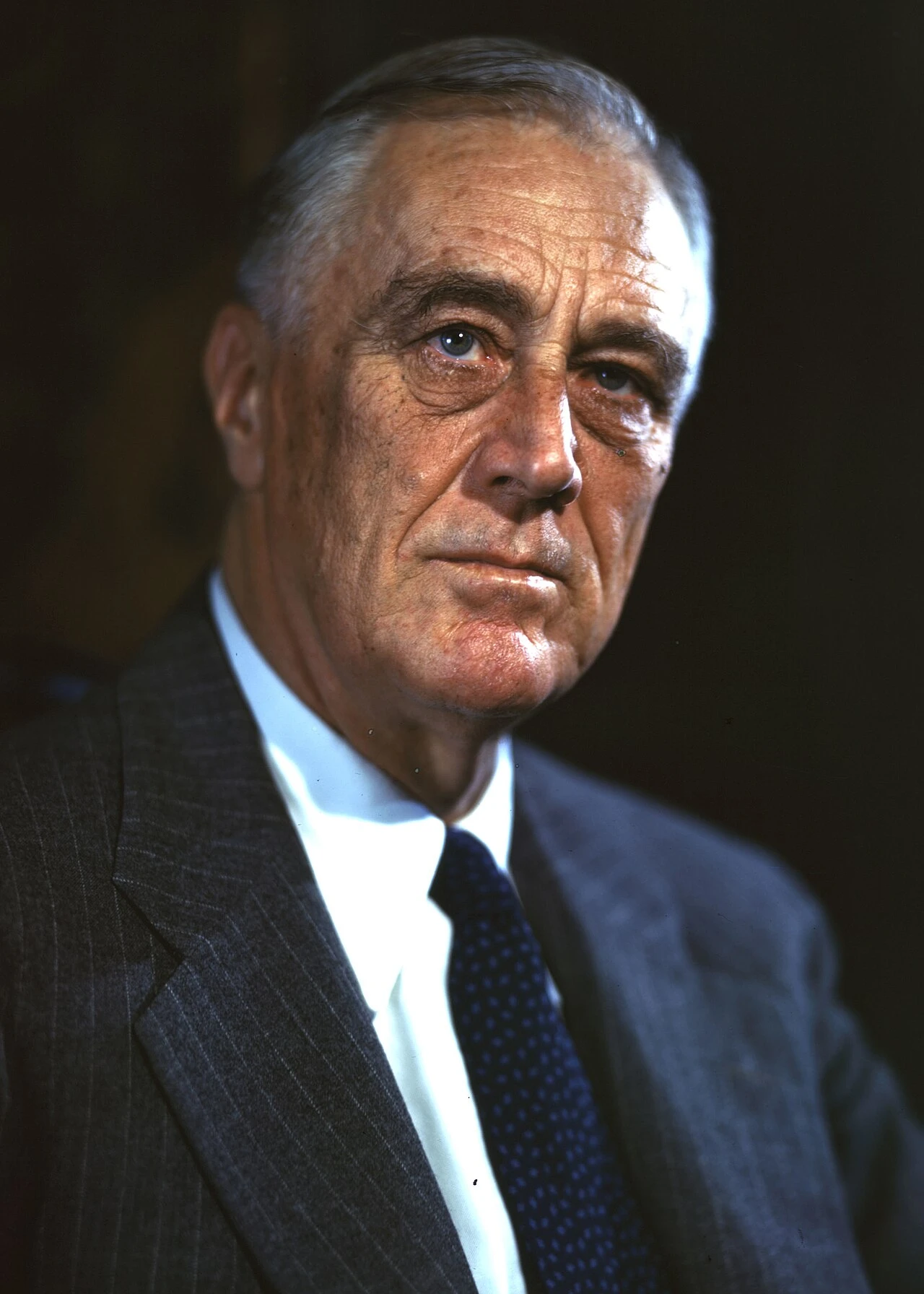
Roosevelt on the stump — "your boys"
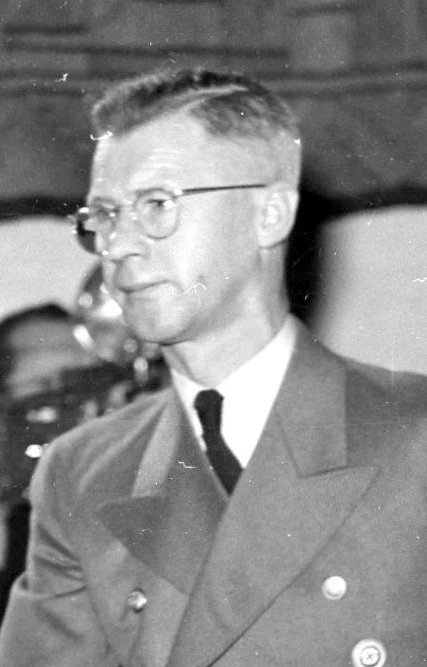
Terboven and the fate of Quisling — Oslo
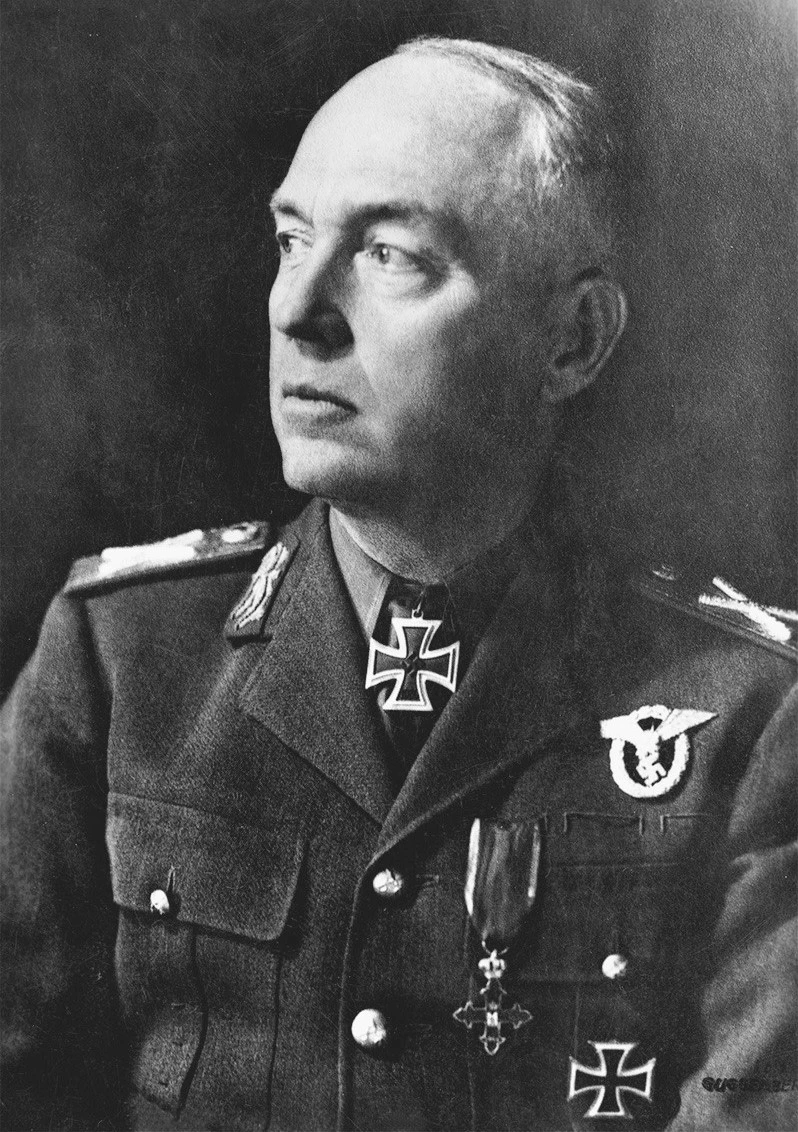
Antonescu and the Iron Guard — Bucharest
Churchill in power
Churchill before the 25 ministers — 28 May 18:00
The Prime Minister in the face of the collapse of Athens
Tsolakoglou and the surrender of the Greek army
Carol II Against Antonescu — Bucharest, 6 September 1940
Franco at Hendaye — October 23
Pétain at Montoire — October 24
Roosevelt on the stump — "your boys"
Terboven and the fate of Quisling — Oslo
Antonescu and the Iron Guard — Bucharest
Churchill in power