
Smolensk — the pocket closes
A month after the start of Barbarossa, the German , spearhead of the offensive toward Moscow, reaches Smolensk, the lock on the great road to the capital. The armoured groups of Hoth and Guderian achieve a new giant encirclement, trapping several Soviet armies in a vast pocket around the city, taken on 16 July.
On the Soviet side, Marshal Timoshenko is charged with plugging the breach with motley, ill-equipped forces, thrown into the battle as they arrive. Doctrine and Stalin forbid any surrender of ground; but to sacrifice entire armies in an untenable pocket is militarily absurd.
Timoshenko must decide: order the encircled armies to hold in place to pin the enemy, at the risk of their annihilation; attempt to make them break out eastward to save forces, in defiance of the no-withdrawal orders; or launch relief counter-attacks from outside the pocket. On this choice depends the survival of hundreds of thousands of men — and the pace of the German advance toward Moscow.
How should Timoshenko handle the encircled Soviet armies at Smolensk?
Timoshenko combines A and C: the encircled armies resist and attempt breakouts, while costly Soviet counter-offensives (including those at Yelnya, in August-September) strike the German flanks. The Smolensk pocket is finally reduced at the end of July, yielding hundreds of thousands of prisoners. But the battle, which lasts until September, has an unexpected effect: it wears down , exhausts its armour and makes it lose precious time. It is partly for this reason that Hitler will soon divert the main effort toward Kiev and Leningrad, postponing the assault on Moscow. The fierce resistance at Smolensk, paid for at a terrible price, helps to throw off the German timetable — the first grain of sand in the 'lightning war' in the East.
Learn more about this event
Related polls
10
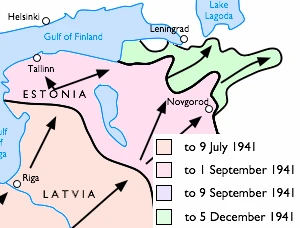
Barbarossa — 3:15 a.m.
'Fortresses do not surrender'
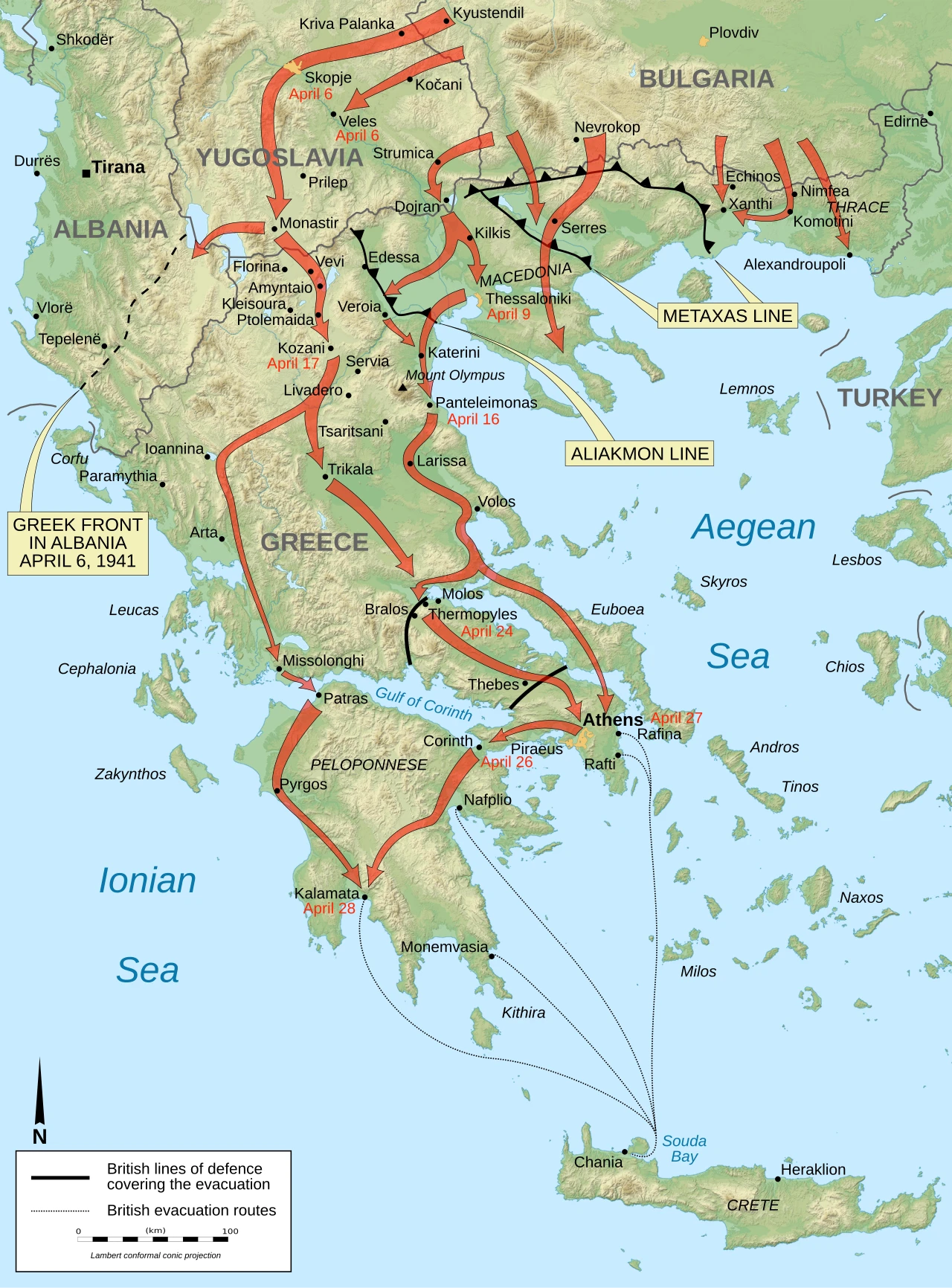
Salonika lost: surrendering the Metaxas Line

The abatis of the Chasseurs Ardennais
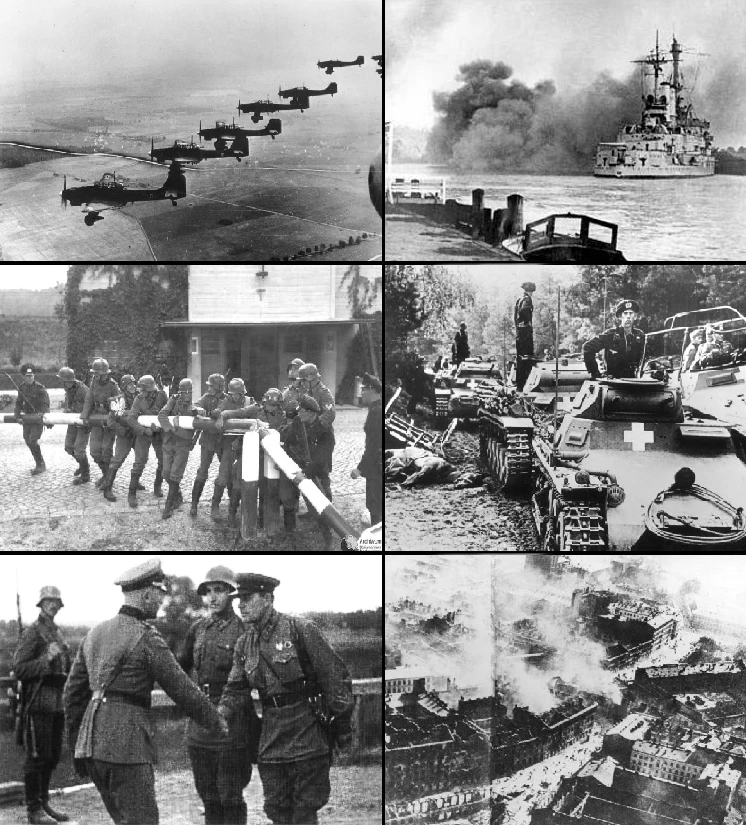
The Polish Army and the Deployment
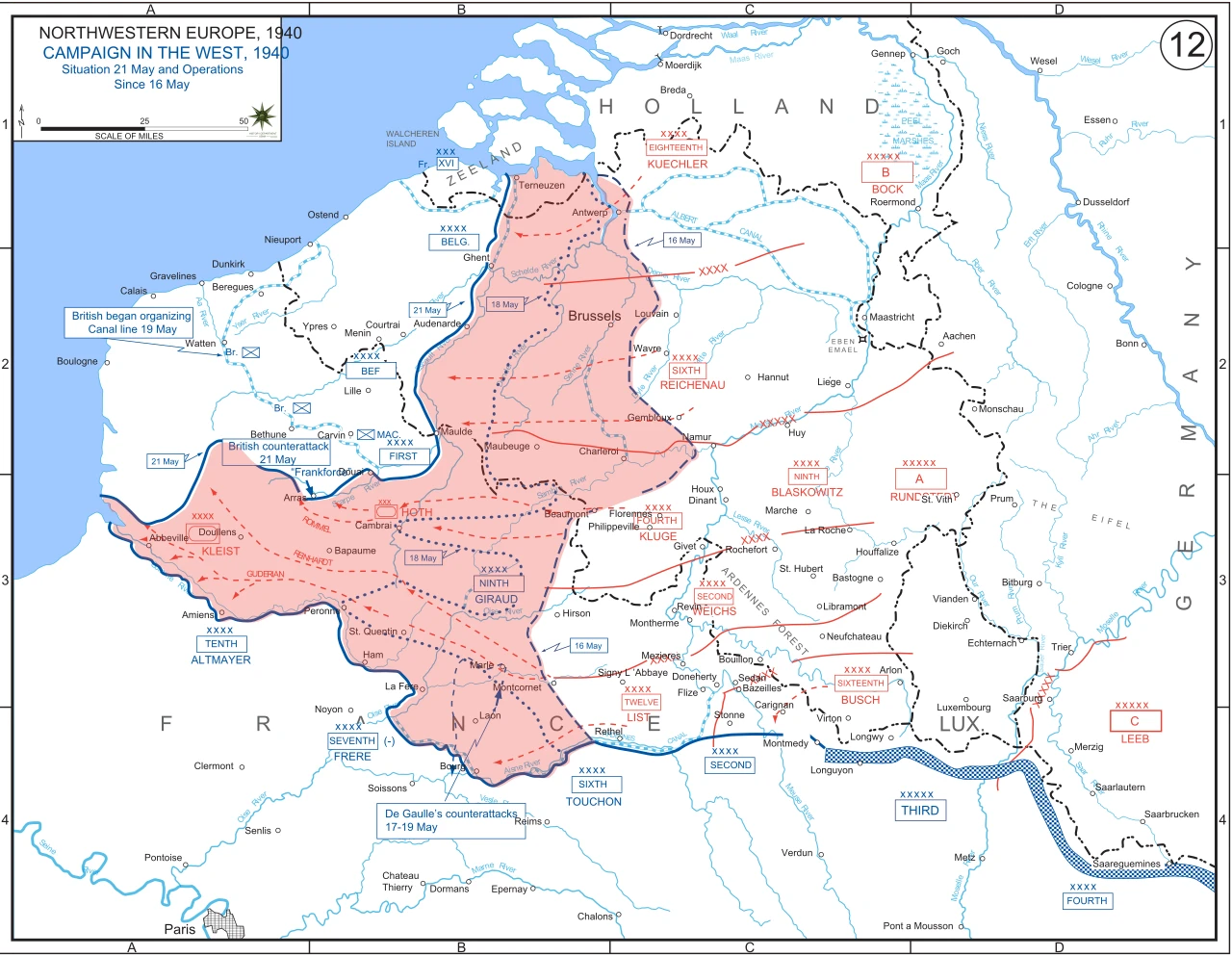
The Battle of the Lys
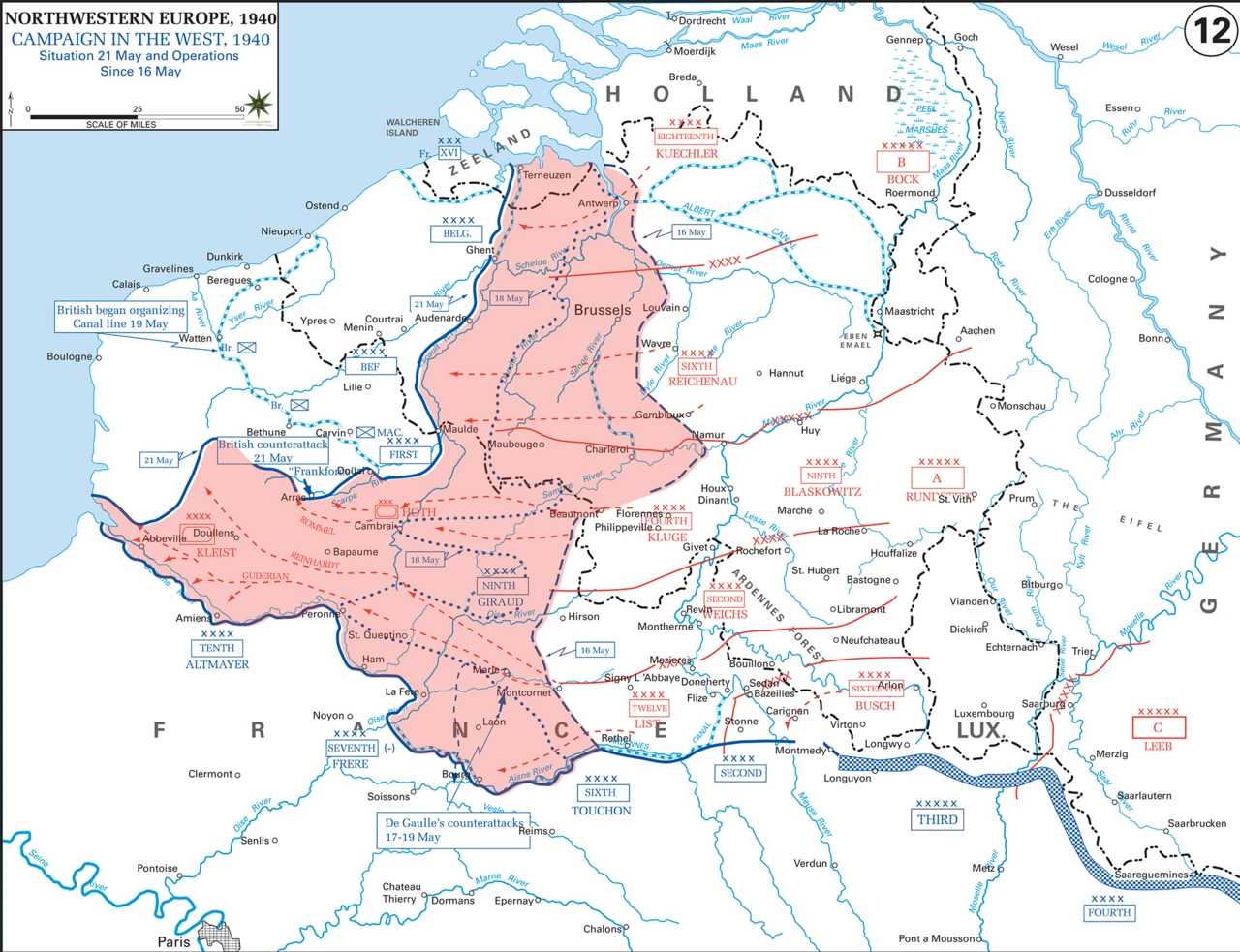
Boulogne — Fox-Pitt and the Guards facing the port
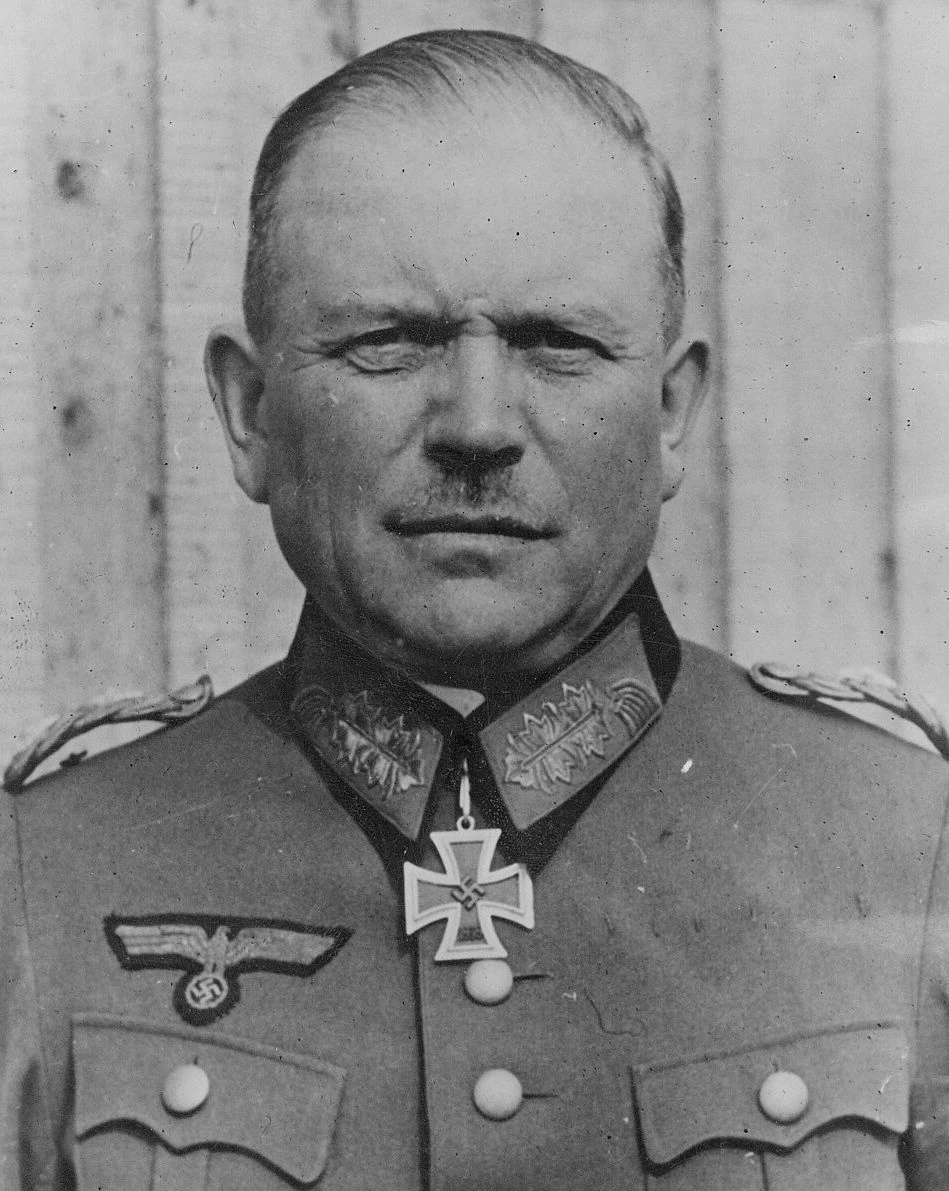
Brześć — Plisowski faces Guderian
Bulson — Lafontaine and the 02:00 rumour
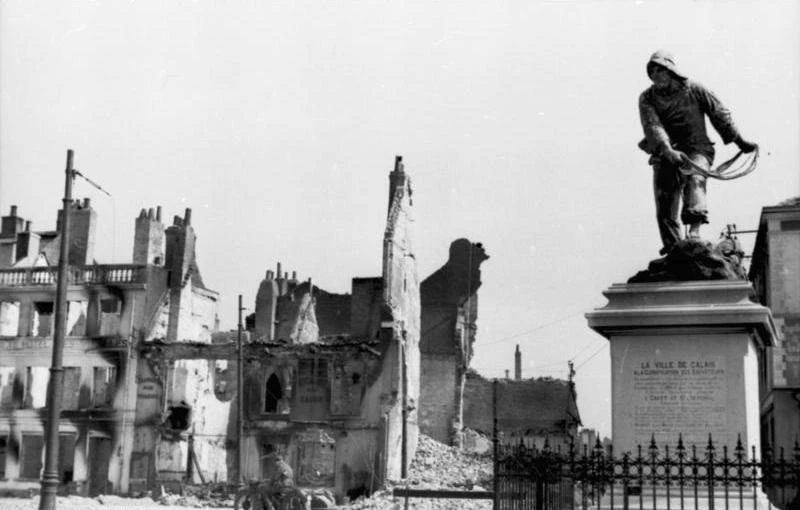
Calais — Nicholson facing the ultimatum
Barbarossa — 3:15 a.m.
'Fortresses do not surrender'
Salonika lost: surrendering the Metaxas Line
The abatis of the Chasseurs Ardennais
The Polish Army and the Deployment
The Battle of the Lys
Boulogne — Fox-Pitt and the Guards facing the port
Brześć — Plisowski faces Guderian
Bulson — Lafontaine and the 02:00 rumour