
Lofoten — Operation Claymore
After Dunkirk, Churchill had called for the creation of shock troops capable of striking the coasts of occupied Europe: the . By early 1941, these new units had yet to mount any major operation and were eager to prove themselves. A target was chosen in the Far North: the Lofoten Islands, off occupied Norway, whose factories processed fish oil into glycerine, useful to the German war industry.
Operation Claymore brought together a little over 500 men of the and Free Norwegians, transported by the Royal Navy. The official objective was to destroy the installations, sink ships and take prisoners. The archipelago was lightly defended, but no one knew in advance what the flotilla of German vessels at anchor would hold.
The force commander had to set the raid's ambition: stick to the planned economic destruction and withdraw quickly before any German reaction; push his luck by seizing any sensitive material spotted; or prolong the occupation of the islands at the risk of an air counterattack.
How far should the Lofoten raid be pushed?
The force executed A, but the unexpected tipped the raid toward B: on 4 March 1941, the destroyed the factories, sank around ten vessels (35,000 tons), captured more than two hundred German prisoners and brought back Norwegian volunteers — with almost no losses. Above all, among the vessels at anchor was an armed trawler carrying cipher equipment, the Krebs: a detachment seized Enigma cipher wheels and documents that would help Bletchley Park crack the German naval code. The first major Commando raid was a complete success that validated the concept and fed propaganda. It inaugurated a series of operations (Vagsoy, Saint-Nazaire, Dieppe) and helped tie down in Norway German forces that Hitler, haunted by the idea of a landing, would never stop reinforcing.
Learn more about this event
Related polls
10
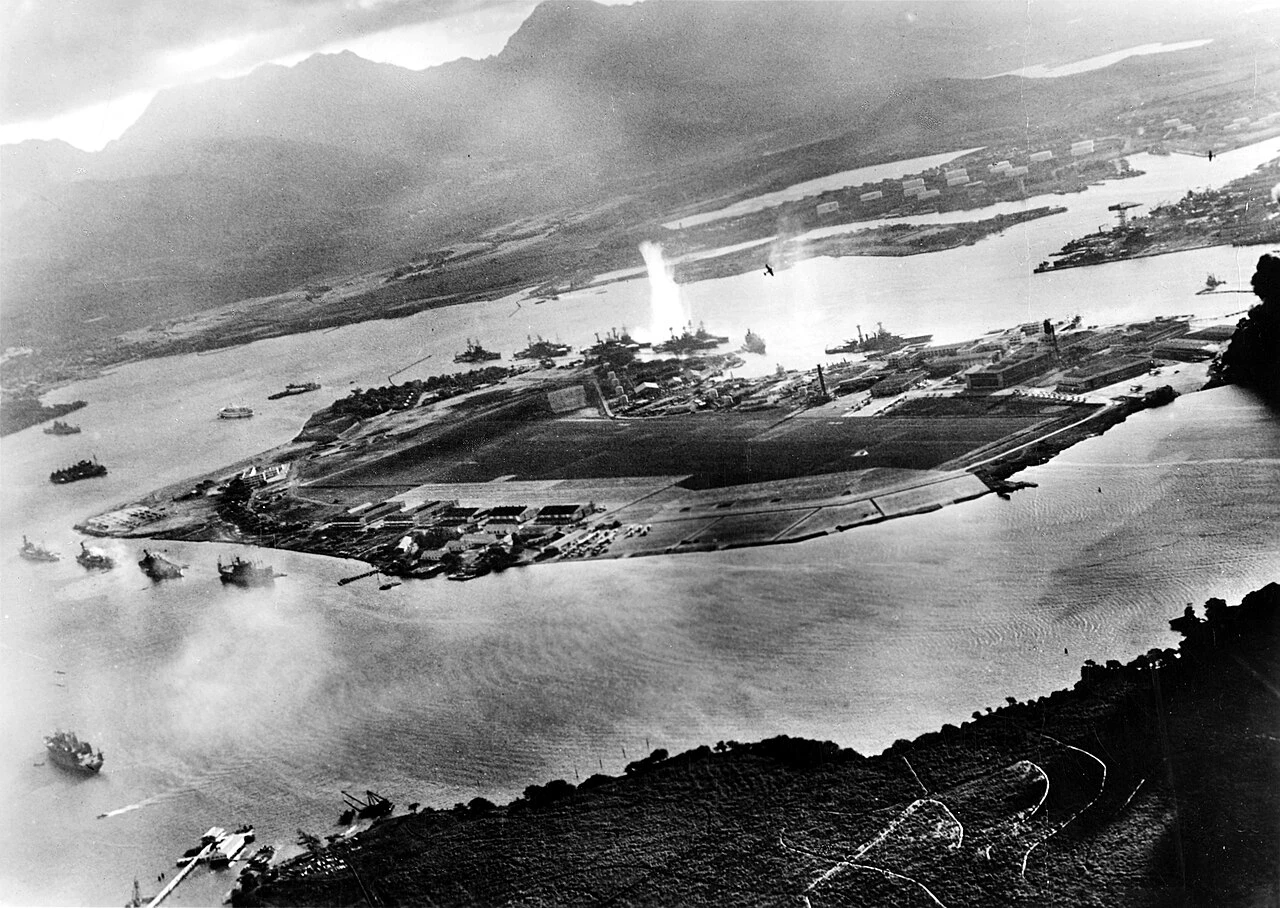
The Japanese spy at Pearl Harbor on the day of the attack
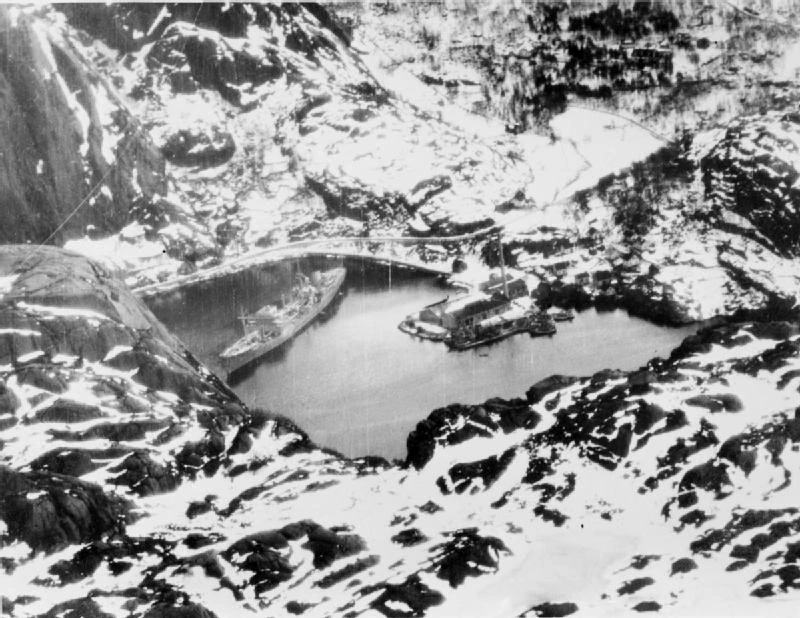
The Altmark affair
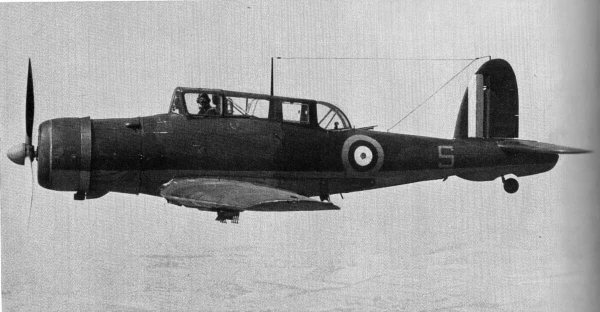
Bergen — the Skuas at extreme range
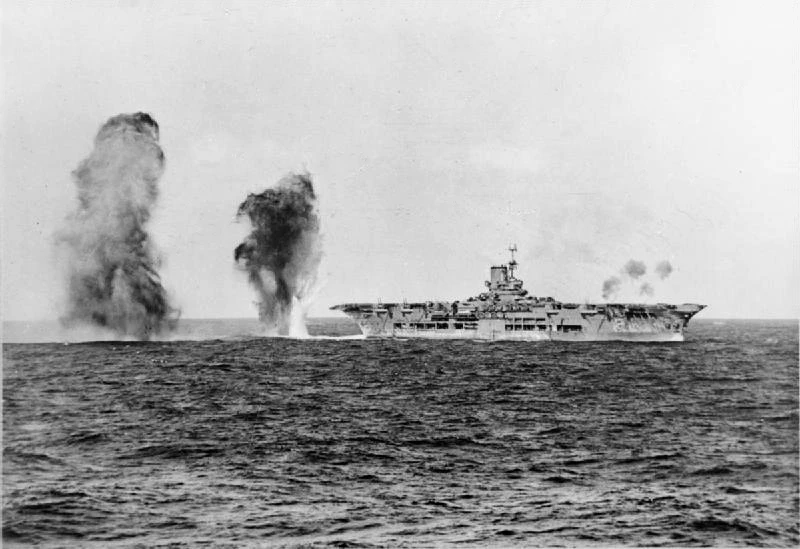
Cape Matapan — Cunningham against Iachino
An unescorted convoy in the grey morning
An escort battleship on the convoy's route
Excess: getting the convoy through under a new threat

Force H — a raid in Italian waters
HMS Glowworm against the Admiral Hipper
Illustrious under the Stukas
The Japanese spy at Pearl Harbor on the day of the attack
The Altmark affair
Bergen — the Skuas at extreme range
Cape Matapan — Cunningham against Iachino
An unescorted convoy in the grey morning
An escort battleship on the convoy's route
Excess: getting the convoy through under a new threat
Force H — a raid in Italian waters
HMS Glowworm against the Admiral Hipper