
Mannerheim and the Cross — designing the order
At the end of the Winter War, Mannerheim observed that Finland had no military order of its own with which to reward soldiers — only the Cross of Liberty (1918 ordinance, a general equivalent) and the medals of the White Cross (civilian). Inspired by the Prussian Pour le Mérite and the German Knight's Cross (created in September 1939), he decided over the winter of 1940 to create a Finnish military order: the Mannerheim Cross (Mannerheim-risti).
Design: the order was to be awarded personally by the commander-in-chief (Mannerheim), for an act of exceptional courage or remarkable command. Two classes: 1st class (senior officers, brigadiers and above), 2nd class (junior officers and other ranks). Aesthetics: a silver cross, the blue-and-white Finnish ribbon, Mannerheim's "C.E.M." monogram.
Presidential royal decree signed on 15 March 1940 (by Kallio), three days after the Peace of Moscow. First recipients named on 22 March 1940: Siilasvuo (Suomussalmi), Pajari (Tolvajärvi), Vuokko (Kuhmo), Talvela (Vyborg), Wallenius (Lapland), Lagus (Salla), (individual combat).
Mannerheim had to decide whether to award himself the decoration.
Which is the most symbolically prestigious award?
Mannerheim applied B. He explicitly refused to award himself the Cross: "I cannot wear a decoration that I have created." A moral precedent: no other supreme recipient would wear his own order. The Mannerheim Cross was awarded 191 times in total between 1940 and 1945 (including the Continuation War 1941-44). Youngest recipient: 22 (a tank officer during the Continuation War). Oldest: 56. Double recipients: only four cases — , (flying aces), (ace), (ace). Killed-in-action ratio: 60% of recipients died in combat before 1945. The Mannerheim Cross remains the most prestigious military order in Finland. The last surviving holders had all died by 2002 (Juutilainen). The Cross is on display at the Military Museum in Helsinki. Mannerheim never agreed to award himself his Cross — showing a political modesty unusual for a head of state of the period.
Learn more about this event
Related polls
10
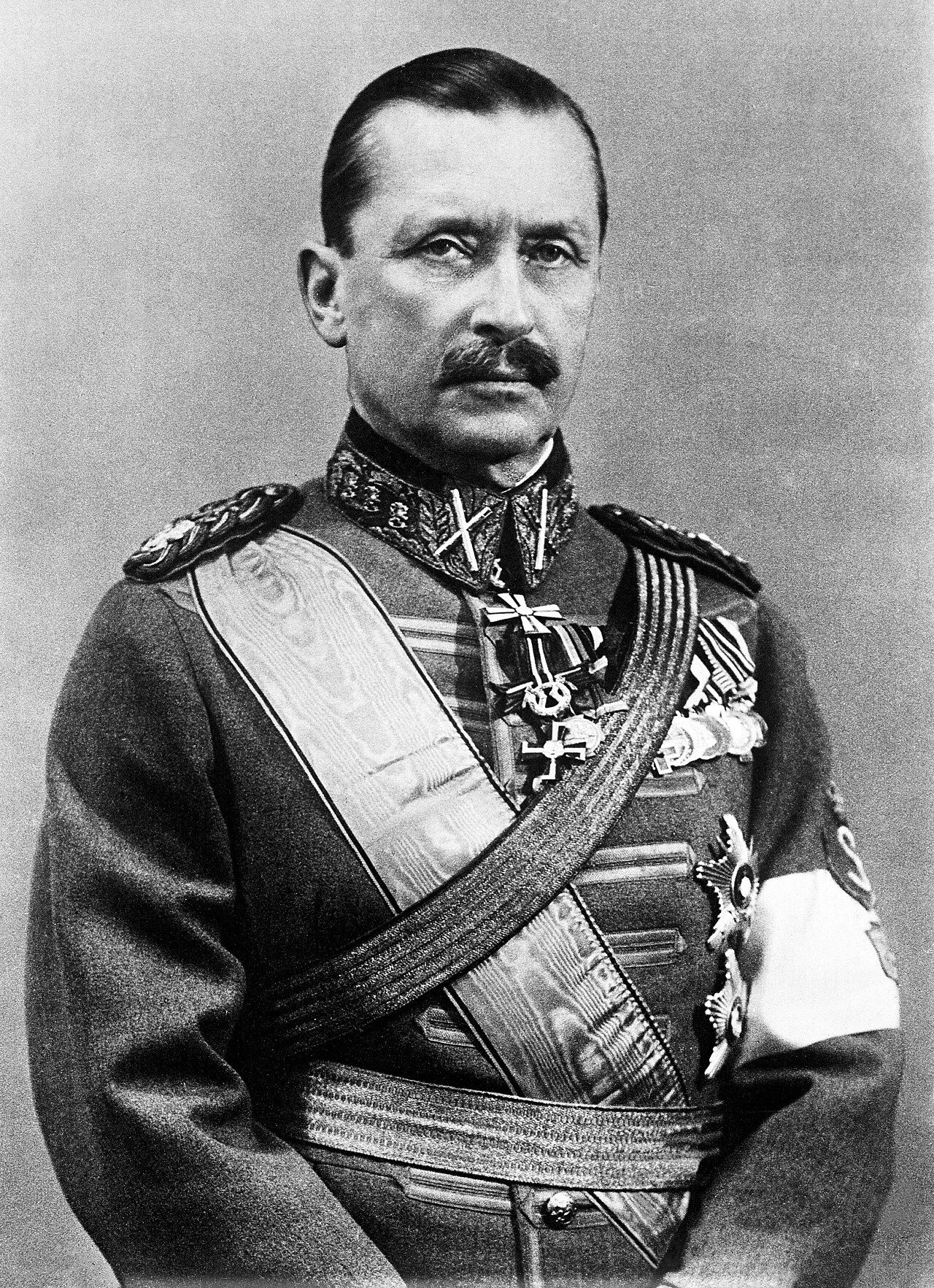
Mannerheim to the Ryti government — 28 February
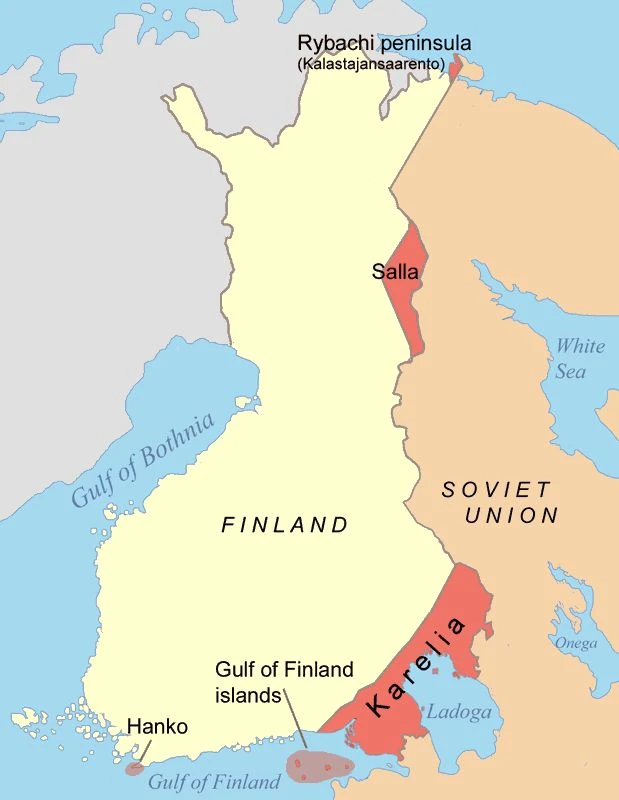
Assessment of the Winter War — 13 March
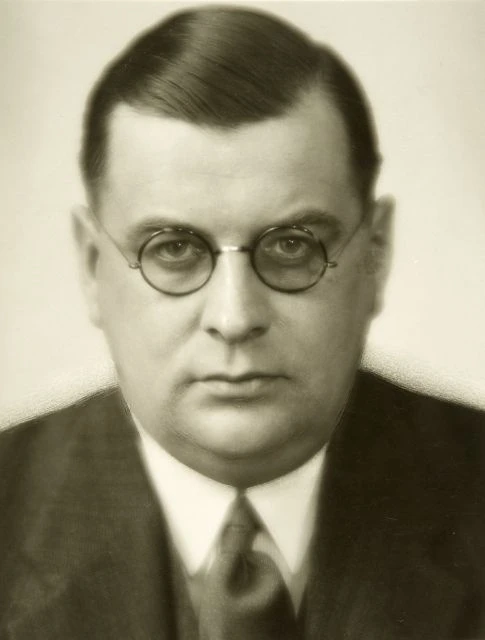
Erkko — the minister of 1 December
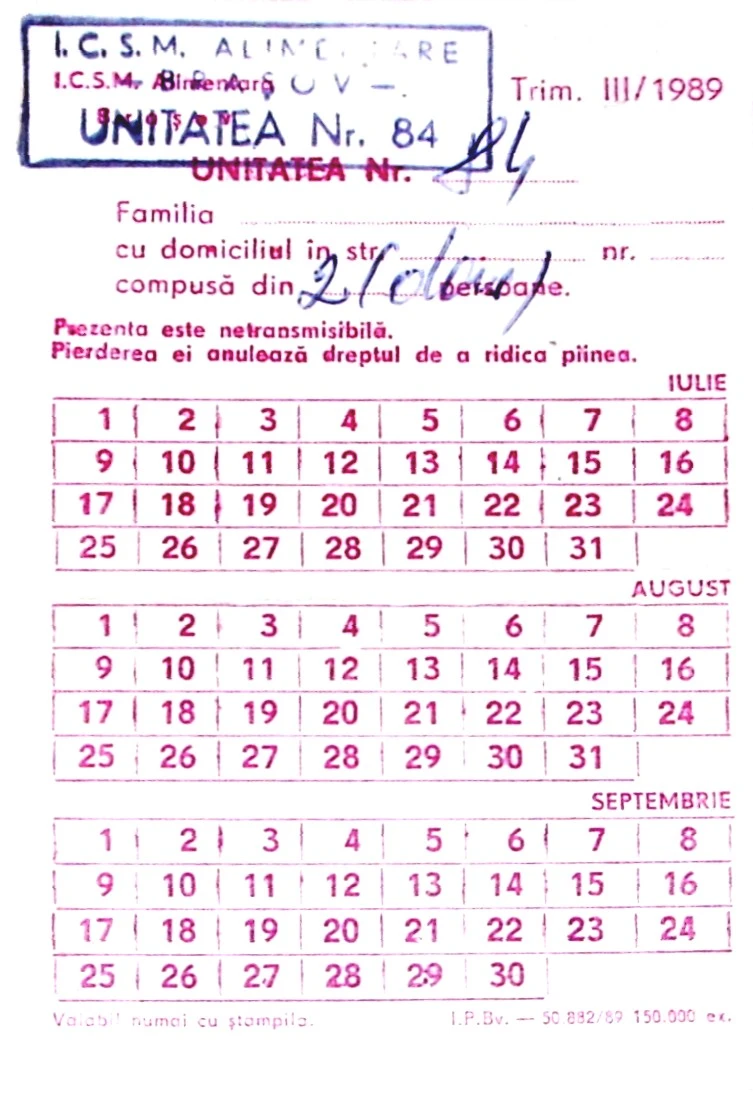
France's March 1940 Ration Card
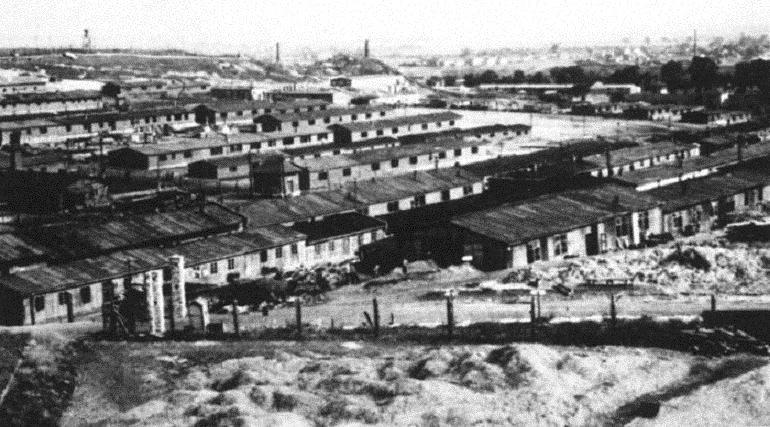
The Upper Silesian Pole Subjected to Forced Labour
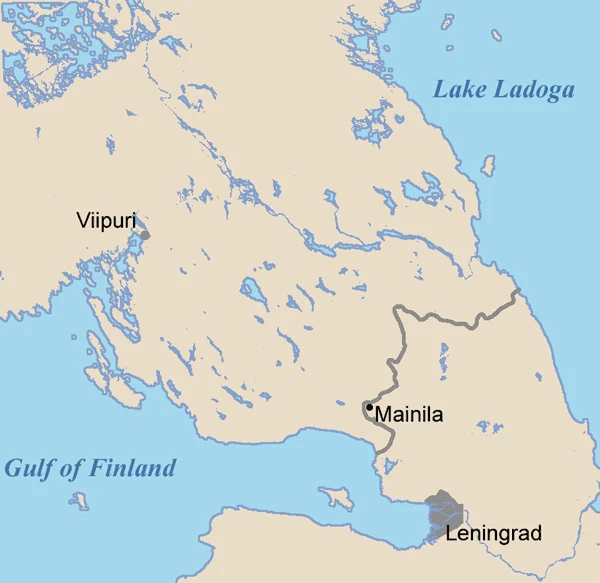
Mainila — the Cajander government's response
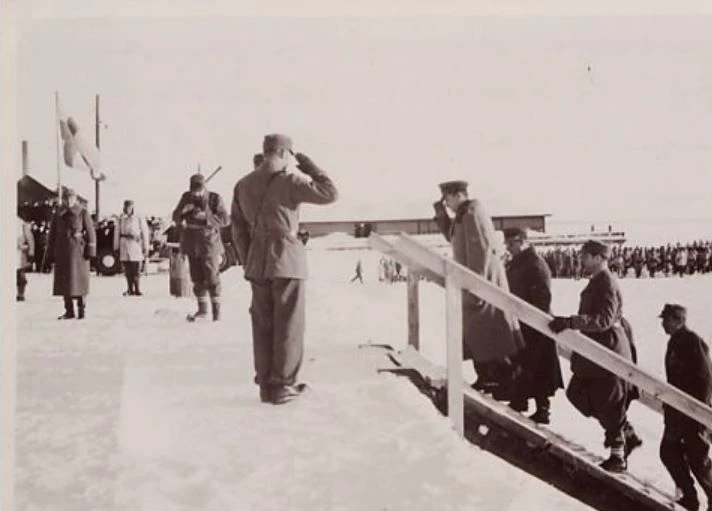
Mannerheim — the Order of the Day, 1 January
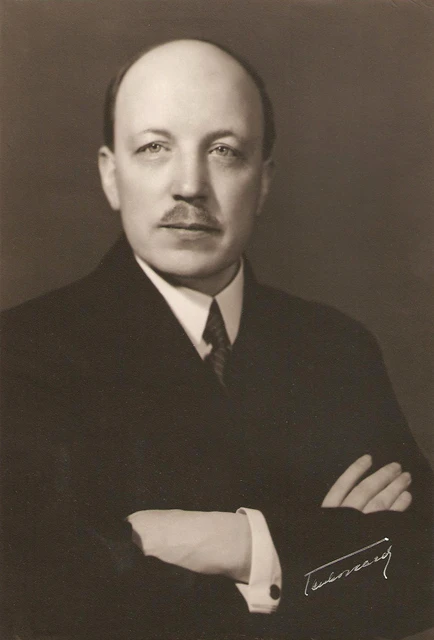
Moscow Peace — Ryti at the Kremlin
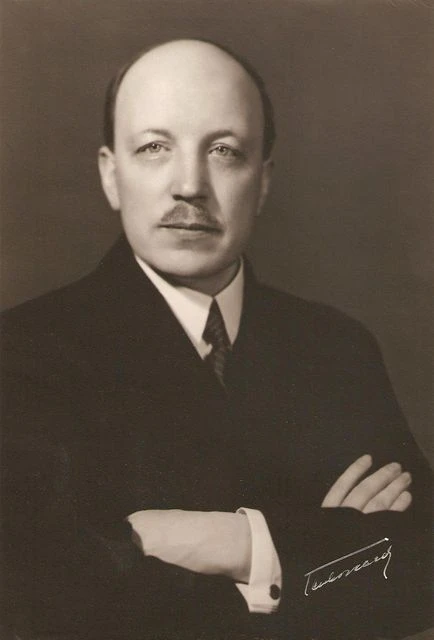
Ryti — Prime Minister on 2 December
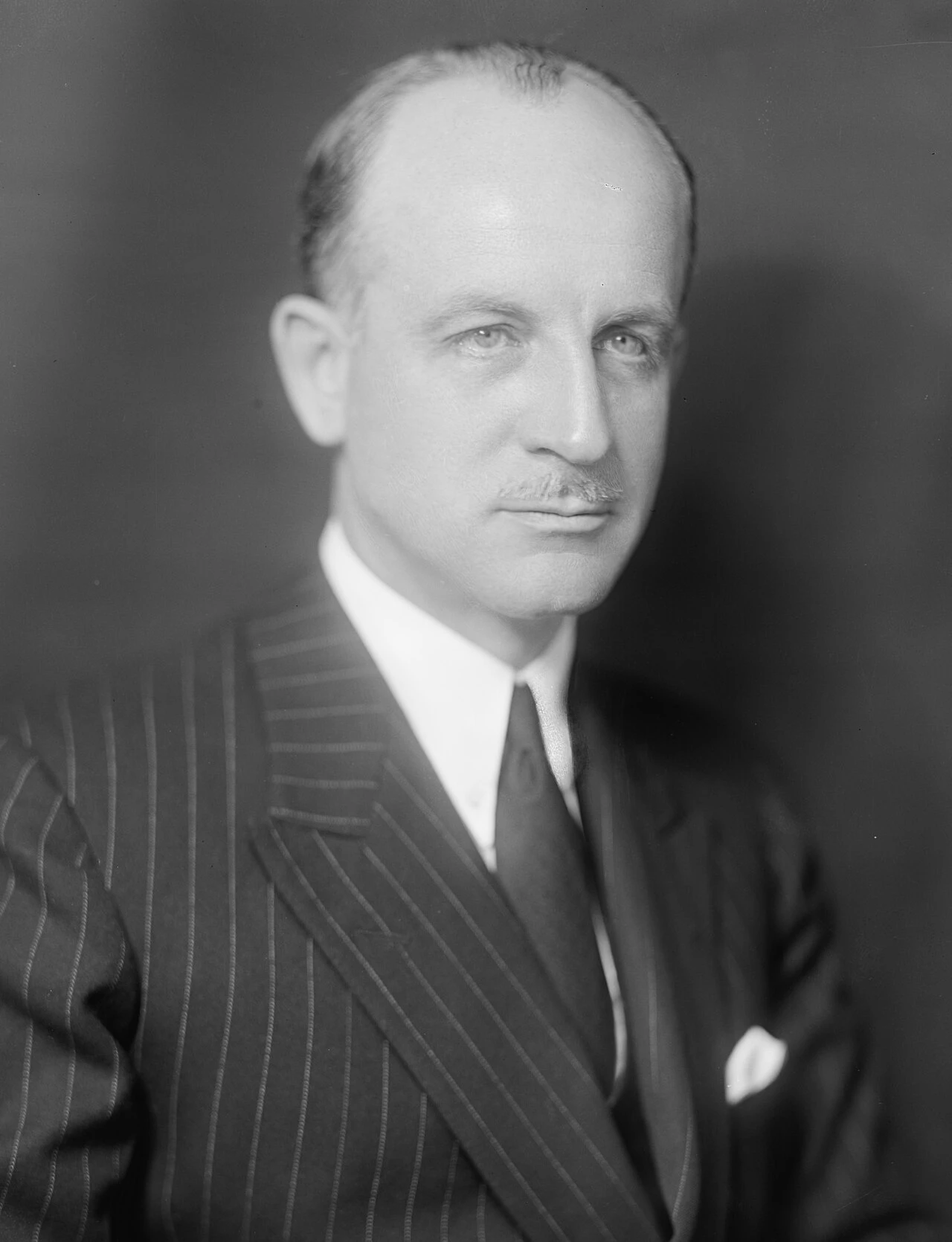
Welles in London — 11-13 March
Mannerheim to the Ryti government — 28 February
Assessment of the Winter War — 13 March
Erkko — the minister of 1 December
France's March 1940 Ration Card
The Upper Silesian Pole Subjected to Forced Labour
Mainila — the Cajander government's response
Mannerheim — the Order of the Day, 1 January
Moscow Peace — Ryti at the Kremlin
Ryti — Prime Minister on 2 December