
The Donbass Is About to Fall — What to Do With the Basin?
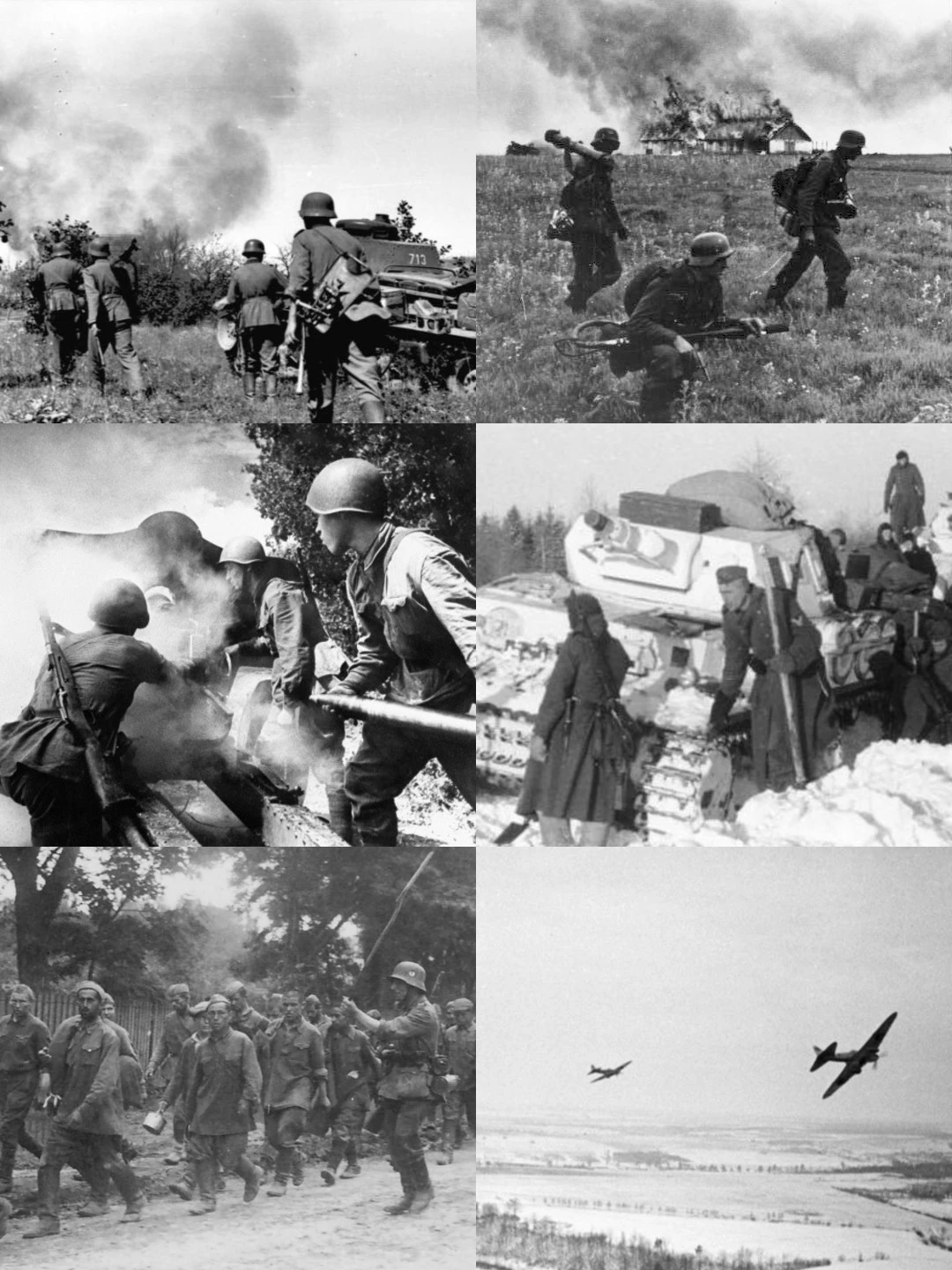
In mid-October 1941, the armoured columns of Army Group South are driving deep into the Donbass. Stalino, the heart of the region, is about to fall. Yet this basin alone supplies more than 60% of Soviet coal and roughly half its steel: losing it directly threatens the production of tanks, guns and munitions.
Since the summer, the GKO has already launched the mass evacuation of factories to the Urals, Siberia and Kazakhstan, drawing on the scorched-earth directive of 3 July 1941. But the Donbass presents an extreme case: its deep mines, its coking plants and its blast furnaces cannot be dismantled in full in the time that remains.
Stalin must decide under emergency conditions the fate of this irreplaceable industrial complex, torn between the need to keep producing for as long as possible and the need to leave nothing usable to the enemy.
As German armour breaks through into the Donbass, what should be decided about the USSR's foremost coal-and-steel basin?
Stalin and the GKO chose to evacuate the transportable equipment and skilled workers eastward, combined with a scorched-earth policy: the Donbass mines were flooded and wrecked, and the metallurgical installations (blast furnaces, coking plants, power stations) were dynamited or rendered unusable before the withdrawal. The Wehrmacht recovered only a devastated basin and was never able to restore significant production there. On the Soviet side, the loss of the Donbass caused a sharp collapse in steel and coal output at the end of 1941, subsequently offset by the forced expansion of the eastern basins (Kuzbass, Karaganda) and the Urals. At the liberation in 1943, clearing and de-watering the mines demanded a colossal reconstruction effort.
Learn more about this event
Related polls
10
Harriman in Moscow, Face to Face with Stalin
The Soviet schoolteacher facing the German advance
Japan and the Southern Resource Zone
Spanish Wolfram
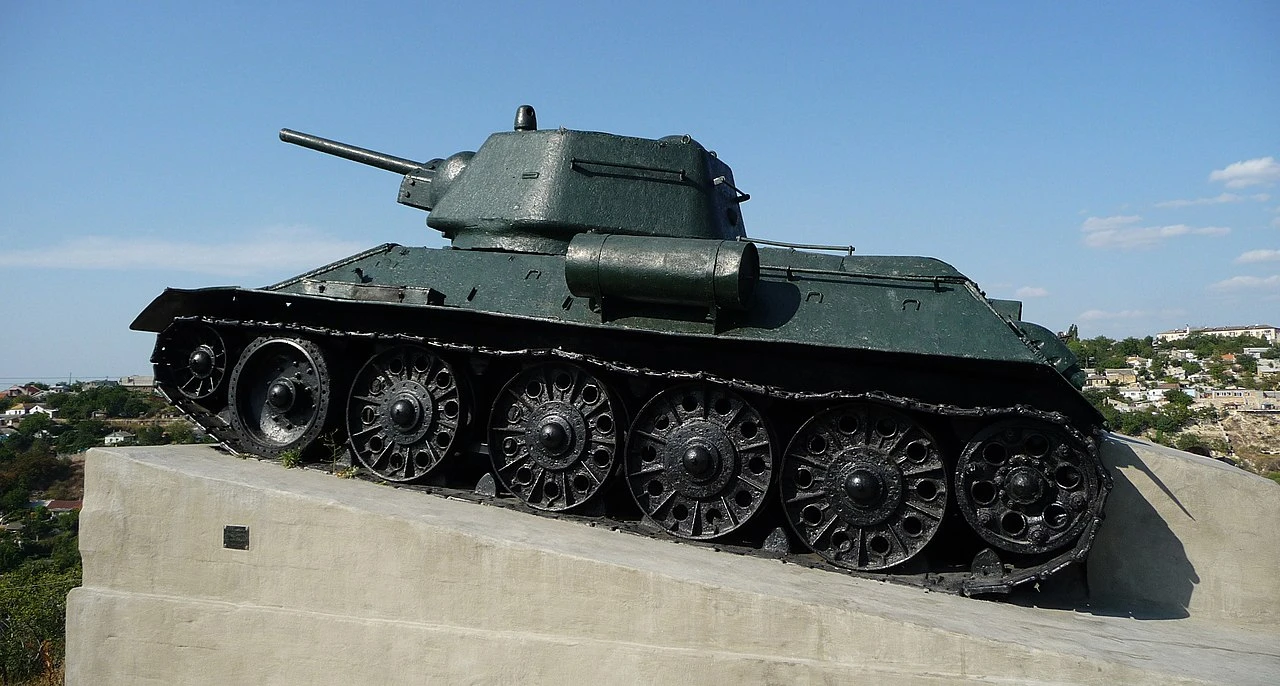
Malyshev and the Tank Exodus to the Urals
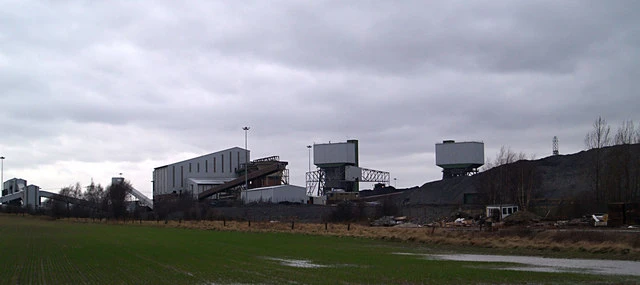
British Coal for the Winter of 1939
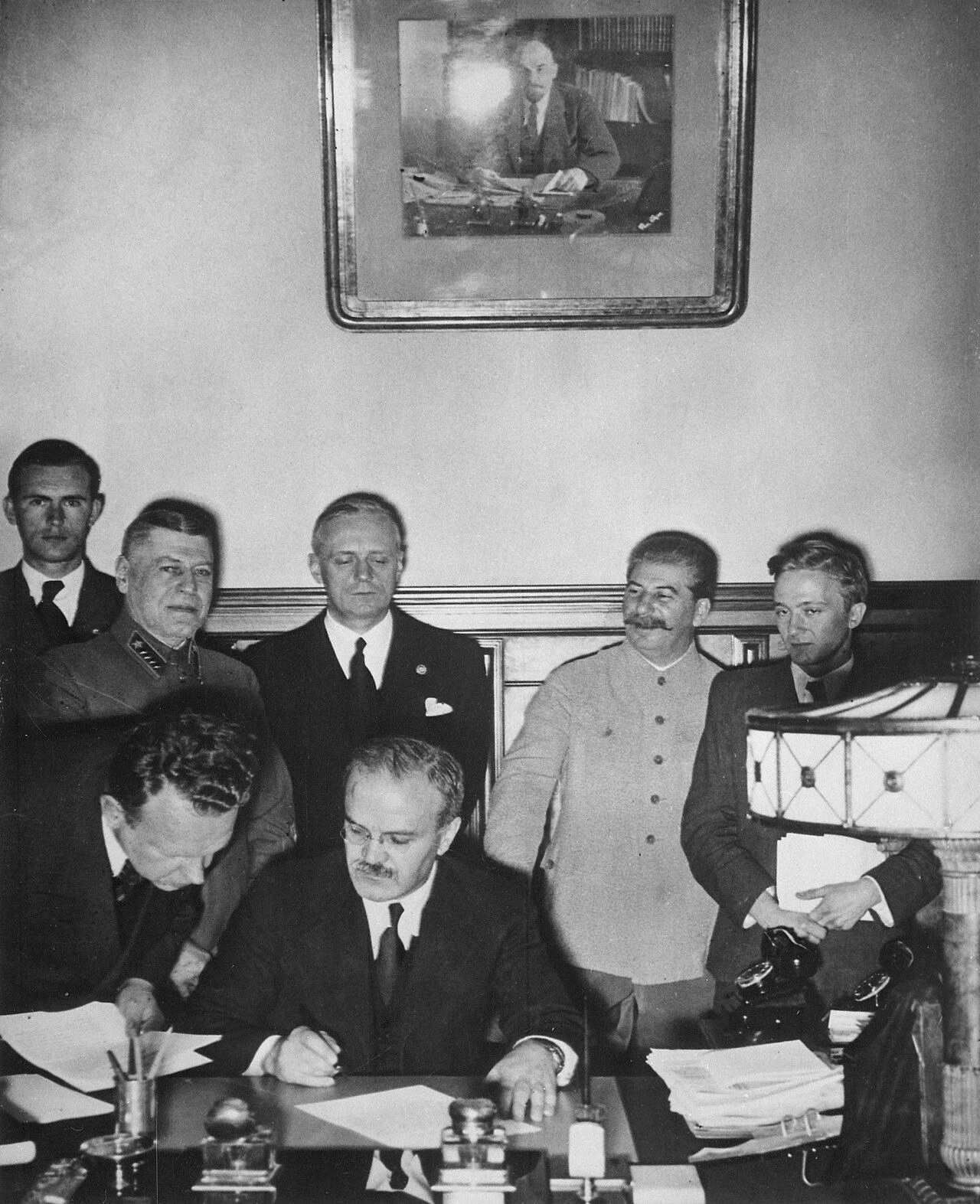
Schnurre in Moscow — the Commercial Agreement
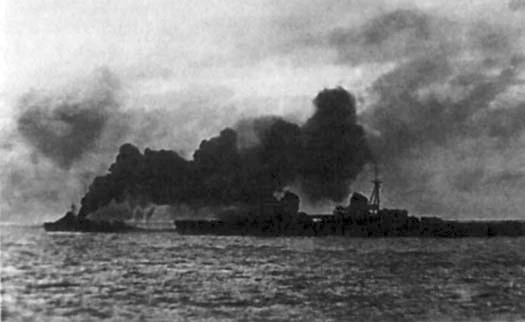
Dismantling a Nation
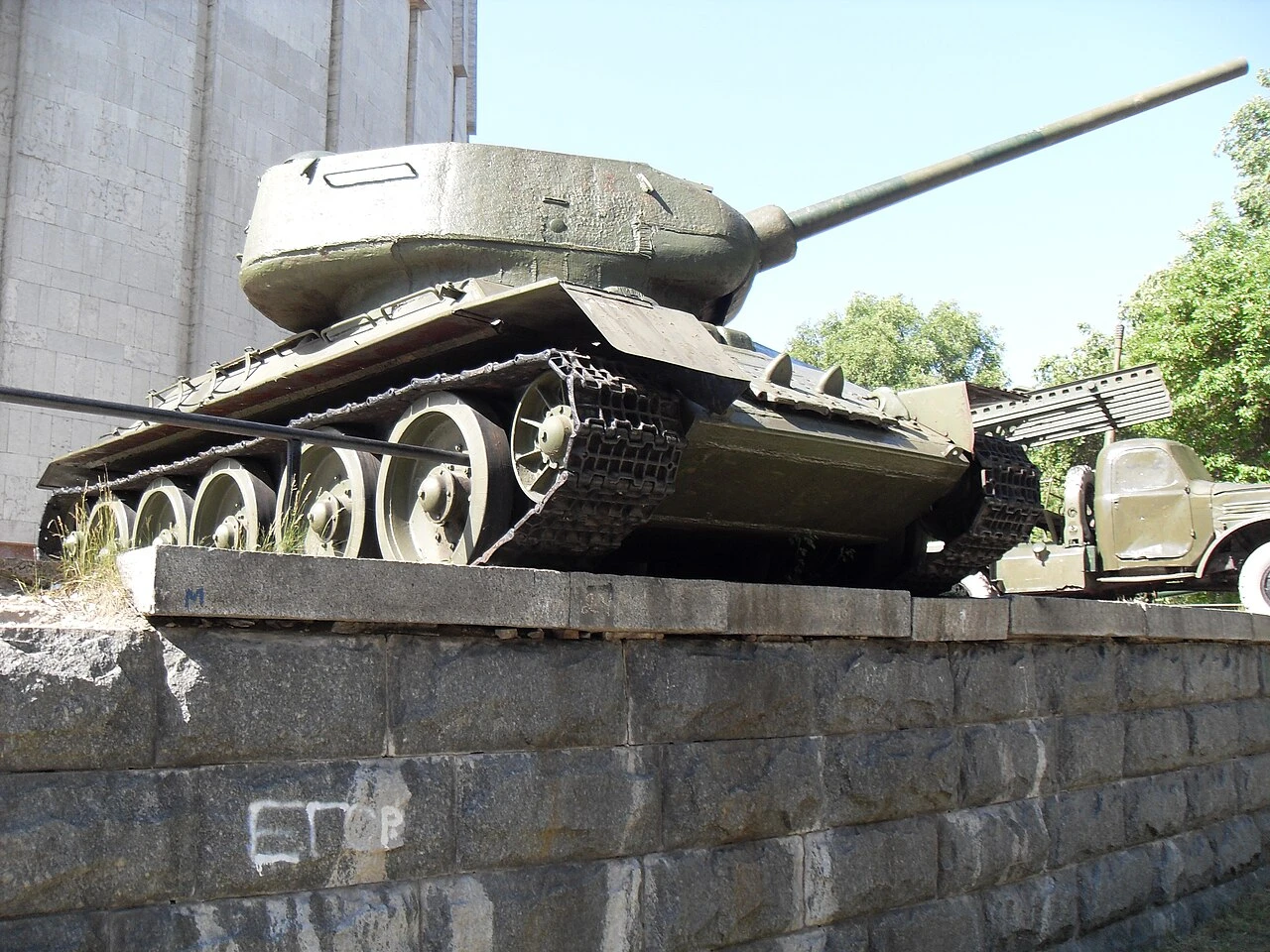
Ten thousand tanks, and nothing on paper
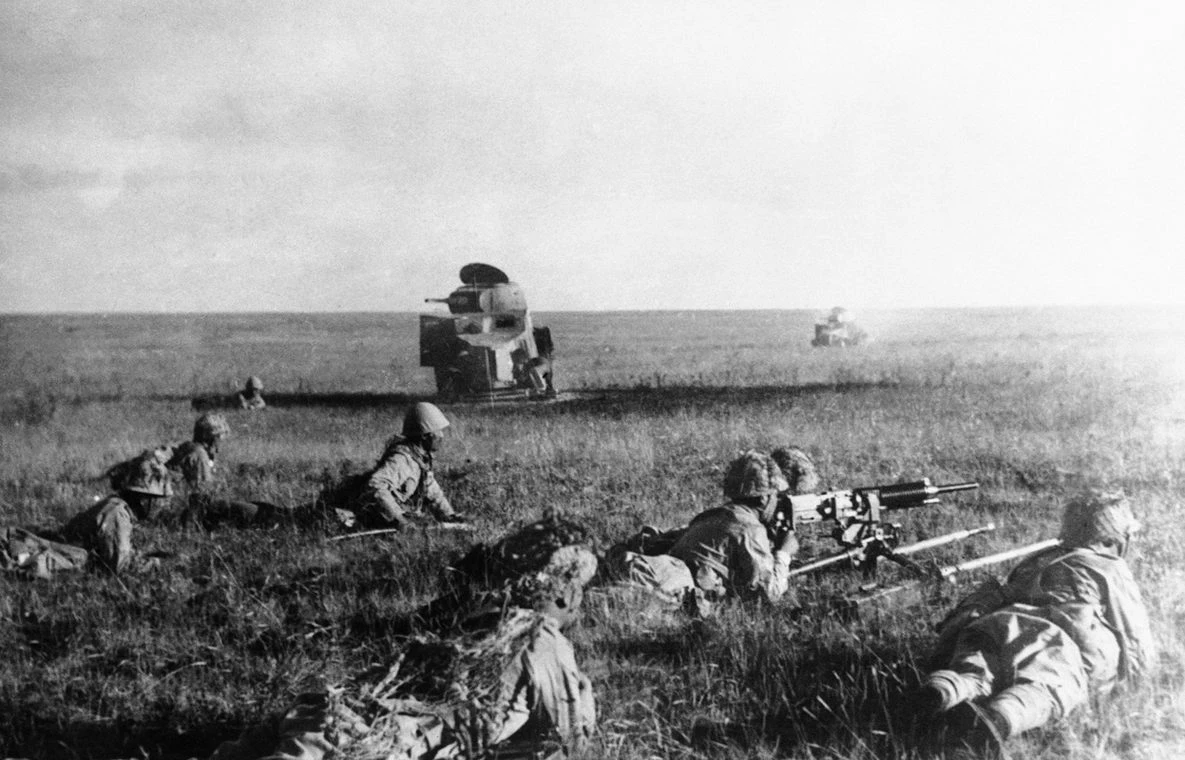
Kharkiv 1939 — track or wheel?
Harriman in Moscow, Face to Face with Stalin
The Soviet schoolteacher facing the German advance
Japan and the Southern Resource Zone
Spanish Wolfram
Malyshev and the Tank Exodus to the Urals
British Coal for the Winter of 1939
Schnurre in Moscow — the Commercial Agreement
Dismantling a Nation
Ten thousand tanks, and nothing on paper