
Kaiser, the Rivet and the Electric Arc
is not a man of the sea. A builder of dams, bridges and roads, he has entered shipbuilding by setting up his Richmond yards on San Francisco Bay to produce cargo ships at a rate the traditional shipbuilding industry deems impossible.
The trade demands riveting: skilled crews assemble the plates one by one, on the slipway, over many months. But Kaiser lacks experienced riveters and wants to transpose the methods of mass production: prefabrication of large sections in the workshop, parallel assembly, and electric-arc welding in place of rivets.
Riveting is proven and more tolerant of the flaws of an inexperienced workforce, but it is slow and adds weight to the hull. Welding promises speed and labor savings, but it is a young technique for entire hulls, and its seaworthiness has yet to be proven. Kaiser must decide.
To mass-produce his cargo ships at an unprecedented pace, which method of hull assembly should Kaiser favor?
Kaiser opted for the fully welded hull and prefabrication in sections, a decision taken in consultation with the Maritime Commission and the American Bureau of Shipping. This method dramatically reduced lead times (from several months to a few weeks) and made it possible to employ a low-skilled workforce, including many women. The downside appeared during the war: welded hulls cracked, some breaking in two. The work of later showed that the cause was the embrittlement of steel in the cold and the unimpeded propagation of cracks through a single-piece welded hull, a flaw corrected with reinforcements and better steel.
Learn more about this event
Related polls
10
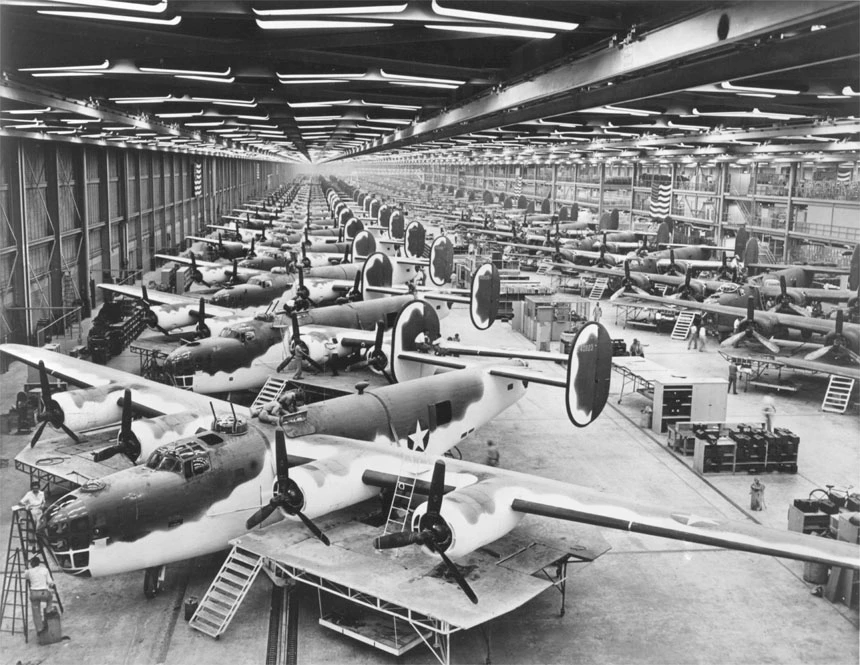
One bomber an hour: the Willow Run gamble
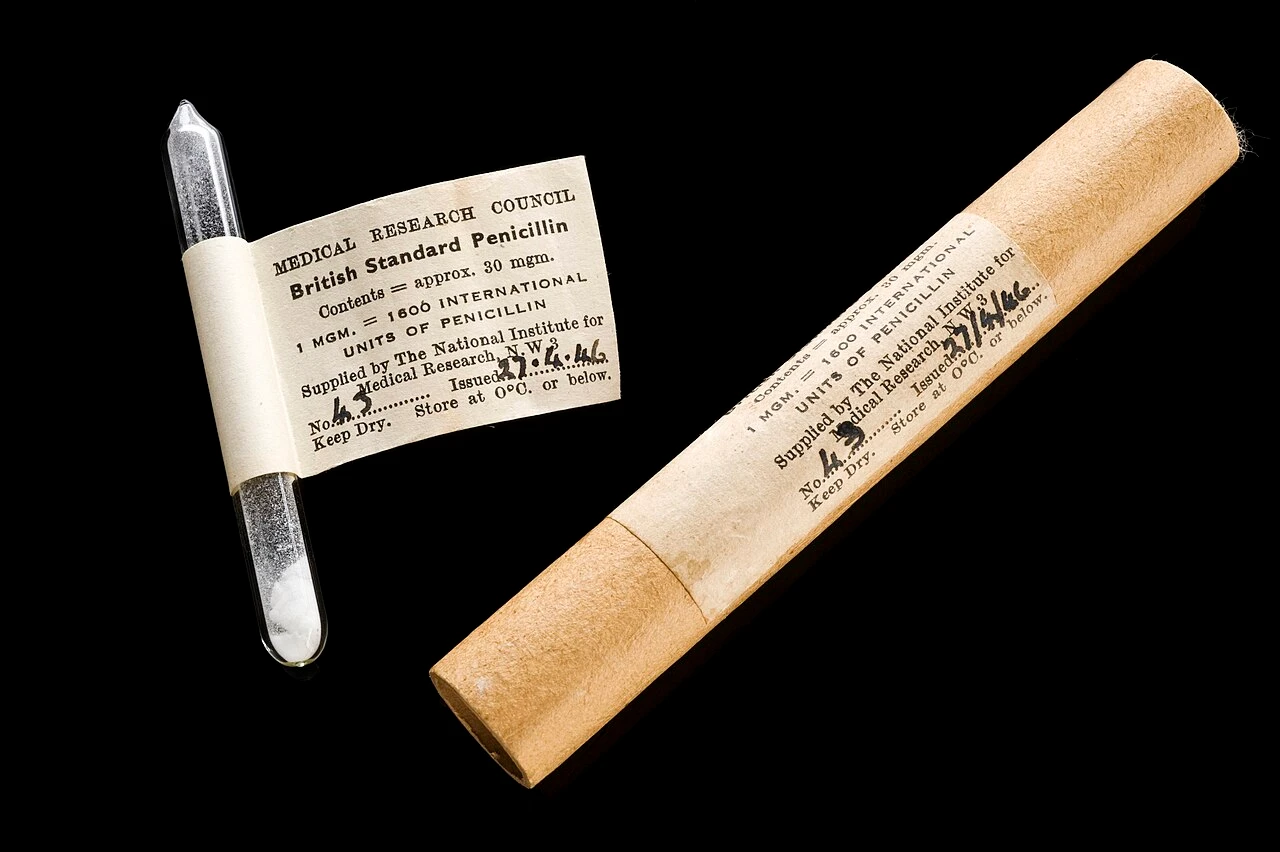
Rationing Penicillin
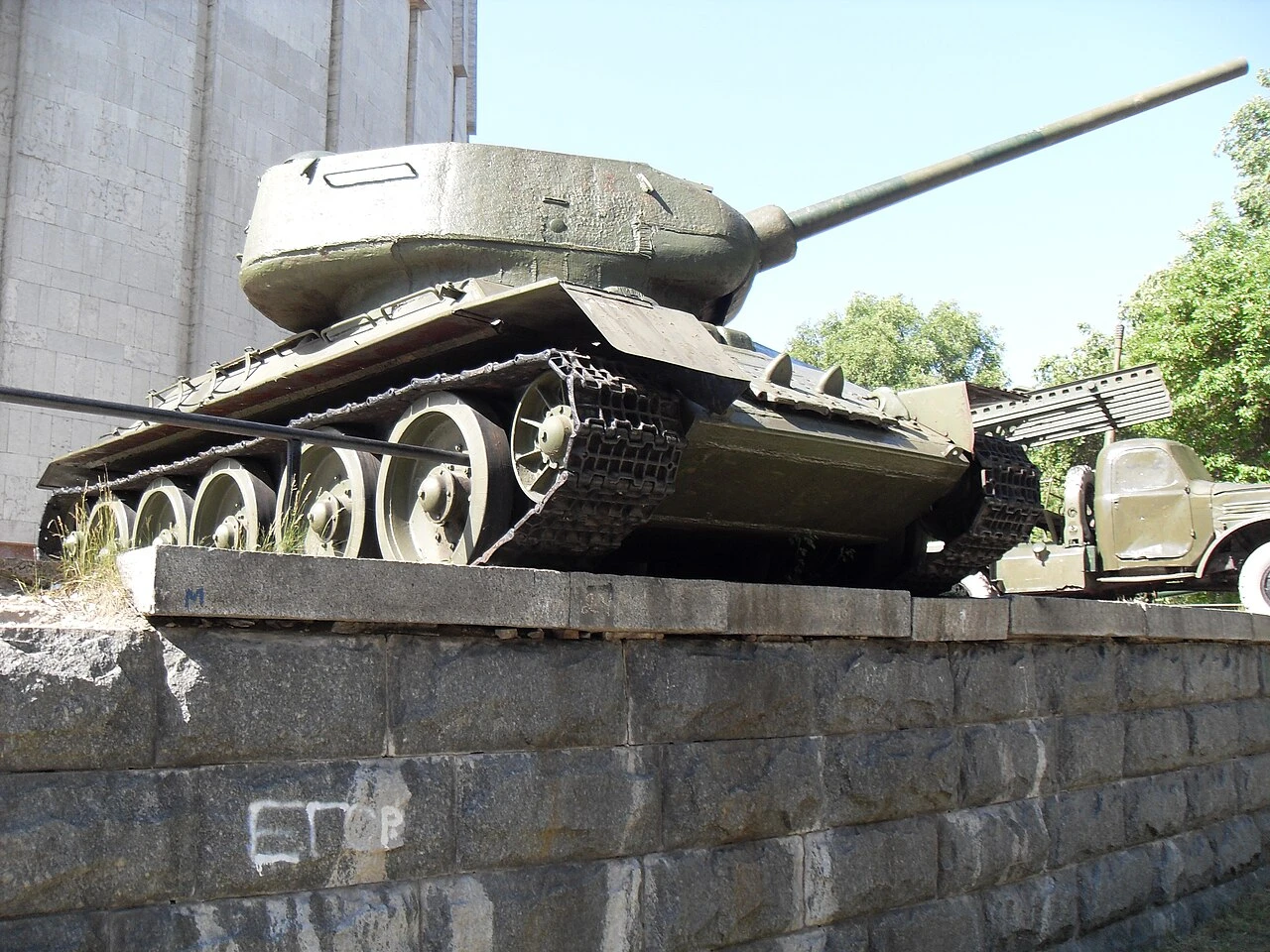
Ten thousand tanks, and nothing on paper
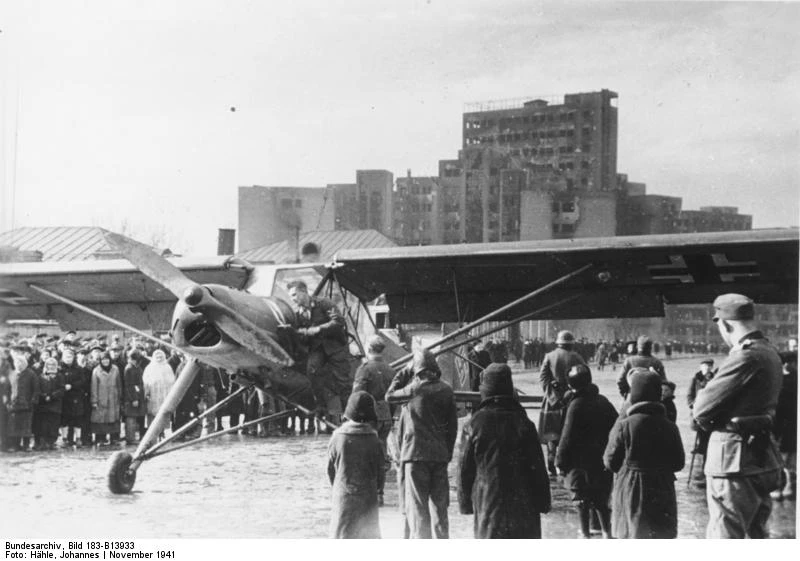
The Kharkov worker facing the dismantling of the tank factory
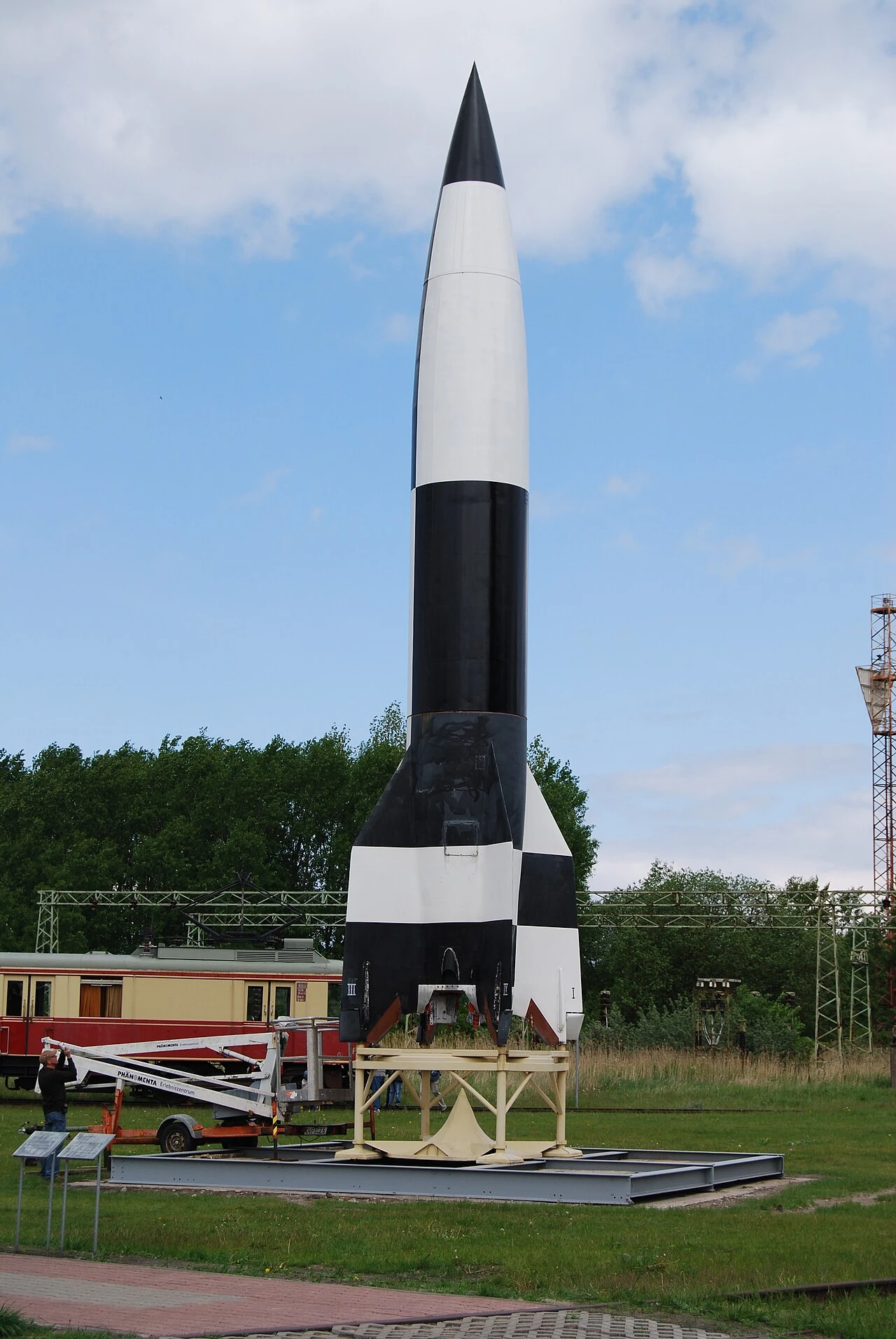
Peenemünde: producing before flying
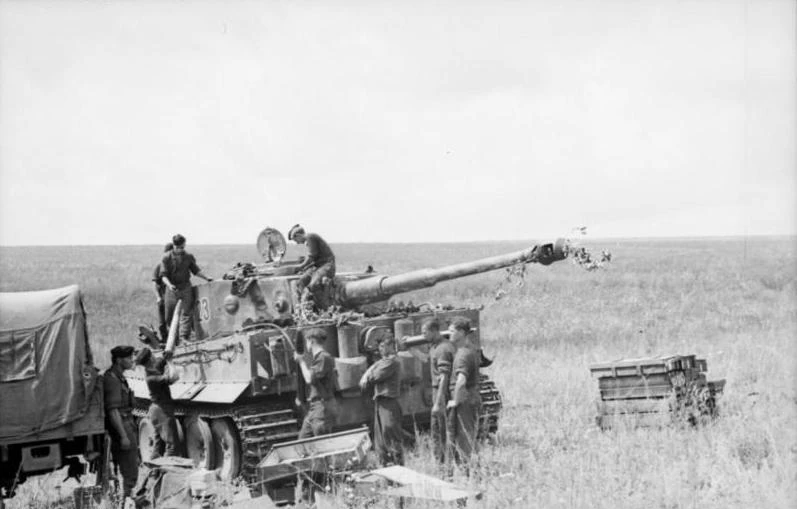
Krupp and the Beast's Cannon
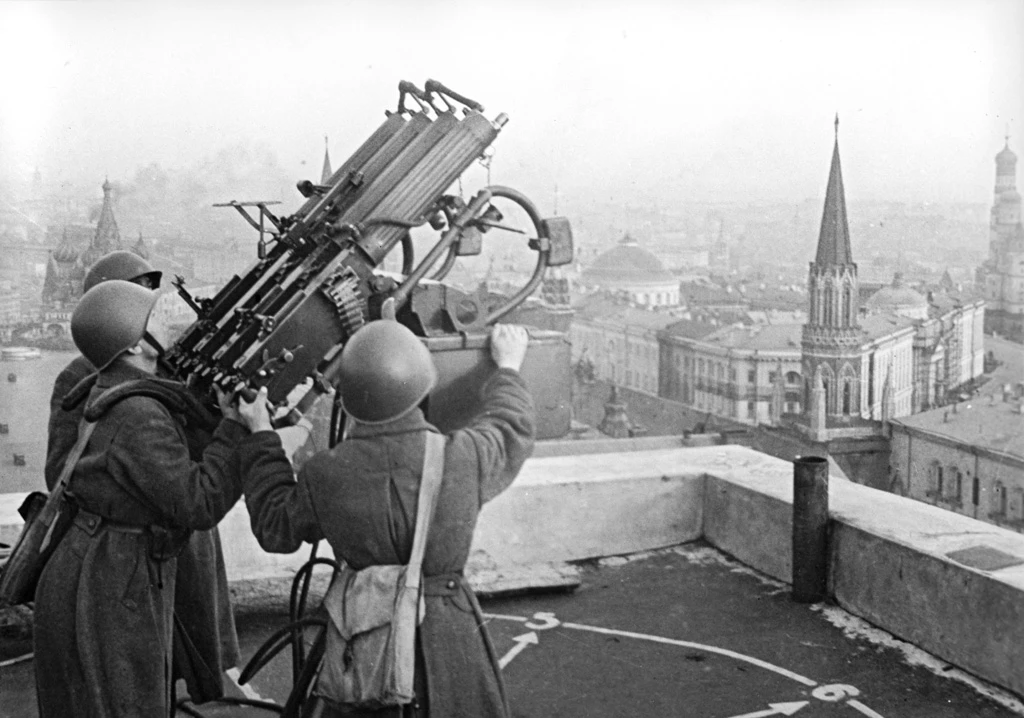
The physics student evacuated from Moscow

The Forgotten Tooling at Rock Island
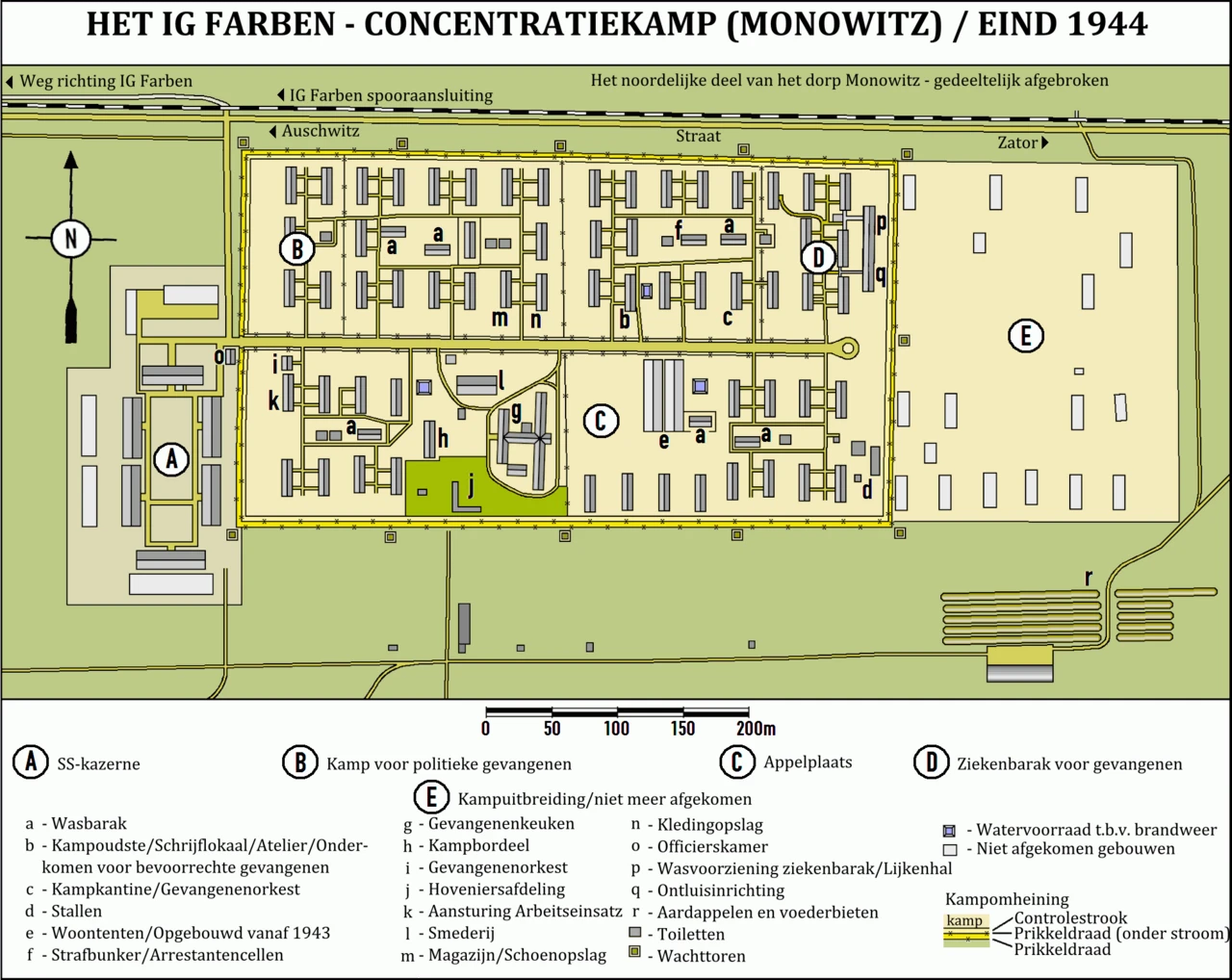
The Monowitz Construction Site
Soviet Sappers at Kharkov
One bomber an hour: the Willow Run gamble
Rationing Penicillin
Ten thousand tanks, and nothing on paper
The Kharkov worker facing the dismantling of the tank factory
Peenemünde: producing before flying
Krupp and the Beast's Cannon
The physics student evacuated from Moscow
The Forgotten Tooling at Rock Island
The Monowitz Construction Site