
The Belgrade medical student and the call of the Partisans
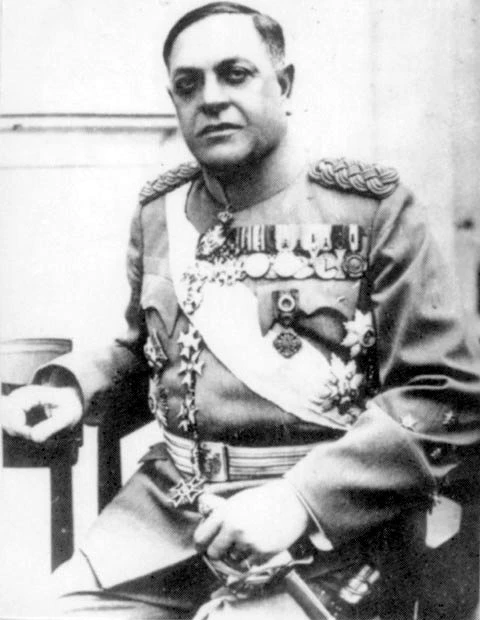
In November 1941, a medical student in Belgrade lives in a city crushed by the German occupation. Yugoslavia was dismembered in April 1941, Belgrade bombed and placed under German military administration, supplemented since 29 August by a puppet government led by General . The country is astir with resistance: should he join Tito's communist guerrillas, continue his medical studies, or flee to the countryside?
Since 7 July 1941, an uprising launched by Tito's Communist Party has set Serbia ablaze. By the autumn it has liberated an entire western territory: the "Republic of Užice", the first liberated territory in occupied Europe, with administrative bodies, a press and an arms workshop. Alongside the Partisans operate the Chetniks of , but the two movements soon fall out over what stance to take towards the occupier.
The German repression is of extreme brutality. On 16 September 1941, Keitel orders the execution of 50 to 100 hostages for every German soldier killed. This policy culminates in October in the massacres of Kraljevo and Kragujevac: at Kragujevac, nearly 2,800 victims, including 144 secondary-school pupils rounded up from their school benches. For a medical student, resistance has a concrete meaning: the detachments are cruelly short of medical personnel.
Should this student join the Partisans, continue his studies under the occupation, or flee the city?
Thousands of students and young Yugoslavs joined the Partisans in 1941, many driven by the terror of German reprisals after the massacres of Kraljevo and Kragujevac. The national liberation movement led by Tito had very harsh beginnings: the Republic of Užice was crushed as early as December 1941 and the Partisans forced to fall back towards Bosnia. But the movement survived and grew until, by 1945, it numbered an army of several hundred thousand fighters that liberated the country.
Learn more about this event
Related polls
10
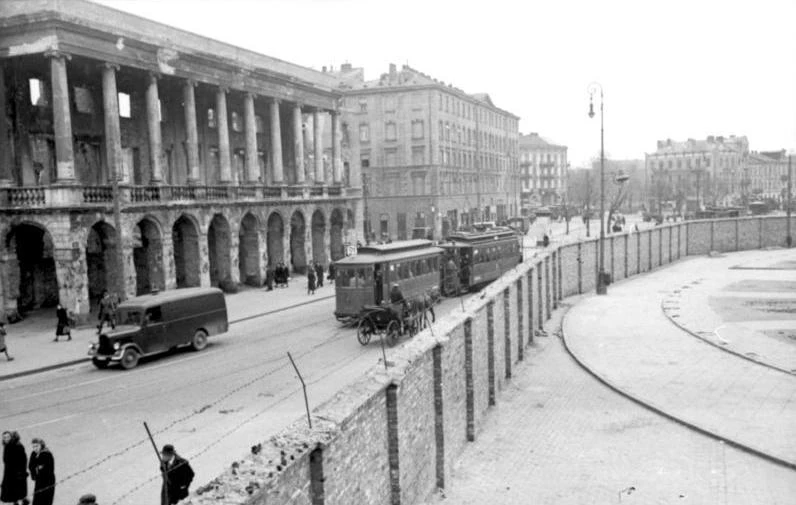
Studying in the Warsaw Ghetto
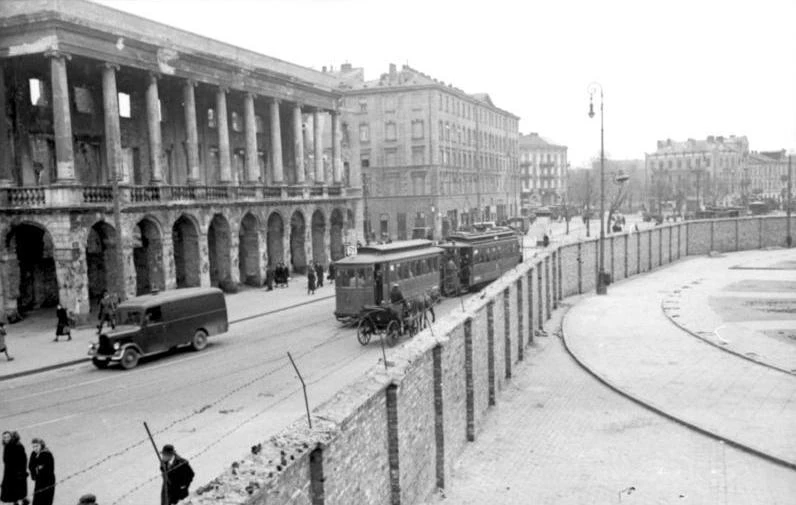
Clandestine teaching in the Warsaw Ghetto
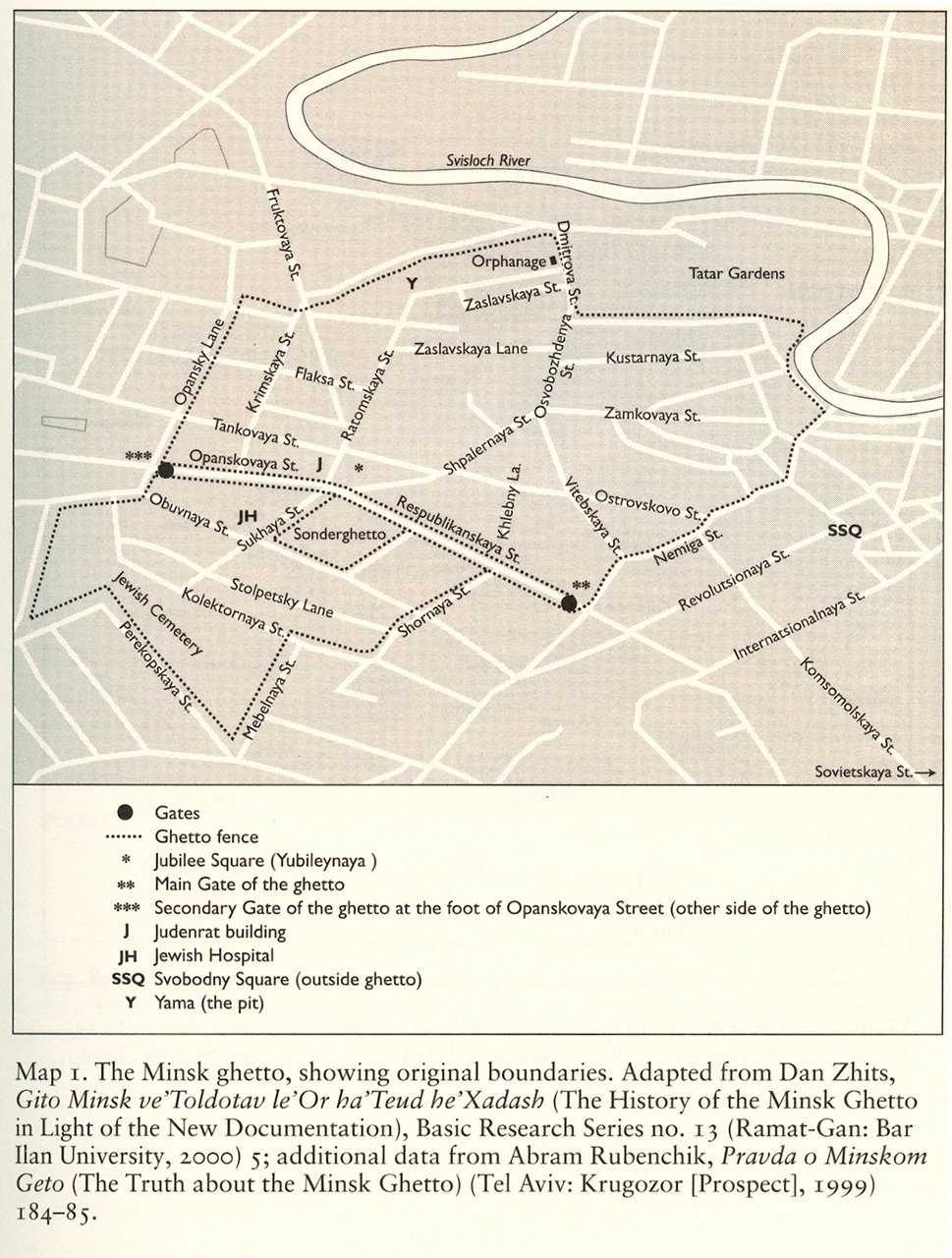
A young Belarusian woman in occupied Minsk
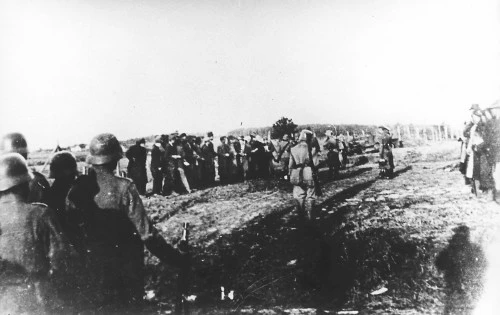
Denouncing the partisans under the terror of reprisals in Serbia
The Belgrade schoolteacher under the occupation
The Jewish Schoolteacher of Kazimierz
The Banned Czech University
The Warsaw Ghetto — the temptation of informing
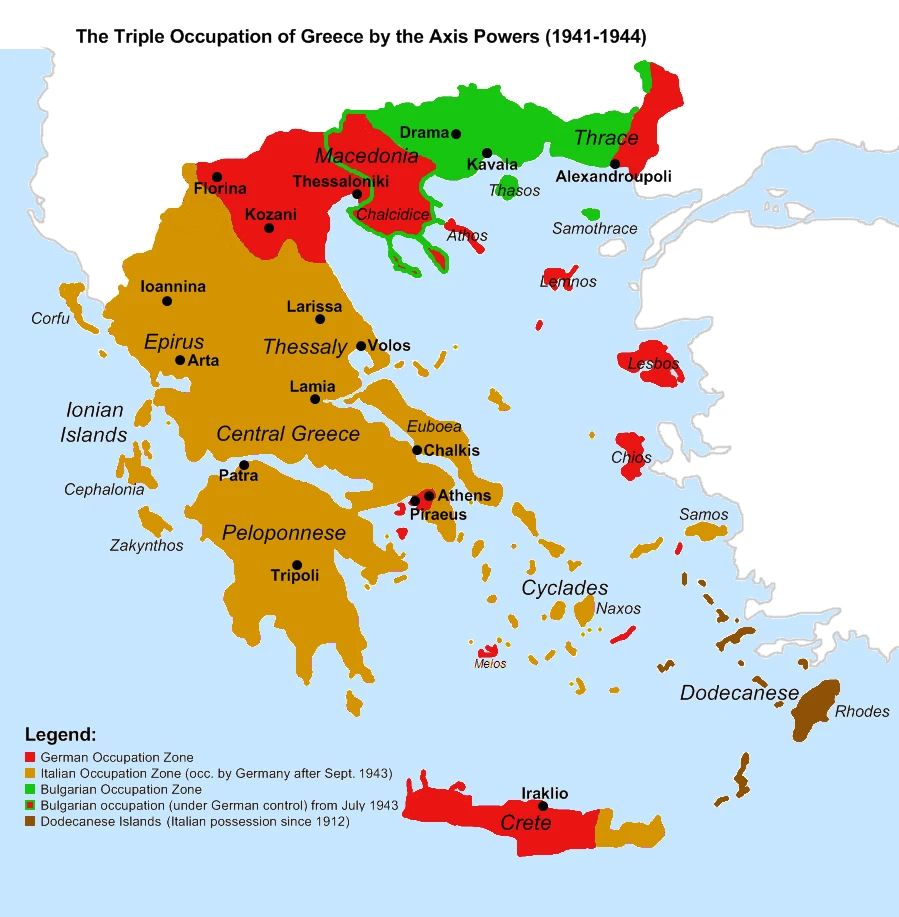
Athens, the Winter of Hunger
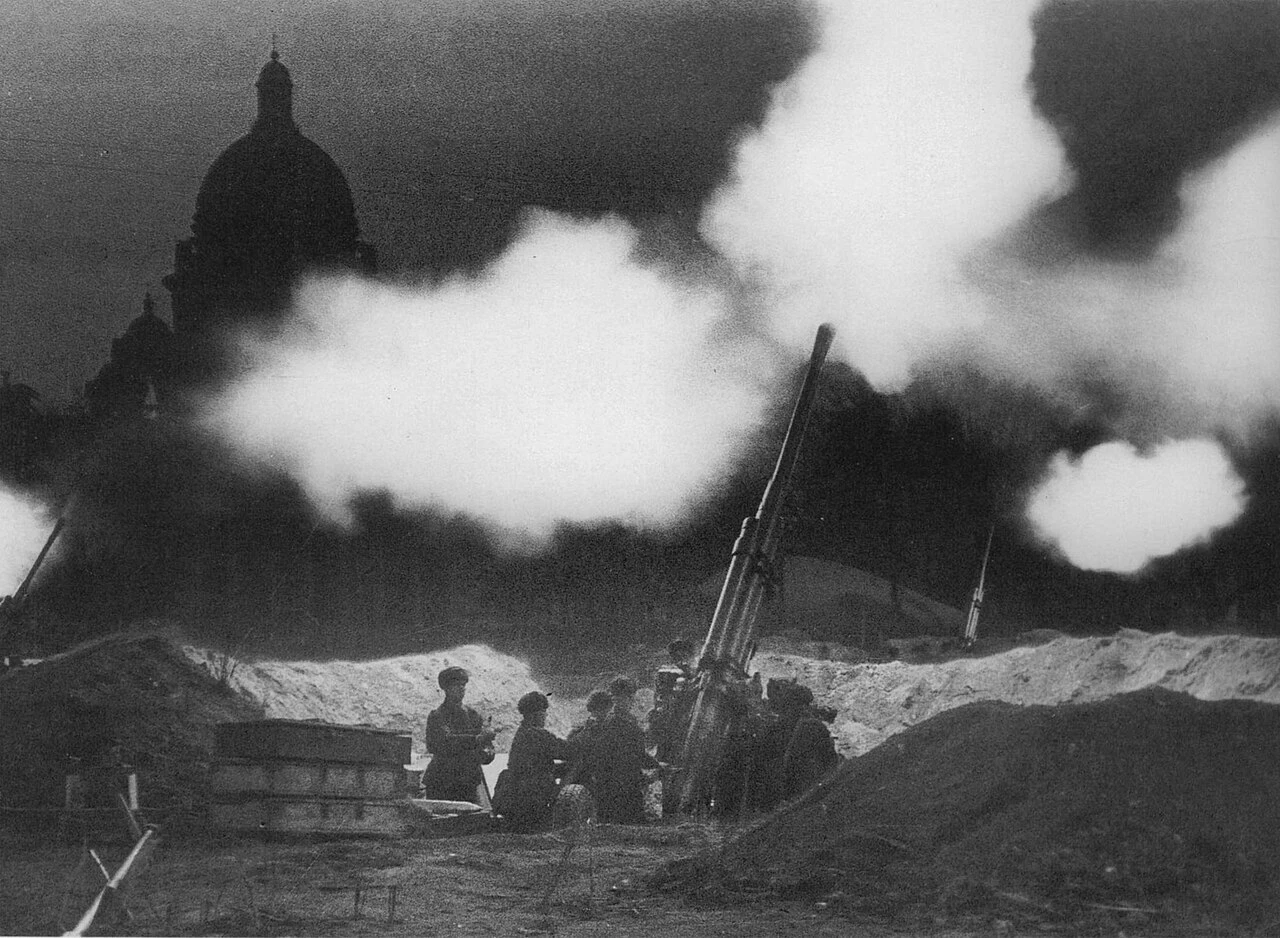
Leningrad besieged: hunger as a weapon
Studying in the Warsaw Ghetto
Clandestine teaching in the Warsaw Ghetto
A young Belarusian woman in occupied Minsk
Denouncing the partisans under the terror of reprisals in Serbia
The Belgrade schoolteacher under the occupation
The Jewish Schoolteacher of Kazimierz
The Banned Czech University
The Warsaw Ghetto — the temptation of informing
Athens, the Winter of Hunger