
Brest — the Encircled Fortress
At dawn on 22 June 1941, the fortress of Brest-Litovsk, on the very border of the USSR and occupied Poland, is one of the very first objectives of Barbarossa. The counts on taking it in a few hours. But the Soviet garrison — a few thousand men of various units, caught as they rose from bed, with their families inside the walls — refuses to surrender.
Cut off from the rest of the from the first hours, without water or supplies as the siege tightens, the defenders gather around determined officers like Major . The enemy pounds them with heavy artillery and flamethrowers, and drops summonses to surrender. Water runs short: defenders crawl at night to the river under fire to bring back a few canteens, while the wounded pile up in the cellars.
For these encircled men, with no hope of relief, the choice is extreme: surrender to spare the survivors, including the wounded and the families; attempt a breakout towards the east, almost suicidal through the German lines; or go on resisting in the casemates until exhaustion, to pin down the enemy and save their honour.
Encircled and without relief, what should the defenders of Brest do?
The defenders overwhelmingly choose C. Where the Germans had hoped for a lightning capture, the fortress resists for weeks: isolated pockets are still fighting in late June and in July, some until the total exhaustion of ammunition and water. Major Gavrilov, one of the last, is captured gravely wounded in late July, after more than a month of combat. Brest has no strategic importance for the course of the invasion, but its desperate resistance, rediscovered and celebrated by the USSR in the 1950s and 1960s, becomes a major symbol of the « Great Patriotic War ». The fortress is awarded the title of « Hero Fortress ». It illustrates the Soviet combativeness that, everywhere, surprised an invader convinced of an easy victory.
Learn more about this event
Related polls
10
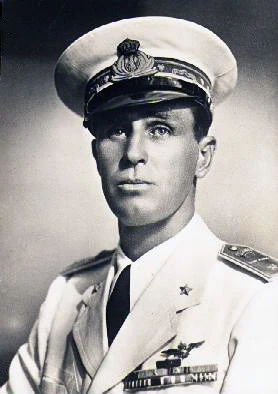
Amba Alagi — the Duke of Aosta encircled
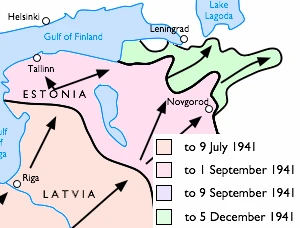
Barbarossa — 3:15 a.m.
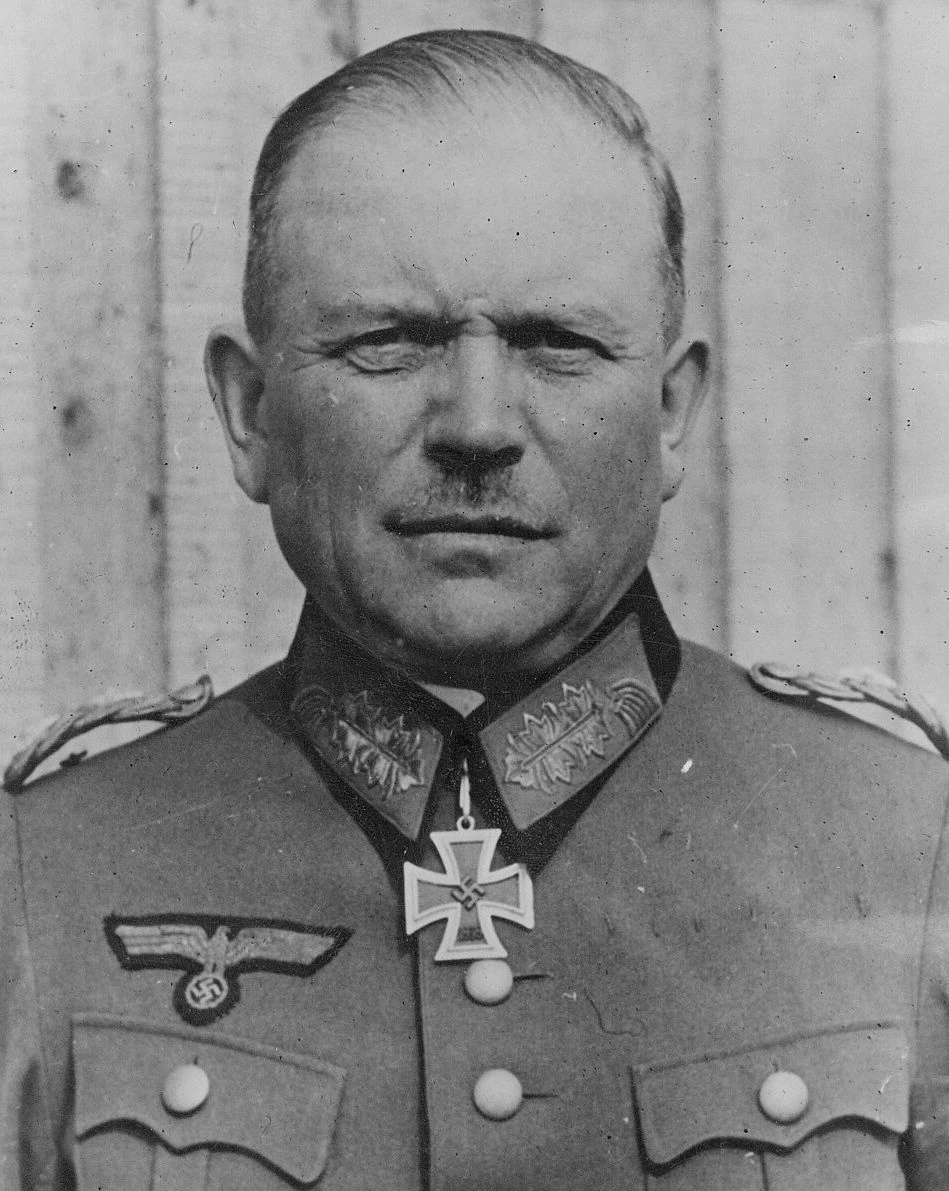
Brześć — Plisowski faces Guderian
Bulson — Lafontaine and the 02:00 rumour
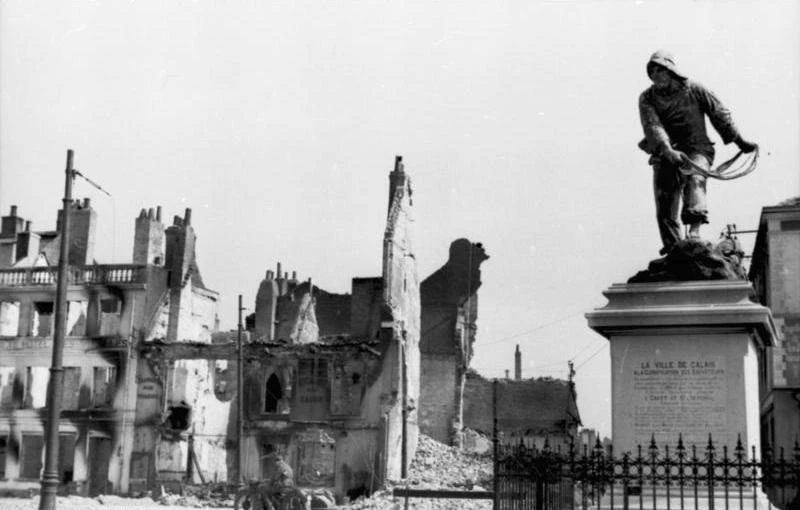
Calais — Nicholson facing the ultimatum
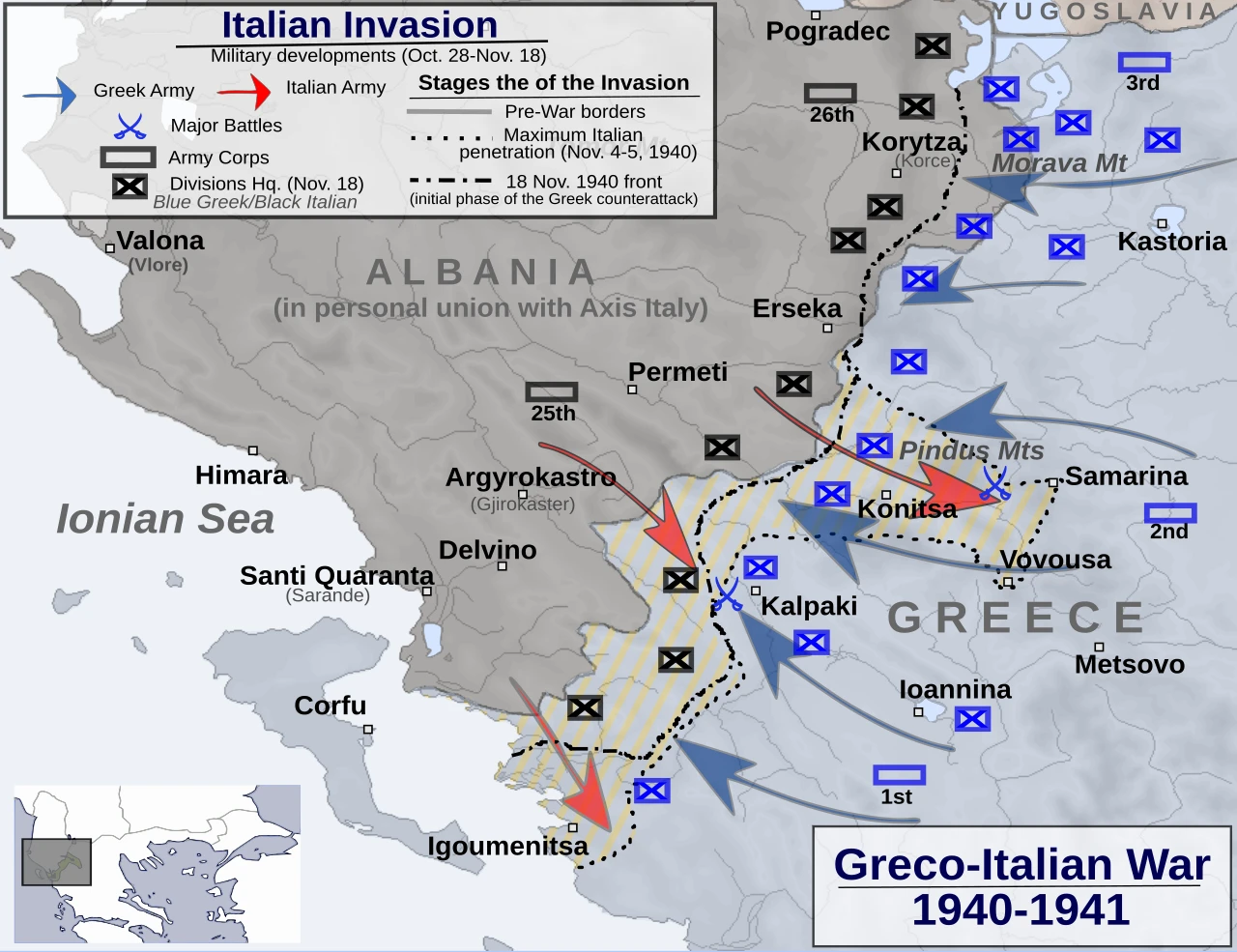
Davakis in the Pindus
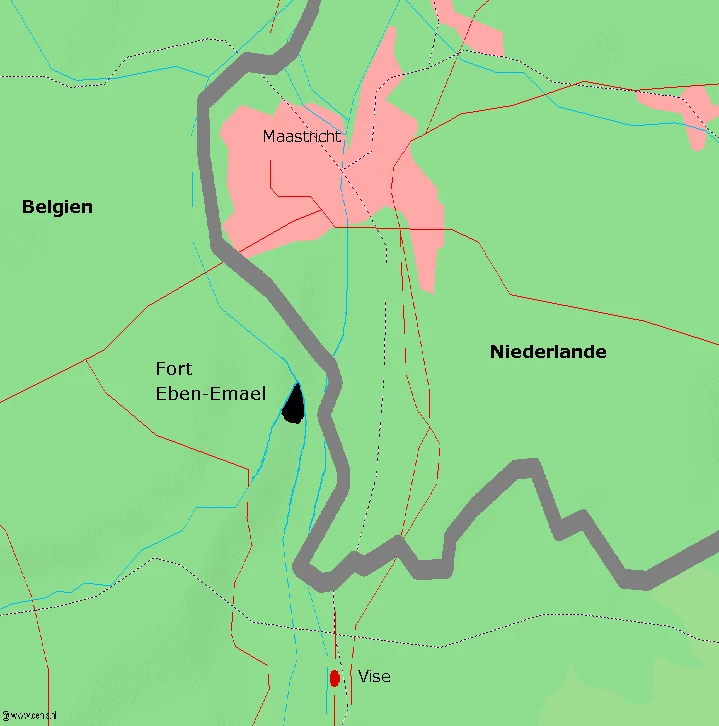
Eben-Emael — Jottrand under the explosions
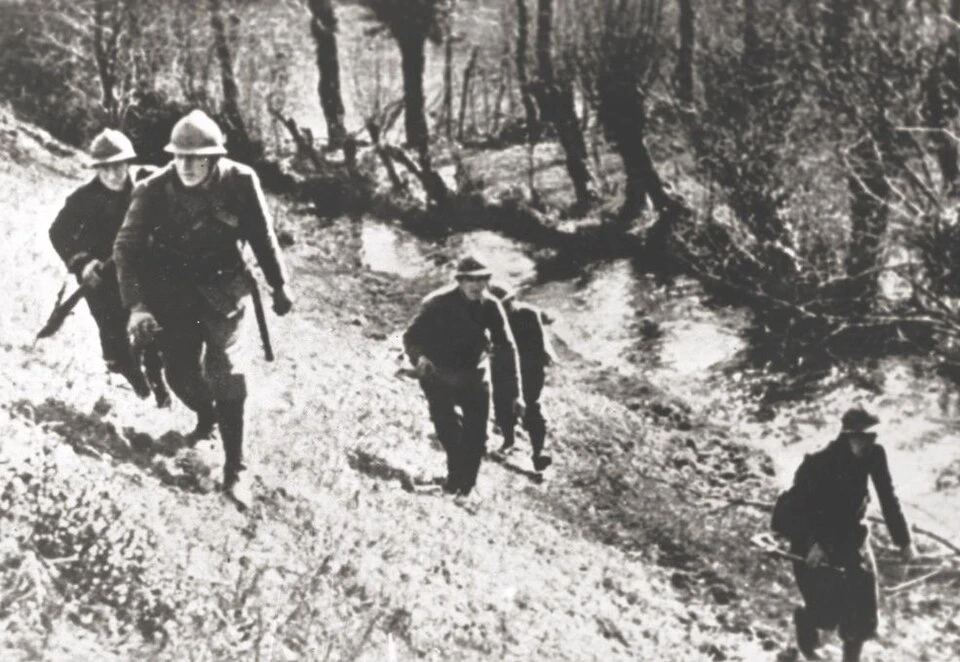
Kock — Kleeberg on the morning of 6 October
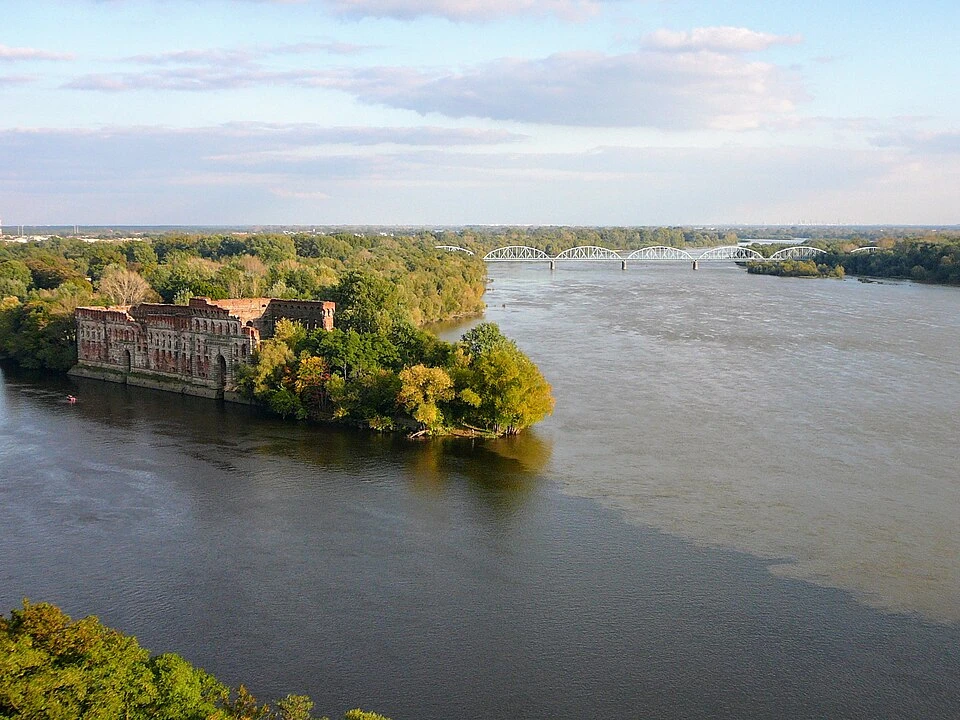
Modlin — Thommée at the last fortress
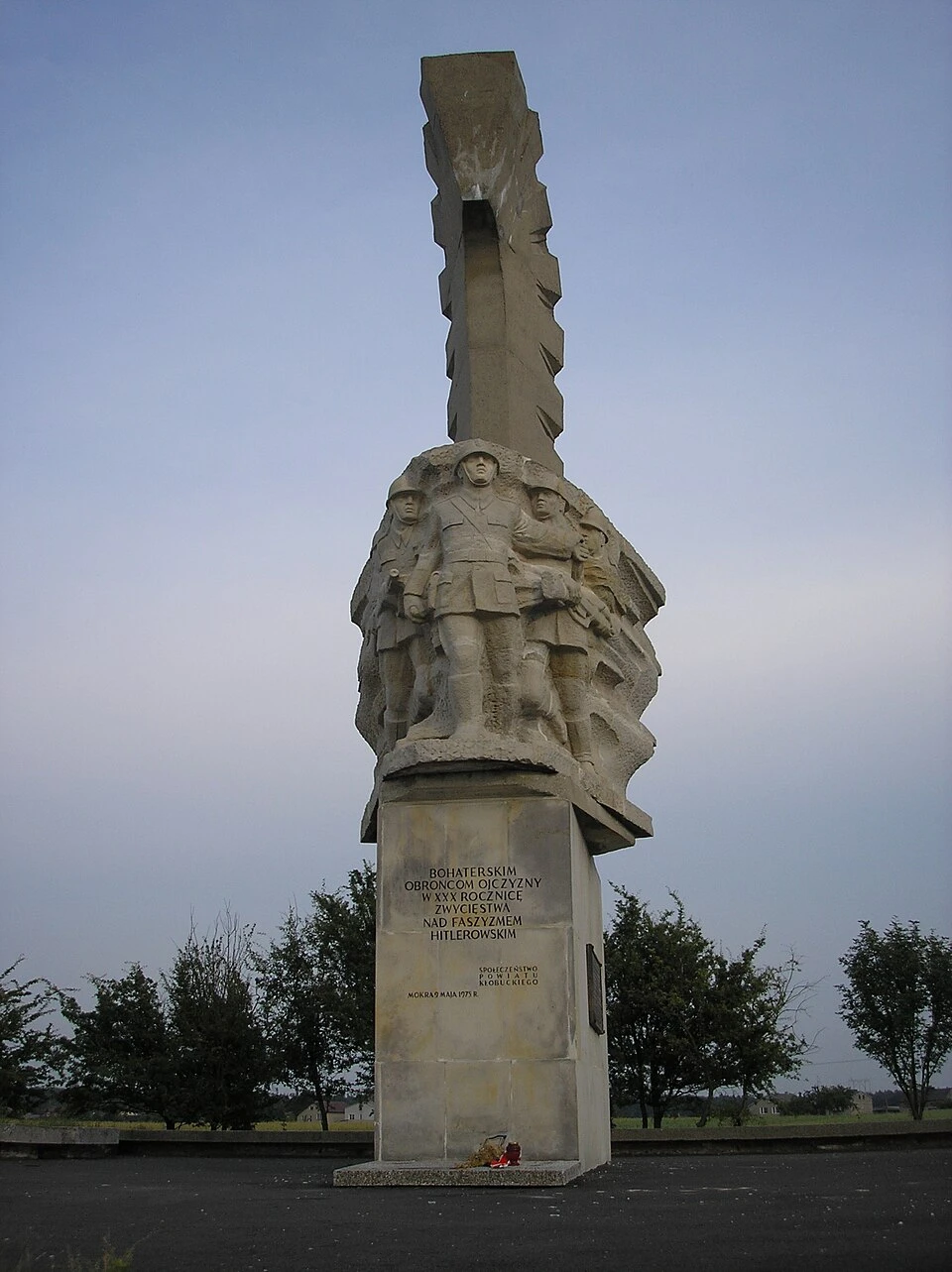
Mokra — Filipowicz and the Volhynian Brigade
Amba Alagi — the Duke of Aosta encircled
Barbarossa — 3:15 a.m.
Brześć — Plisowski faces Guderian
Bulson — Lafontaine and the 02:00 rumour
Calais — Nicholson facing the ultimatum
Davakis in the Pindus
Eben-Emael — Jottrand under the explosions
Kock — Kleeberg on the morning of 6 October
Modlin — Thommée at the last fortress