
Castle Bromwich: car assembly lines to build the Spitfire
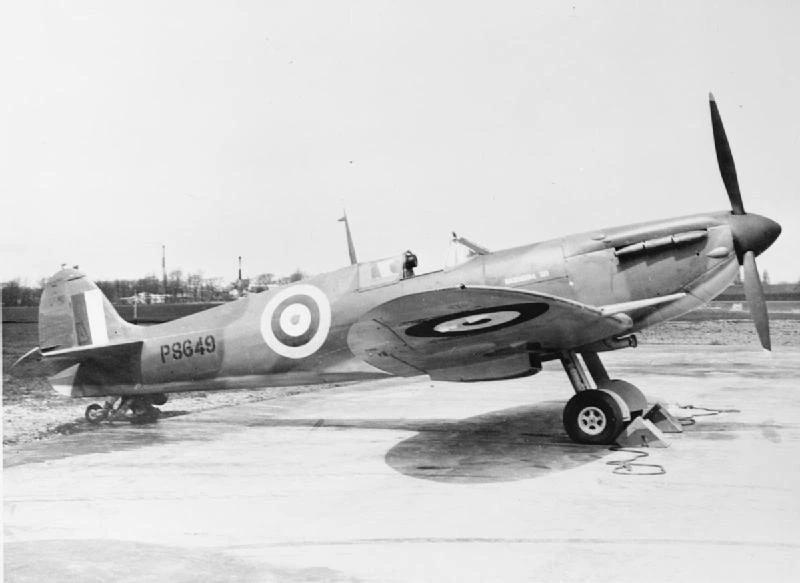
Under the Shadow Factory Scheme, in 1938 the British government had entrusted the Nuffield Organization (Morris Motors) with a vast new factory at Castle Bromwich, near Birmingham, to mass-produce the Supermarine Spitfire fighter. The idea: transpose the methods of the automobile assembly line, modern tooling, and Birmingham's workforce to aviation.
Nuffield had promised a thousand Spitfires by June 1940. But the Spitfire, designed for precision assembly by skilled workers, resisted car production methods. Labour disputes, unsuitable drawings and jigs, automotive managers out of their depth: by the spring of 1940, while the Battle of France was raging, not a single Spitfire had come out of the factory.
, appointed Minister of Aircraft Production, had to make an urgent decision on the future of this strategic site.
How can Spitfire production be revived at the Castle Bromwich shadow factory, paralyzed after two years without a single aircraft delivered?
In May 1940, Beaverbrook took management of Castle Bromwich away from the Nuffield Organization and handed it to Vickers-Supermarine, the very designer of the Spitfire, which applied its own aircraft assembly methods. The first Spitfires (10 examples of the Mk II) finally came out in June 1940, 23 in July, 37 in August, 56 in September; the factory then became the principal Spitfire production centre during the war.
Learn more about this event
Related polls
10
The Tizard Mission's Trunk for America
The Shadow Factories
Winter rationing
British Coal for the Winter of 1939
The Minister, the Fleet and the Empty Plates
British rationing put to the test in 1941
British Clothes Rationing
The Belgian railways under occupation
The Pits Run Dry — Bevin and the Coal of 1941
Operation Pied Piper — Womersley and the evacuation
The Tizard Mission's Trunk for America
The Shadow Factories
Winter rationing
British Coal for the Winter of 1939
The Minister, the Fleet and the Empty Plates
British rationing put to the test in 1941
British Clothes Rationing
The Belgian railways under occupation
The Pits Run Dry — Bevin and the Coal of 1941