
O'Connor — lost in the night near Mechili
The victor of Operation Compass, General , had been relieved of his field command and sent to rest in Egypt. When Rommel's surprise offensive threw British forces into chaos in Cyrenaica within a few days, Wavell hastily sent him back to the front — not to resume command, which had been entrusted to General Neame, but as an adviser, on account of his knowledge of the ground.
The situation deteriorated quickly: the German columns broke through, took Mechili, and the British chain of command came apart in a poorly mapped desert, at night, amid retreating units. O'Connor and Neame, travelling by car between headquarters, found themselves isolated, without escort, in an area where the enemy vanguard had already infiltrated.
On the night of 6-7 April, their vehicle lost its way. The most experienced general in the desert faced a choice apparently banal but heavy with consequence: push on in the darkness to reach a headquarters as quickly as possible and try to restore the situation; stop and wait for daylight to orient himself safely; or turn back to the rear, safer but far from the command.
What should O'Connor and Neame, lost at night in the desert, do?
The generals pushed on into the night (A) — and fell upon a patrol of German motorcyclists who captured them, along with General Combe, architect of the victory at Beda Fomm. In a single night, the took prisoner the principal Allied commanders of the theatre. The loss of O'Connor, the finest British desert tactician, was a heavy blow: Wavell would vainly offer six Italian generals in exchange. O'Connor would spend more than two years in captivity in Italy before escaping in 1943 and commanding a corps in Normandy in 1944. His capture, the fruit of the disorder bred by Rommel's audacity, deprived the British of a first-rank commander at the worst moment, just as the long siege of Tobruk was opening.
Learn more about this event
Related polls
10
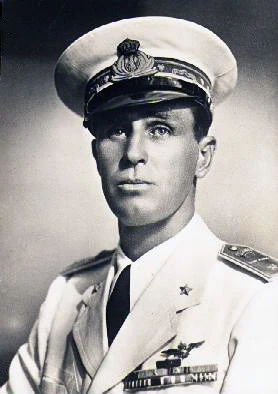
Amba Alagi — the Duke of Aosta encircled
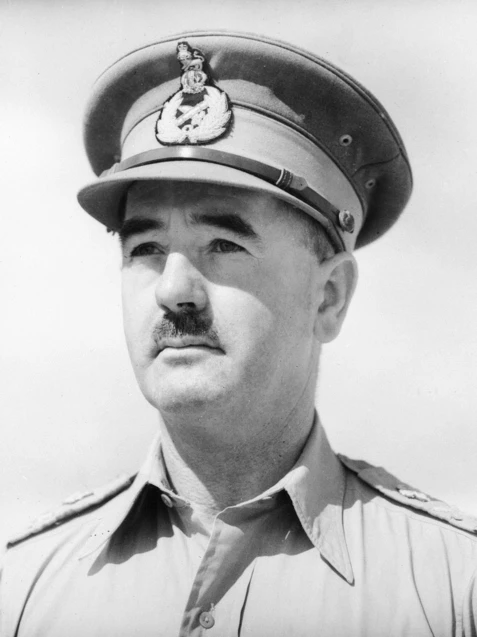
Morshead — Tobruk encircled, 10 April
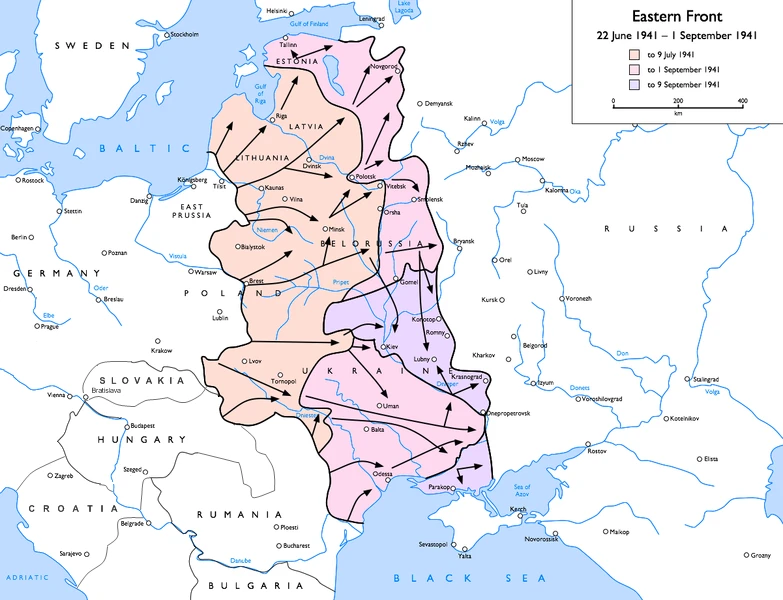
Brest — the Encircled Fortress
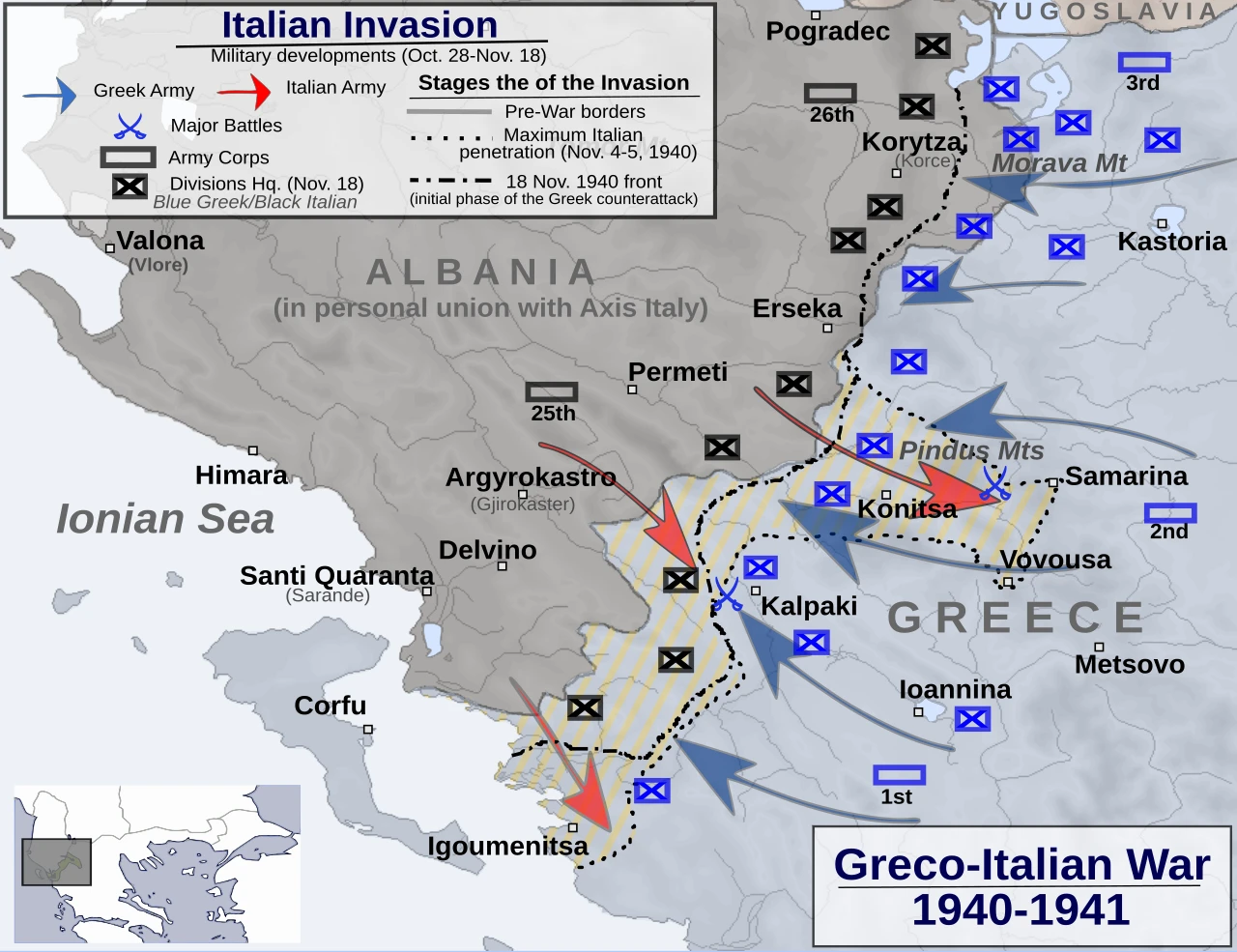
Davakis in the Pindus
Beauffrère and the 21st RIC at Dunkirk
Brześć — Plisowski faces Guderian
Bulson — Lafontaine and the 02:00 rumour
The Bzura — Kutrzeba faces the trap
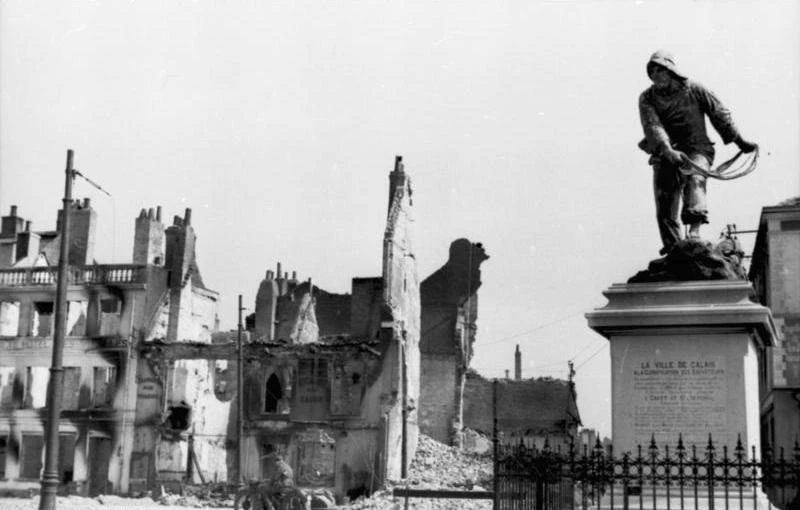
Calais — Nicholson facing the ultimatum
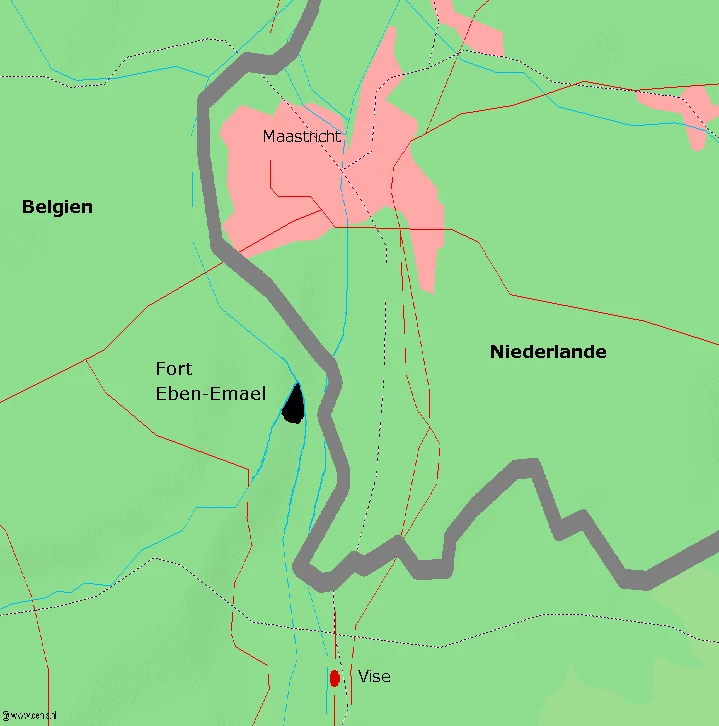
Eben-Emael — Jottrand under the explosions
Amba Alagi — the Duke of Aosta encircled
Morshead — Tobruk encircled, 10 April
Brest — the Encircled Fortress
Davakis in the Pindus
Beauffrère and the 21st RIC at Dunkirk
Brześć — Plisowski faces Guderian
Bulson — Lafontaine and the 02:00 rumour
The Bzura — Kutrzeba faces the trap
Calais — Nicholson facing the ultimatum