
Student — the airborne gamble on Crete
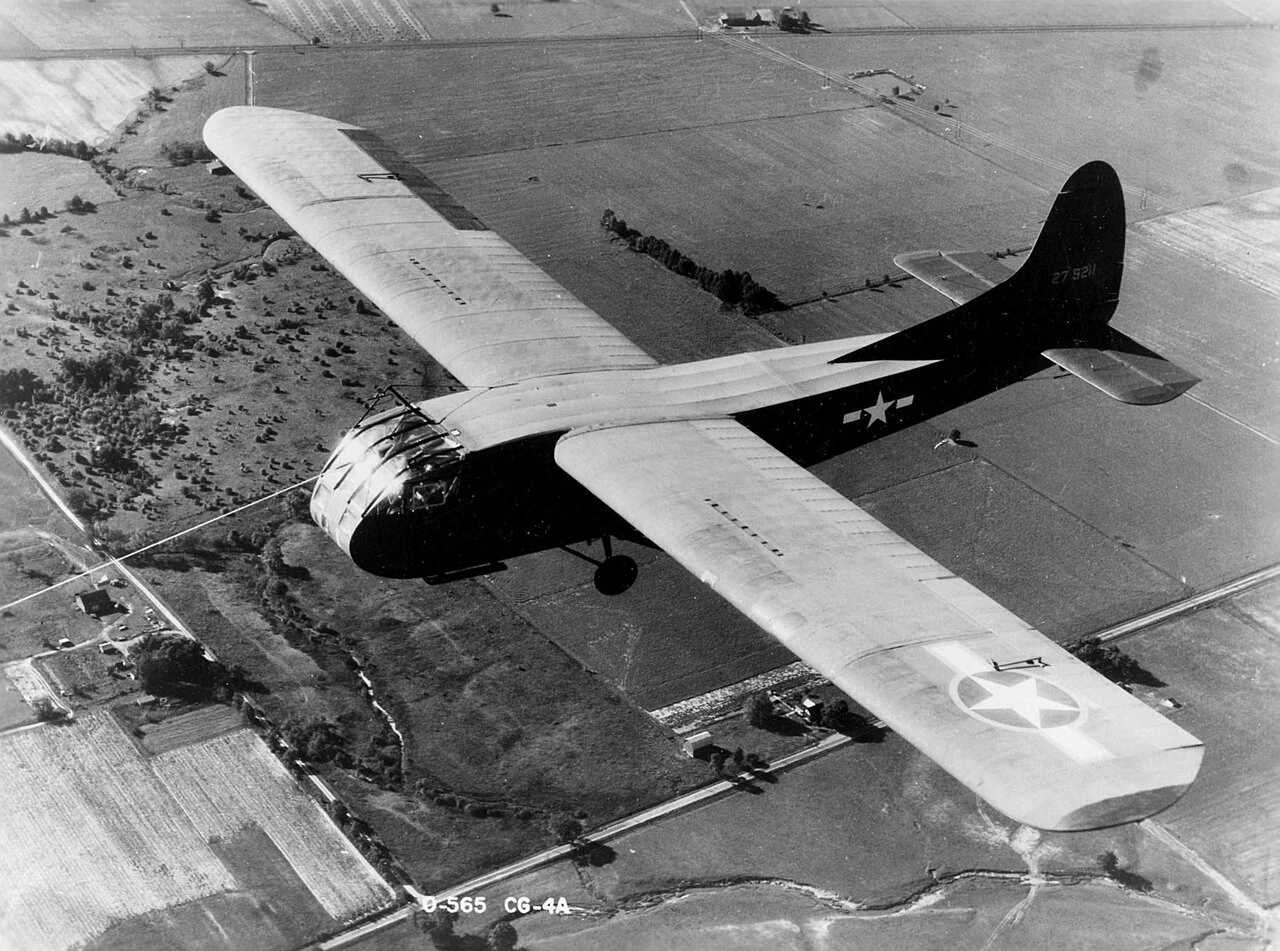
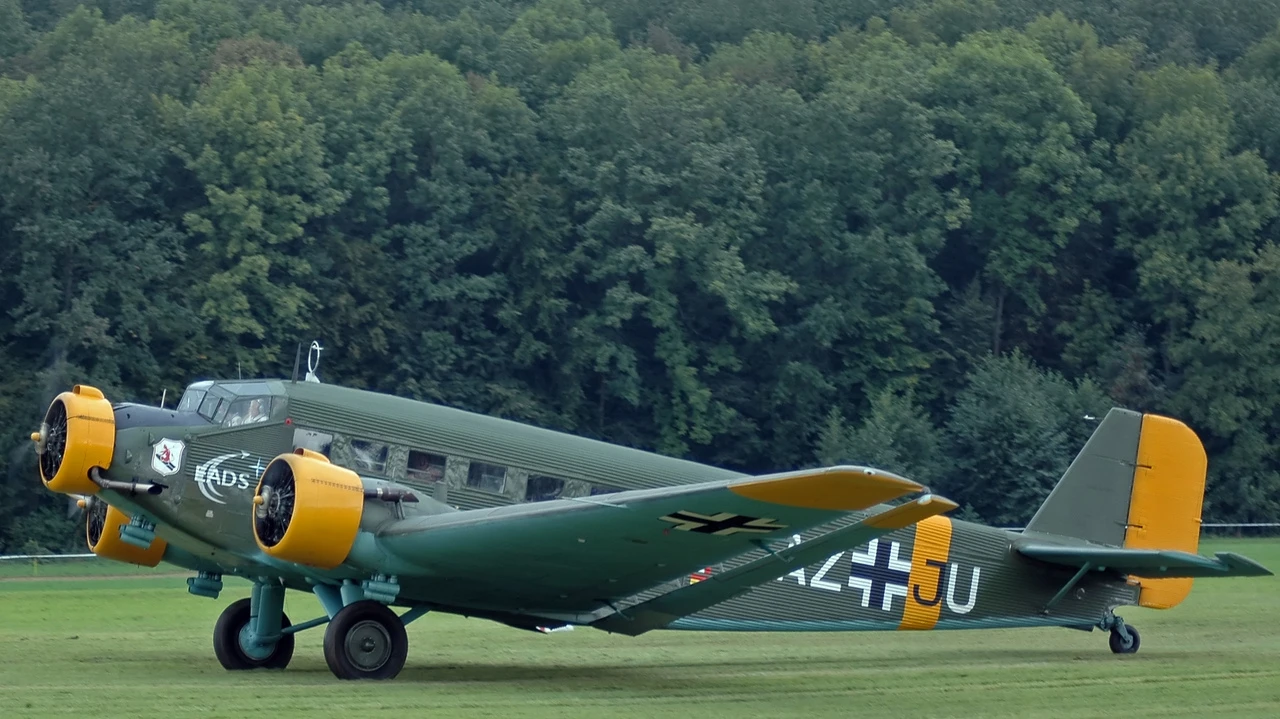
After the conquest of mainland Greece, Crete remained, a large island commanding the Eastern Mediterranean and from which the British could threaten Romanian oil. , founder of the German airborne troops, had convinced Hitler and the high command to take it by an unprecedented operation: an assault solely by air, parachutists and gliders, without prior seaborne landing — the Royal Navy dominating the sea around the island.
Operation Mercury was to drop some 22,000 men on the north of the island, where the key airfields of Maleme, Rethymnon and Heraklion are strung out, counting on surprise and air superiority. But German intelligence gravely underestimated the Allied garrison. Above all, Student did not know that the British were reading his encrypted messages and knew his plan in detail.
Student had to settle the form of the assault: spread his forces to strike the three fields at once, at the risk of being weak everywhere against a forewarned enemy; gather everything on a single decisive objective; or postpone the operation for lack of reliable intelligence. The fate of the German airborne arm, and that of thousands of elite parachutists, depended on this choice.
How should Student mount the airborne assault on Crete?
Student chose C: on 20 May 1941, the parachutists and gliders came down on all three airfields at once. The result was an initial disaster — the defenders, forewarned by Ultra, cut down the paratroopers as they descended, inflicting appalling losses on the elite German troops (nearly 2,000 dead on the first day). The operation only tipped through the capture of Maleme airfield, whose loss by the defenders allowed the Germans to land reinforcements there. Crete finally fell in early June, but at such a cost in losses that Hitler, horrified, would henceforth forbid any major German airborne operation. Paradoxically, the Allies drew the opposite lesson and would develop their own parachute divisions. Student's gamble was a Pyrrhic victory.
Learn more about this event
Related polls
10
The coup de main on Ében-Émael
Fornebu — the transports under fire
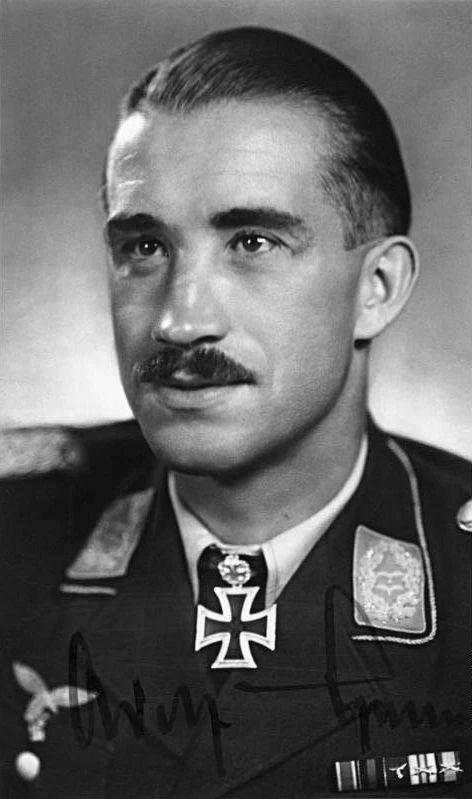
Galland over the Estuary
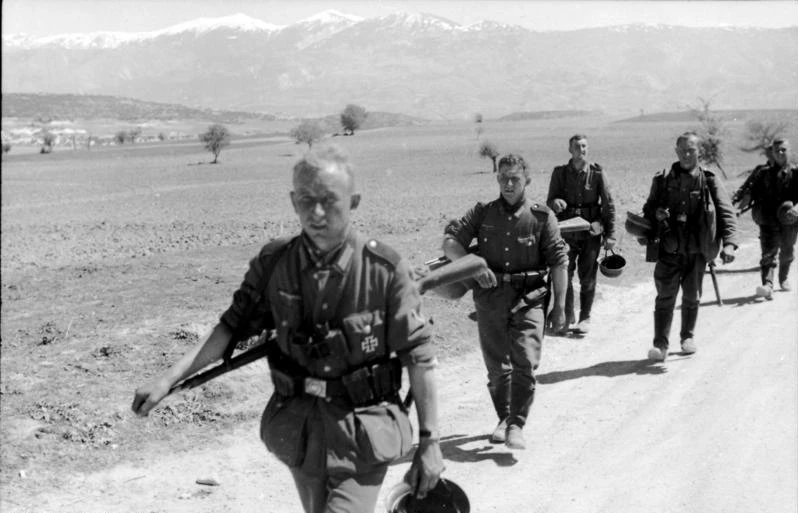
Marita — the invasion of Greece
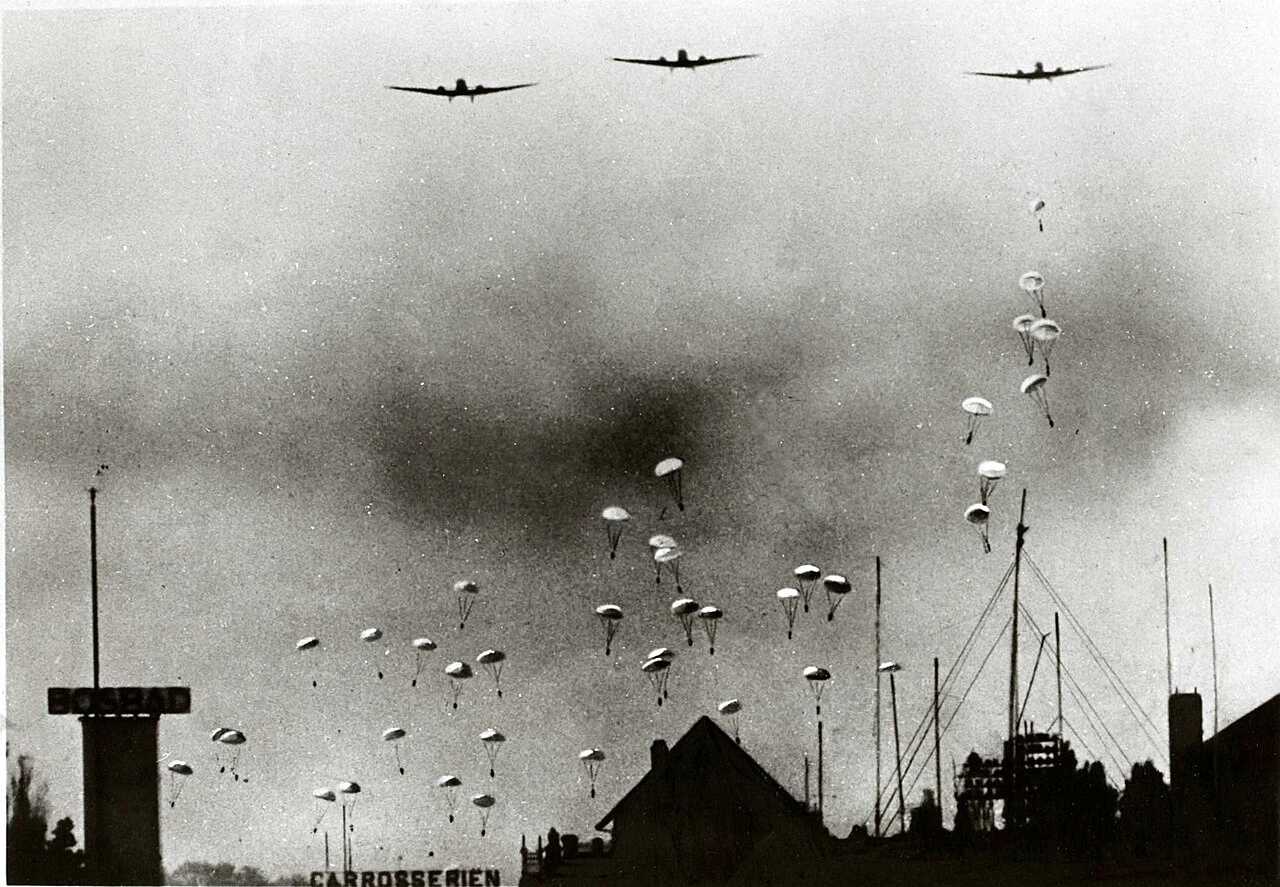
The paratroopers on The Hague
The bridges of Maastricht — the sacrifice of the Battles
Valkenburg — paras on a grass strip
Ypenburg — German paras outside The Hague
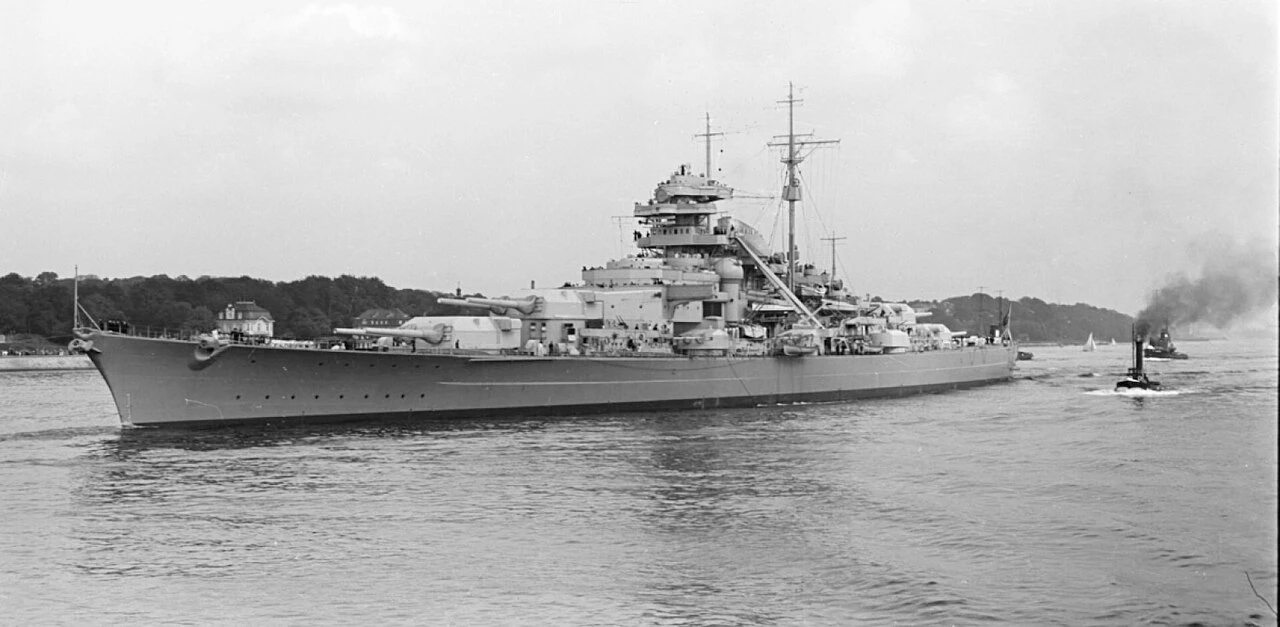
Tovey — the Bismarck running for France
Mitralexis — out of ammunition
The coup de main on Ében-Émael
Fornebu — the transports under fire
Galland over the Estuary
Marita — the invasion of Greece
The paratroopers on The Hague
The bridges of Maastricht — the sacrifice of the Battles
Valkenburg — paras on a grass strip
Ypenburg — German paras outside The Hague
Tovey — the Bismarck running for France