
Kaunas — the first pogroms
Behind the armies of Barbarossa advance four Einsatzgruppen, mobile units of the SS and police tasked with 'pacifying' the rear by exterminating Communist cadres and, increasingly, the Jews. , which follows toward the Baltic states, is commanded by SS-Brigadeführer .
At Kaunas (Kovno), a large city in Lithuania where nearly a quarter of the inhabitants are Jewish, the Soviets have just fled and the Nazi occupier arrives amid a climate of chaos. Part of the local population, marked by the year of Soviet occupation, blames the Jews for Communist repression — ground that Stahlecker scrutinizes attentively.
The Einsatzgruppe commander must choose the method for the killing that lies ahead: have his own men carry out the executions himself, openly; covertly incite Lithuanian auxiliaries to conduct 'spontaneous pogroms', so as to give the violence the appearance of popular anger and mask German responsibility; or confine himself for now to Communist cadres alone. The choice will set the template for the massacres to come throughout the East.
What method does Stahlecker adopt to trigger the massacres at Kaunas?
Stahlecker favours C at first. From 25 June 1941, Lithuanian auxiliaries, encouraged and directed by the Germans, unleash pogroms at Kaunas — the scene at the Lietūkis garage, where dozens of Jews are beaten to death before onlookers, will remain its atrocious image. Stahlecker will congratulate himself in his reports on having instigated 'self-cleansing' violence while preparing systematic extermination. Very soon the Einsatzgruppen move to mass shootings organized by the Germans with the assistance of local auxiliaries, which become widespread (Lithuania, Latvia, Ukraine). This is the beginning of the 'Holocaust by bullets', which will claim around two million Jewish victims even before the gas chambers became general. Kaunas marks its threshold.
Learn more about this event
Related polls
10
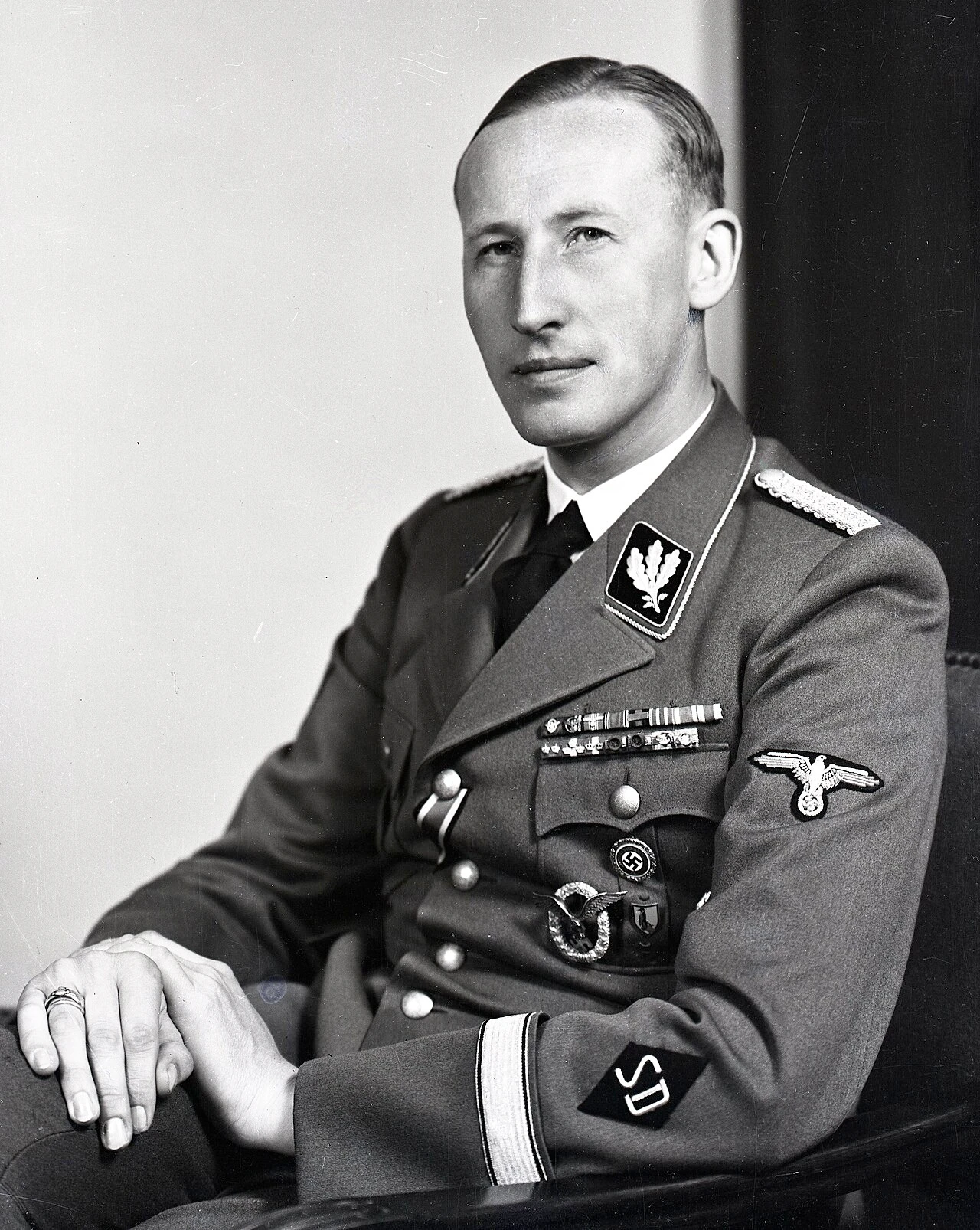
Heydrich's mandate
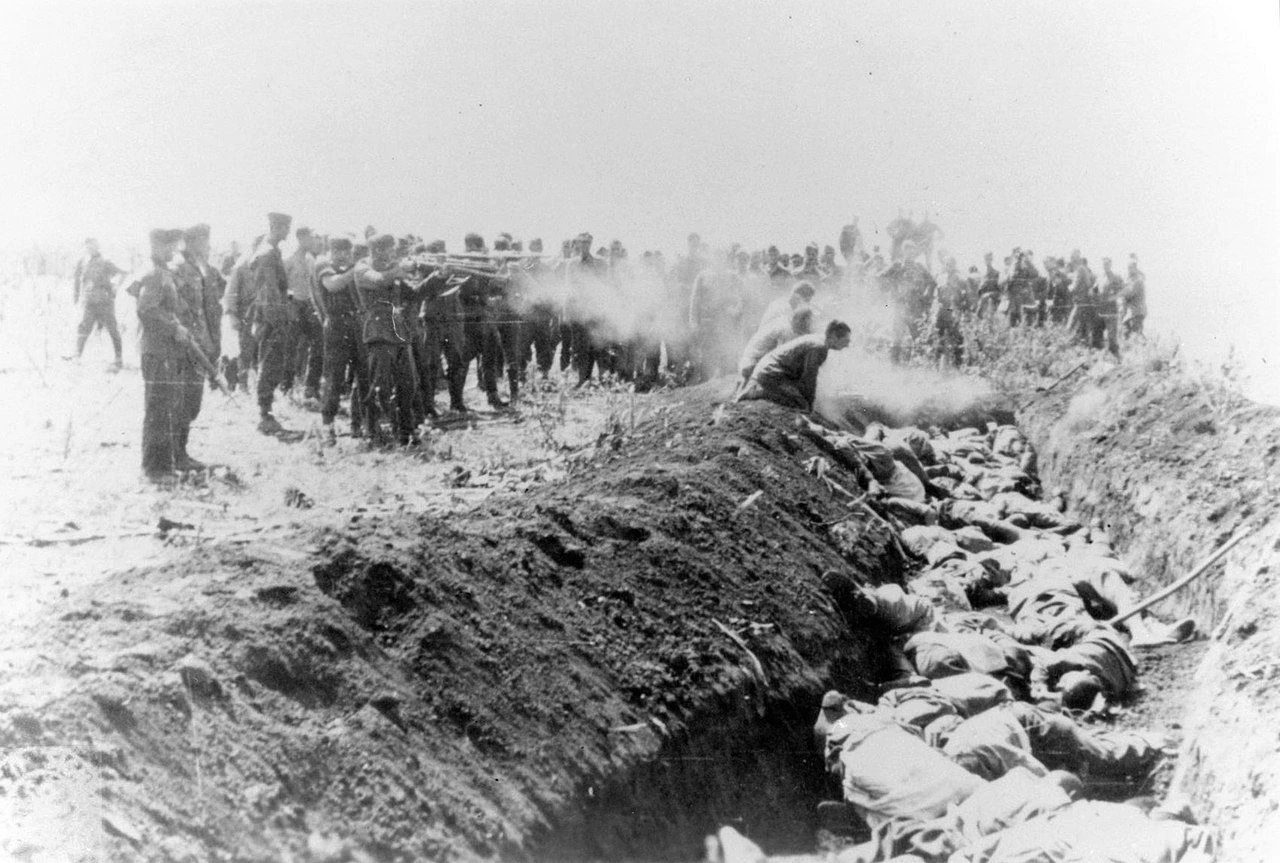
Heydrich — the Conference of 21 September
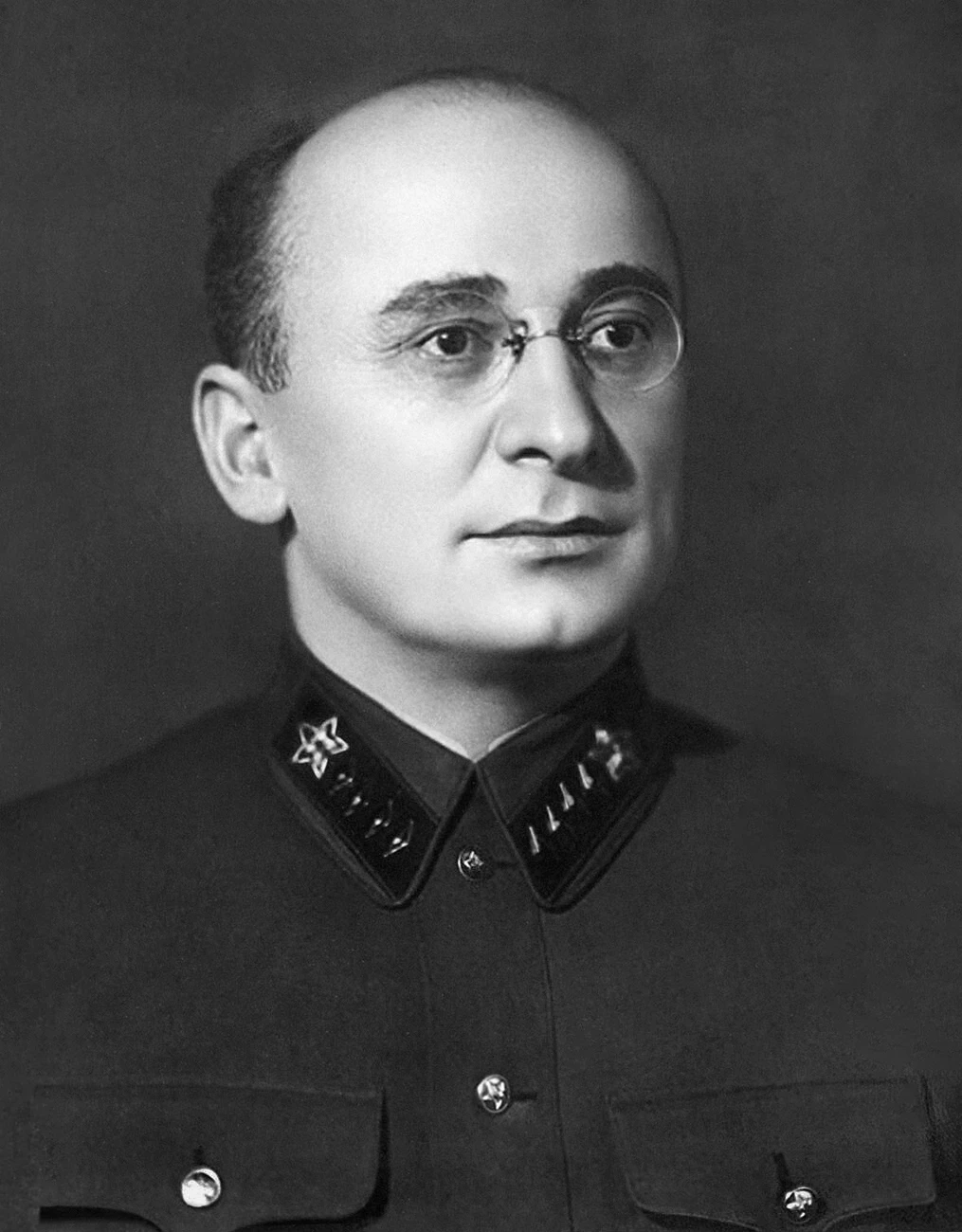
Beria — the NKVD ordinance of 19 September
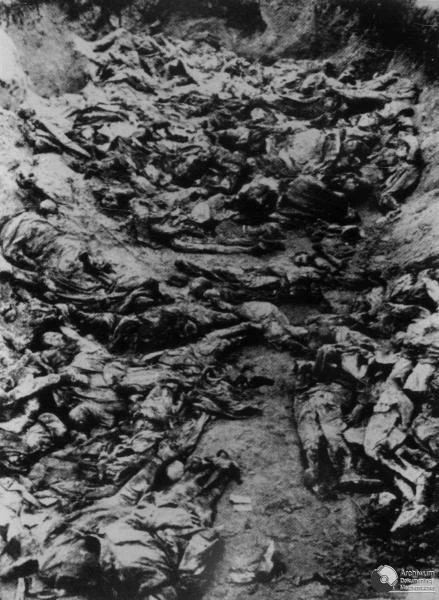
Katyn — the order on Beria's desk
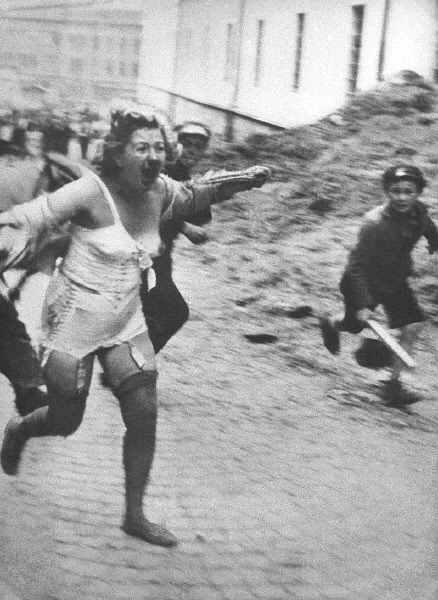
Lviv — the July pogroms
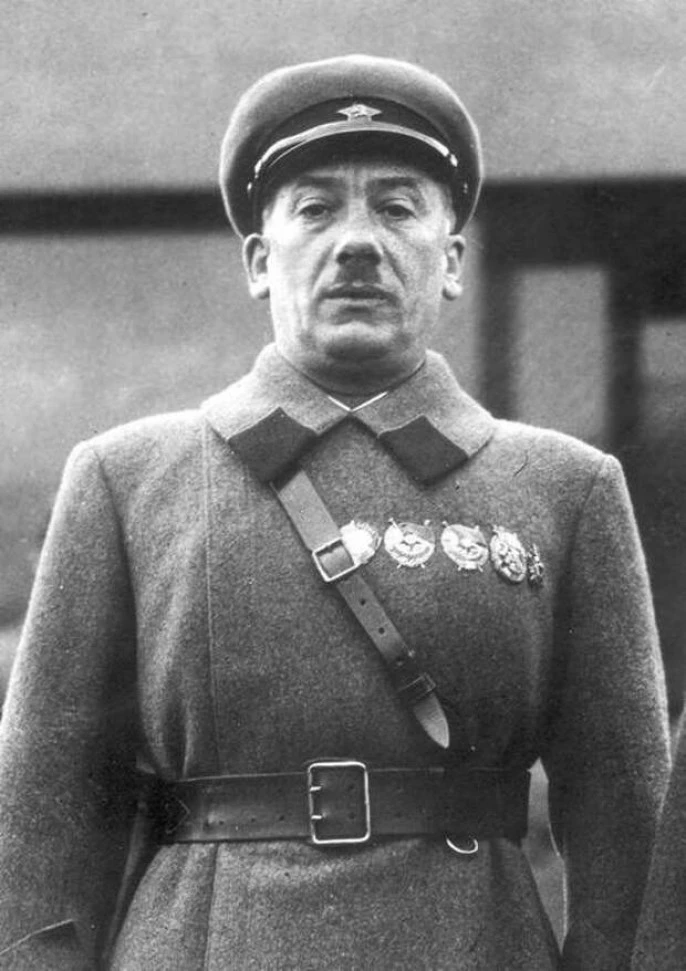
The Commissar Order
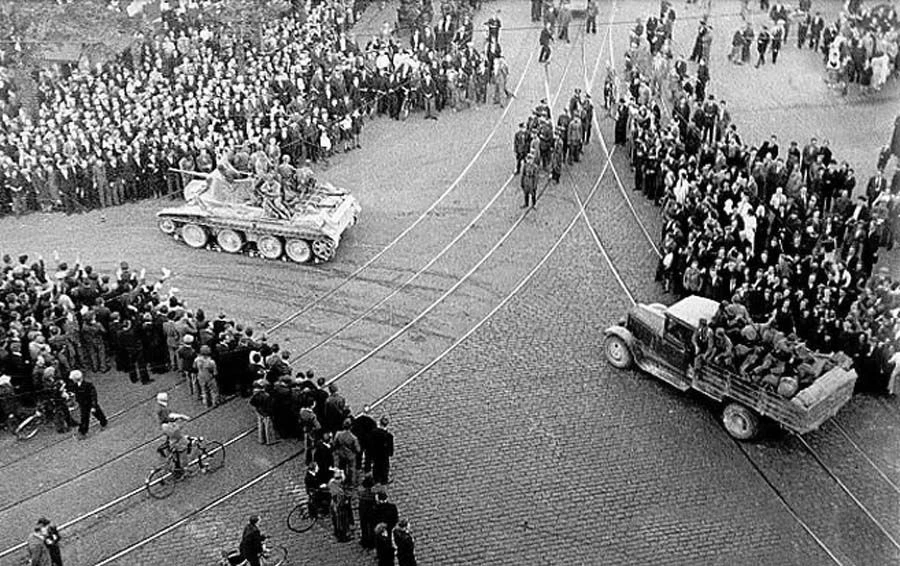
Serov — 10 February 06:00 at Lwów

The Barbarossa decree — the 'licence to kill'
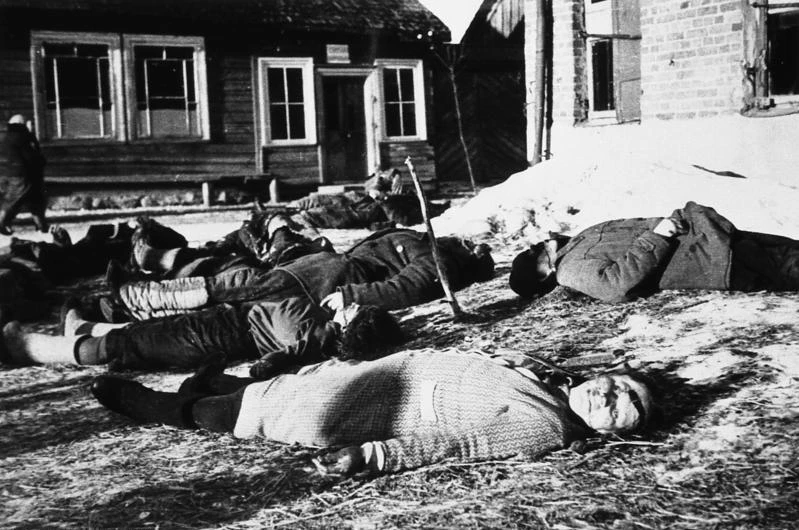
Generalplan Ost — the Hunger Plan
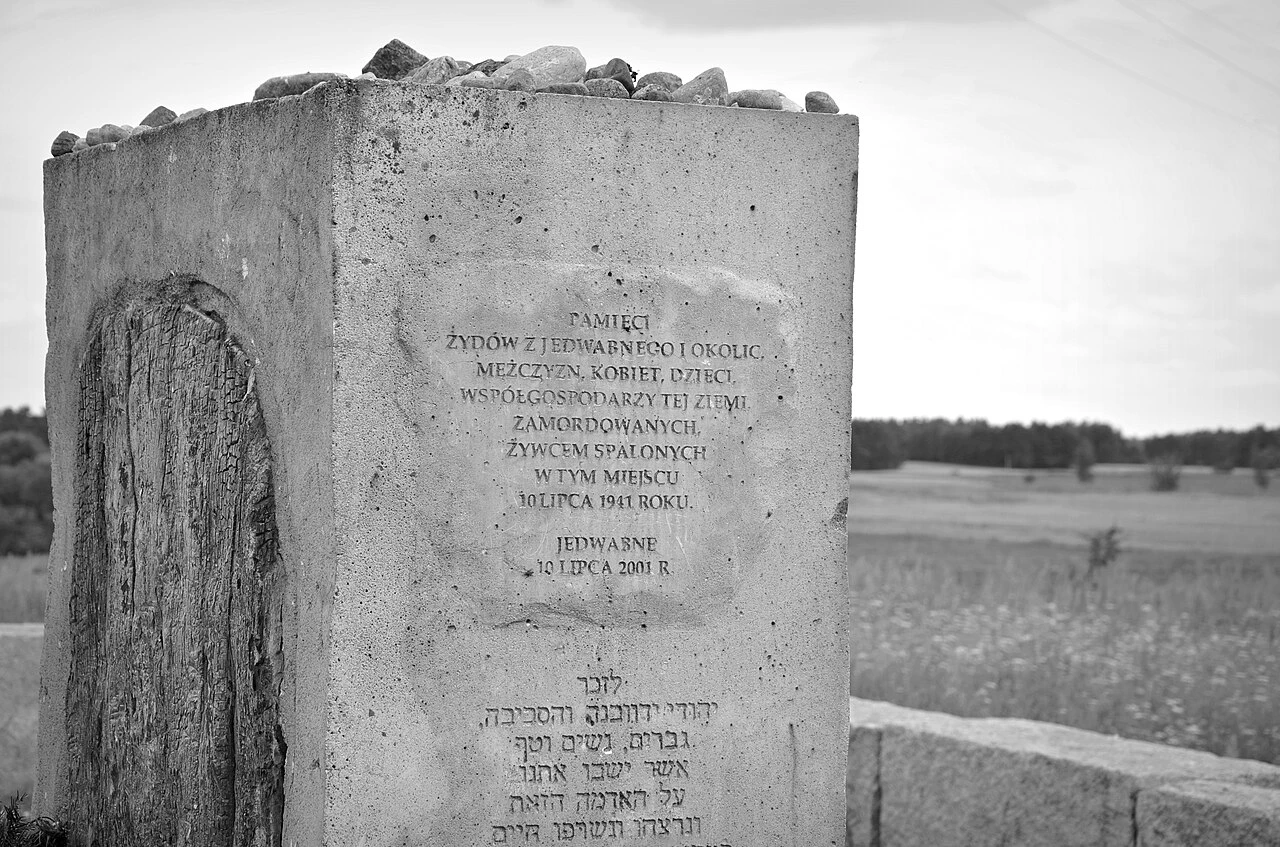
Jedwabne — the crime of the neighbours
Heydrich's mandate
Heydrich — the Conference of 21 September
Beria — the NKVD ordinance of 19 September
Katyn — the order on Beria's desk
Lviv — the July pogroms
The Commissar Order
Serov — 10 February 06:00 at Lwów
The Barbarossa decree — the 'licence to kill'
Generalplan Ost — the Hunger Plan