
On the morning of 10 May 1940, Germany also invaded Luxembourg, a small neutral state with no army capable of resisting. Within hours, the territory was overrun. Grand Duchess Charlotte and her government had to decide, in haste, on the attitude to adopt in the face of an immediate and inevitable occupation.
The dilemma was that of small defenceless states. To stay was to share the fate of the country but to fall under the direct control of the occupier, who might exploit the sovereign. To go into exile was to preserve the continuity of the state and national legitimacy, but to leave one's people without a fight.
The Grand Duchess and the government could go into exile to embody the continuity of the state and pursue the Allied cause. They could stay in Luxembourg alongside the population. Or they could seek an arrangement with the occupier to preserve some autonomy. Like the choices facing the Netherlands at the same hour, and soon Belgium, the decision committed the future of the Luxembourg nation.
Should the Grand Duchess and the government go into exile, stay in the country, or seek an arrangement with the occupier?
Grand Duchess Charlotte and her government chose A: they left Luxembourg on 10 May for exile (France, Portugal, the United Kingdom, then Canada and the United States), from where they upheld Luxembourg sovereignty in the Allied camp. Luxembourg was occupied and then, from August 1940, subjected to a German civil administration (CdZ-Gebiet) aimed at its Germanisation and, in effect, its annexation. The Luxembourg people's resistance to this Germanisation (the 1942 strike against conscription) would become legendary. The choice of exile, like that of Wilhelmine in the Netherlands, preserved the legitimacy of the state and set it apart from the fate of the King of the Belgians, who remained a prisoner.
Learn more about this event
Related polls
10
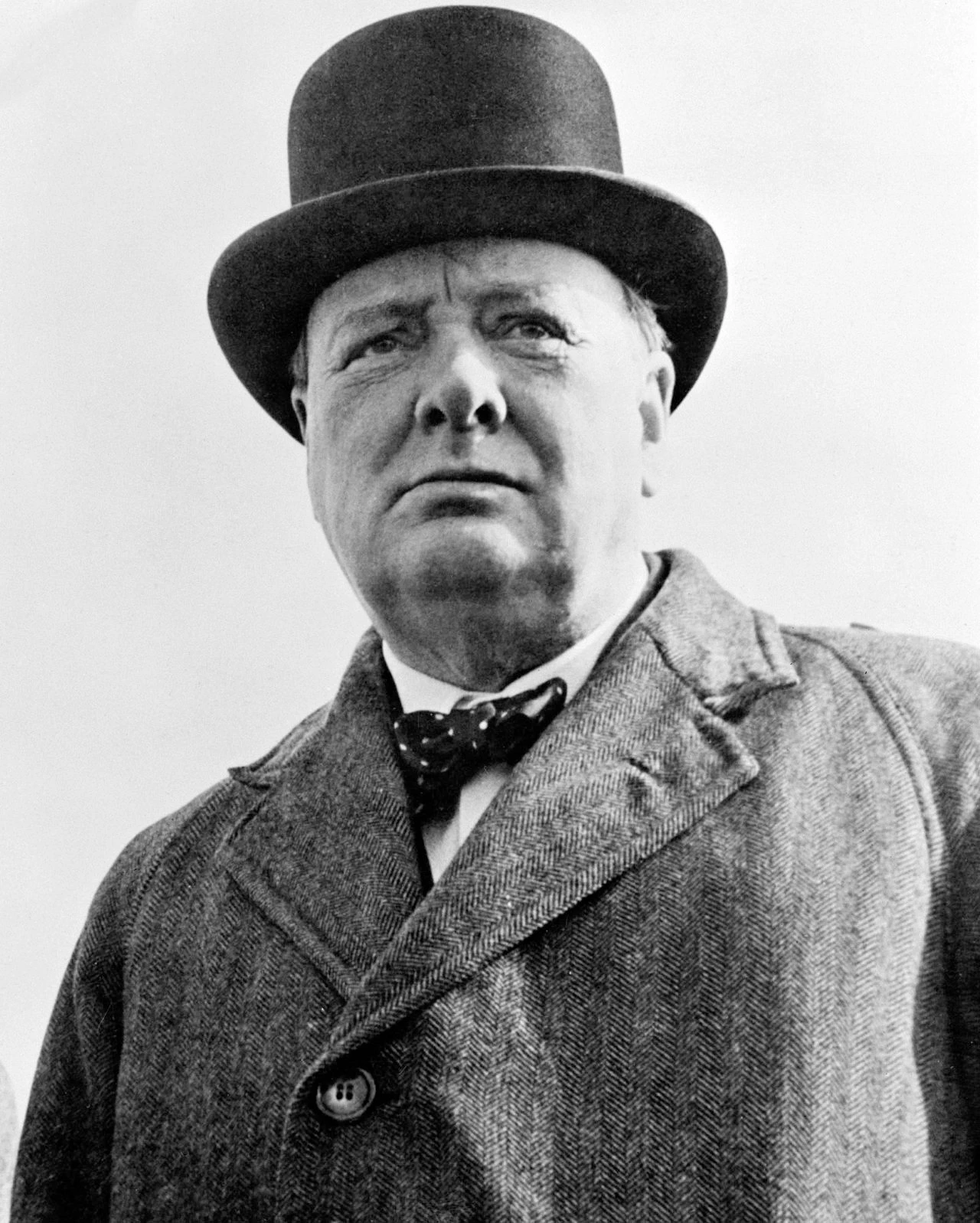
Churchill in power
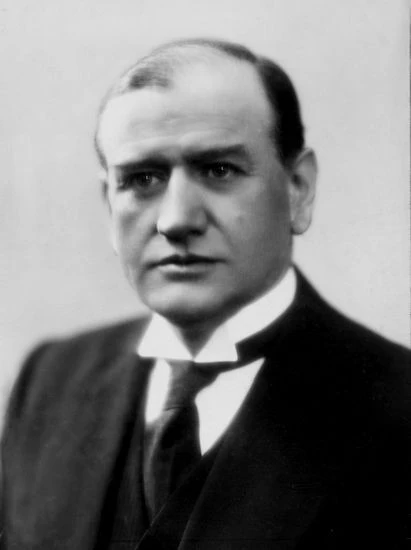
Daladier asked to leave the War Ministry
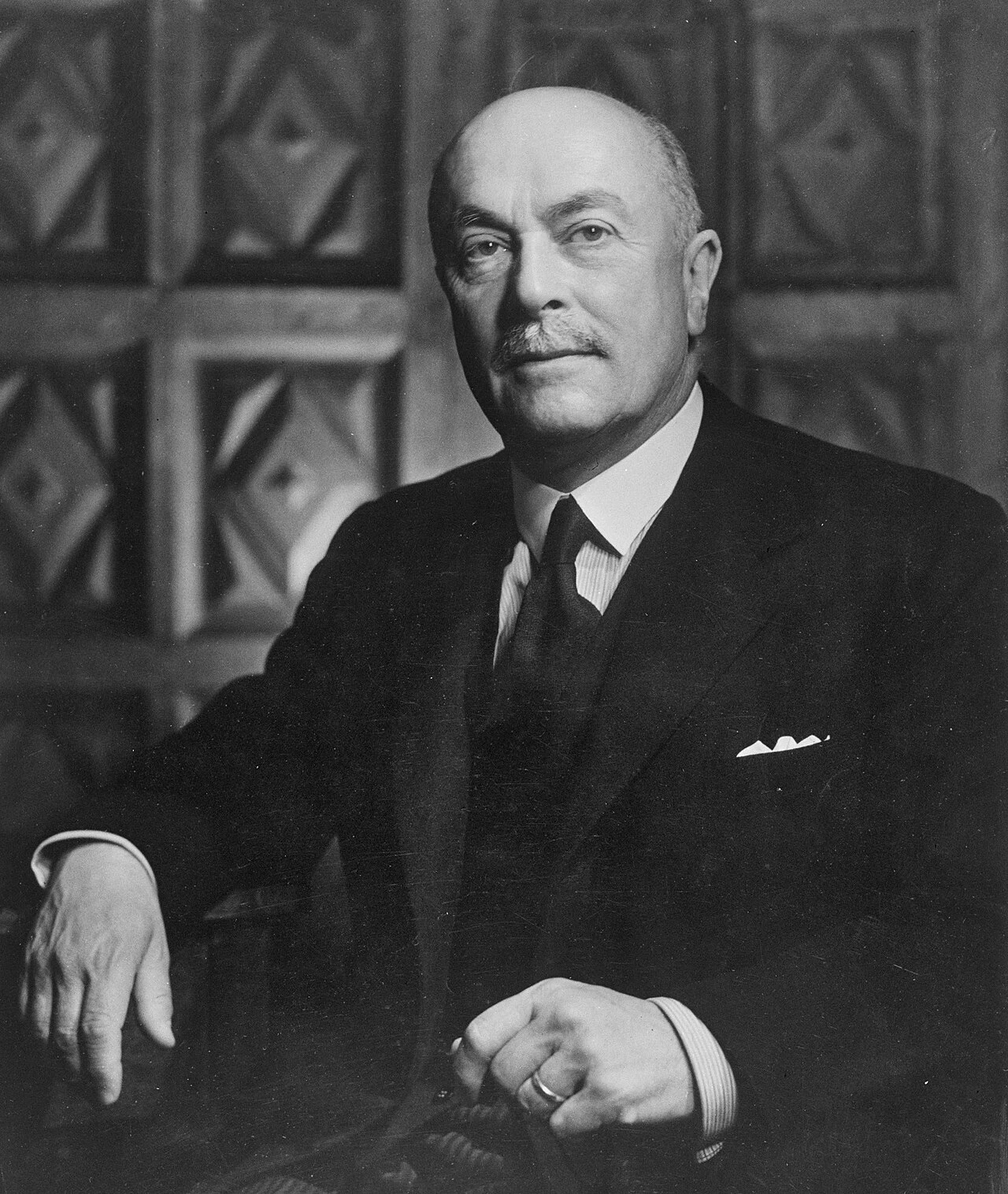
Pierlot at Limoges — from where to carry on?
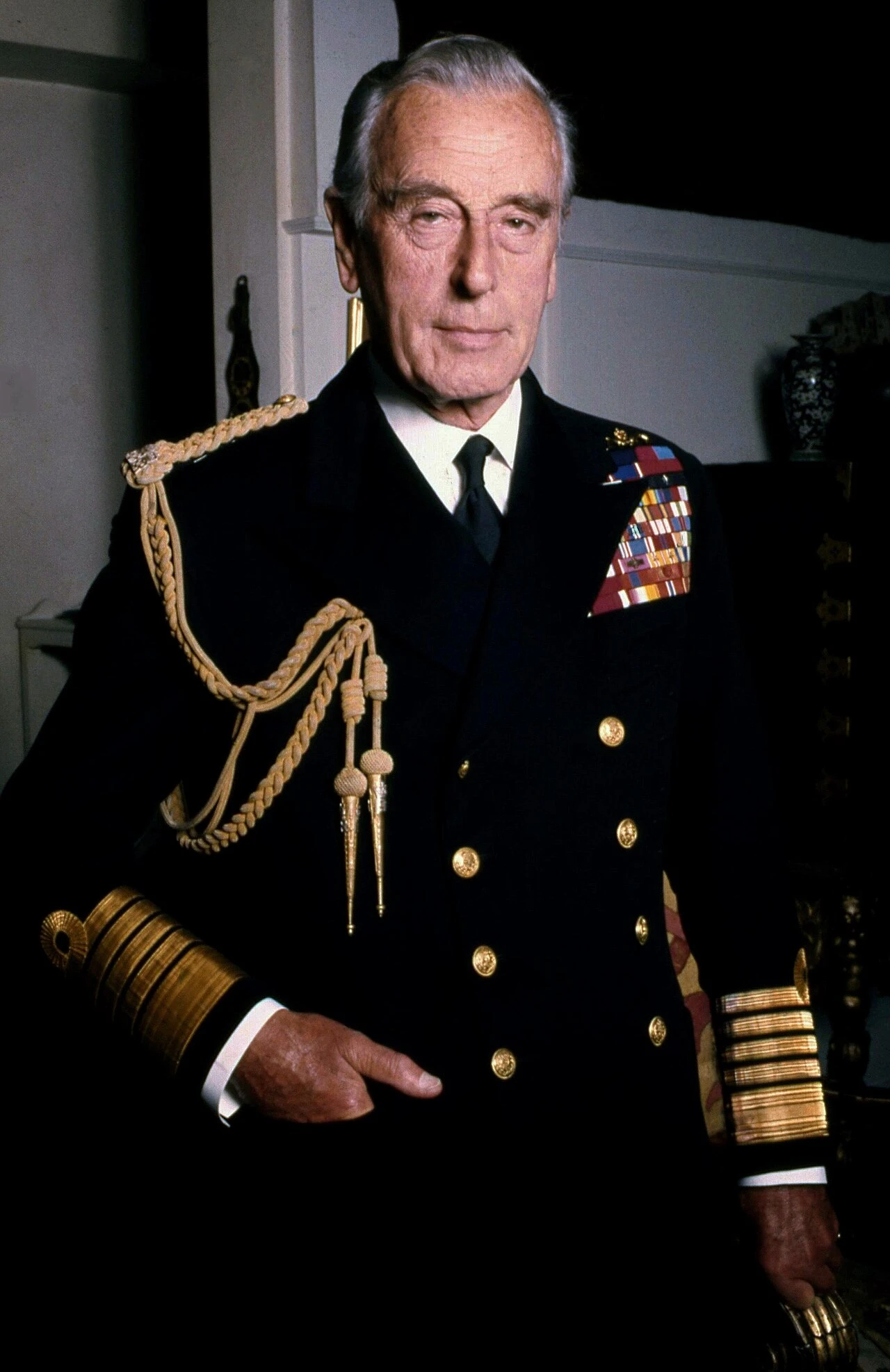
Queen Wilhelmine leaves for London
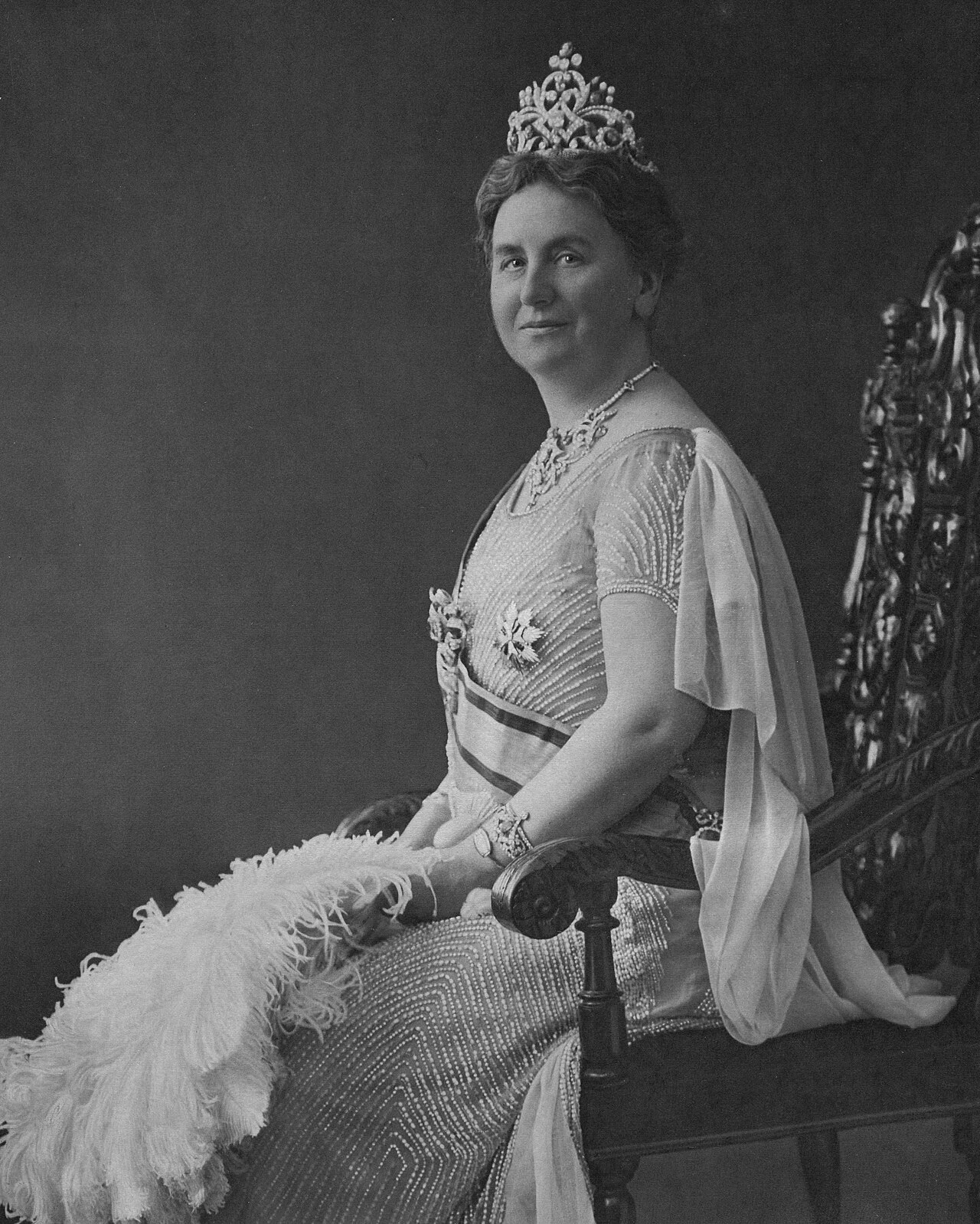
Wilhelmina — Hoek van Holland 13 May
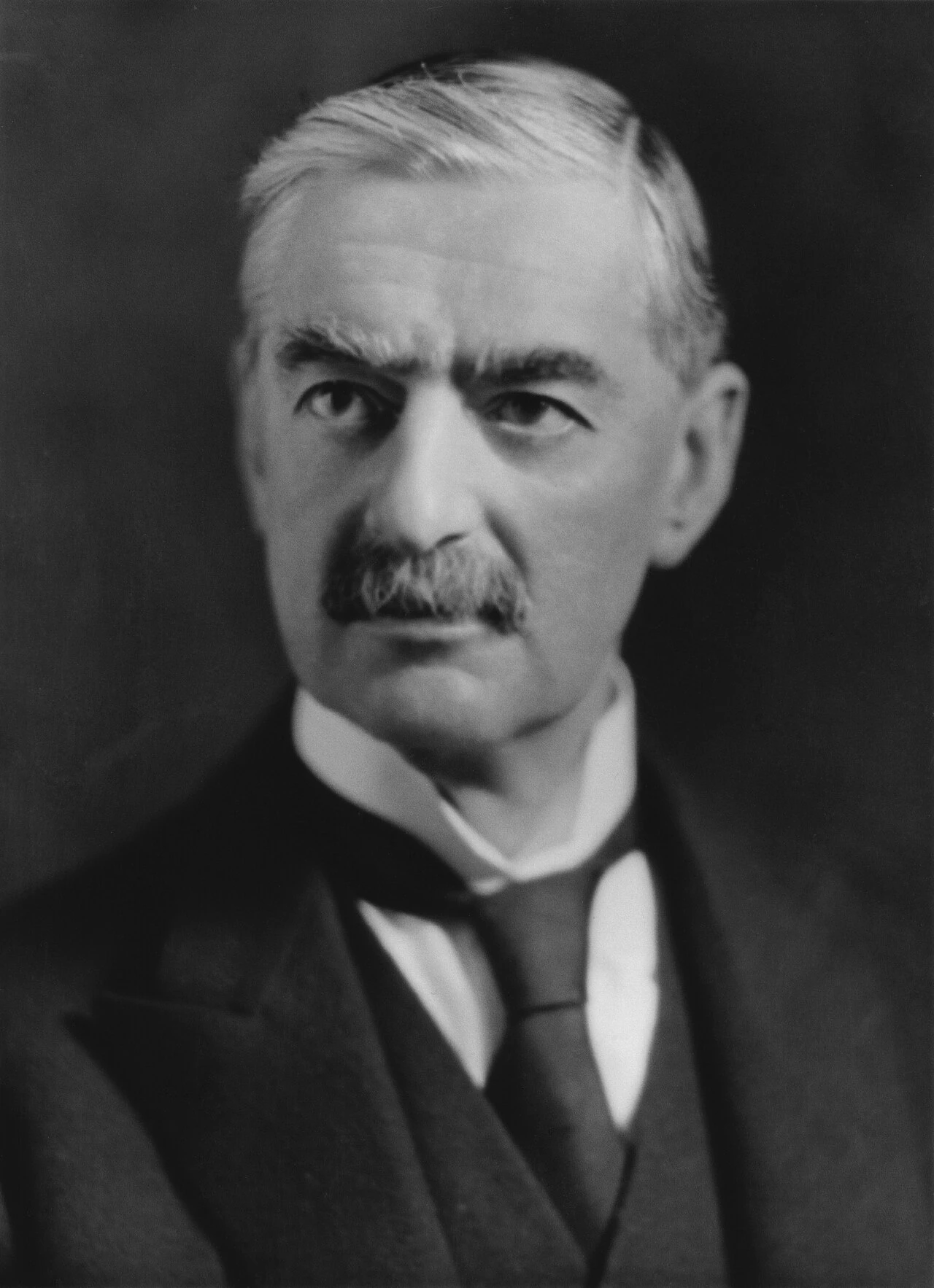
Chamberlain at Central Hall — 4 April
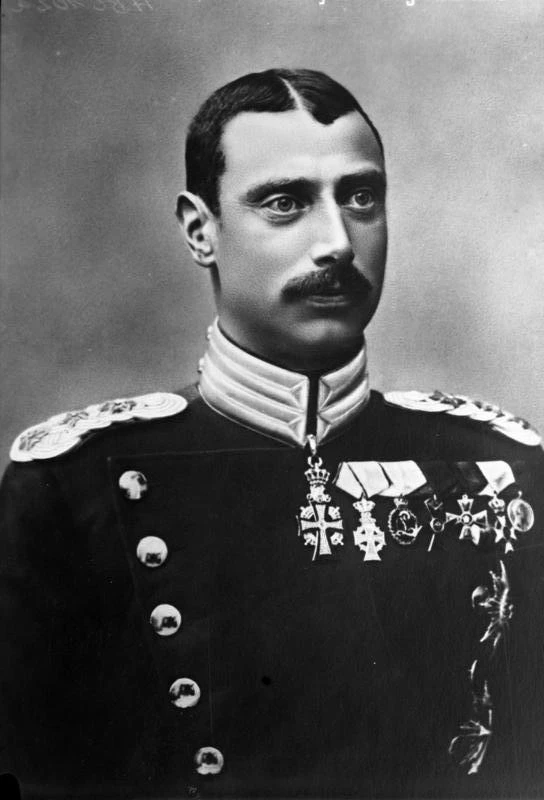
Christian X faces the ultimatum — 9 April
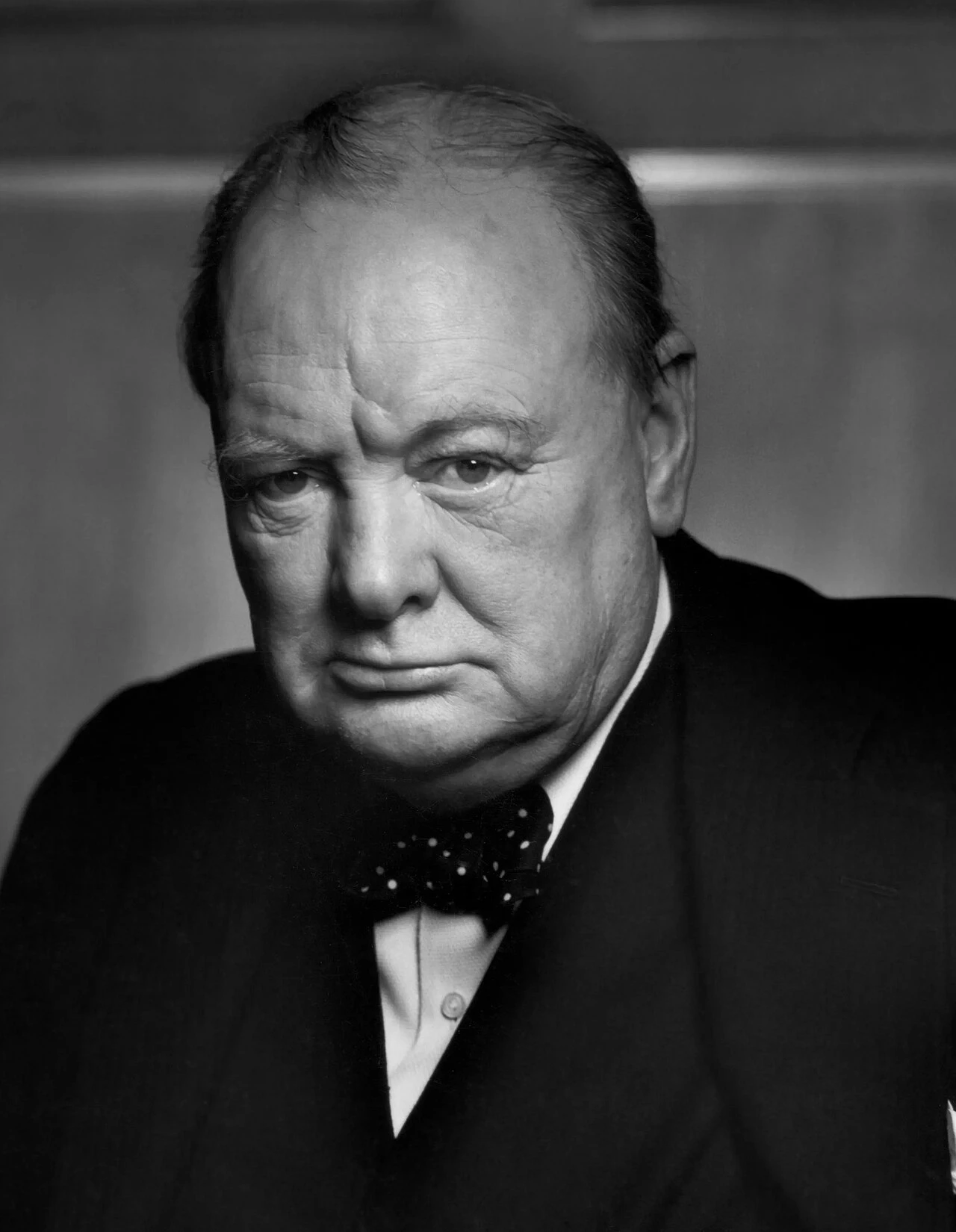
Churchill before the 25 ministers — 28 May 18:00
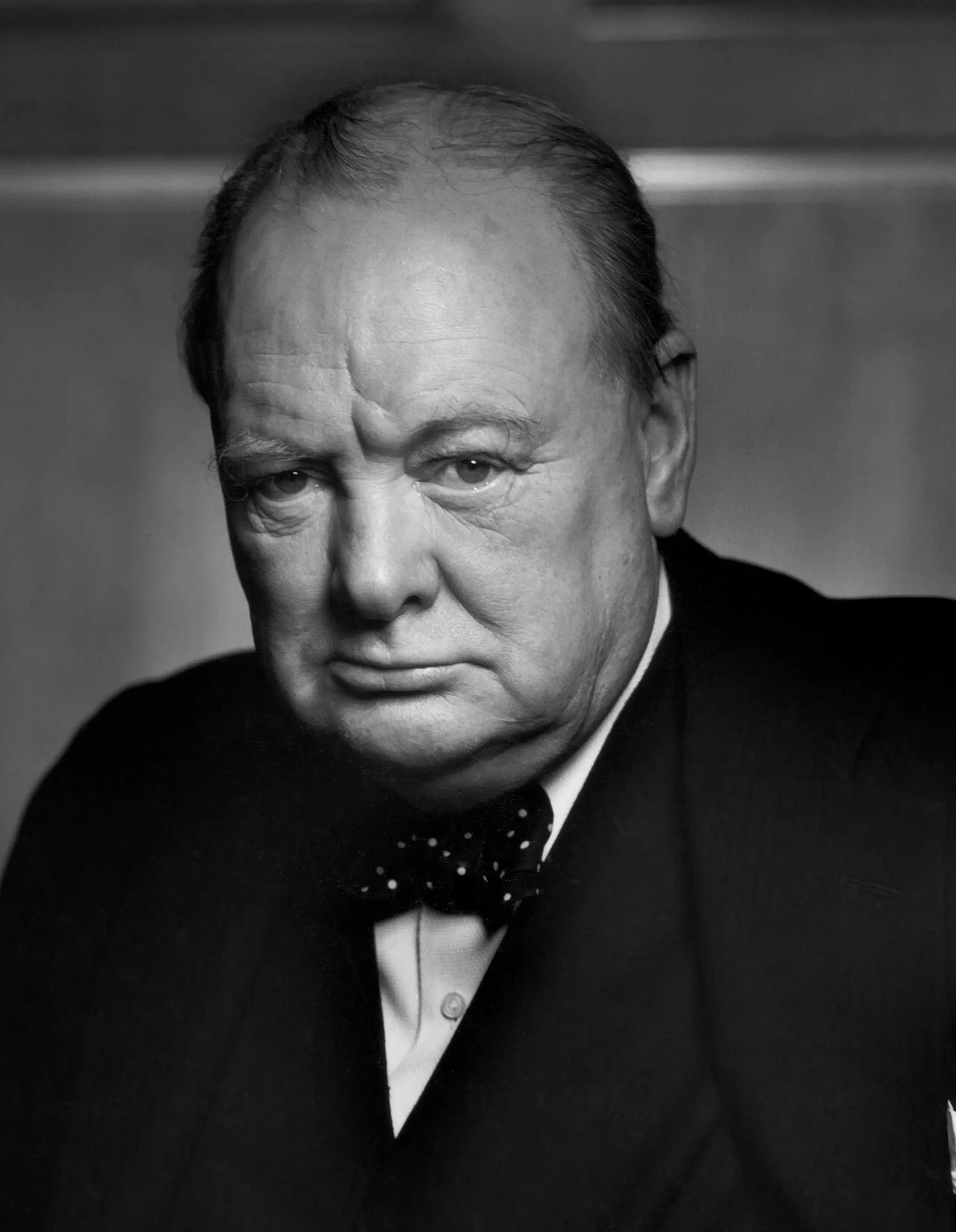
Churchill before the Commons — 4 June
Ciano summons the ambassadors — 10 June
Churchill in power
Daladier asked to leave the War Ministry
Pierlot at Limoges — from where to carry on?
Queen Wilhelmine leaves for London
Wilhelmina — Hoek van Holland 13 May
Chamberlain at Central Hall — 4 April
Christian X faces the ultimatum — 9 April
Churchill before the 25 ministers — 28 May 18:00
Churchill before the Commons — 4 June