
The Tczew bridge — Janik and the detonator
The Tczew bridge over the lower Vistula is a double rail and road structure, built in 1857 and modernised in 1912 — 1,028 metres long, seven truss spans. Strategically vital: it carries the Berlin-Königsberg railway which, in time of war, would allow the Wehrmacht to reach East Prussia quickly. Since March 1939 the Polish General Staff had written its preventive demolition into Plan "Z" (sabotage of the Corridor's infrastructure in case of invasion).
The engineer detachment commanded by Captain (with Lieutenant as firing officer) had placed 200 kg of TNT in the main piers from August onwards. The detonators ran back to a control post hidden in the level-crossing keeper's cottage 600 metres south-east of the bridge, on the Polish side.
At 04:00 on 1 September, the sappers see in the sky an attack by Junkers Ju 87 Stukas of coming in from the west. The German mission: cut the firing wires by precision bombing before the arrival of the armoured train Panzerzug 3, which is to cross the bridge at 06:20 with an assault company. Bombing at 04:34. Several wires severed. Reszkowski restores the circuit at 06:25, with the armoured train closing to within 600 metres.
When should he fire the detonator?
Janik and Reszkowski choose A. At 06:34, Reszkowski presses the plunger. The three central spans collapse into the Vistula. Panzerzug 3 halts 200 metres short of the bridge and is forced to turn back. The Wehrmacht has to wait until 5 September to throw a makeshift bridge across, and until 14 September to restore normal rail traffic. Küchler's thus loses five days in its advance on Warsaw from East Prussia. Janik is captured after the September fighting, deported to an oflag, and survives. Reszkowski is shot in 1940 by the Germans, in the Intelligenzaktion at Wejherowo. The bridge would be rebuilt in 1959. The destruction of the Tczew bridge remains one of the very few planned Polish sabotage operations to succeed fully in September 1939.
Learn more about this event
Related polls
10
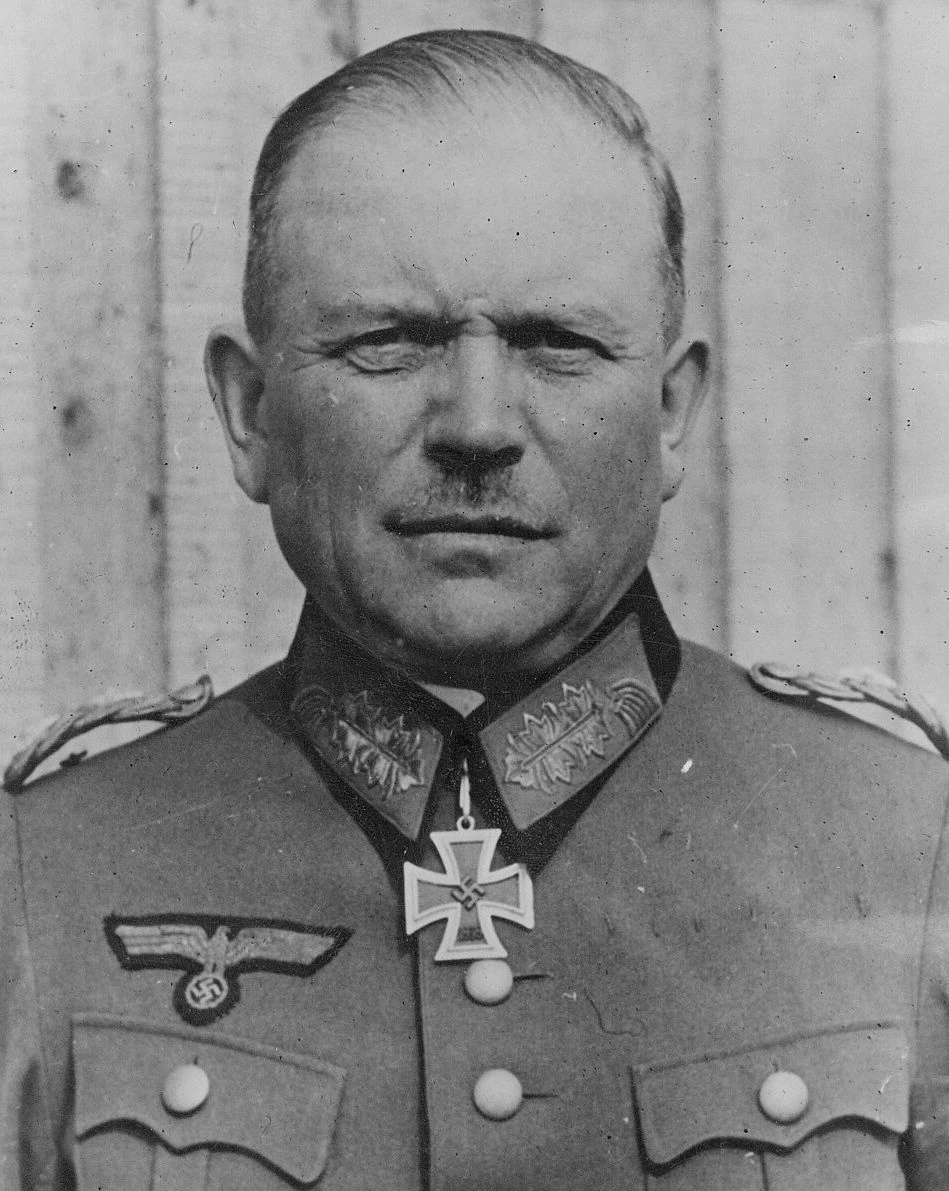
Brześć — Plisowski faces Guderian
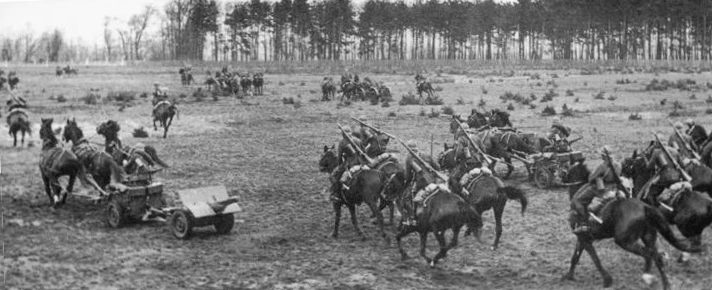
The Bzura — Kutrzeba faces the trap
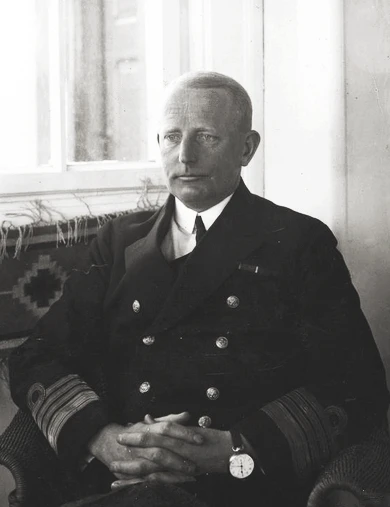
Hel — Unrug faces the German envoy
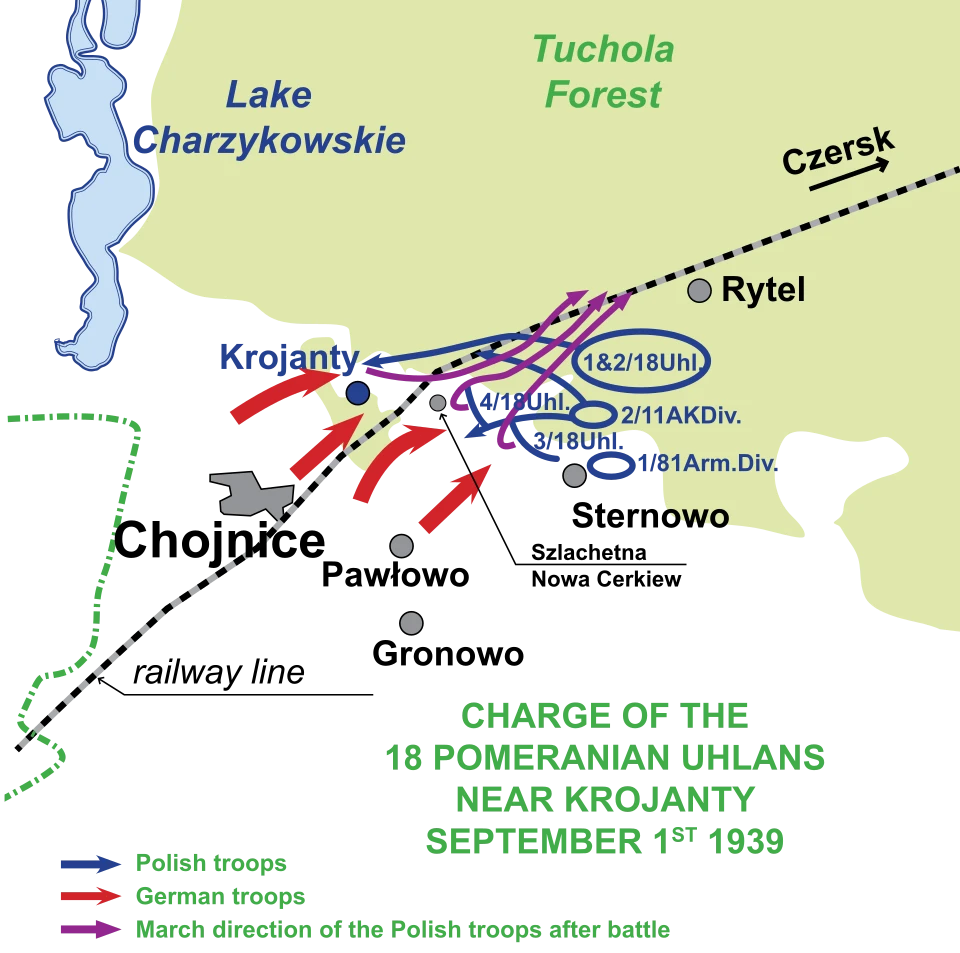
Krojanty — Mastalerz and the 18th Uhlans
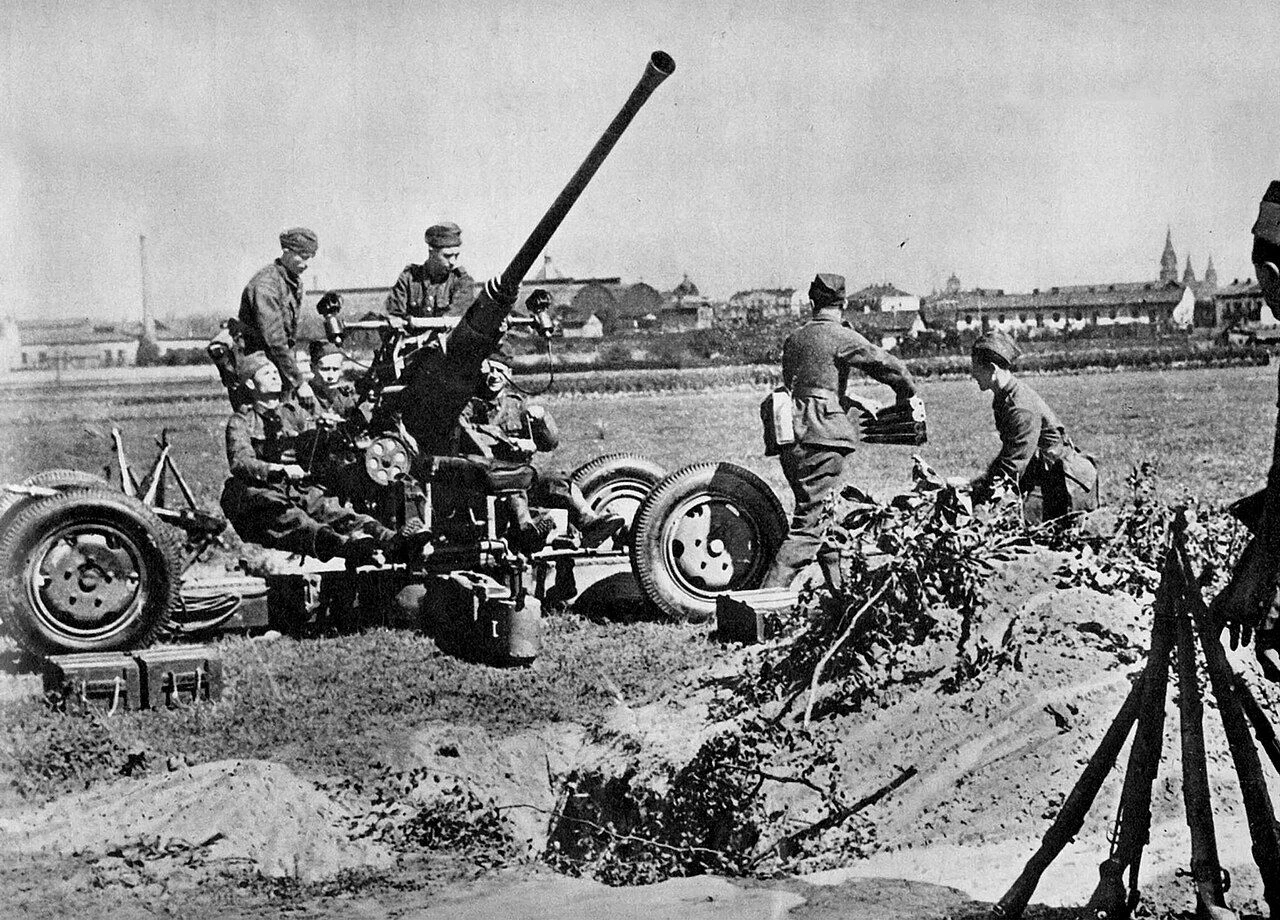
Lwów — Langner between two occupiers
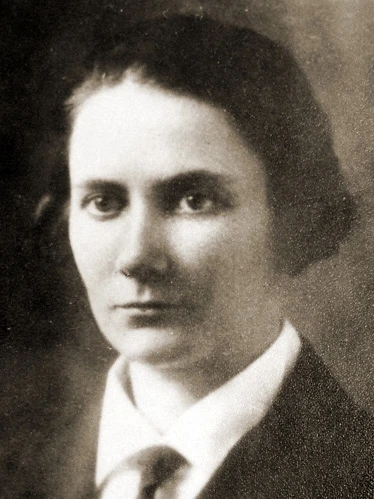
Maria Wittek — Wzgórze Wuleckie
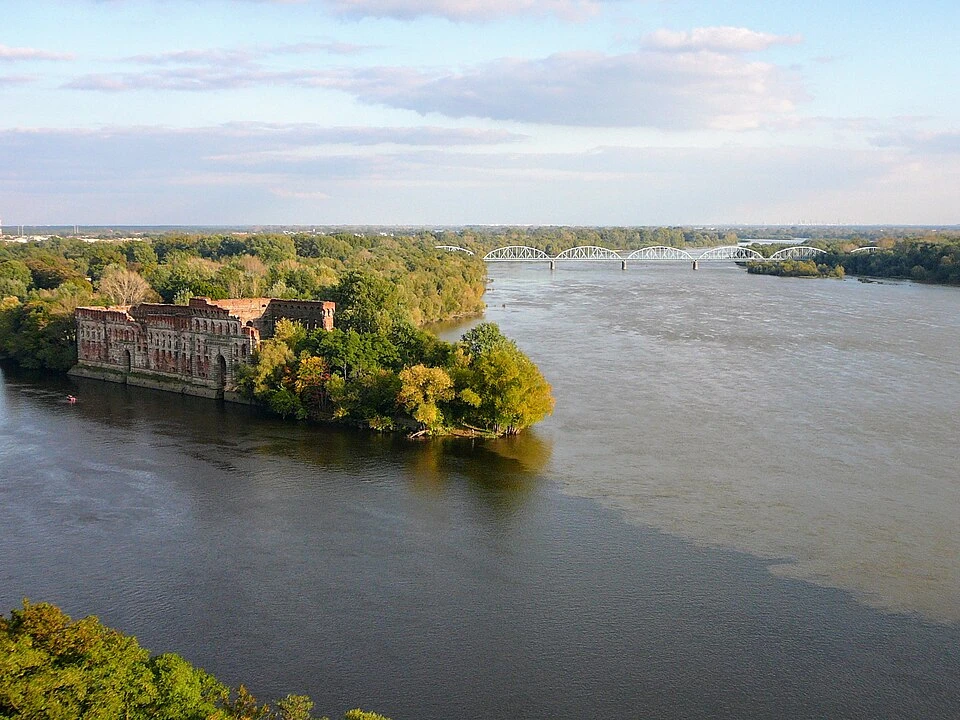
Modlin — Thommée at the last fortress
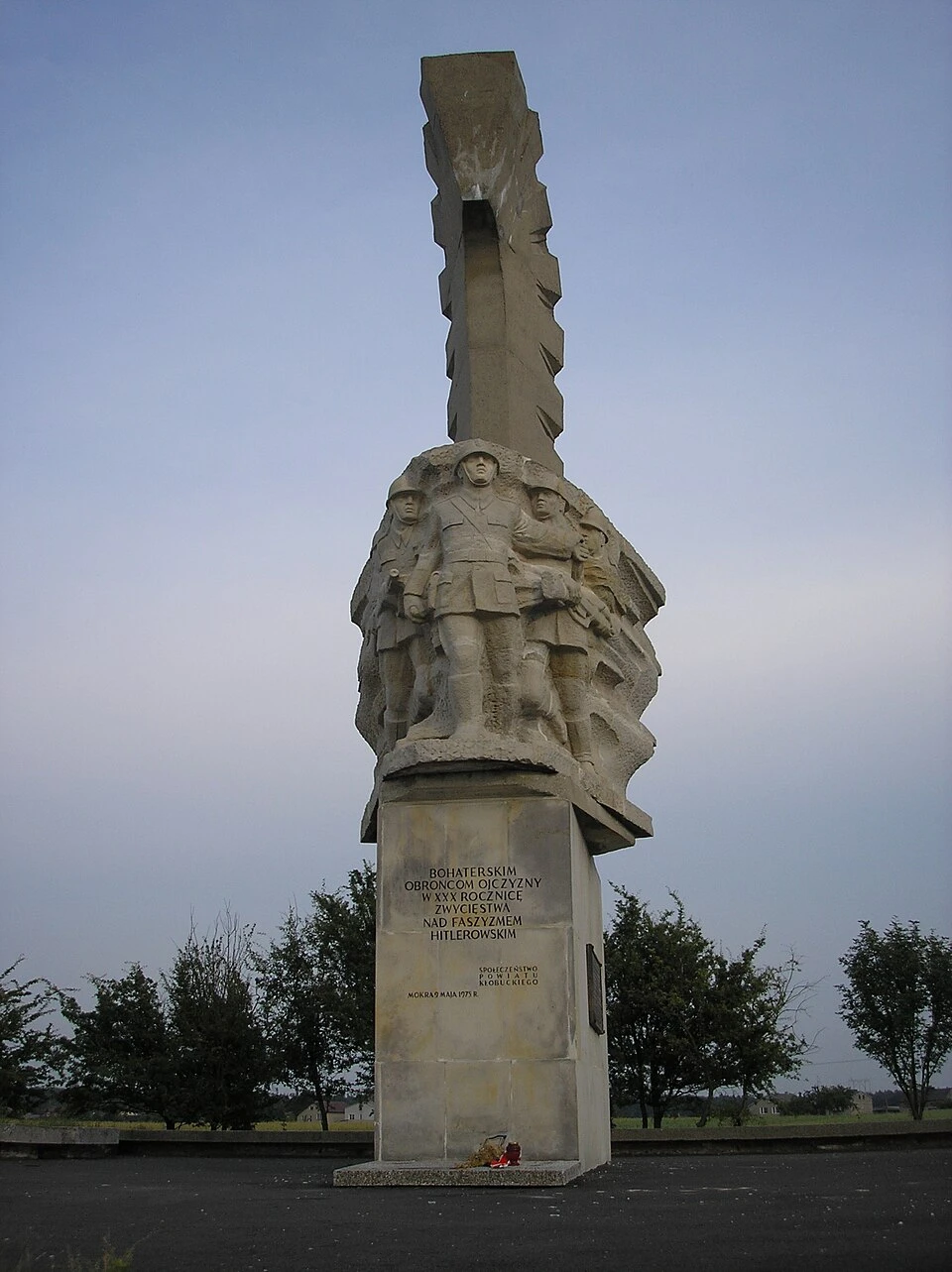
Mokra — Filipowicz and the Volhynian Brigade
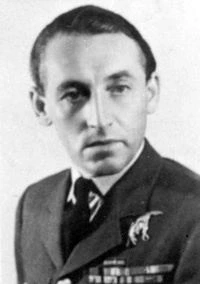
Władysław Gnyś — the Dorniers over Olkusz
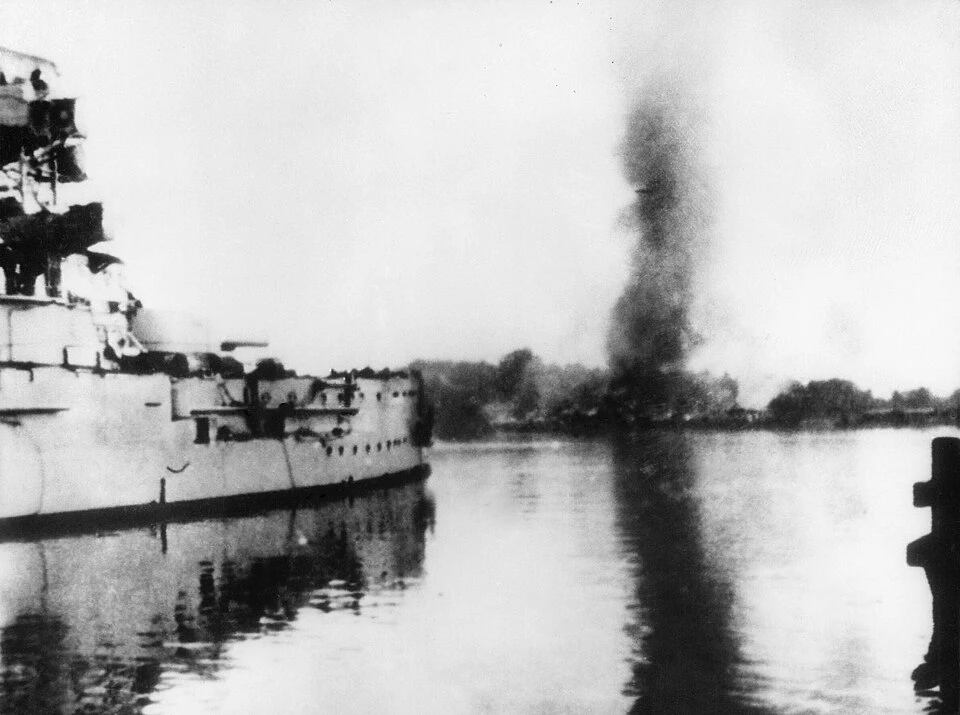
Westerplatte — Sucharski under the Schleswig-Holstein's guns
Brześć — Plisowski faces Guderian
The Bzura — Kutrzeba faces the trap
Hel — Unrug faces the German envoy
Krojanty — Mastalerz and the 18th Uhlans
Lwów — Langner between two occupiers
Maria Wittek — Wzgórze Wuleckie
Modlin — Thommée at the last fortress
Mokra — Filipowicz and the Volhynian Brigade
Władysław Gnyś — the Dorniers over Olkusz