
Oscarsborg — the intruder in the Oslofjord
Colonel , 64, has commanded since 1933 the Oscarsborg fortress, an old work installed on islets at the narrowest point of the Oslofjord, some thirty kilometres south of the Norwegian capital. A career artillery officer, he has a reduced garrison largely composed of recruits. His principal pieces are three Krupp 280 mm guns dating from the late nineteenth century, nicknamed Moses, Aaron and Joshua, and a submerged torpedo battery on the opposite bank.
During the night of 8-9 April 1940, Norway is officially neutral. The country has not mobilised, and no clear order comes down from Oslo. Around one in the morning, unidentified vessels, all lights masked, are coming up the dark channel toward the Oscarsborg narrows. Peacetime instructions provide for warning shots before any live fire; some instructions even require an intruder to be summoned to identify itself.
Eriksen does not know that this is the German squadron led by the heavy cruiser carrying the staff charged with taking the capital. The vessels are coming within range. He must decide in a few minutes, without superior orders.
Will you open fire on an unidentified warship, without orders, or first try to identify it?
Eriksen chose A. "Aim for the big one," he ordered, declaring: "Either I will be decorated, or I will be court-martialled. Fire!" At about 1,800 metres, his two available old guns hit the heavy cruiser Blücher, then Oscarsborg's torpedoes finished her off. The ship, which was carrying the staff and administrators destined to occupy Oslo, sank in the fjord with around a thousand men. The loss of the Blücher closed the channel for the entire day and delayed the seizure of the capital, giving King , the government and the gold reserves time to flee inland. Eriksen, far from being put on trial, was recognised as a national hero. His shot on initiative remains one of the founding acts of Norwegian resistance in 1940.
Learn more about this event
Related polls
10
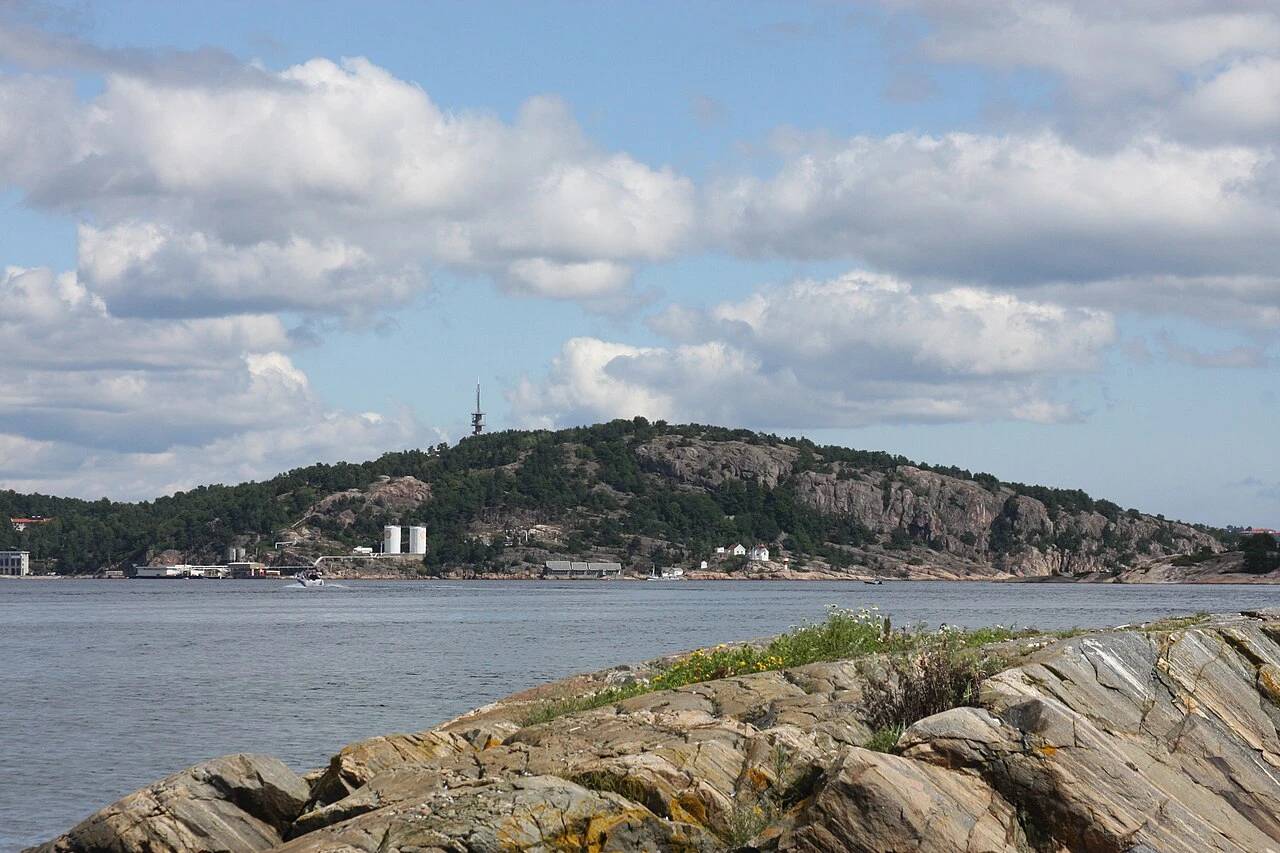
Odderoya — an identity in the mist
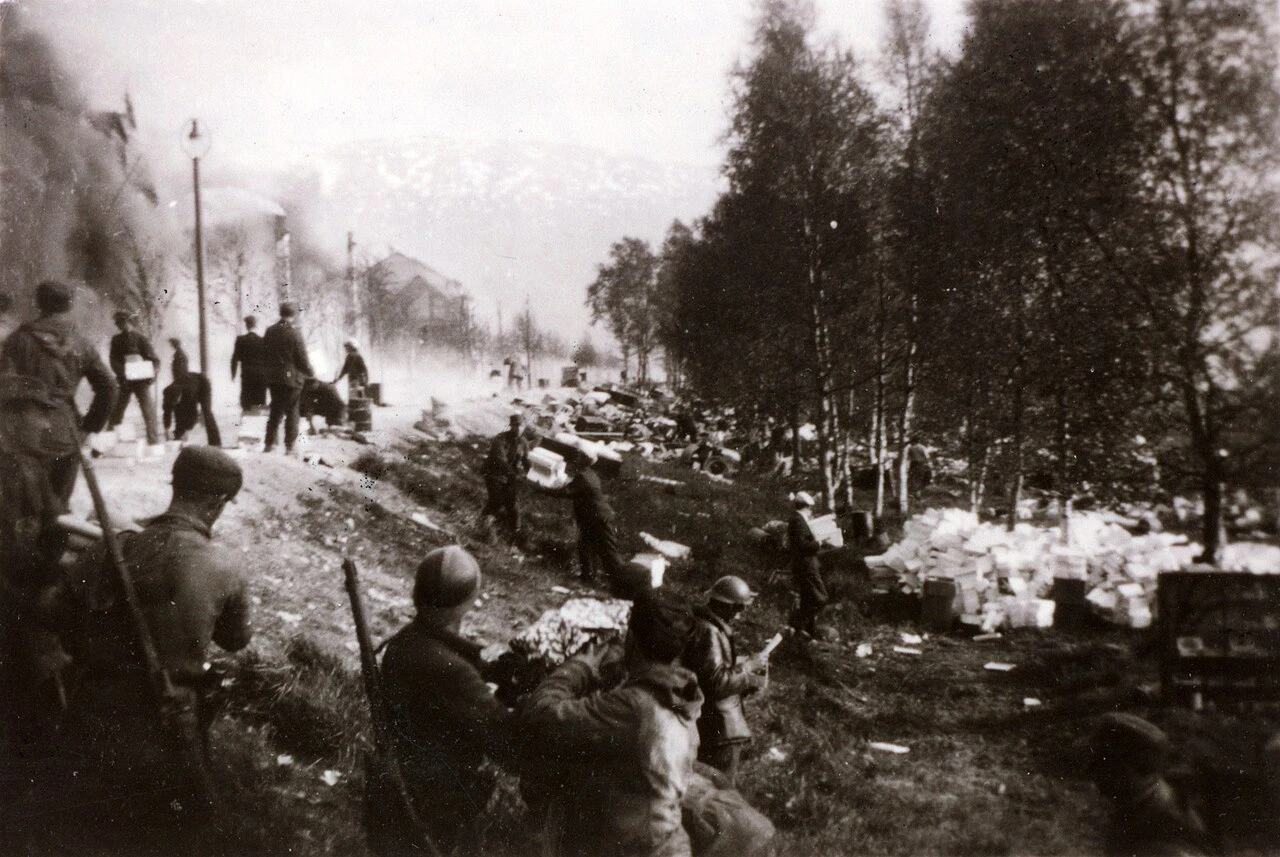
Narvik — the Allied withdrawal
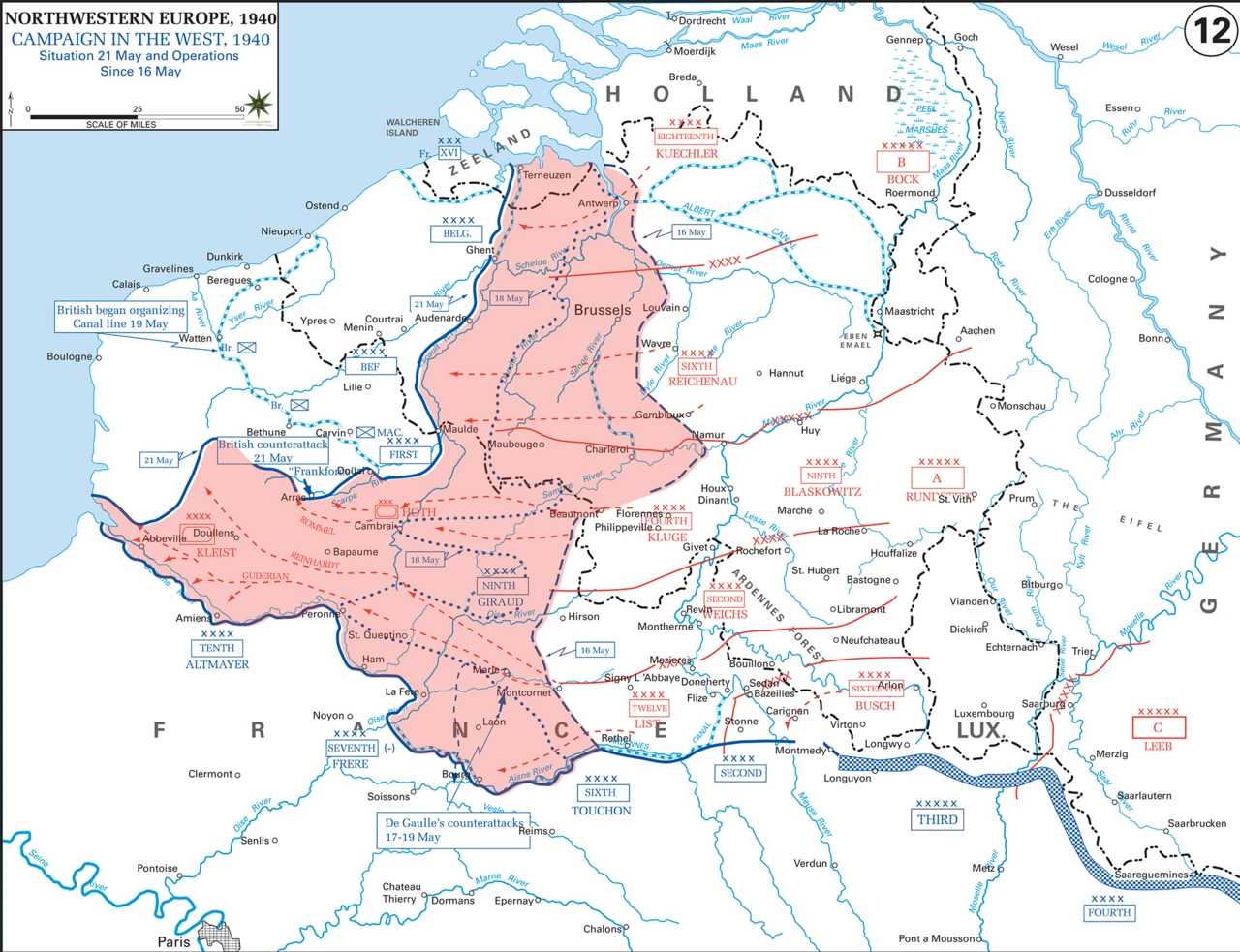
Boulogne — Fox-Pitt and the Guards facing the port
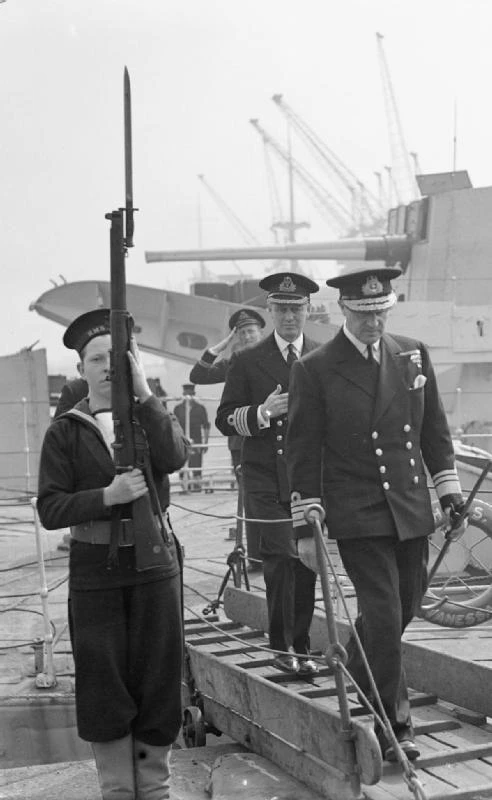
Whitworth and the Warspite — 13 April
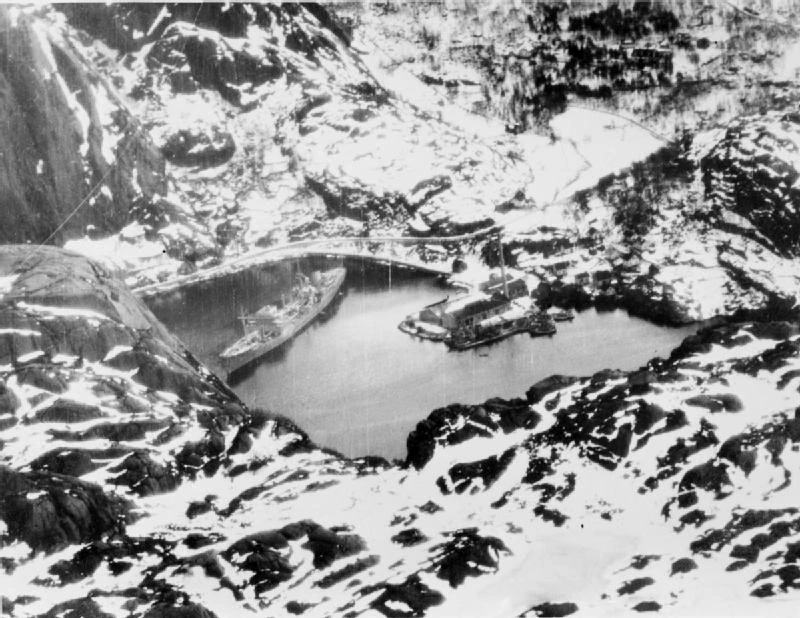
The Altmark affair
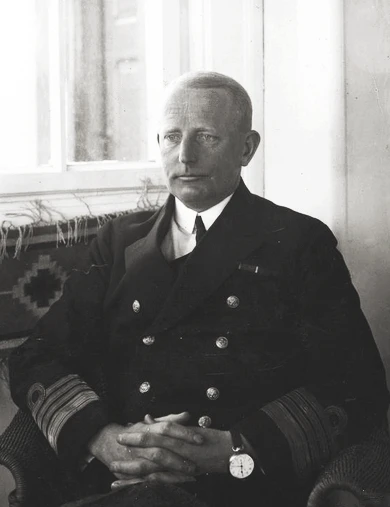
Hel — Unrug faces the German envoy
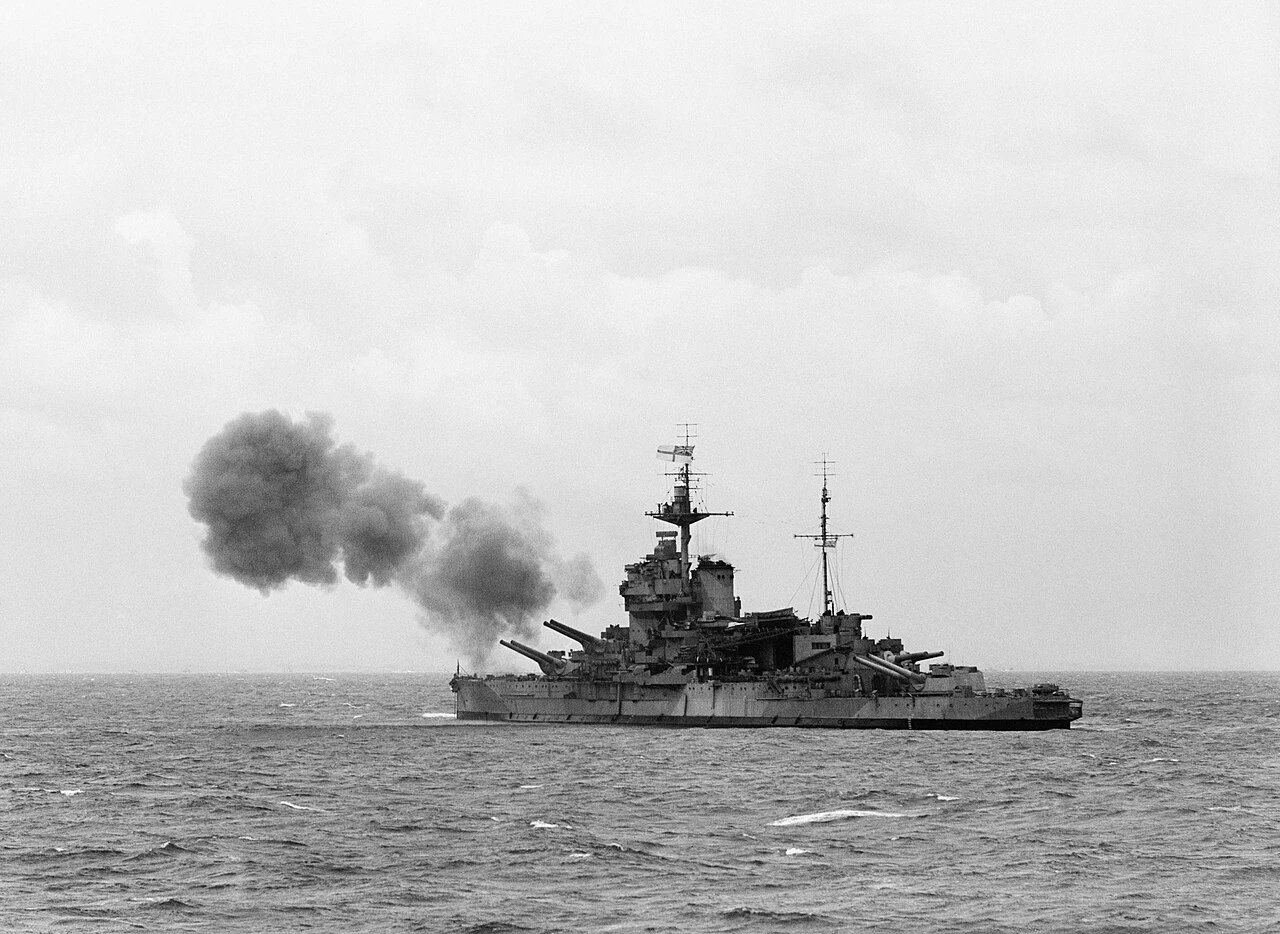
Narvik — too senior an admiral
The abatis of the Chasseurs Ardennais
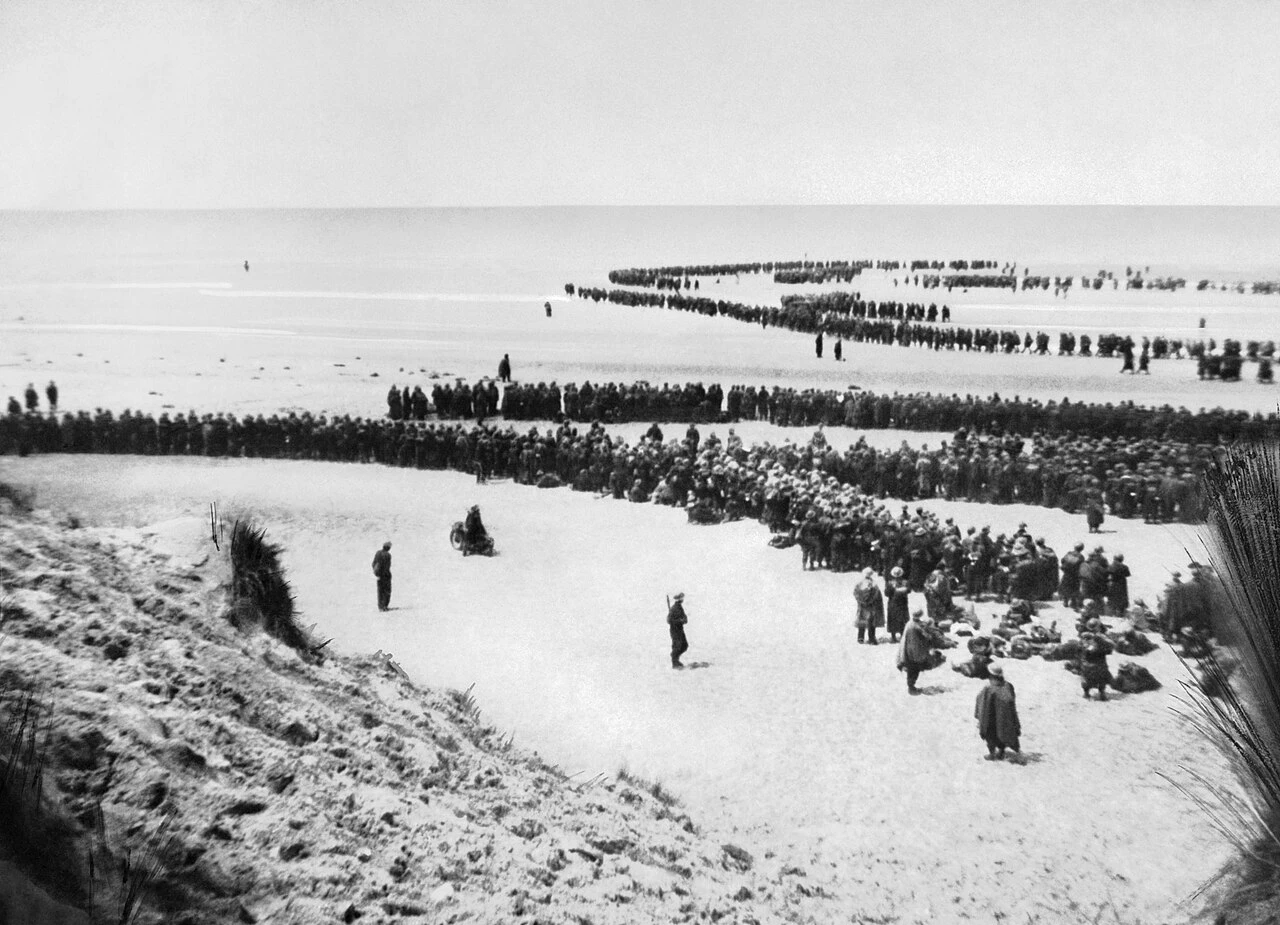
The French Rearguard at Dunkirk
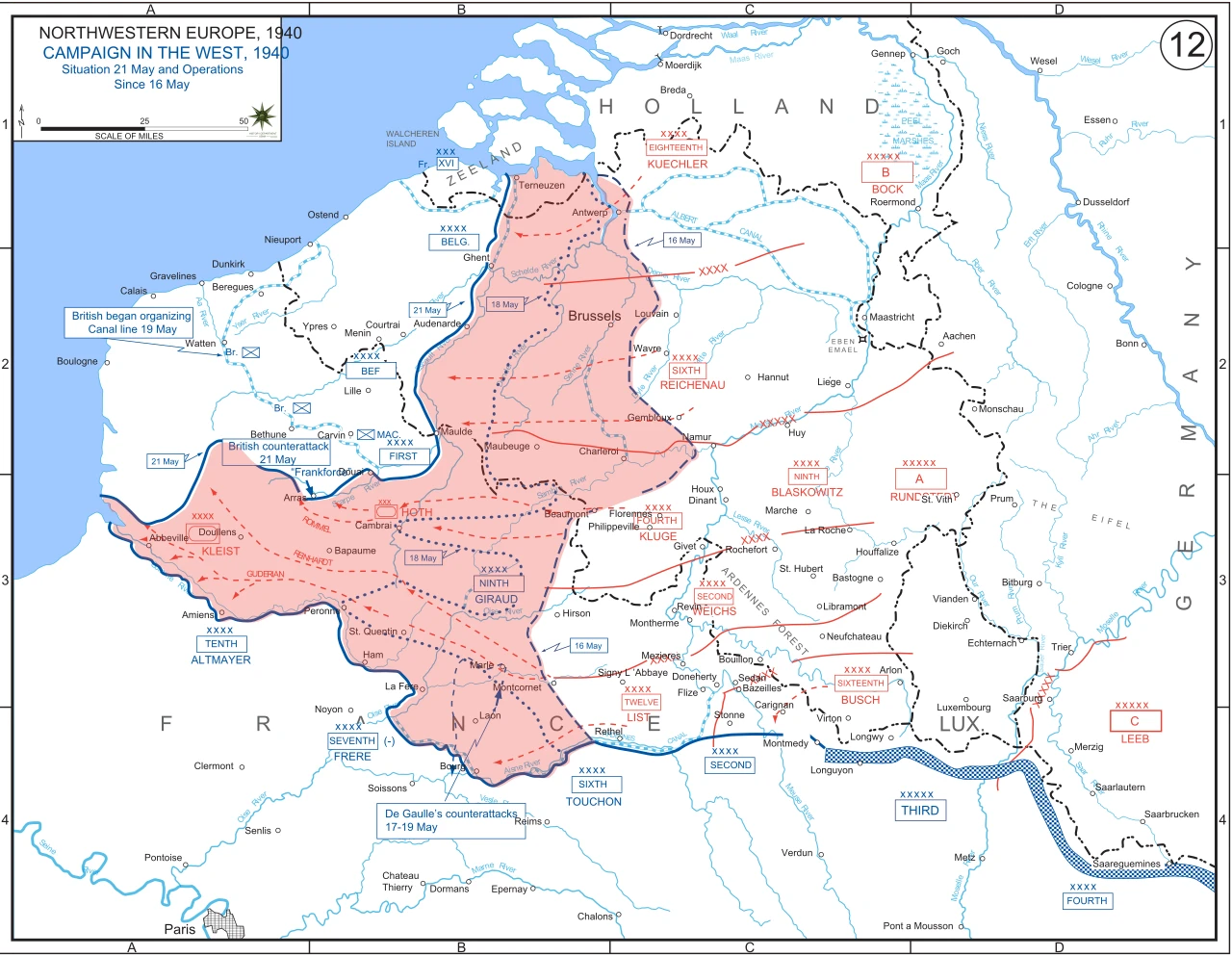
The Battle of the Lys
Odderoya — an identity in the mist
Narvik — the Allied withdrawal
Boulogne — Fox-Pitt and the Guards facing the port
Whitworth and the Warspite — 13 April
The Altmark affair
Hel — Unrug faces the German envoy
Narvik — too senior an admiral
The abatis of the Chasseurs Ardennais
The French Rearguard at Dunkirk