
To sustain morale during the Phoney War, the French government had to define the tone of its official communication. Was it to maintain the certainty of victory, founded on the supposed material and moral superiority of the Allies and the solidity of the Maginot Line, or to prepare opinion for a long and uncertain ordeal?
The propaganda services made a choice of tone. To broadcast triumphalist optimism to reassure the population and the soldiers, at the risk of blindness. To hold a realistic discourse, preparing the country for a hard and long effort. Or to play down the war so as not to cause alarm, at the risk of demobilisation.
The wager of triumphalism was risky: to promise an easy victory was to expose oneself to a collapse of morale should reality belie the discourse. Conversely, too dark a discourse could sap the will to fight. The question of the right tone — between reassuring lie and mobilising truth — arises for any State at war. Which line should the propaganda services adopt?
Should the propaganda broadcast triumphalist optimism, hold a realistic discourse, or play down the war?
French propaganda favoured A: the slogan "We shall win because we are the stronger" and a confident discourse dominated the Phoney War, sustaining the illusion of Allied superiority and assured victory. This triumphalism, brutally belied by the collapse of May–June 1940, heightened the shock of the defeat and the sense of betrayal: victory had been promised, and the result was the rout. The gap between the discourse and reality fed, at the Liberation as in collective memory, the charge that the elites had been blind. The episode illustrates the dangers of propaganda disconnected from reality: by over-promising, it prepared the very moral collapse it claimed to ward off.
Learn more about this event
Related polls
10
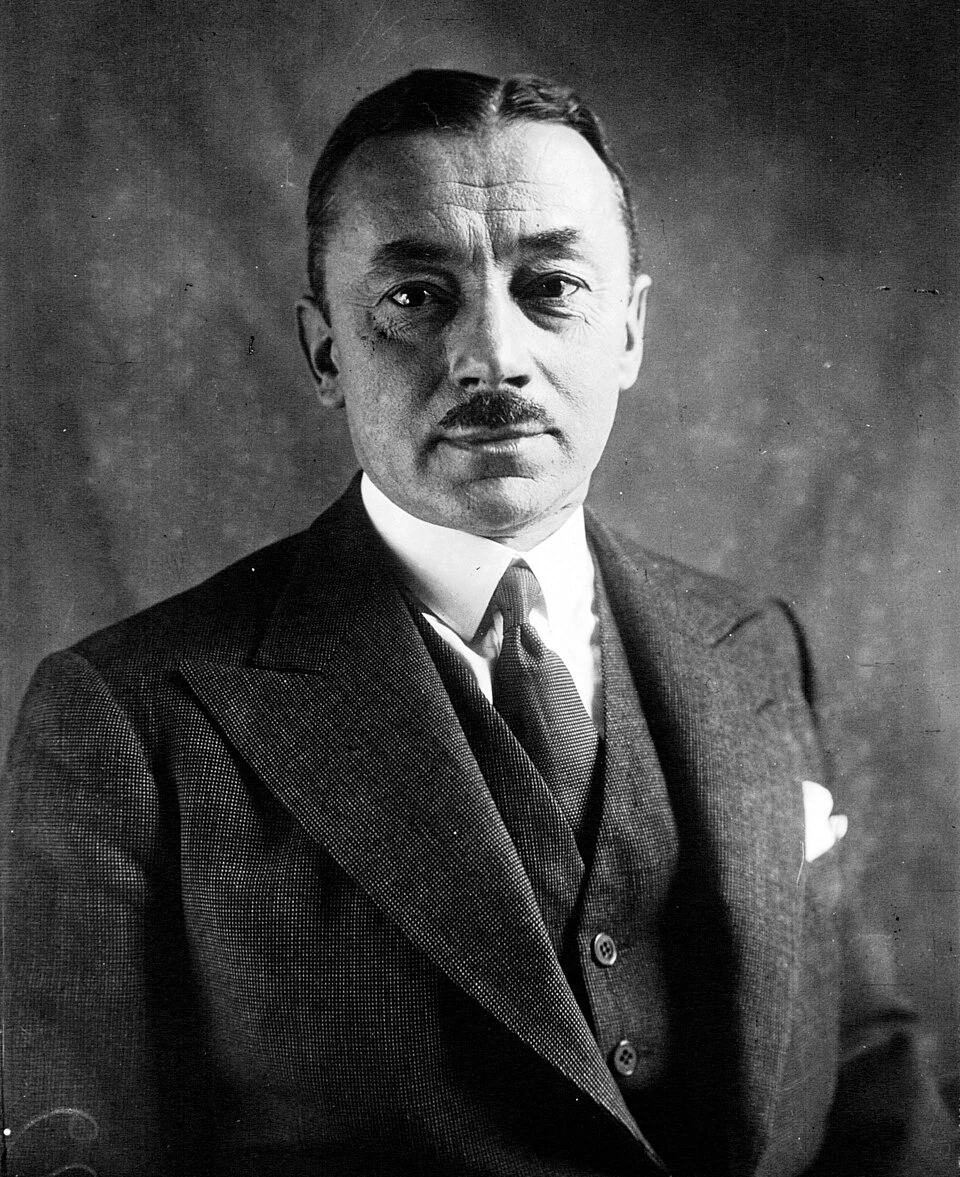
Reynaud against Daladier — February 1940
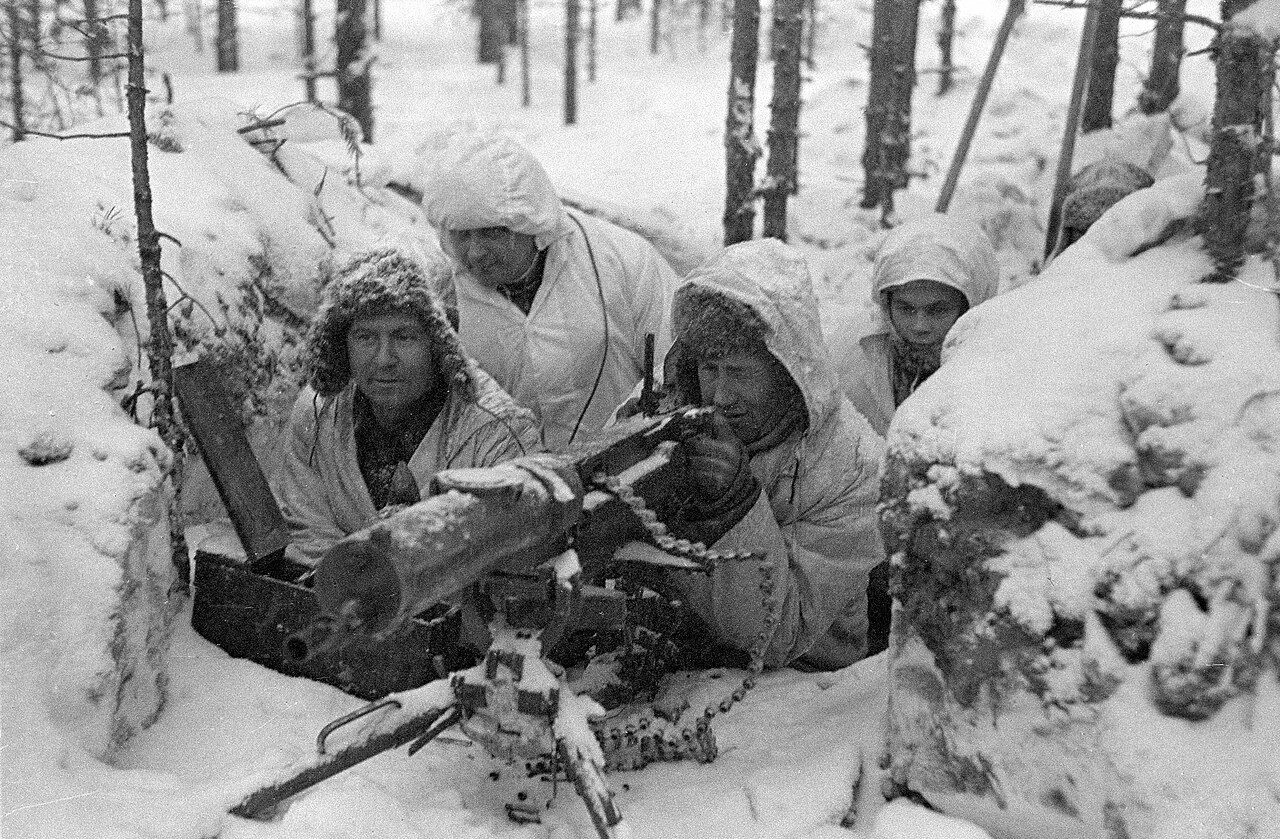
The Supreme Allied Council faces Finland
The war of the airwaves
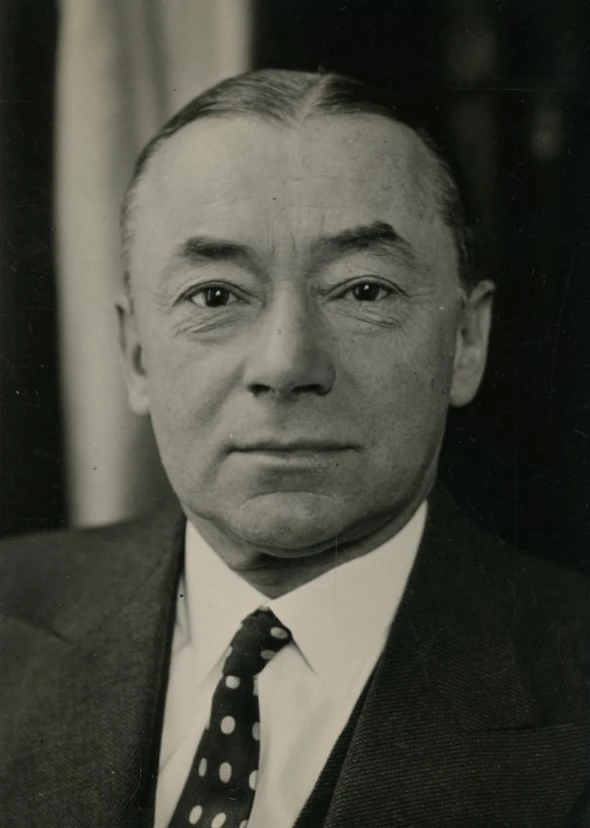
Reynaud — Matignon 21 March
Buy Each for Themselves or with a Single Voice
Baku in the crosshairs — Operation Pike
Biebow at Litzmannstadt — 8 February

Daladier — Thorez's Defection
Daladier asked to leave the War Ministry
Dunkirk: should the French be saved alongside the British?
Reynaud against Daladier — February 1940
The Supreme Allied Council faces Finland
The war of the airwaves
Reynaud — Matignon 21 March
Buy Each for Themselves or with a Single Voice
Baku in the crosshairs — Operation Pike
Biebow at Litzmannstadt — 8 February
Daladier — Thorez's Defection
Daladier asked to leave the War Ministry