
Reynaud against Daladier — February 1940
's government, in power since 10 April 1938, was passing through a prolonged crisis. Its popularity was collapsing: the aborted Saar offensive, the dissolution of the PCF, the static phoney war, the explosive budget deficit (50 billion francs in 1939, projected at 80 billion for 1940), the passivity in the face of Soviet provocations in Poland and Finland — all weighed against the government.
, 62, Minister of Finance since November 1938, embodied the offensive line within the government. A former international lawyer, a moderate conservative (Alliance démocratique), he advocated total French economic mobilisation, an Allied military offensive to help Finland, and a strong alliance with Great Britain. The more cautious Daladier refused any direct commitment in Scandinavia.
On 5 February 1940, at the Allied Supreme Council in Paris, Reynaud and Churchill (First Lord of the British Admiralty) agreed on an offensive Narvik plan. Daladier vetoed it. Reynaud, frustrated, contemplated resignation. From 6 to 22 February, the Daladier-Reynaud tensions were public. Several deputies (, ) argued for Daladier's replacement.
Reynaud had to choose how to act against Daladier.
How should Reynaud act against Daladier?
Reynaud chose B. Through February 1940 he remained Minister of Finance while criticising in private. On 15 March 1940, after the Peace of Moscow (Finland had been sacrificed by Allied inaction), the debate in the Chamber was stormy. Daladier won confidence by only 239 votes to 1, with 300 abstentions — a technical vote of no confidence. On 21 March 1940 Daladier resigned. Reynaud succeeded him as President of the Council; he kept Daladier as Minister of Defence (a political compromise). On 6 June 1940 Reynaud appointed General de Gaulle as Under-Secretary of State for War. Reynaud himself resigned on 16 June 1940 in the face of military defeat. Arrested by Vichy in September 1940, deported to Sachsenhausen in 1942, released in 1945. He resumed a political career under the Fourth Republic (deputy 1946-1962) and died in 1966. The crisis of February 1940 prefigured the political decomposition of France that would lead to the collapse of May-June 1940.
Learn more about this event
Related polls
10
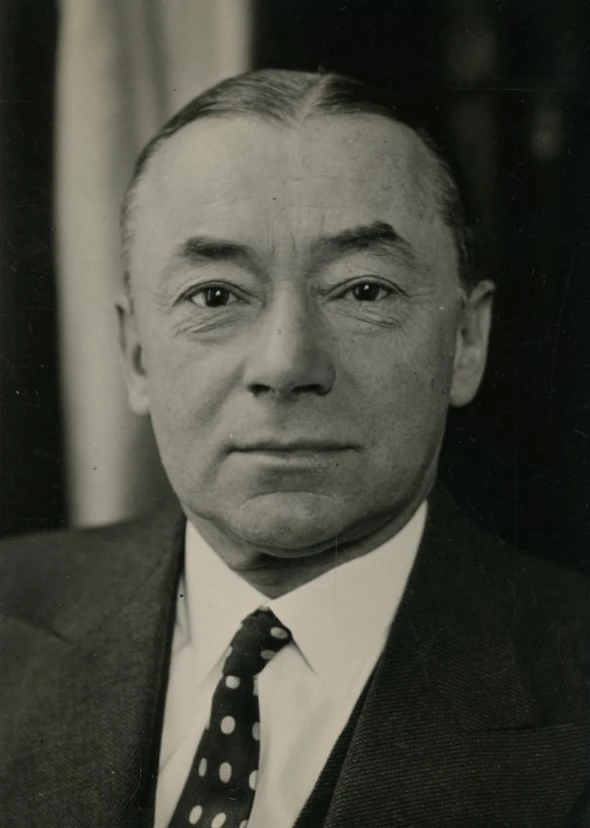
Reynaud — Matignon 21 March

Daladier — Thorez's Defection
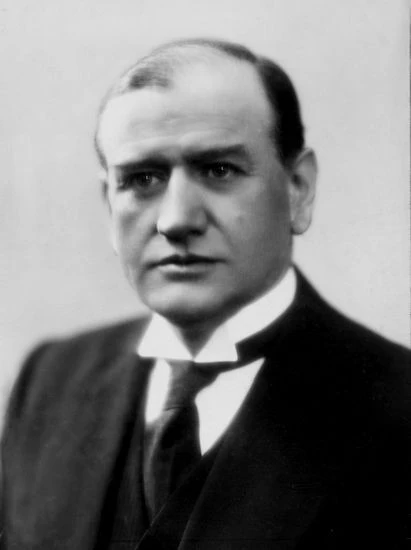
Daladier asked to leave the War Ministry
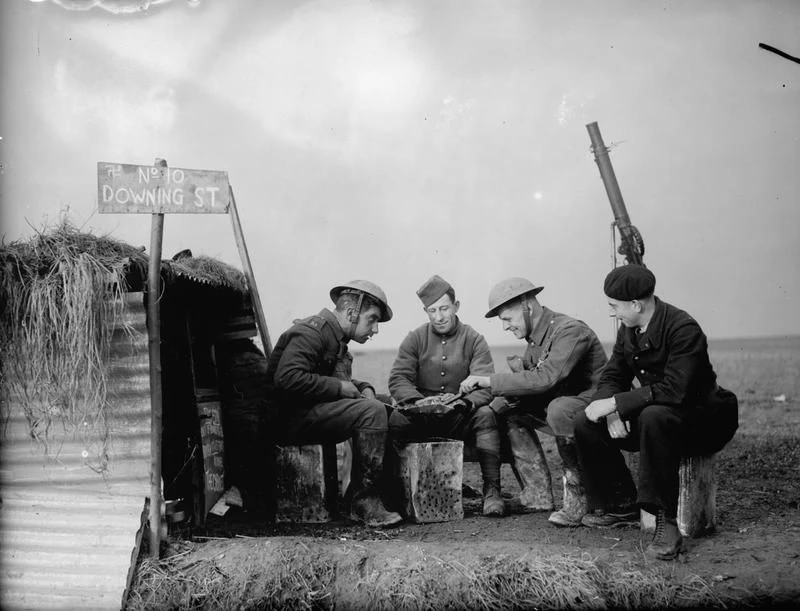
Maurras and the phoney war
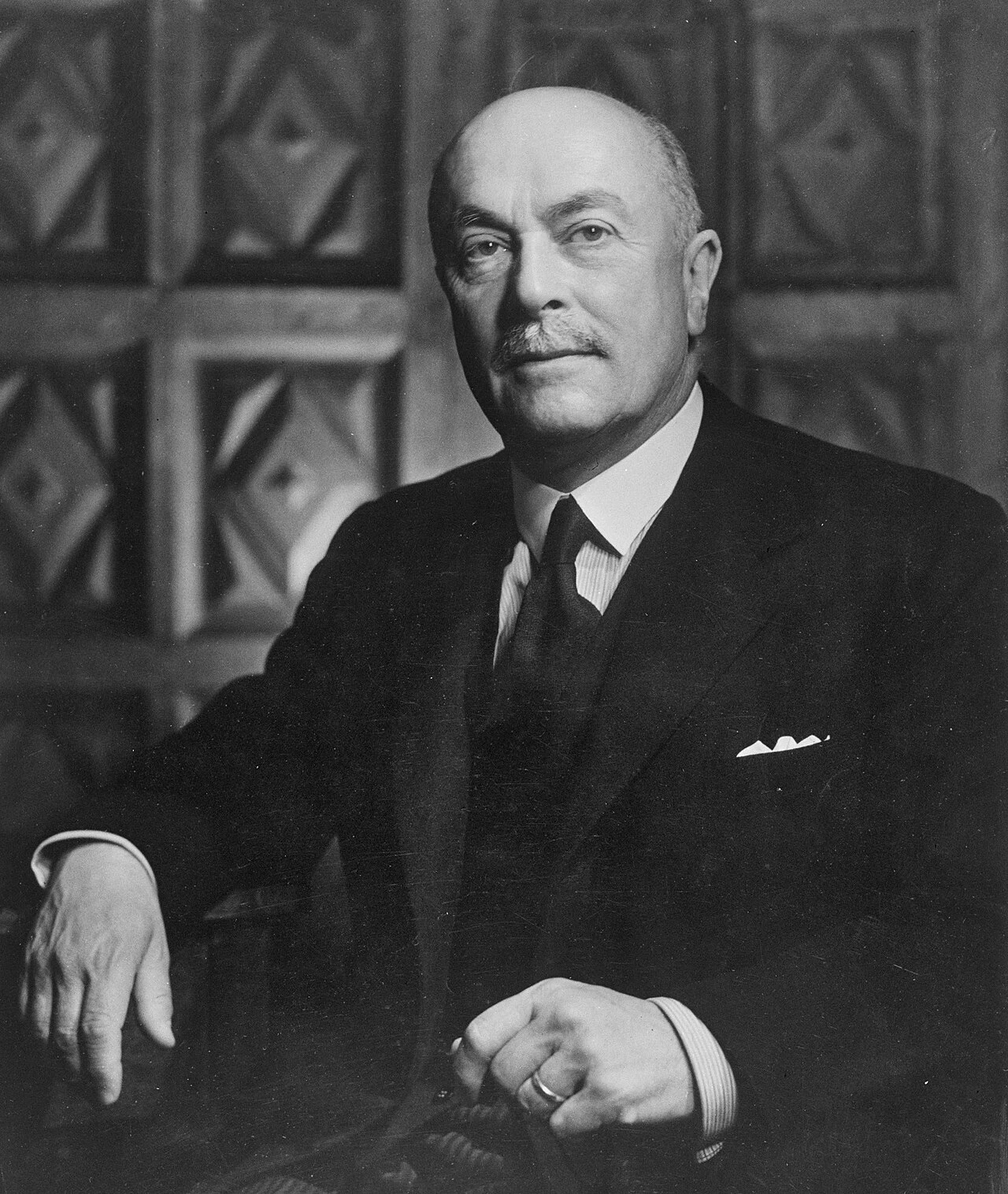
Pierlot at Limoges — from where to carry on?
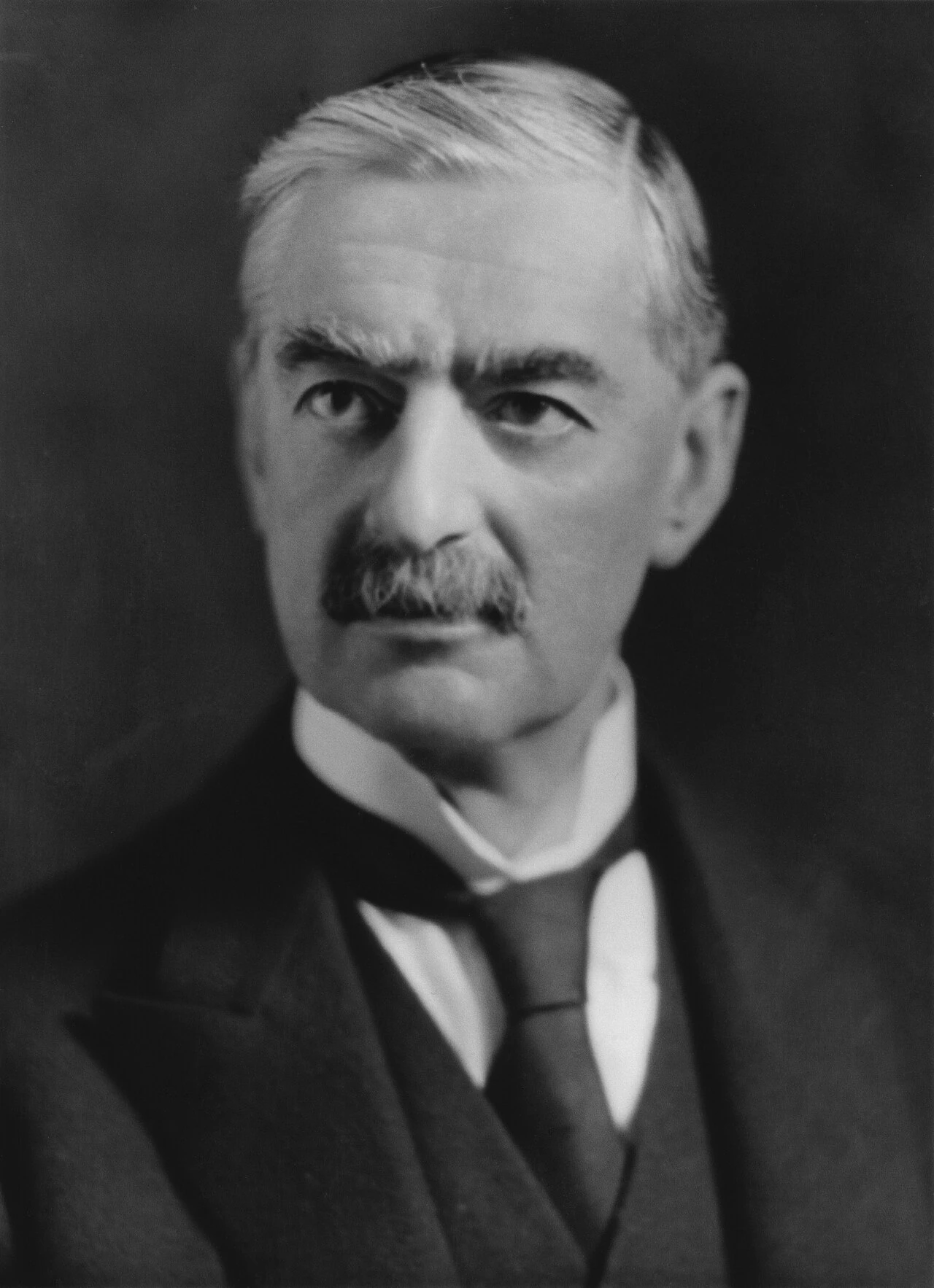
Chamberlain at Central Hall — 4 April
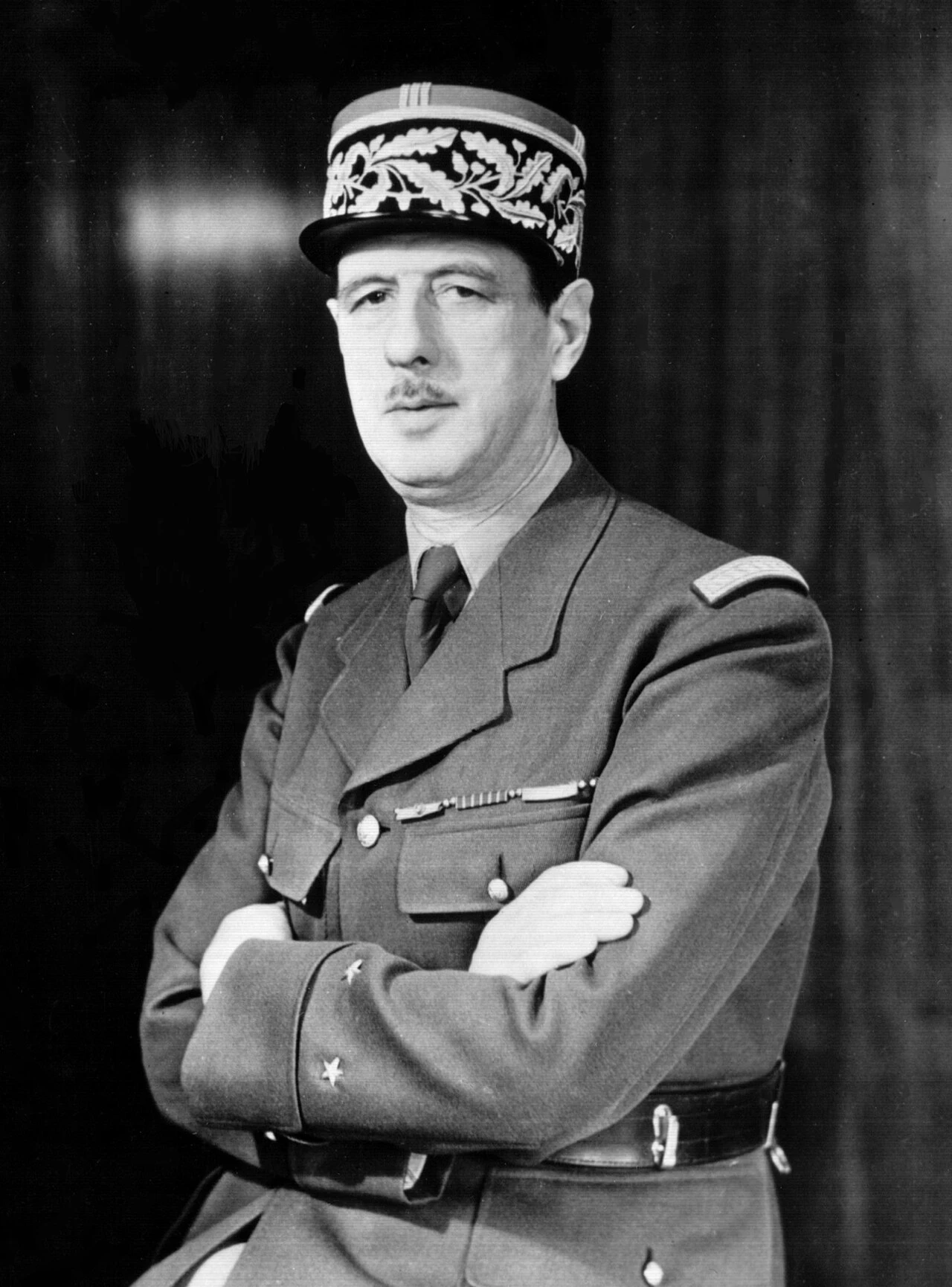
De Gaulle joins the government — 5 June
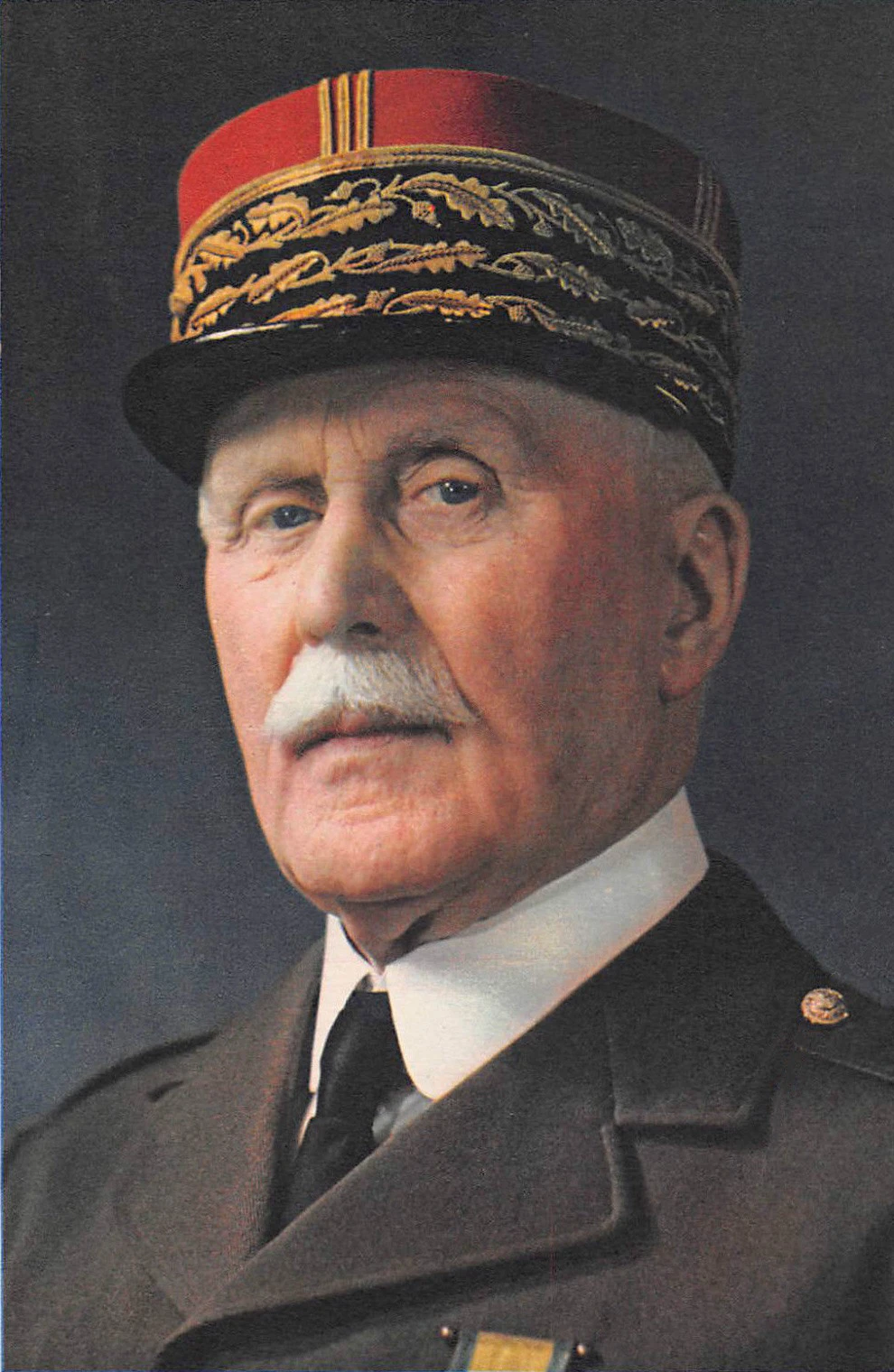
The hero of Verdun recalled from Madrid
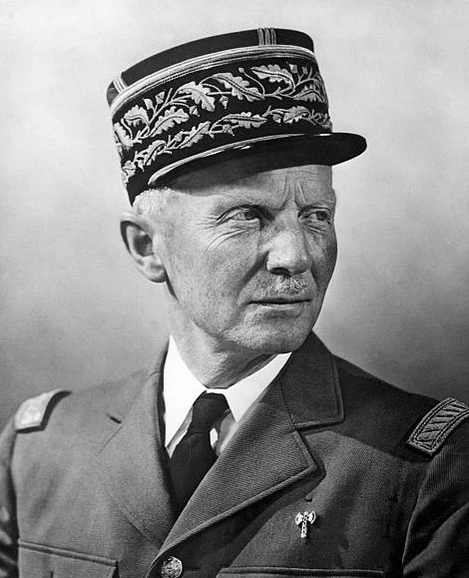
Huntziger in Foch's Carriage — 22 June
Mérignac — de Gaulle and Spears's aircraft
Reynaud — Matignon 21 March
Daladier — Thorez's Defection
Daladier asked to leave the War Ministry
Maurras and the phoney war
Pierlot at Limoges — from where to carry on?
Chamberlain at Central Hall — 4 April
De Gaulle joins the government — 5 June
The hero of Verdun recalled from Madrid
Huntziger in Foch's Carriage — 22 June