
An escort battleship on the convoy's route
Vice-Admiral commands the most powerful German surface sortie since the start of the war. On 4 February 1941, his two battlecruisers, the Scharnhorst and the Gneisenau, forced the Denmark Strait to wage a vast campaign of commerce raiding in the Atlantic: Operation Berlin.
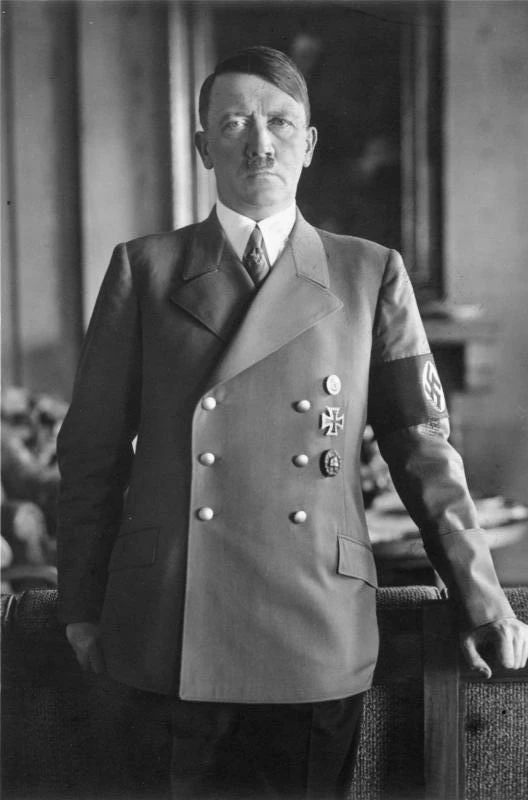
His mission, set by Grand Admiral Raeder, is to destroy the Allied merchant tonnage vital for the supply of Great Britain. But it comes with a strict instruction, inherited from Hitler's caution after the loss of the Graf Spee: do not engage an enemy capital ship, and preserve these irreplaceable vessels at all costs.
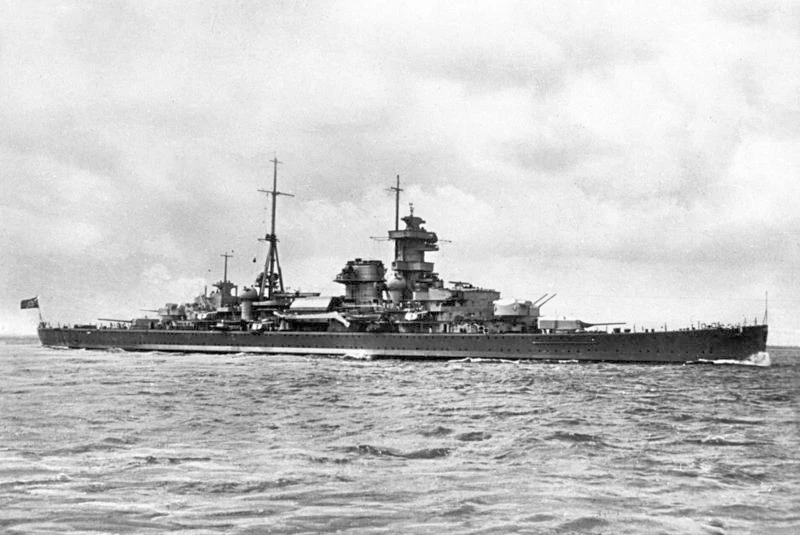
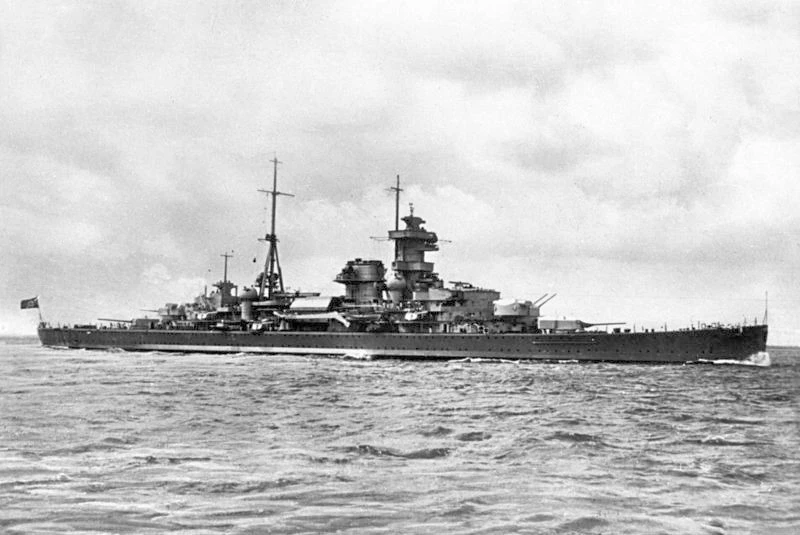
On 8 February, far out in the North Atlantic, the lookouts spot convoy HX-106, some forty cargo ships from Halifax. This is exactly the prey sought. But the convoy is accompanied by an old Royal Navy battleship, the Ramillies, slow and dated, whose 381 mm guns nonetheless remain capable of inflicting mortal blows. Lütjens's cruisers are faster and their 280 mm pieces have greater range; the commander of the Scharnhorst even proposes luring the battleship away to let the Gneisenau massacre the merchantmen.
Should Lütjens attack the convoy despite the presence of the battleship Ramillies, or break off?
Lütjens chooses B: strictly faithful to Hitler's directive, he refuses his subordinate's offer and has contact broken off. Convoy HX-106 continues on its way intact. Lütjens's caution — which puts the preservation of his two units above the destruction of tonnage — foreshadows the permanent dilemma of the surface Kriegsmarine: ships too precious to be risked become almost unusable. Operation Berlin will nonetheless be, over two months, the most profitable war cruise of the German navy, with 22 ships sunk or captured while systematically avoiding the heavy escorts. A few months later, Lütjens will set out again with the Bismarck — and this time, the confrontation with the British battleships will cost him his life.
Learn more about this event
Related polls
10
An unescorted convoy in the grey morning
Hitler signs the Barbarossa directive
A raider, a convoy and a cruiser escort
Saving an ally bogged down in the mountains
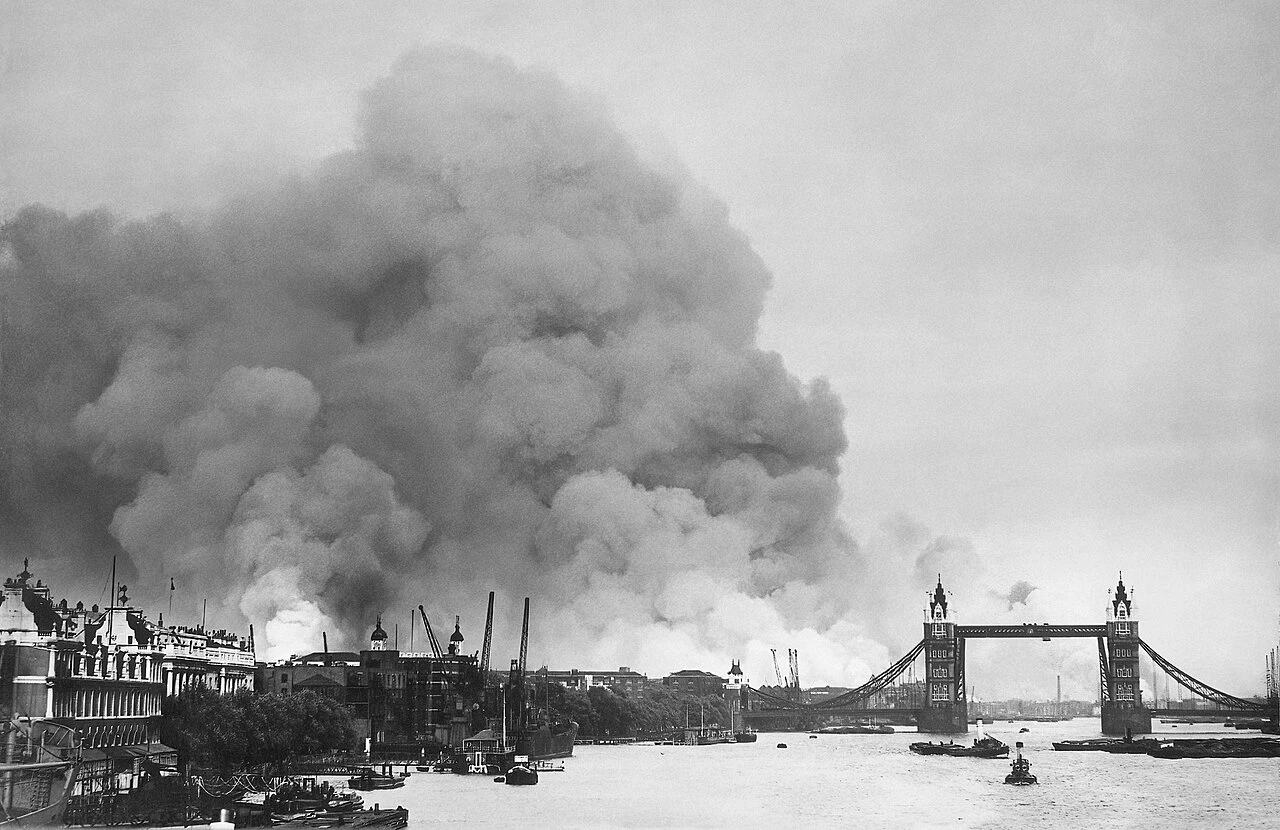
Adlertag — which targets?

Force H — a raid in Italian waters
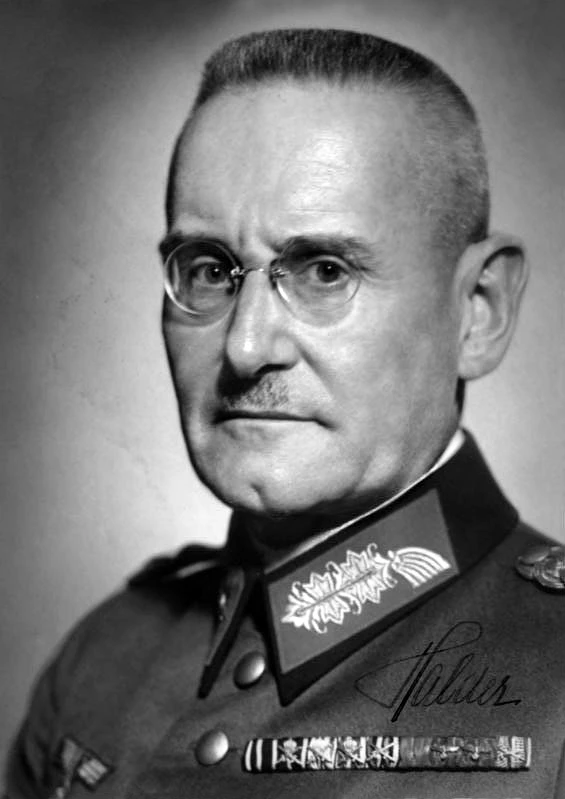
Which heart to strike in the East?
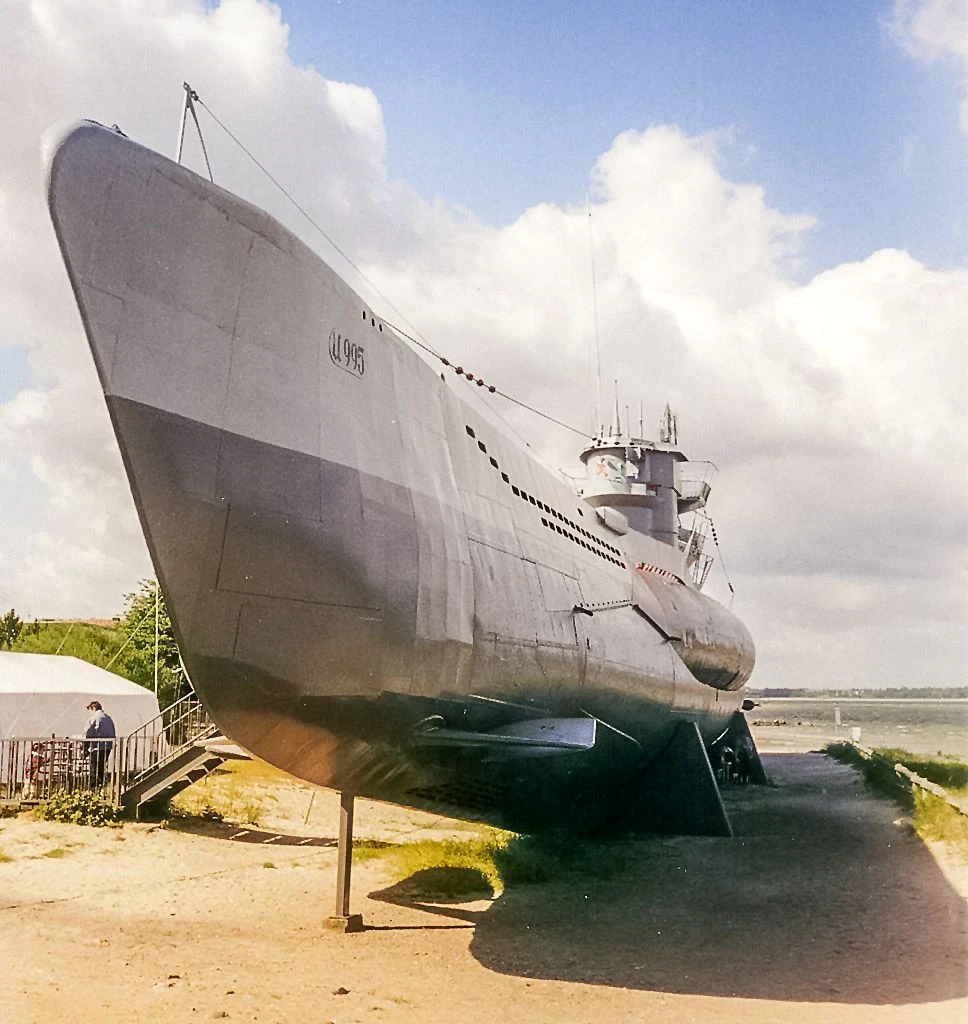
Dönitz at Sengwarden — the winter pause
Fall Gelb — the order of 9 May 20:00
Galland over the Estuary
An unescorted convoy in the grey morning
Hitler signs the Barbarossa directive
A raider, a convoy and a cruiser escort
Saving an ally bogged down in the mountains
Adlertag — which targets?
Force H — a raid in Italian waters
Which heart to strike in the East?
Dönitz at Sengwarden — the winter pause
Fall Gelb — the order of 9 May 20:00