
Stutthof — Pauly and the first contingent
The Stutthof camp opens on 2 September 1939 — less than 24 hours after the invasion. It is built on the marshy land of the Hel peninsula, near the village of Stutthof (today Sztutowo), 36 km east of Danzig. It is the first Nazi camp established on Polish territory. Its initial function, planned since April 1939 by in agreement with Gauleiter Forster: to eliminate the Polish and Jewish elites of Danzig and Pomerania identified by the Sonderfahndungsbuch Polen.
The first commandant is SS-Sturmbannführer , 32, a former bank employee, party member since 1929. He initially has 150 SS men and uses about 40 German civilian workers. The first contingent received: 150 Poles arrested in Danzig on 1 September (mostly Polish postal workers, railwaymen, customs officers). Daily, buses return with hundreds of prisoners.
Pauly must set the regime imposed on this first wave of Polish detainees: length of detention, treatment, the place of forced labour. Several logics compete — interrogation and screening followed by releases, prolonged exploitation to the point of exhaustion, or expeditious elimination on the model of the mass executions carried out in the field by the Einsatzgruppen. The method chosen will shape the camp's vocation from its very first days.
What regime should be applied to the first Polish detainees in September 1939?
Pauly applies B. Under Nazi typology, Stutthof at this stage belongs to the category of concentration camps rather than extermination centres. Regime at Stutthof: forced labour 14 hours a day (draining marshes, peat extraction, building of barracks), ration of about 600 calories a day, mortality of 30-40 percent in the first year (without gas). At 31 December 1939, 3,500 prisoners are held. At its peak occupancy (1944), Stutthof will hold 57,000 detainees. From June 1944 the camp becomes an extermination centre with the construction of gas chambers (Zyklon B) to murder the Hungarian Jewish women transferred from Auschwitz. Total death toll: between 65,000 and 110,000 (consensus figures), mostly Polish and Jewish. Pauly is promoted to commandant of Neuengamme in 1942, then condemned by the British at the Hamburg trial in 1946 and hanged in October 1946. Stutthof remains one of the major sites of Polish Holocaust memory — a Polish state museum was established in 1962. A particularity: its late ending; active combat takes place there until 9 May 1945 (two days after the German capitulation), with evacuation by ship into the Baltic: about 25,000 prisoners are evacuated, several thousand perish in shipwrecks (notably the Cap Arcona on 3 May 1945, bombed by the RAF, which mistook the ship for a military transport).
Learn more about this event
Related polls
10
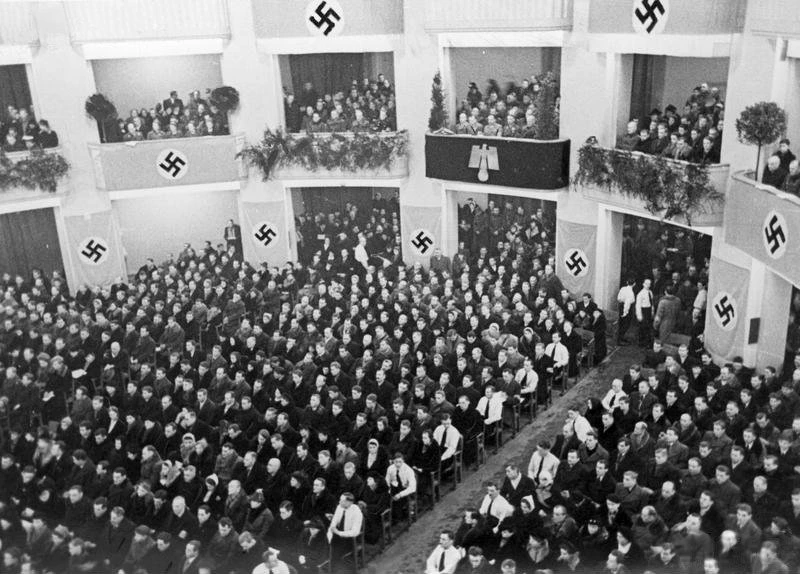
Selbstschutz — Alvensleben in Pomerania
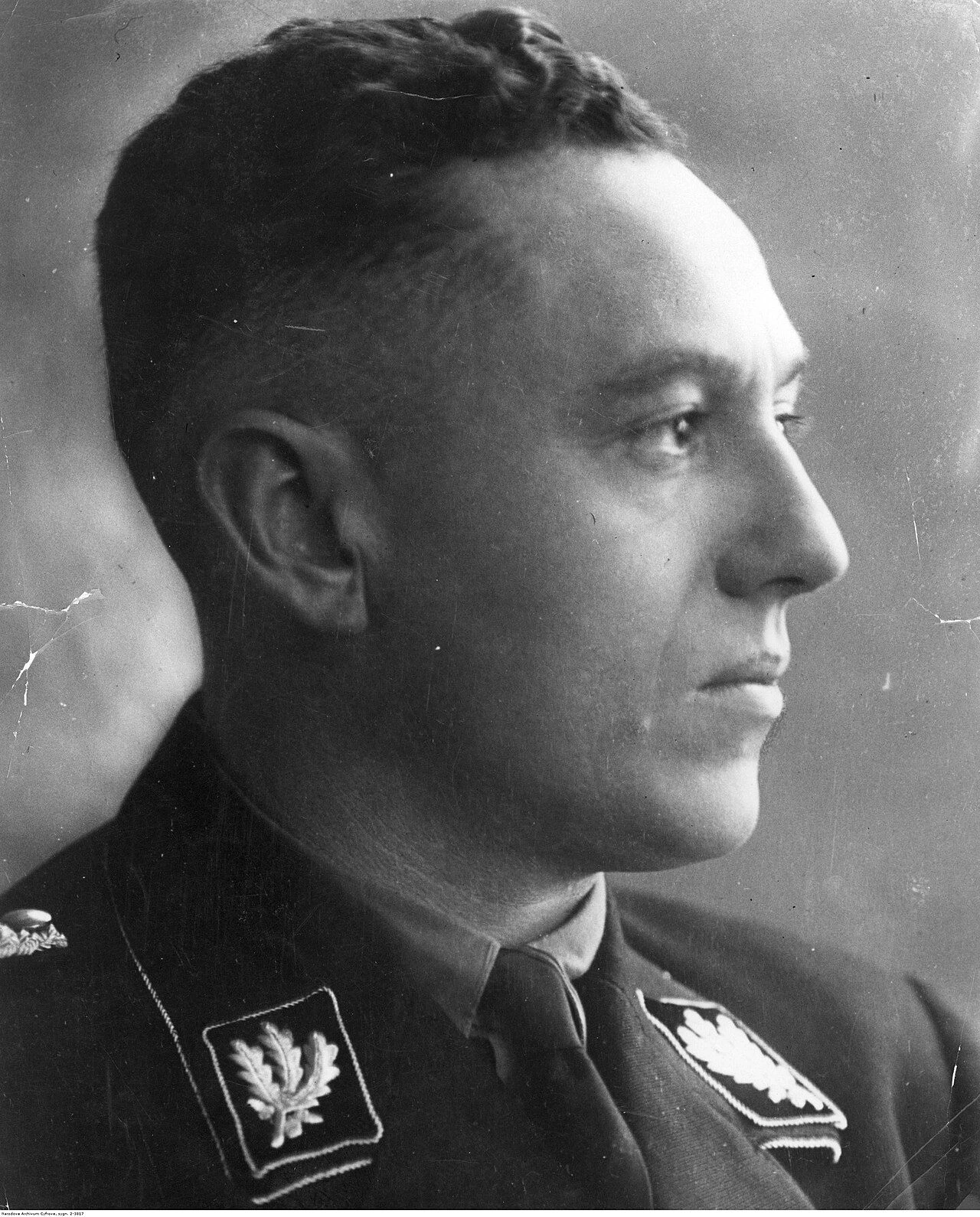
Forster — Kashubians and Kociewiacy
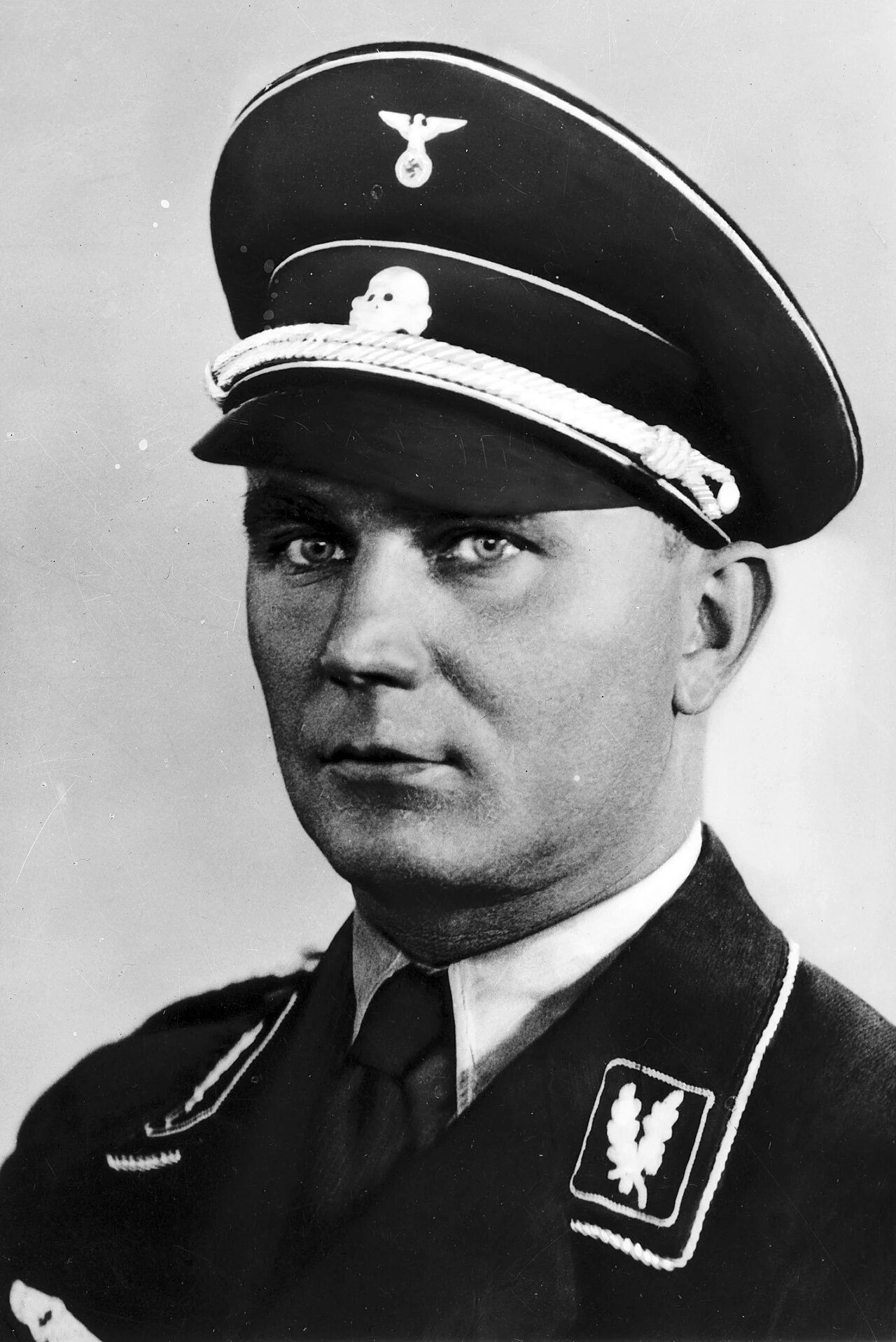
Greiser — the Priority of the Wartheland
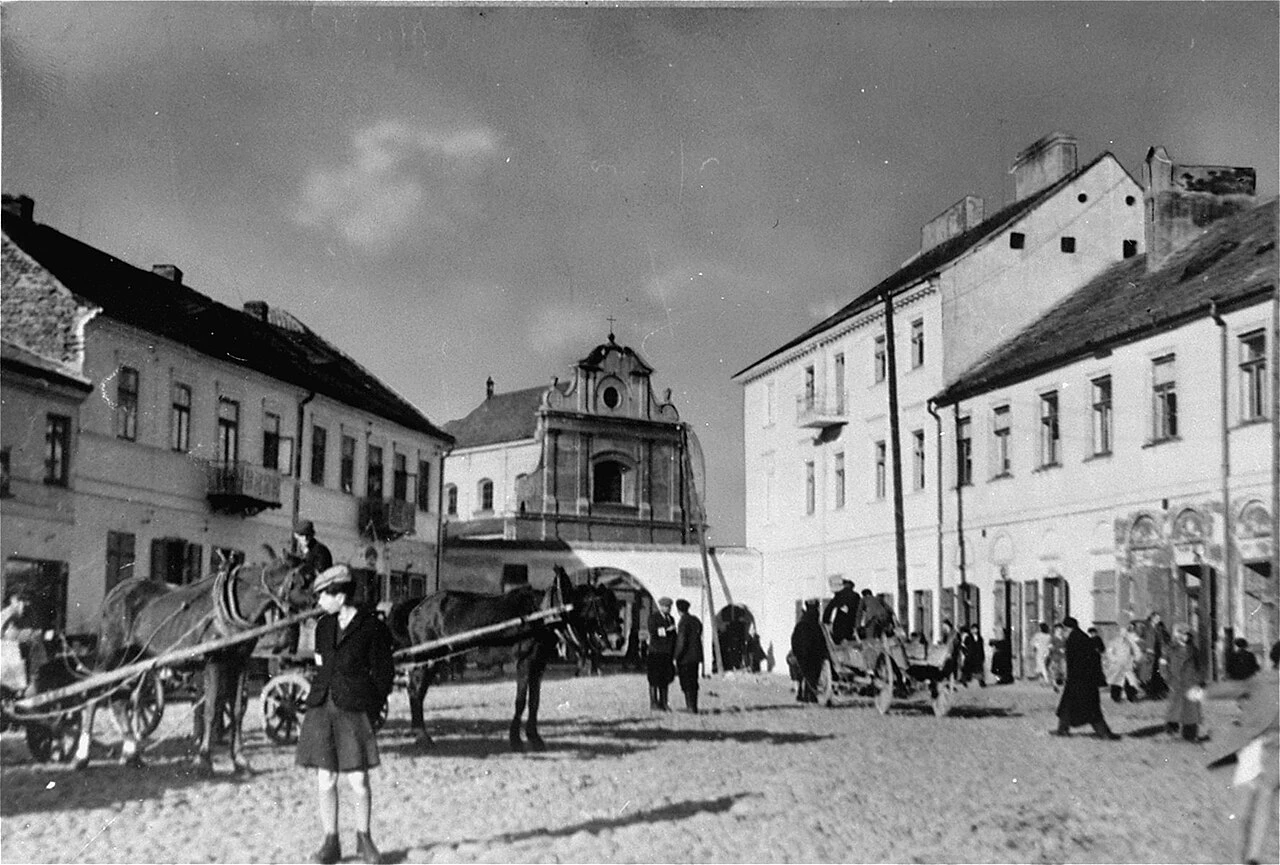
Piotrkow — Tenenberg Facing the Judenrat
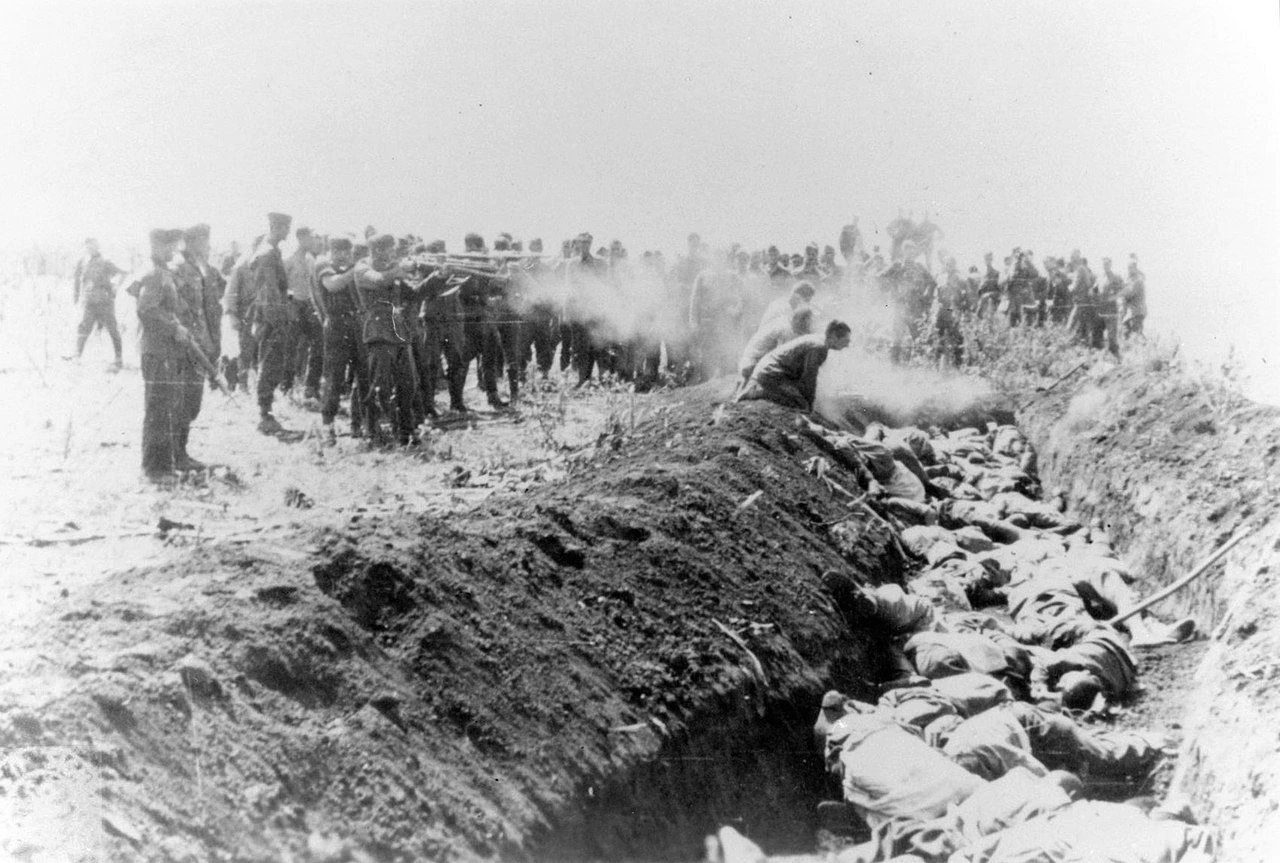
Heydrich — the Conference of 21 September
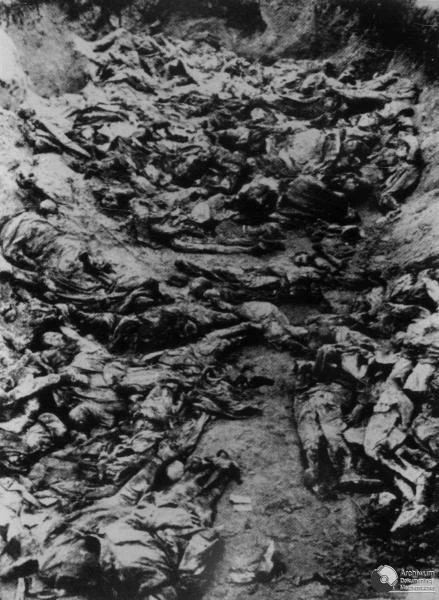
Beria — the NKVD ordinance of 19 September
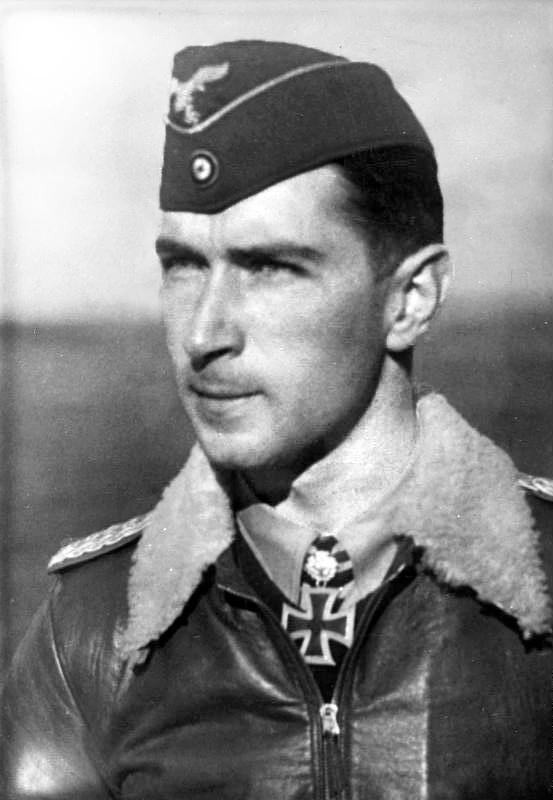
Mölders above the columns — 18 May
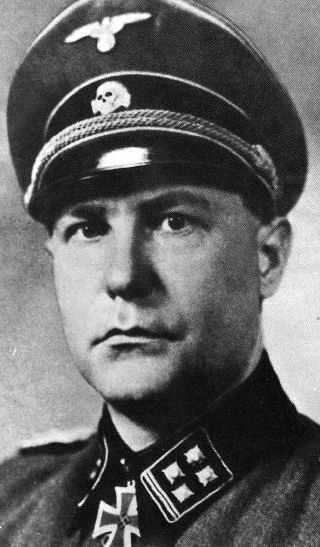
Le Paradis — the barn at Cornet-Malo
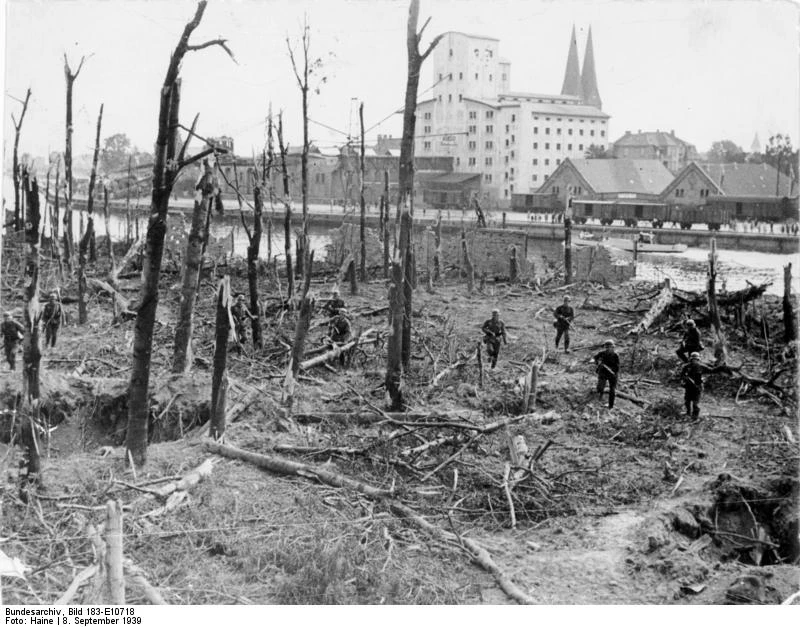
A Danzig Customs Officer on the Day of Annexation
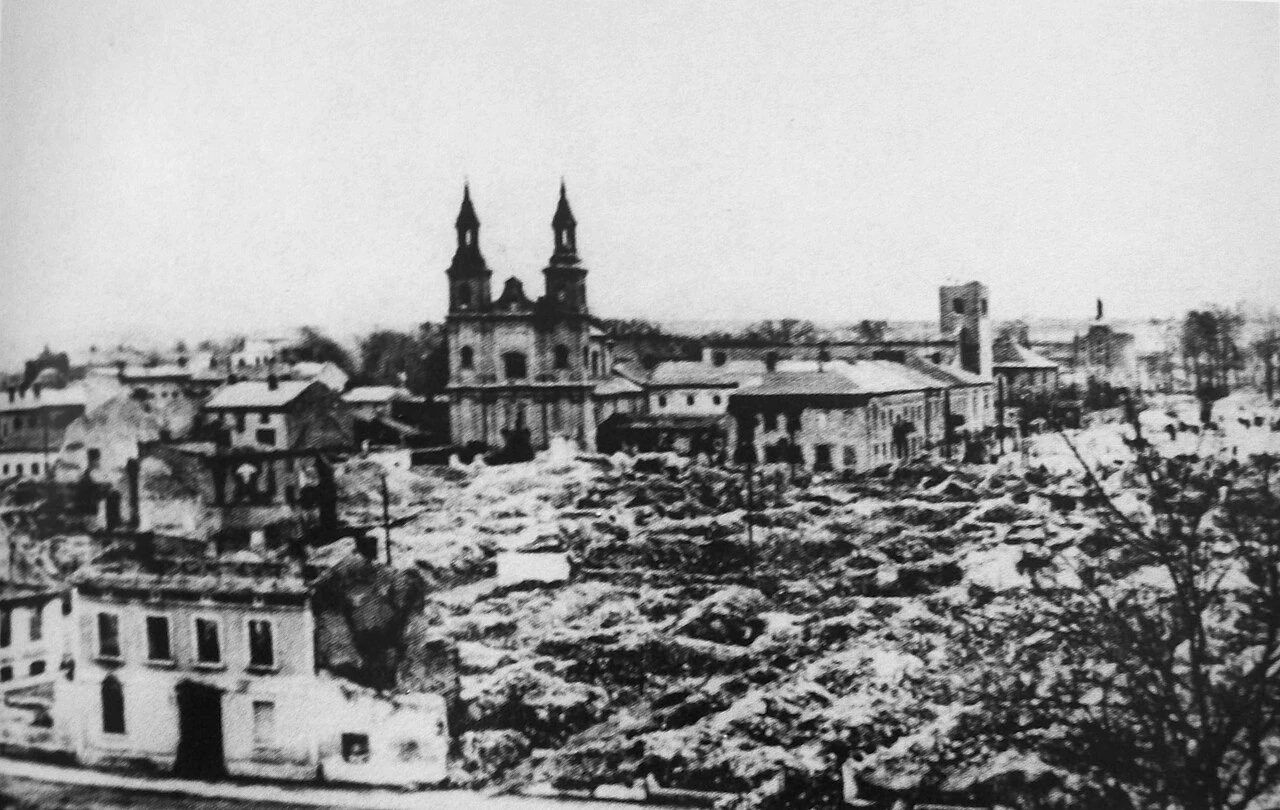
Wieluń, 1 September 1939 — the dawn before Westerplatte
Selbstschutz — Alvensleben in Pomerania
Forster — Kashubians and Kociewiacy
Greiser — the Priority of the Wartheland
Piotrkow — Tenenberg Facing the Judenrat
Heydrich — the Conference of 21 September
Beria — the NKVD ordinance of 19 September
Mölders above the columns — 18 May
Le Paradis — the barn at Cornet-Malo
A Danzig Customs Officer on the Day of Annexation