
Halt-Befehl — Charleville 24 May 12:30
On 23 May 1940, the German armoured divisions (Guderian, Reinhardt, Hoth) have reached the Aa canal, 10 km from Dunkirk. The British Expeditionary Force (BEF) under Lord Gort, the French 1st Army under Georges Blanchard, and the Belgian army are encircled in the "Flanders pocket" (60 km deep). Everything suggests that the Wehrmacht can destroy the encircled Allies in 48 hours.
On the morning of 24 May 1940, Hitler arrives at the HQ of at Charleville-Mézières. Meeting with (commander of ), (OKH commander-in-chief) and (chief of staff). Rundstedt cautiously raises the state of the armour after a lightning advance and the possible need for regrouping. The marshy Flanders terrain, poorly suited to tanks, also enters the discussion.
At 12:30 on 24 May 1940, a major decision must be taken on the use of the Panzers against the pocket. Several logics compete: military, political, operational. The exact motives for this choice will be debated ever after. Historians offer three competing readings.
Why does Hitler accept this halt?
Hitler signs Directive No. 13, the "Halt-Befehl": the armoured divisions must stop on the line of the Aa canal, and the destruction of the pocket is entrusted to the Luftwaffe — Göring having promised to "finish off" the BEF from the air. The tanks have covered 350 km in 14 days and many need overhaul. Modern consensus historiography (, ) accepts mainly the military conviction of preserving the Panzers for the next phase (Fall Rot, the attack on Paris on 5 June), with a political element (hope of a negotiated peace if Halifax regains the upper hand over Churchill). The strategic error is massive: during the three days of the halt (24-26 May), the Allies organise Dynamo. From 27 May to 4 June, 338,226 soldiers are evacuated to England — almost the entire BEF, plus about 100,000 French and 30,000 Belgians. The Halt-Befehl is probably Hitler's greatest strategic mistake of the 1940 campaign. It allows Britain to carry on the war — without which the Battle of Britain would probably never have taken place in the form we know.
Learn more about this event
Related polls
10
De Gaulle joins the government — 5 June
Darlan and the fleet — 20 June
Dunkirk: should the French be saved alongside the British?
The Empire — Vichy or de Gaulle
Rethondes — Article 8 on the Fleet
The Franco-British union — 16 June
Baku in the crosshairs — Operation Pike
The Capitulation of 28 May
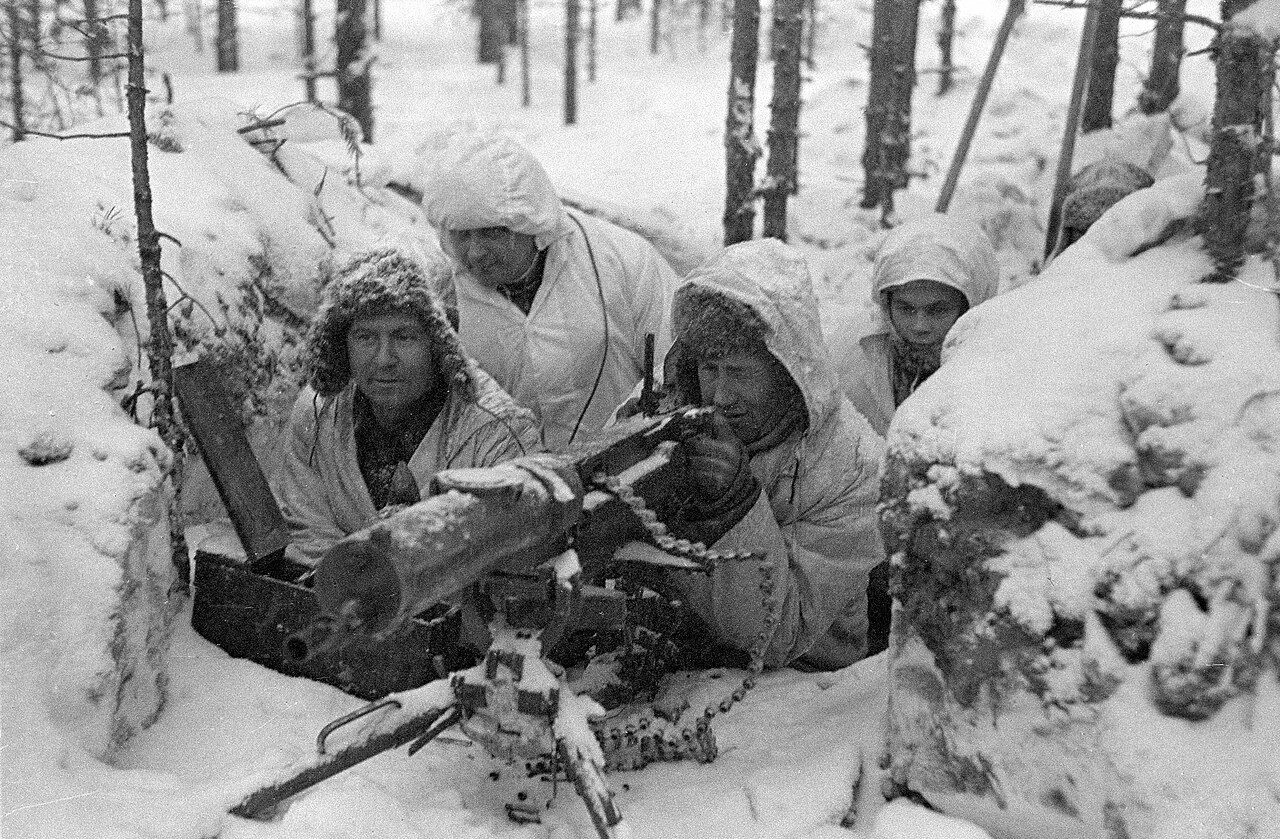
The Supreme Allied Council faces Finland
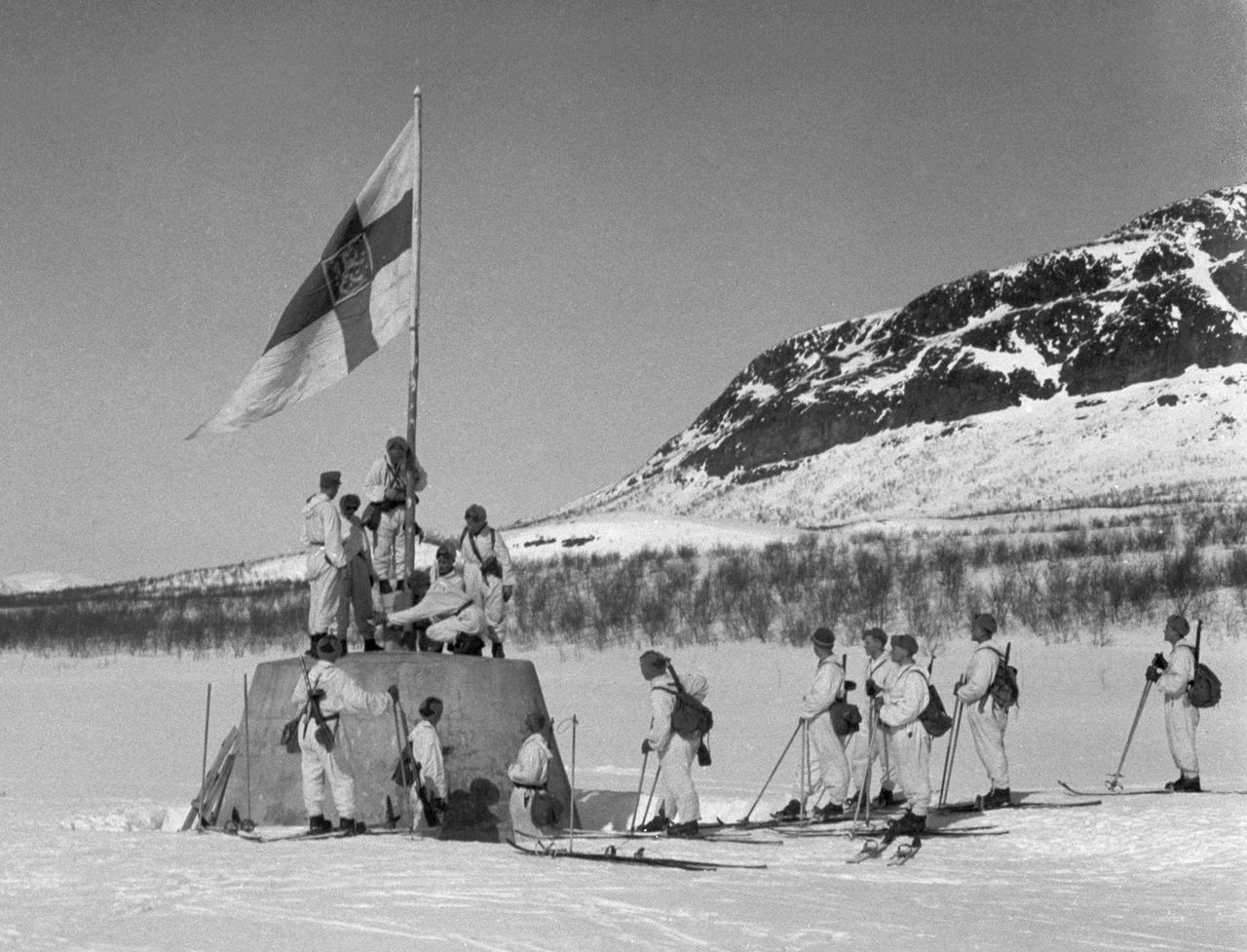
Should Finland be helped?
De Gaulle joins the government — 5 June
Darlan and the fleet — 20 June
Dunkirk: should the French be saved alongside the British?
The Empire — Vichy or de Gaulle
Rethondes — Article 8 on the Fleet
The Franco-British union — 16 June
Baku in the crosshairs — Operation Pike
The Capitulation of 28 May
The Supreme Allied Council faces Finland