
Since September 1940, London and Britain's cities had been enduring the Blitz, the German night bombings. But, unknown to the British, the Luftwaffe was preparing to redeploy east for the invasion of the USSR: the night of 10-11 May 1941 would be, though no one yet knew it, the last great raid on the capital — and one of the most violent.
That night, a full moon and a low tide on the Thames — which deprived the firemen of water — offered ideal conditions to some 500 German bombers. Thousands of incendiary and explosive bombs rained down on the city. The House of Commons was destroyed, Westminster Abbey, the Tower of London and the British Museum were damaged; hundreds of fires merged.
Our firemen and civil defence auxiliaries (Auxiliary Fire Service, ARP wardens) faced a blaze beyond their means, with broken water mains. As on the worst nights of the Blitz, each had to choose where to direct effort: protect the monuments and symbolic buildings; save lives first in the residential districts and stricken shelters; or contain the spread of the fires toward the still-intact areas.
Where should the emergency services concentrate their resources that night?
The emergency services favoured B and C, but could not prevent considerable destruction. The night of 10-11 May 1941 killed nearly 1,400 people in London, wounded more than 1,800, and damaged thousands of buildings, including the heart of parliamentary power. It was the deadliest raid of the Blitz on the capital. Yet in the days that followed, the attacks almost ceased: the Luftwaffe was transferring its squadrons east for Barbarossa. May had seen other cities struck: Liverpool, bombed for seven nights from 1 to 7 May (nearly 1,900 dead), and Belfast, whose total raid toll approached a thousand killed. The Blitz would have killed more than 40,000 British civilians since September 1940. The city had held; the myth of the 'Blitz spirit' fed on these nights, even if the reality was made as much of exhaustion and fear as of stoicism.
Learn more about this event
Related polls
10
Coventry — the night of November 14
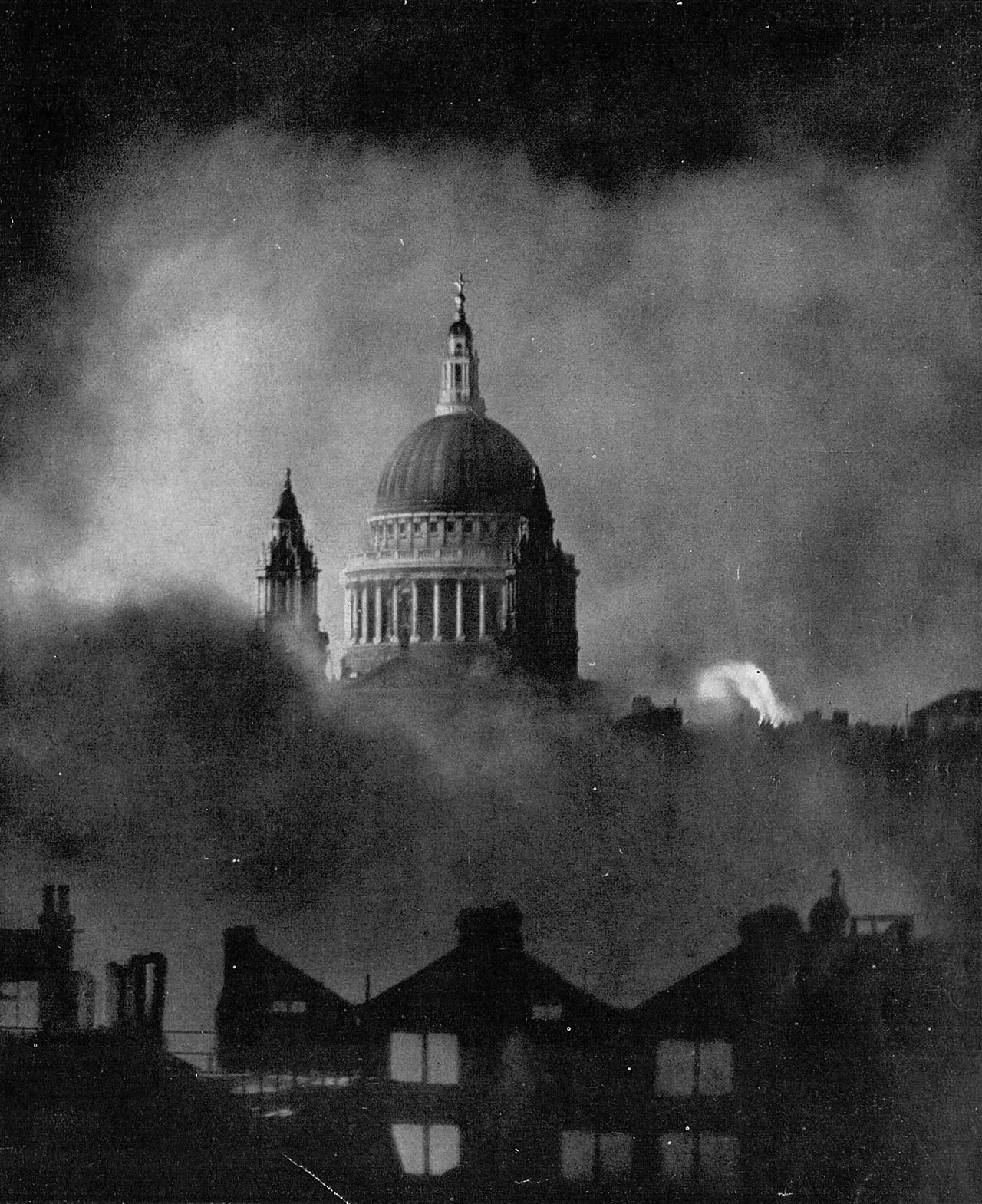
The Second Great Fire of London
Chain Home — the Invisible Wall
Dowding and the Last Reserves — 15 September 1940
Dowding — Keep the Fighters?
Habbaniya — the Anglo-Iraqi War
Keith Park at Uxbridge — September 15
The Polish Pilots of 303 Squadron
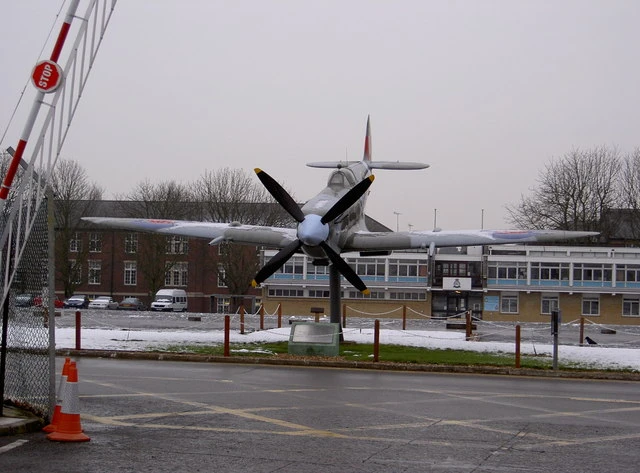
The Uxbridge plotter

The Belgian air force on the ground
Coventry — the night of November 14
The Second Great Fire of London
Chain Home — the Invisible Wall
Dowding and the Last Reserves — 15 September 1940
Dowding — Keep the Fighters?
Habbaniya — the Anglo-Iraqi War
Keith Park at Uxbridge — September 15
The Polish Pilots of 303 Squadron
The Uxbridge plotter