
Lviv — the July pogroms
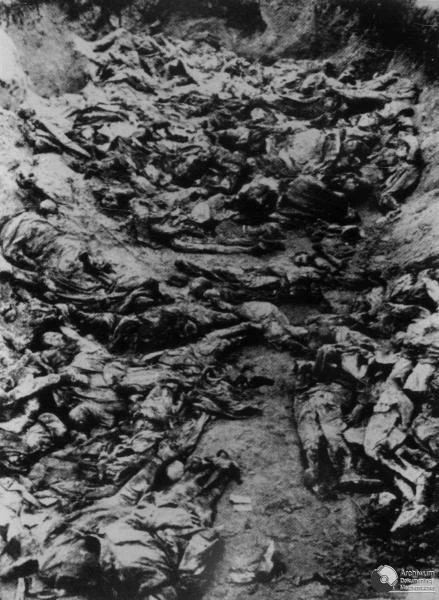
When the Wehrmacht takes Lviv (Lwów to the Poles, Lemberg to the Germans), a large city of Galicia, in early July 1941, it discovers there the mass graves of several thousand prisoners executed by the retreating Soviet NKVD. News of these Soviet massacres convulses a city already crossed by acute national tensions.
is on the scene, assisted by Ukrainian nationalist militias that have entered the city. As at Kaunas, local resentment can be fanned by propaganda, which seeks to associate Jews with Communism. The corpses of the NKVD's prisoners are there, ready to be displayed, and popular fury is smouldering.
The organizers must decide the form of the outburst: provoke a pogrom by presenting the Jews as guilty of the NKVD's crimes, and leave it to the local auxiliaries; carry out directly targeted executions of notables and intellectuals; or defer while awaiting instructions. The decision is taken in a city where national hatreds, recent Soviet terror and Nazi ideology overlap.
How do the occupiers trigger the violence against the Jews of Lviv?
The occupiers combine A and C. From 1 to 4 July 1941, pogroms — directed by and carried out largely by Ukrainian auxiliaries — claim around 4,000 Jewish victims, humiliated, beaten and shot, under the pretext of the NKVD's mass graves. A second wave (the 'Petliura days') will follow in late July. In parallel, the Germans execute Polish professors of the university. Lviv illustrates the mechanism of the massacres of the summer of 1941: the occupier instrumentalizes Soviet crimes and national tensions to set in motion, through seemingly spontaneous 'pogroms', an extermination that it then organizes and systematizes itself. German responsibility for the triggering and the directing of these killings is today established.
Learn more about this event
Related polls
10
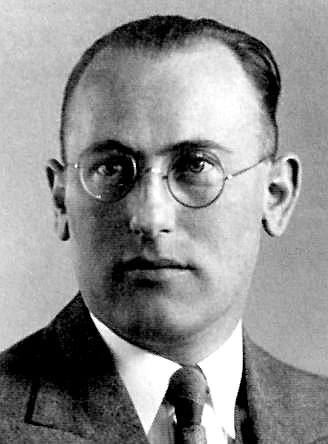
Kaunas — the first pogroms
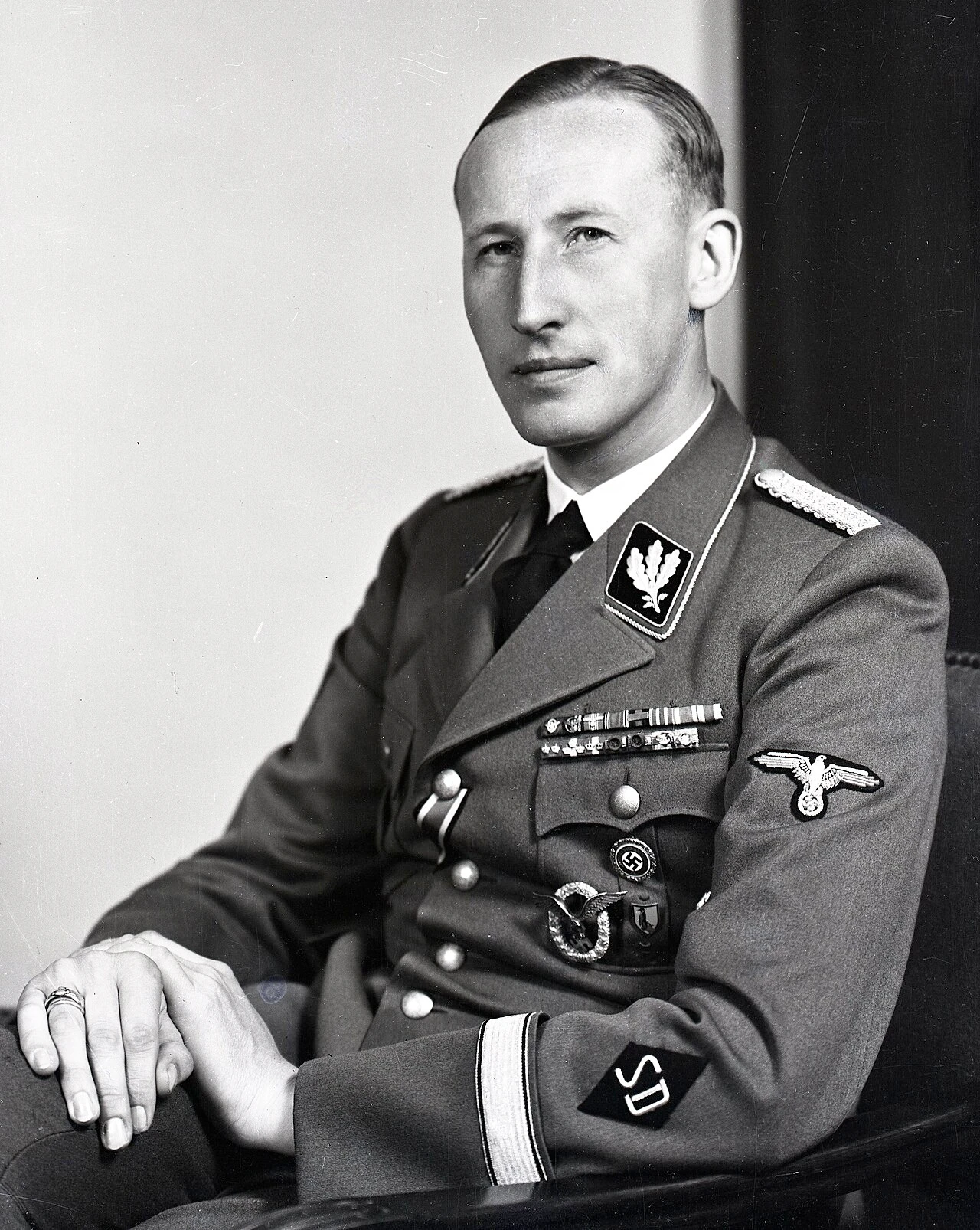
Heydrich's mandate
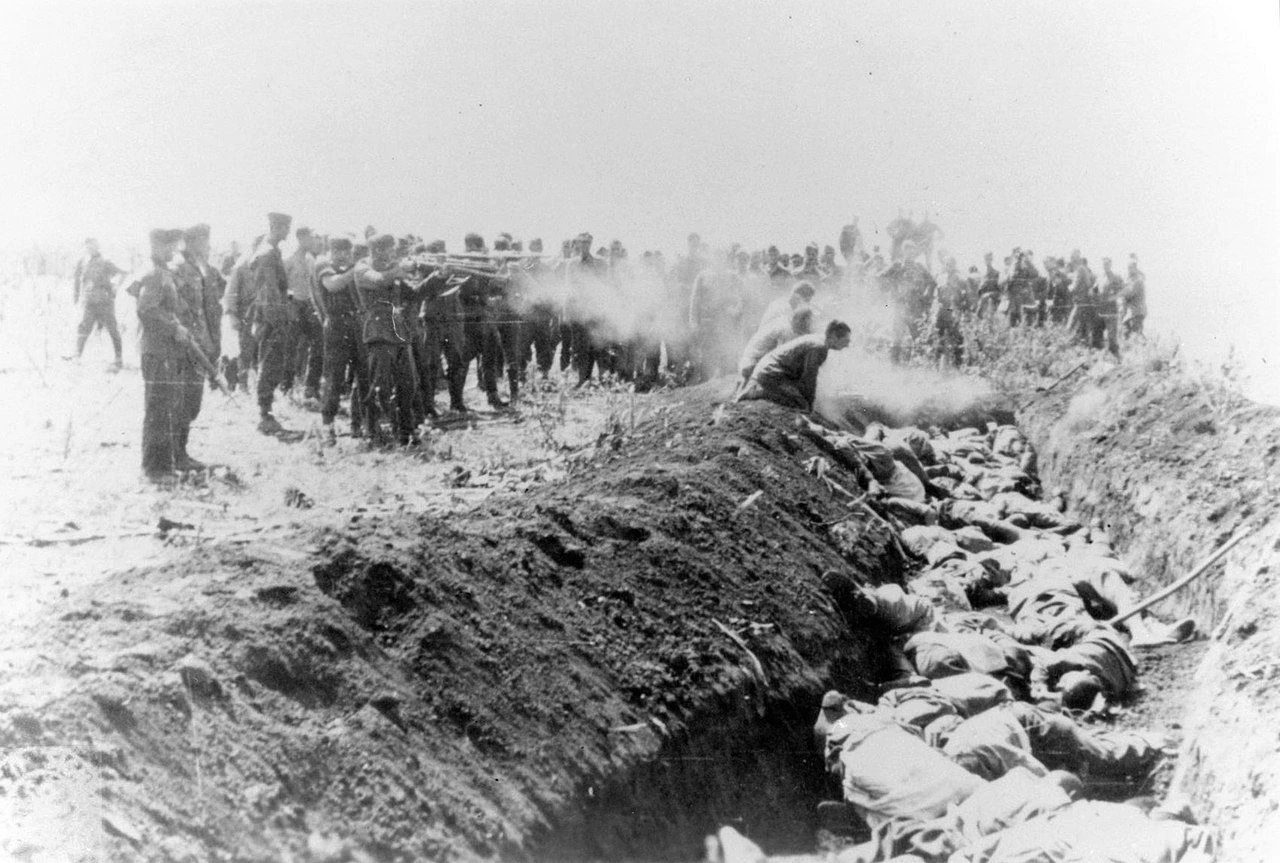
Heydrich — the Conference of 21 September
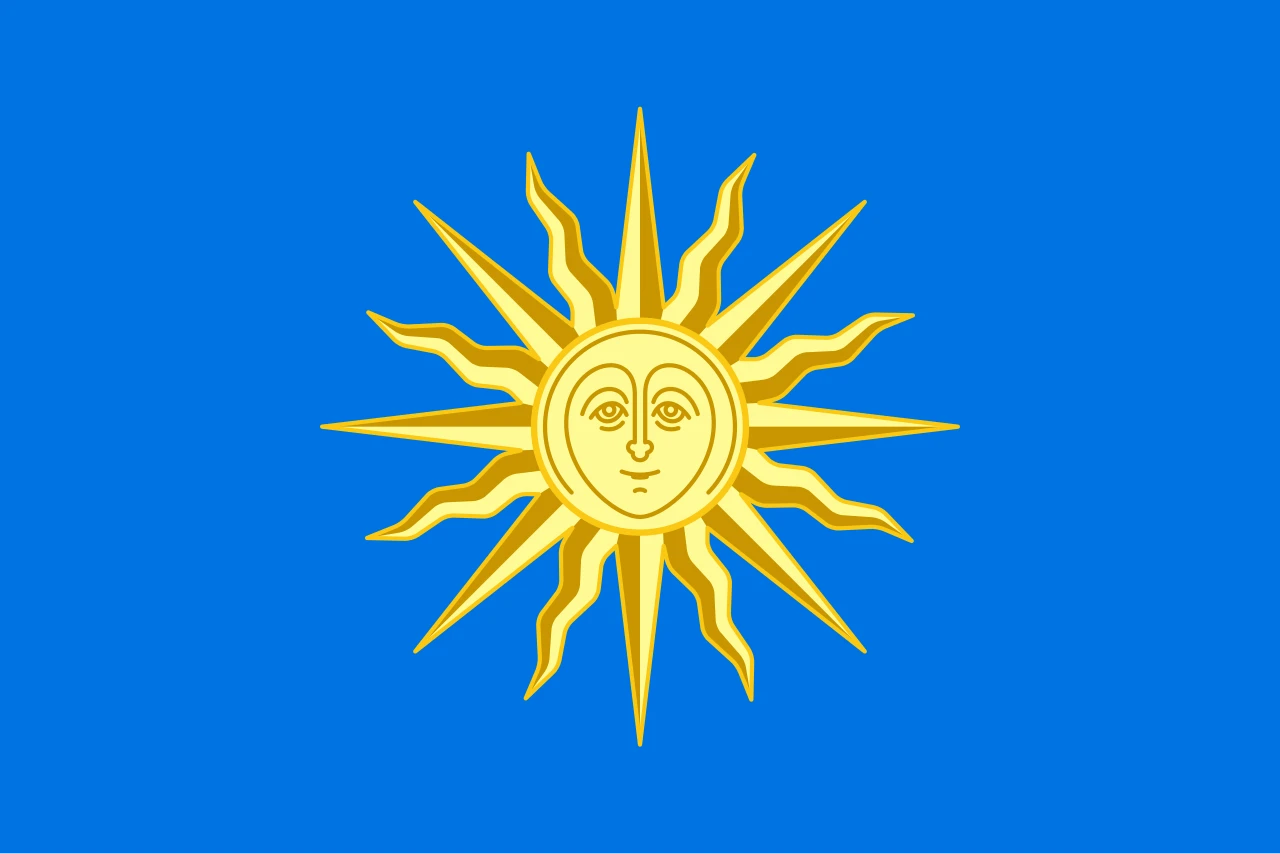
Kamenets-Podolski — the threshold crossed
Beria — the NKVD ordinance of 19 September
Doussot — Special Brigade No. 1
Ganshof and the "suspects"
Katyn — the order on Beria's desk
The Commissar Order
Serov — 10 February 06:00 at Lwów
Kaunas — the first pogroms
Heydrich's mandate
Heydrich — the Conference of 21 September
Kamenets-Podolski — the threshold crossed
Beria — the NKVD ordinance of 19 September
Doussot — Special Brigade No. 1
Ganshof and the "suspects"
Katyn — the order on Beria's desk
The Commissar Order