
Intelligence and the Ardennes
Before the offensive, Allied intelligence tried to penetrate German intentions. Several indications, and even warnings (transmitted notably via sources in Berlin), suggested that the main effort might come through the Ardennes — and not across the plain of Belgium, as the Dyle plan assumed. But this hypothesis collided with a deeply entrenched certainty: the Ardennes, a wooded and broken massif, were reputed impassable for a mass of armour.
The Deuxième Bureau and the command had to assess these signals. To take the Ardennes threat seriously and reinforce that sector (held by second-rate units). To stick to the established plan, judging the Ardennes impassable and the main effort to be expected in Belgium. Or to seek further confirmation before overturning the dispositions.
The weight of doctrinal certainties, the difficulty of interpreting contradictory intelligence and the fear of deception complicated the analysis. Yet to be wrong about the axis of the main effort was to place one's best forces in the wrong place — exactly what the Manstein plan sought.
Should the command take the Ardennes threat seriously, stick to the plan, or seek further confirmation?
The command chose B: despite indications and warnings, it dismissed the hypothesis of a main effort through the Ardennes, faithful to the conviction that the massif was impassable for armour en masse. The sector remained held by mediocre reserve units (such as the at Sedan). This error of appreciation — one of the greatest intelligence failures of the war — placed the best Allied forces in Belgium, far from where the breakthrough was to occur. The Manstein plan exploited precisely this prejudice. The episode illustrates how doctrinal certainties can render one blind to intelligence that was nonetheless available: one sees only what one expects to see.
Learn more about this event
Related polls
10
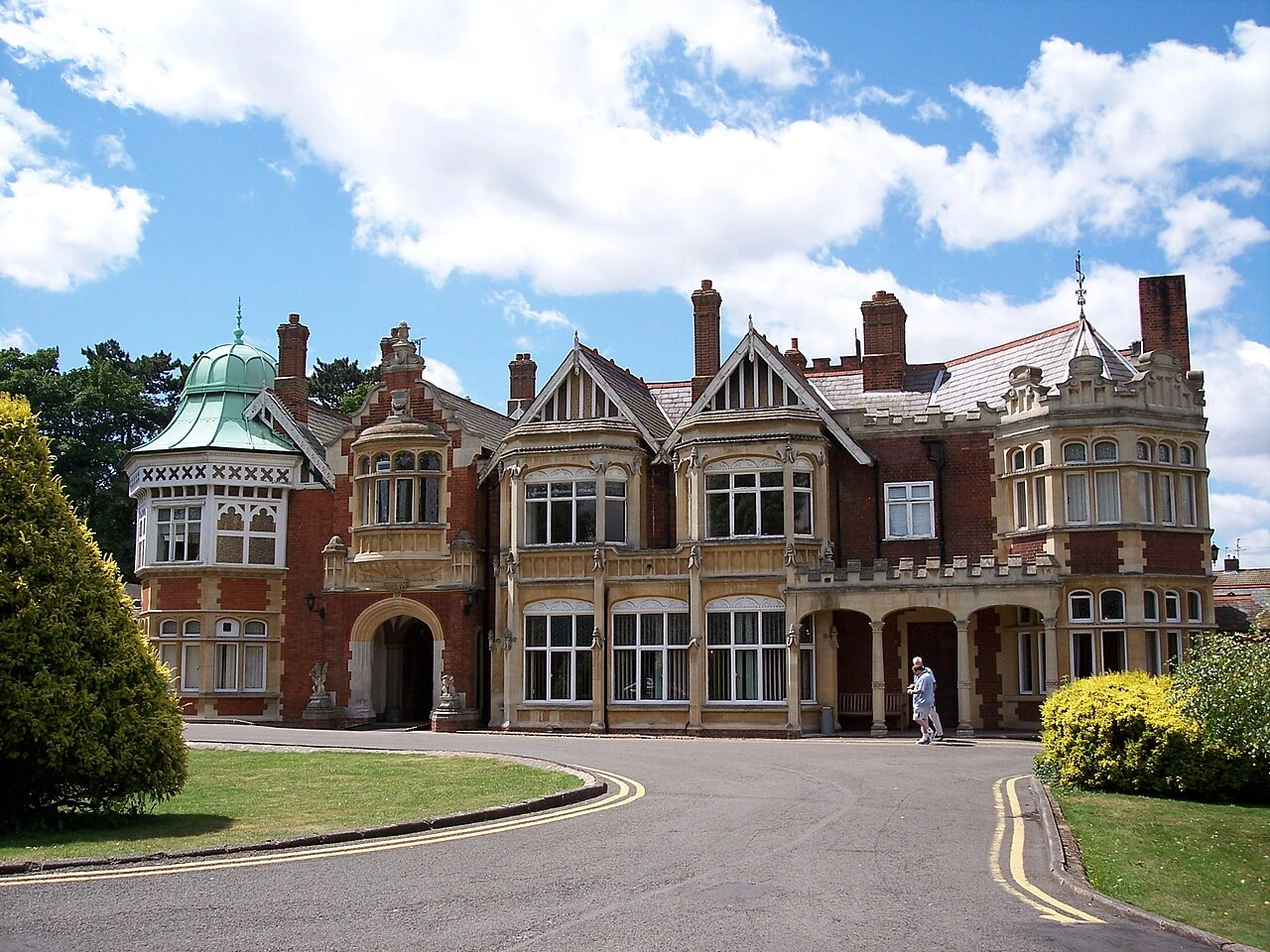
Bletchley breaks the Norway Enigma
The Mechelen incident (captured plans)
The Admiralty and the Strasbourg Rumour
Baku in the crosshairs — Operation Pike
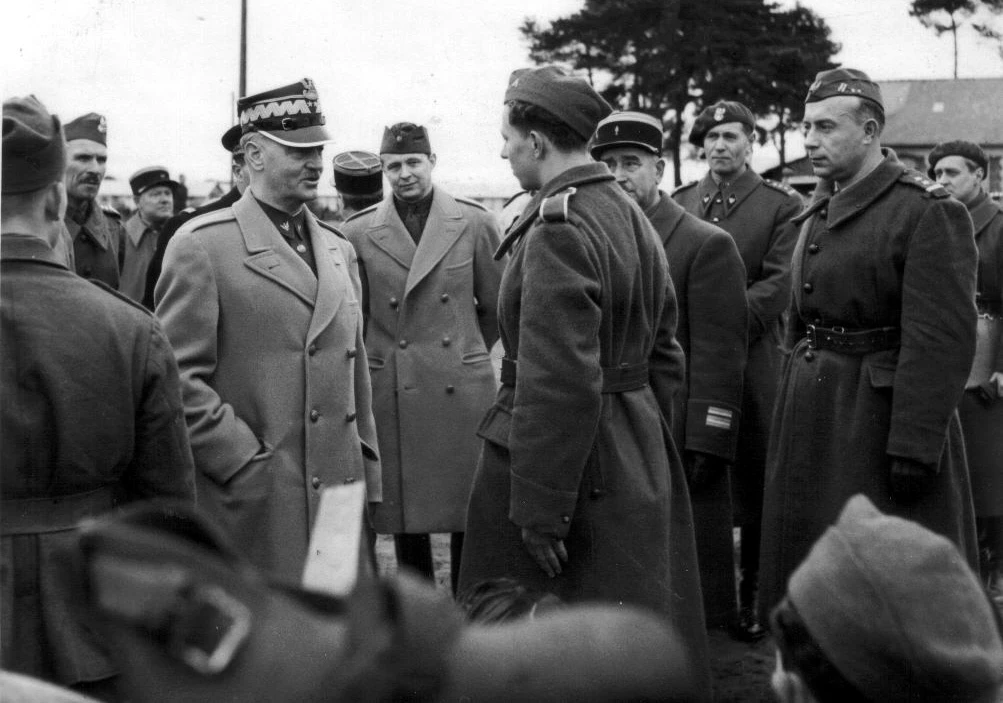
Poles and Czechs in France
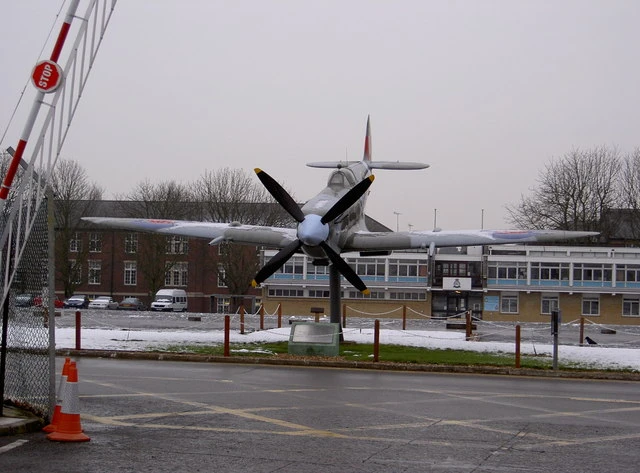
The Uxbridge plotter
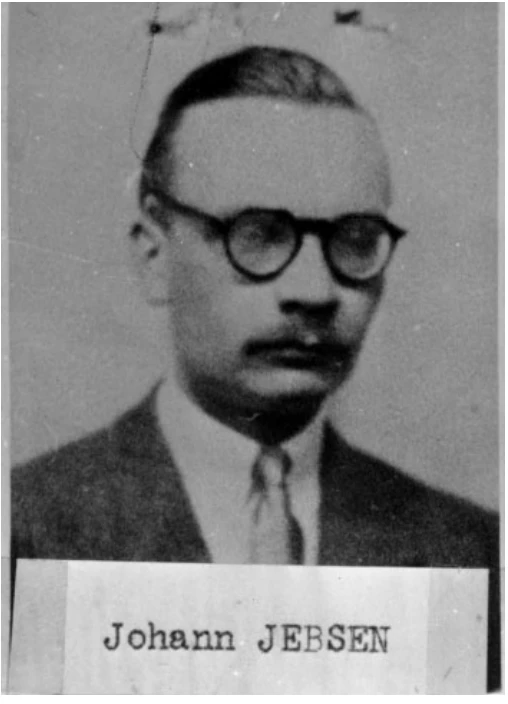
The turned agent and what he is allowed to say
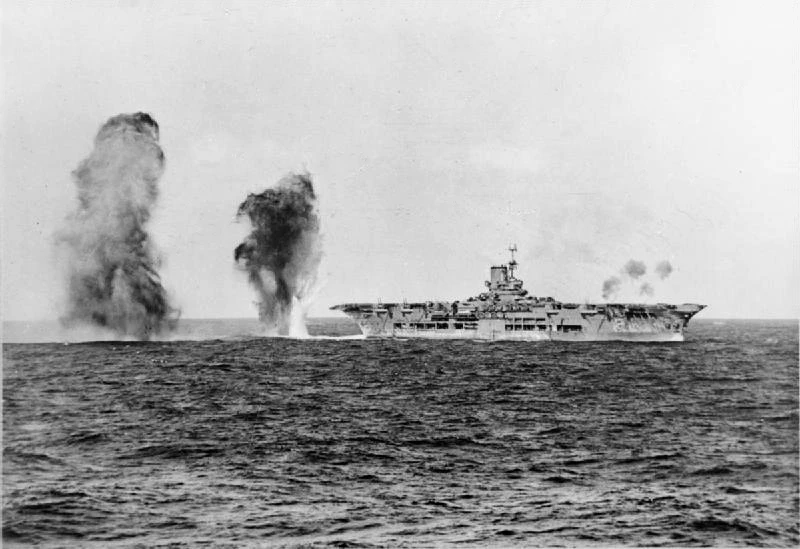
Cape Matapan — Cunningham against Iachino
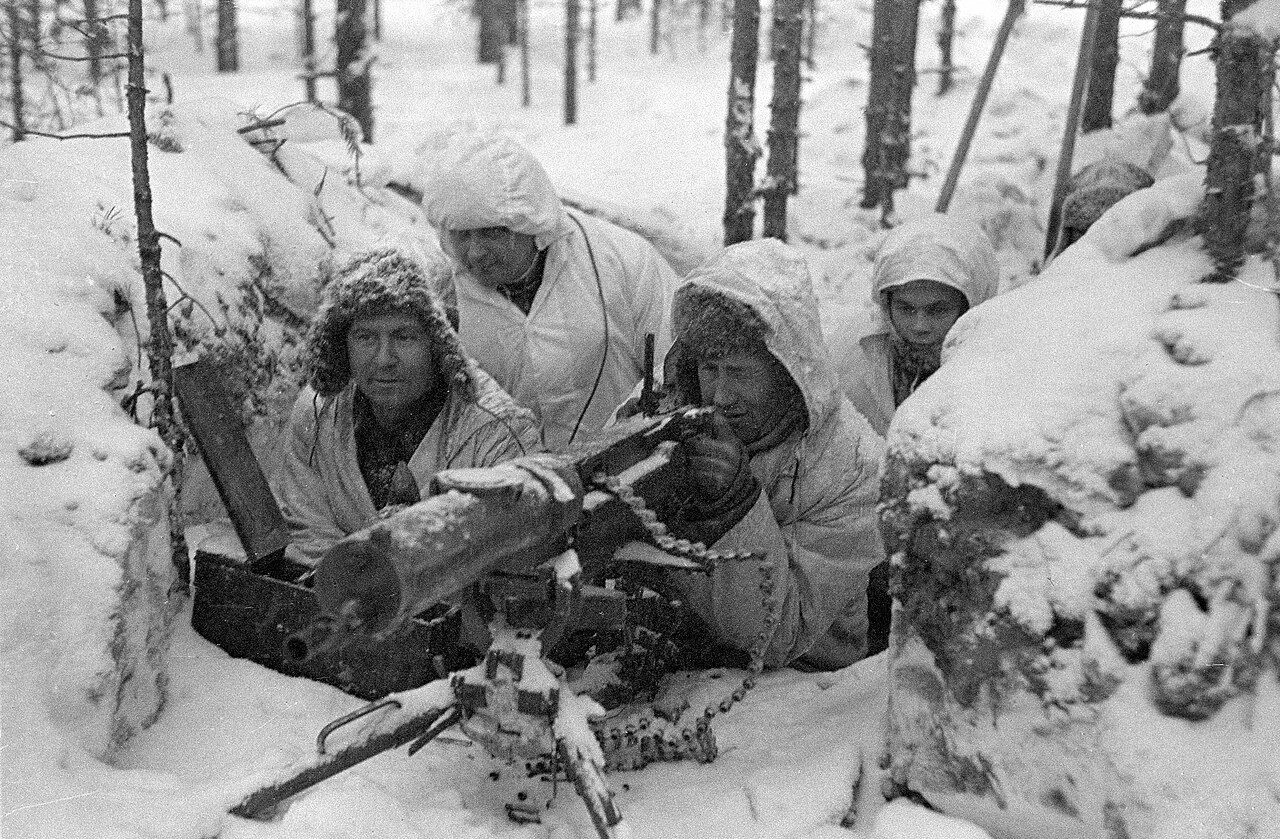
The Supreme Allied Council faces Finland
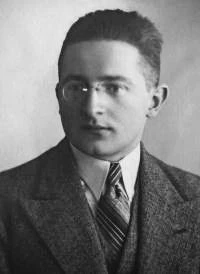
Enigma — the Pyry conference
Bletchley breaks the Norway Enigma
The Mechelen incident (captured plans)
The Admiralty and the Strasbourg Rumour
Baku in the crosshairs — Operation Pike
Poles and Czechs in France
The Uxbridge plotter
The turned agent and what he is allowed to say
Cape Matapan — Cunningham against Iachino
The Supreme Allied Council faces Finland