
The Camps of the Retirada
Franco's victory has thrown hundreds of thousands of Spaniards onto the roads. During the Retirada of February 1939, nearly 450,000 refugees — Republican soldiers, civilians, women and children — cross the Pyrenees toward France. Overwhelmed, the authorities herd them in haste into makeshift camps of the Roussillon, on the beaches of Argelès-sur-Mer and Saint-Cyprien, then at Gurs: enclosures of barbed wire, rudimentary shelters, deplorable sanitary conditions.
In the summer of 1939, the government of must fix a lasting policy. The country, which is itself preparing for war, judges this presence costly and cumbersome.
Three paths take shape. To encourage — even push — the return to Spain, at the risk of delivering these refugees to Francoist repression? To maintain the internment in camps whose conditions are criticised even in the French press? Or to organise their integration through labour, by drafting the able-bodied men into companies of foreign workers useful to the defence effort? The decision commits the fate of hundreds of thousands of people.
What is to be done with the Spanish Republican refugees: send them back, intern them, or integrate them through labour?
The government applies a mixture of A and C: part of the refugees are urged to return to Spain, sometimes under pressure; the able-bodied men are drafted into companies of foreign workers, then, after September 1939, employed on defence works or enlisted in the Legion. The camps of the Roussillon, whose conditions are denounced, remain in operation. The fate of the Spanish Republicans will deteriorate still further under Vichy: some of the camps, like Gurs, will later serve for the internment of other persecuted people. The reception of the Retirada remains a painful page in the history of asylum in France. Many of these refugees will later enlist in the French Resistance or in the Free French Forces.
Learn more about this event
Related polls
10
Cambridge, 1939: The Evacuated LSE Student and Conscription
Czerniaków — the offer of the Judenrat
Danzig, September 1939 — the policeman of the Free City
British rationing — Morrison and the principle
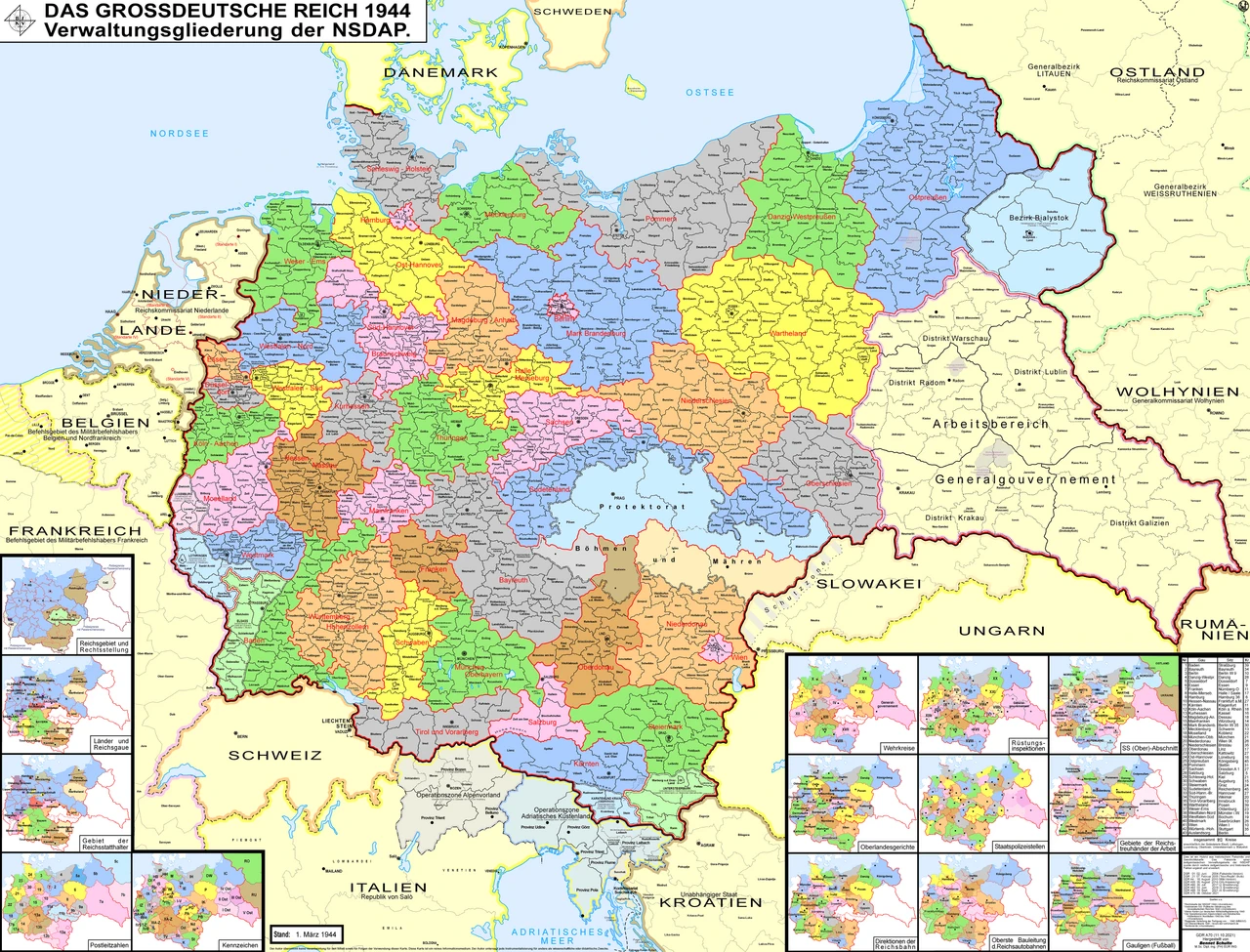
A Schoolteacher of Poznań under the Wartheland
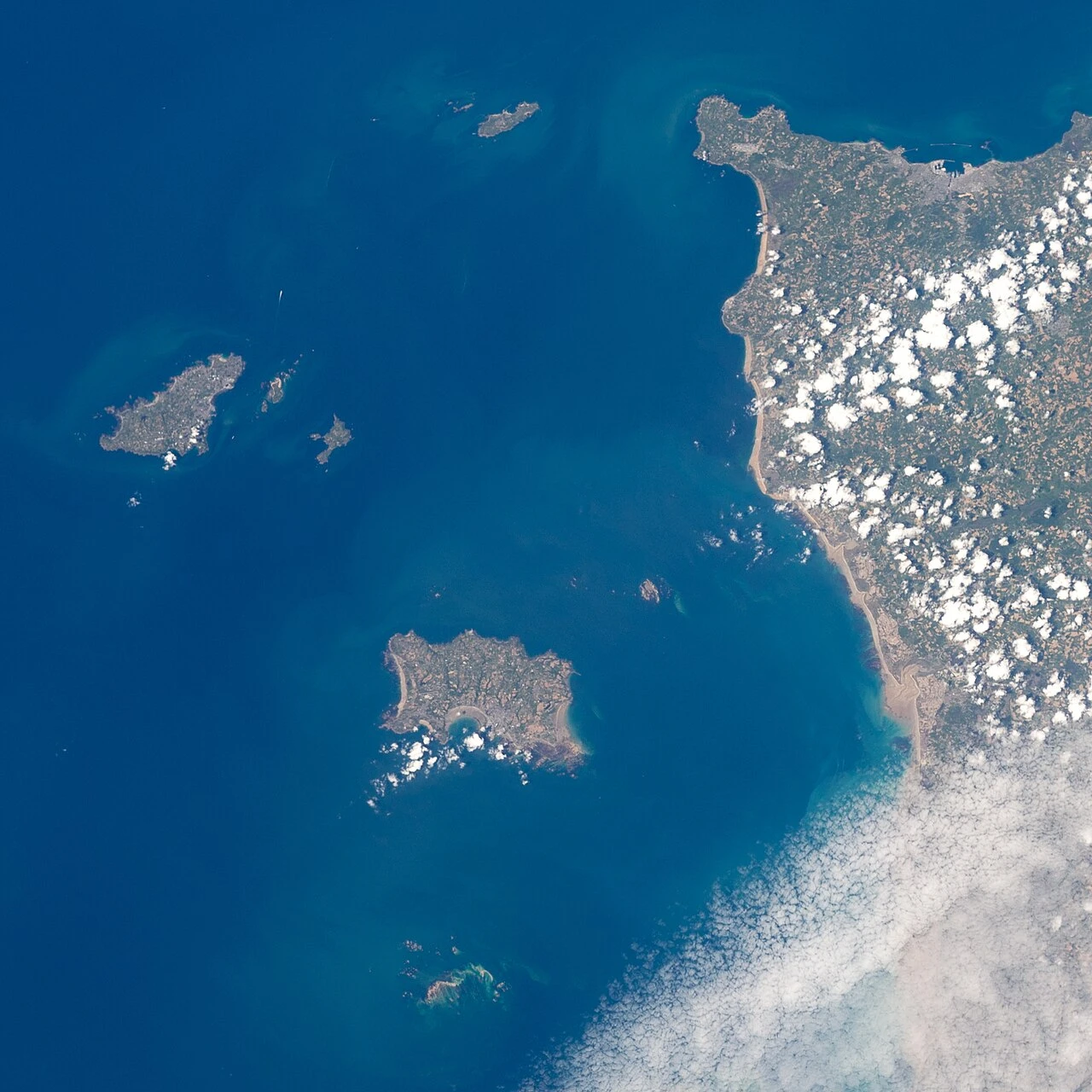
The Channel Islands — open city?
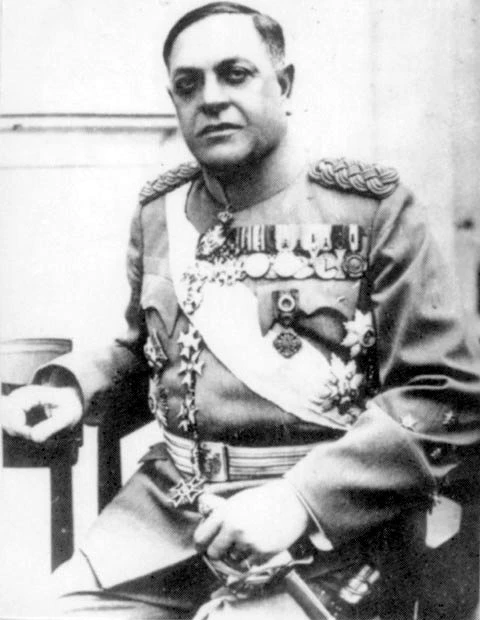
The Belgrade schoolteacher under the occupation
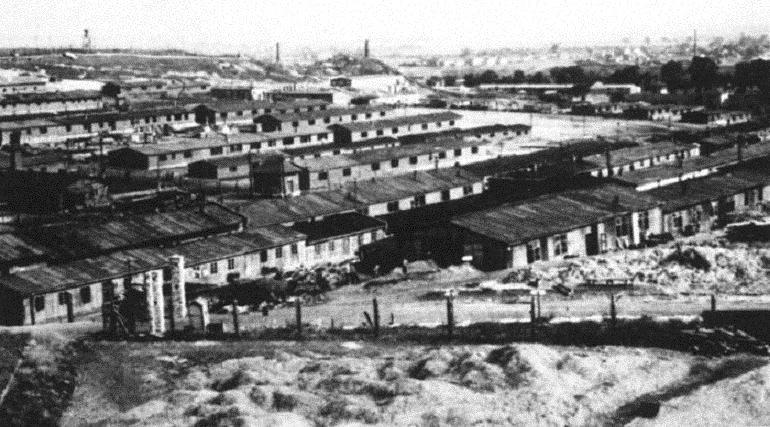
The Upper Silesian Pole Subjected to Forced Labour
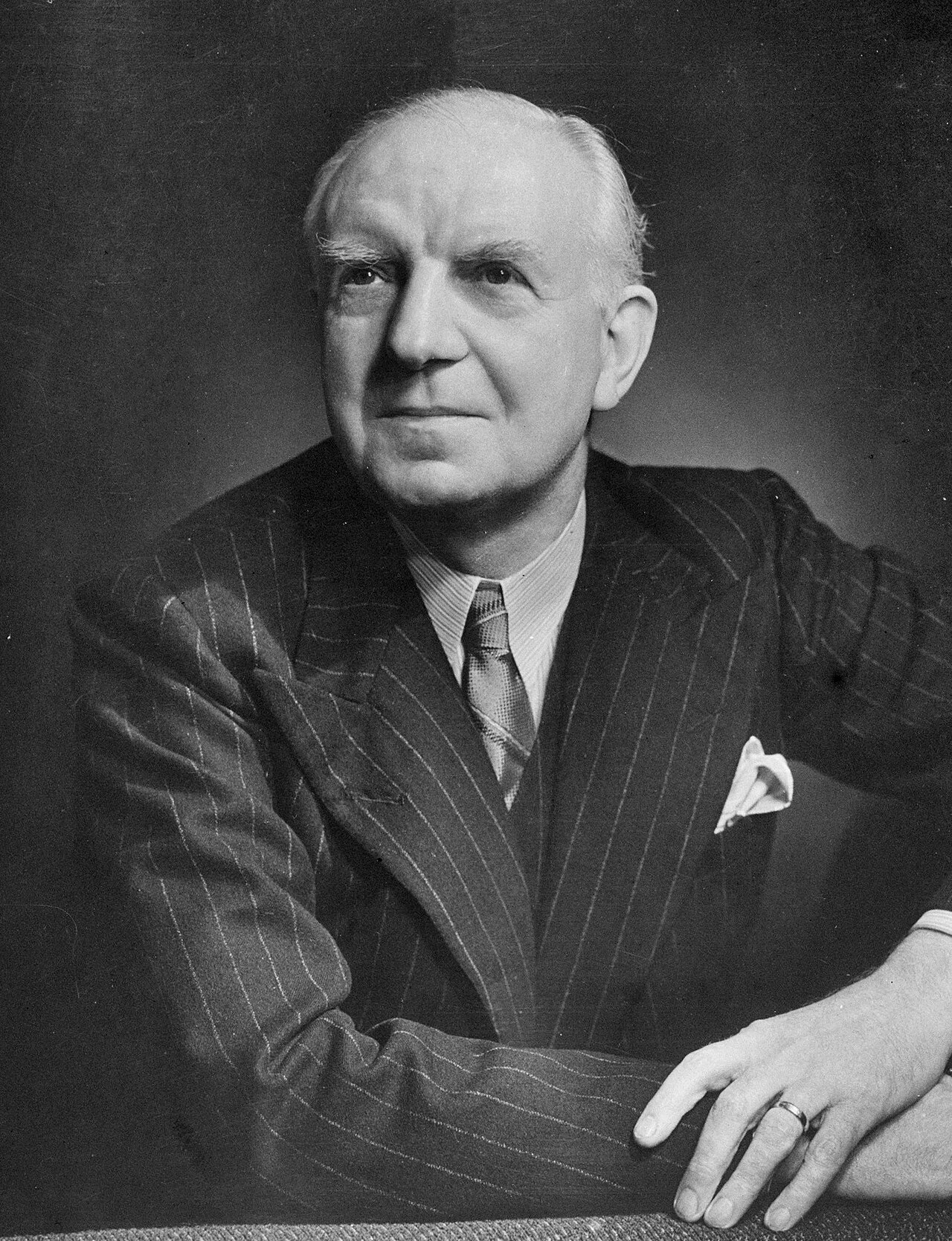
British rationing put to the test in 1941
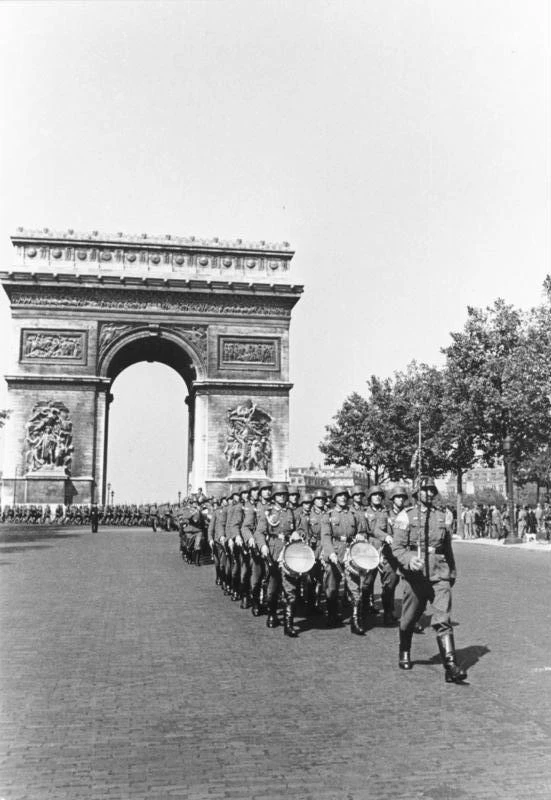
The Press under German Control
Cambridge, 1939: The Evacuated LSE Student and Conscription
Czerniaków — the offer of the Judenrat
Danzig, September 1939 — the policeman of the Free City
British rationing — Morrison and the principle
A Schoolteacher of Poznań under the Wartheland
The Channel Islands — open city?
The Belgrade schoolteacher under the occupation
The Upper Silesian Pole Subjected to Forced Labour
British rationing put to the test in 1941