
Vyazma, October 1941: the militia faces the onslaught
In early October 1941, Operation Typhoon launched the great German offensive on Moscow. The panzer groups of Hoth and Hoepner, supported by the Luftwaffe, broke through the lines of the Western Front on the road to Smolensk and advanced eastward at lightning speed. The Soviet command, taken aback by the scale and rapidity of the maneuver, struggled to plug the breaches opening on either side of the Vyazma sector.
To shore up a shattered deployment, the Red Army committed to the front line divisions of the opolchenie, the people's militia hastily raised in the factories and universities of Moscow. Workers, clerks and students served side by side, barely trained, equipped with disparate and insufficient weapons, sometimes one rifle for several men. Many had received only a few weeks of drill before being thrown into the path of the tanks.
Around 6 October, the German mechanized spearheads bypassed Vyazma to the north and to the south, threatening to link up in the rear of the Soviet armies. Communications broke down, orders contradicted one another, the roads to the east filled with refugees and convoys. For the militia volunteer holding a muddy ditch, the vise tightened hour by hour. The moment to act had come.
As a volunteer of the Moscow opolchenie, in the Vyazma sector on 6 October 1941, what do you decide?
The militia divisions chose, most often under orders, to hold their positions to delay the enemy despite their destitution. Around 7 October 1941, the German pincers closed: the Vyazma-Bryansk pocket trapped roughly 673,000 Soviet soldiers, most of whom were killed or taken prisoner in the following weeks. The opolchenie divisions, poorly armed and deprived of support, were largely annihilated there; entire units vanished almost without leaving survivors. But this desperate resistance, by tying down considerable German forces to reduce the pocket, won Moscow a decisive reprieve. This respite allowed Zhukov, recalled from Leningrad, to reorganize the defense on the Mozhaysk line and to await the arrival of the Siberian reinforcements, before the December counteroffensive that saved the capital.
Learn more about this event
Related polls
10
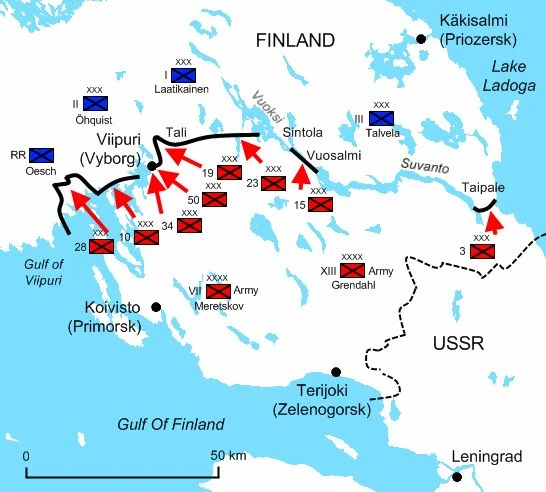
Talvela at Vyborg — 17 February
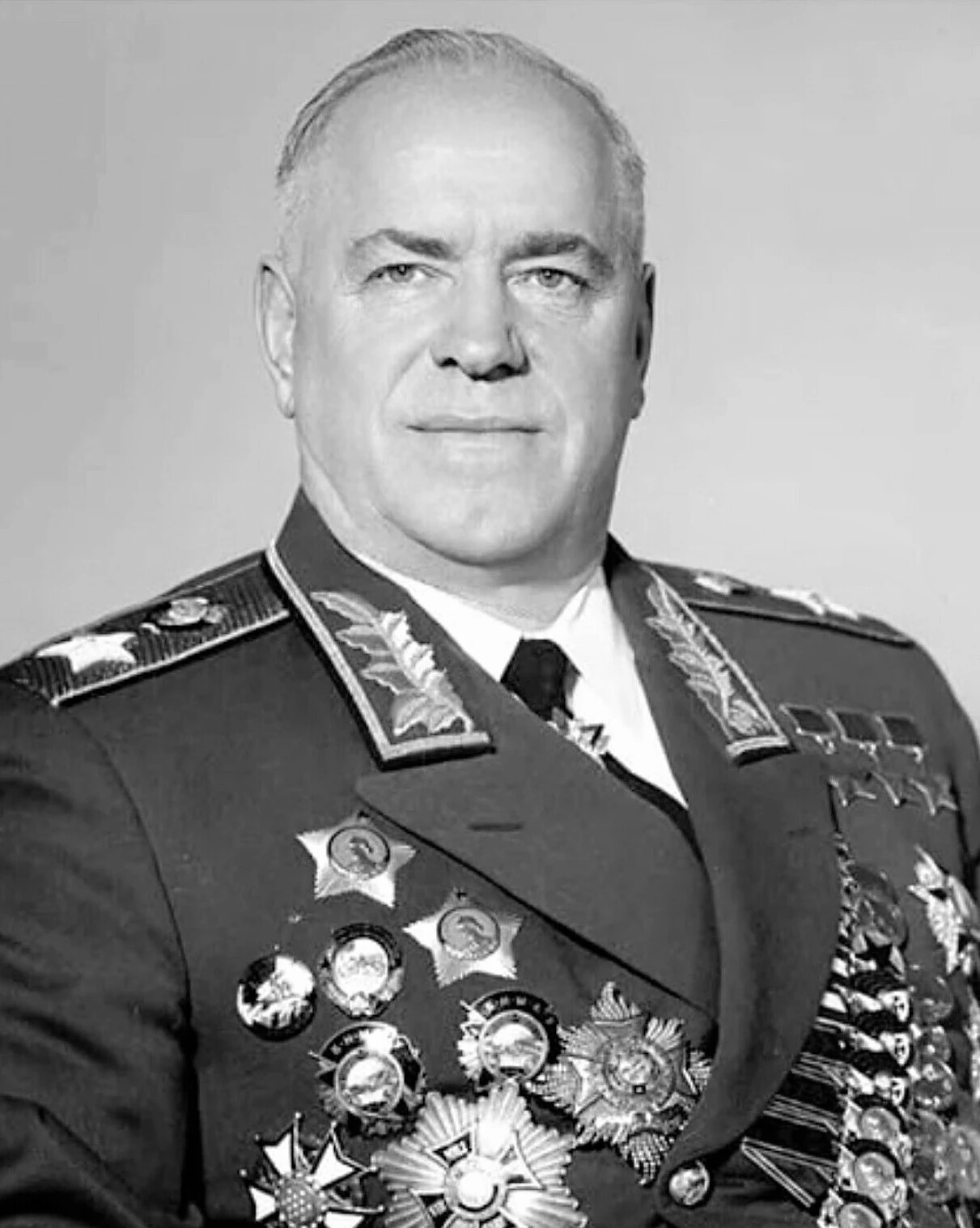
Zhukov Facing the Void Before Moscow
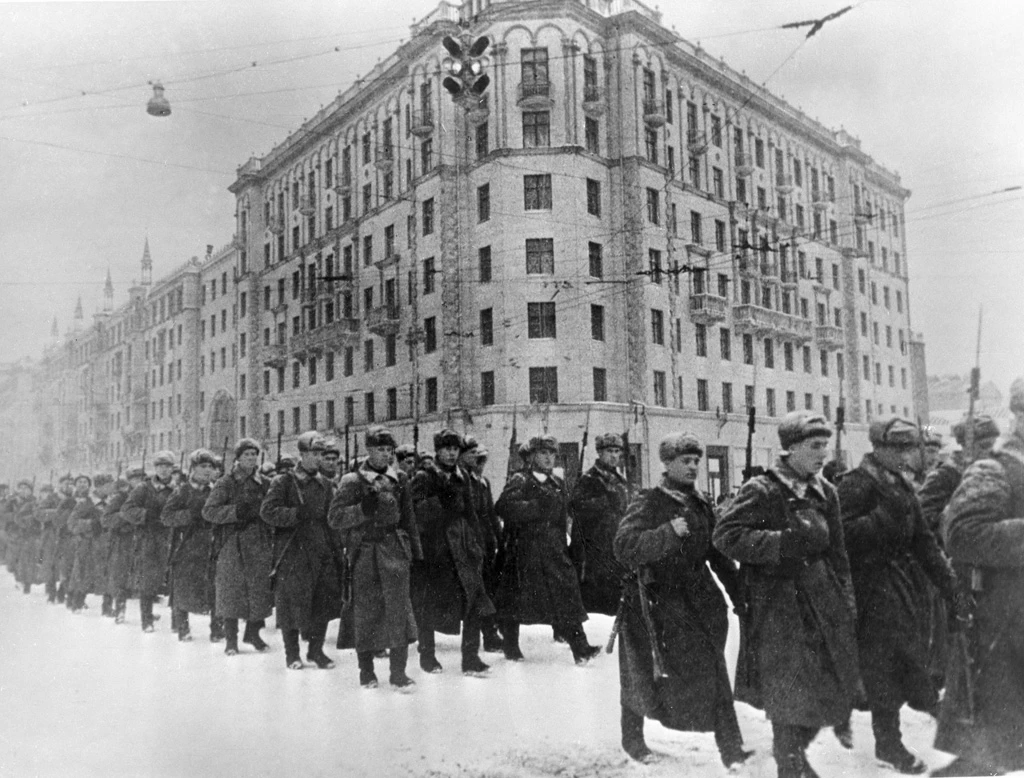
At the Gates of Moscow, in the November Frost
Dunkirk: holding the line under the bombs
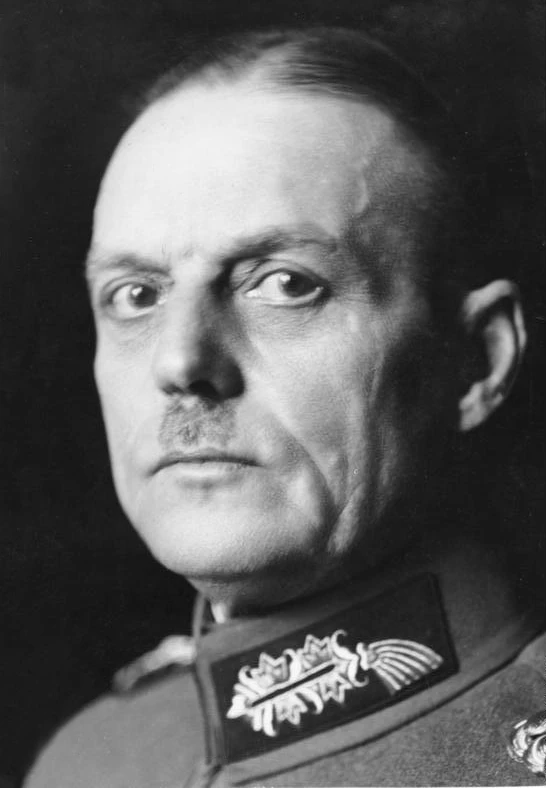
Rostov: Withdraw or Obey the Führer
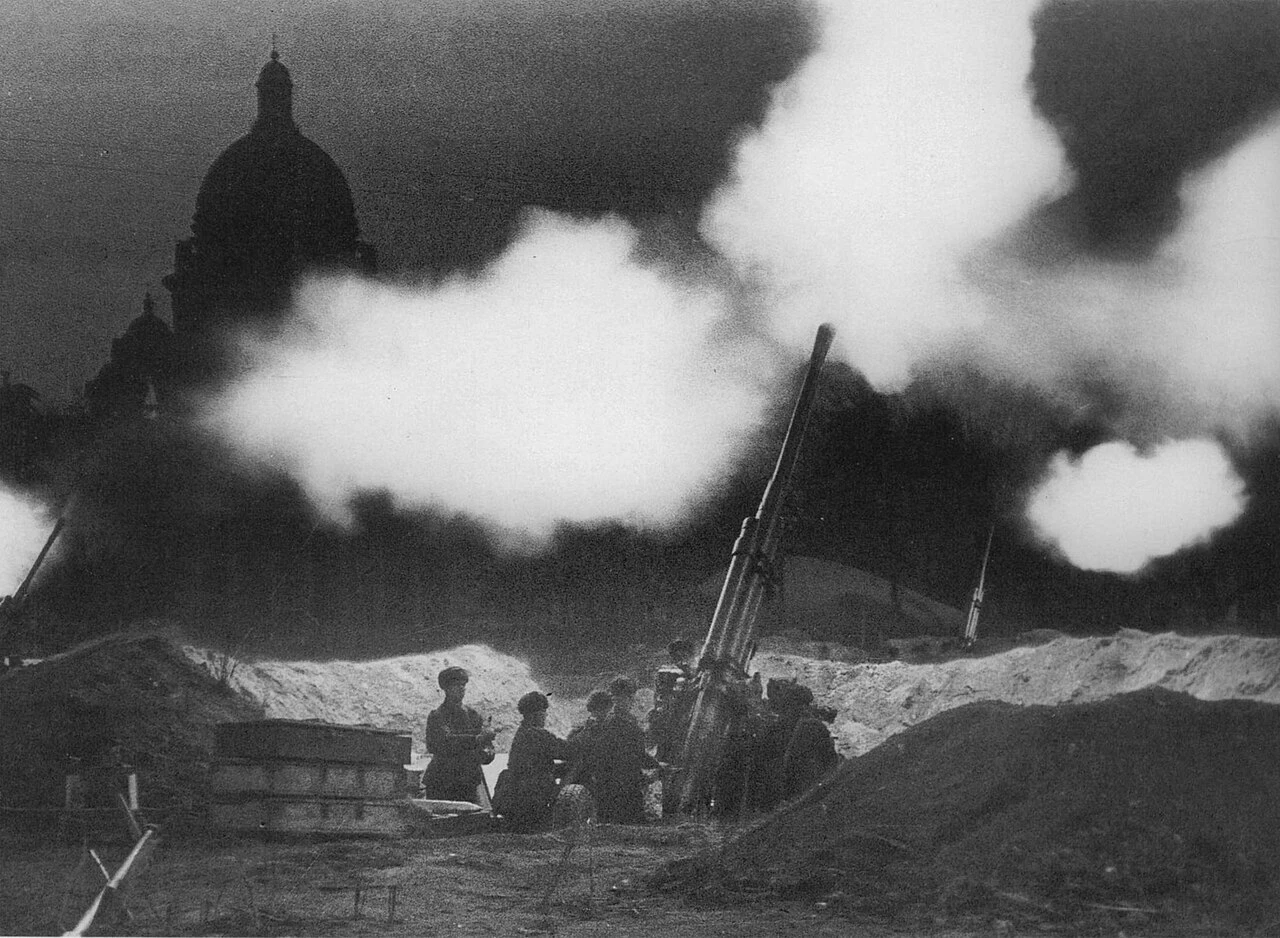
Leningrad University during the siege
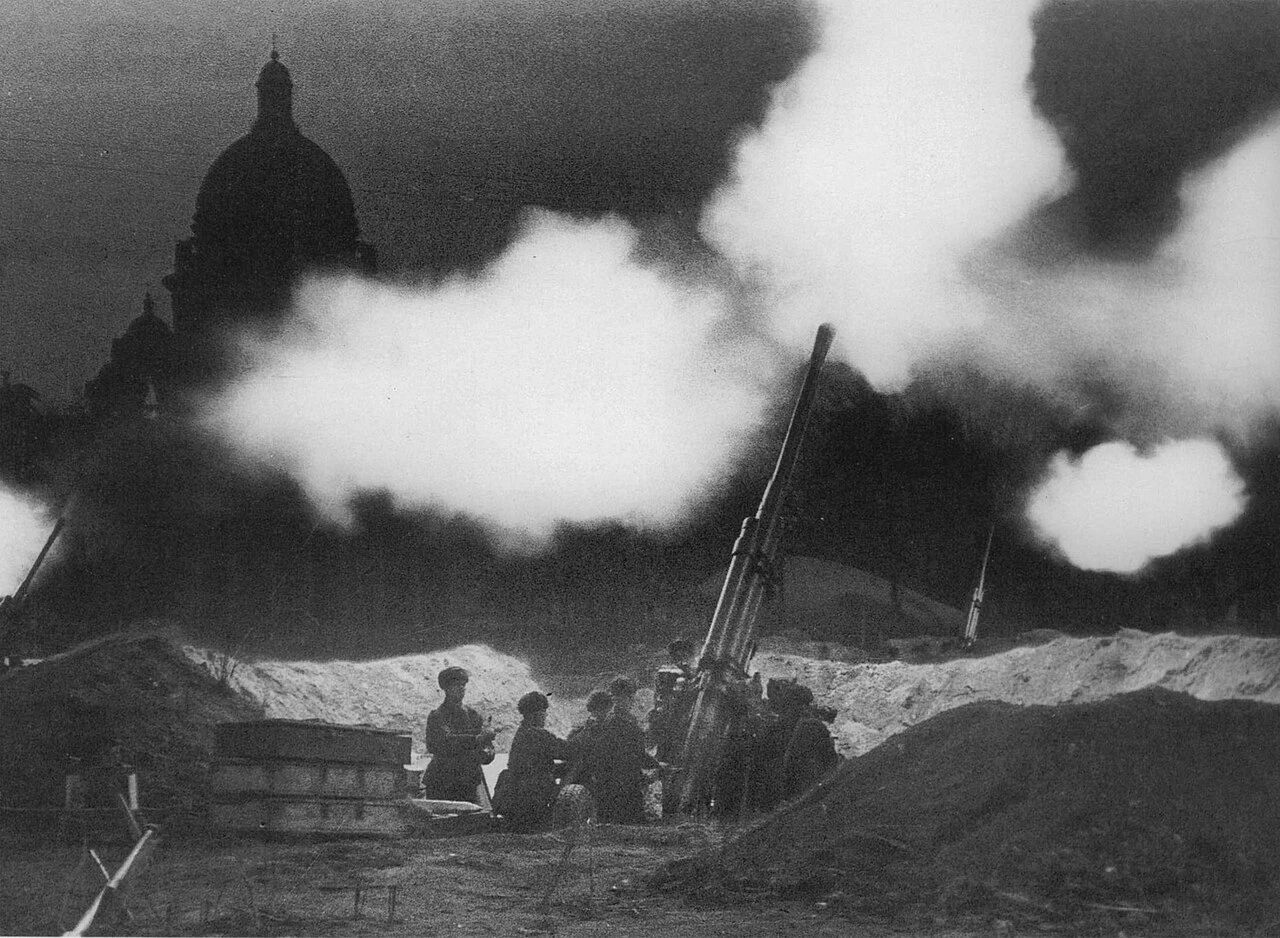
The Leningrad doctor during the winter of the siege
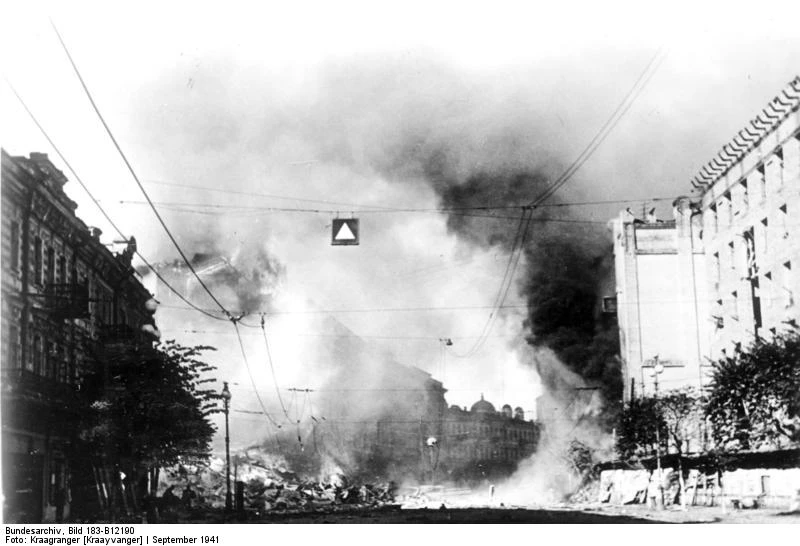
Kirponos, Kiev and Stalin's Prohibition
Petsamo — Pennanen on the Arctic coast
Sevastopol 1941: Vice Admiral Oktyabrsky's Dilemma
Talvela at Vyborg — 17 February
Zhukov Facing the Void Before Moscow
At the Gates of Moscow, in the November Frost
Dunkirk: holding the line under the bombs
Rostov: Withdraw or Obey the Führer
Leningrad University during the siege
The Leningrad doctor during the winter of the siege
Kirponos, Kiev and Stalin's Prohibition
Petsamo — Pennanen on the Arctic coast