
Washington, March 1941: Arming Without Entering the War
In early 1941, Britain stood alone against Germany but was exhausting its reserves of gold and dollars. The Neutrality Acts and the "cash and carry" rule required cash payment that London could no longer provide.
Roosevelt, re-elected to a third term, had launched the idea of the "arsenal of democracy" in December 1940. Part of Congress and public opinion remained firmly isolationist and feared any commitment that would bring the United States closer to war.
The president must choose the form of his aid: a new mechanism for lending equipment, maintaining strict cash payment, or retreating into a neutrality without aid.
How should Roosevelt materially support Britain, which is running out of foreign currency, without abandoning American neutrality?
Roosevelt secured passage of the Lend-Lease Act, approved by the House (260-165) and then the Senate (60-31) and signed on March 11, 1941. The law authorized him to sell, transfer, lend, or lease defense equipment to any country deemed vital to American security, effectively circumventing the Neutrality Acts. It opened a flood of aid to the Allies (the United Kingdom, then the USSR and China) amounting to tens of billions of dollars and shifted American industry into the war effort while preserving official non-belligerence.
Learn more about this event
Related polls
10
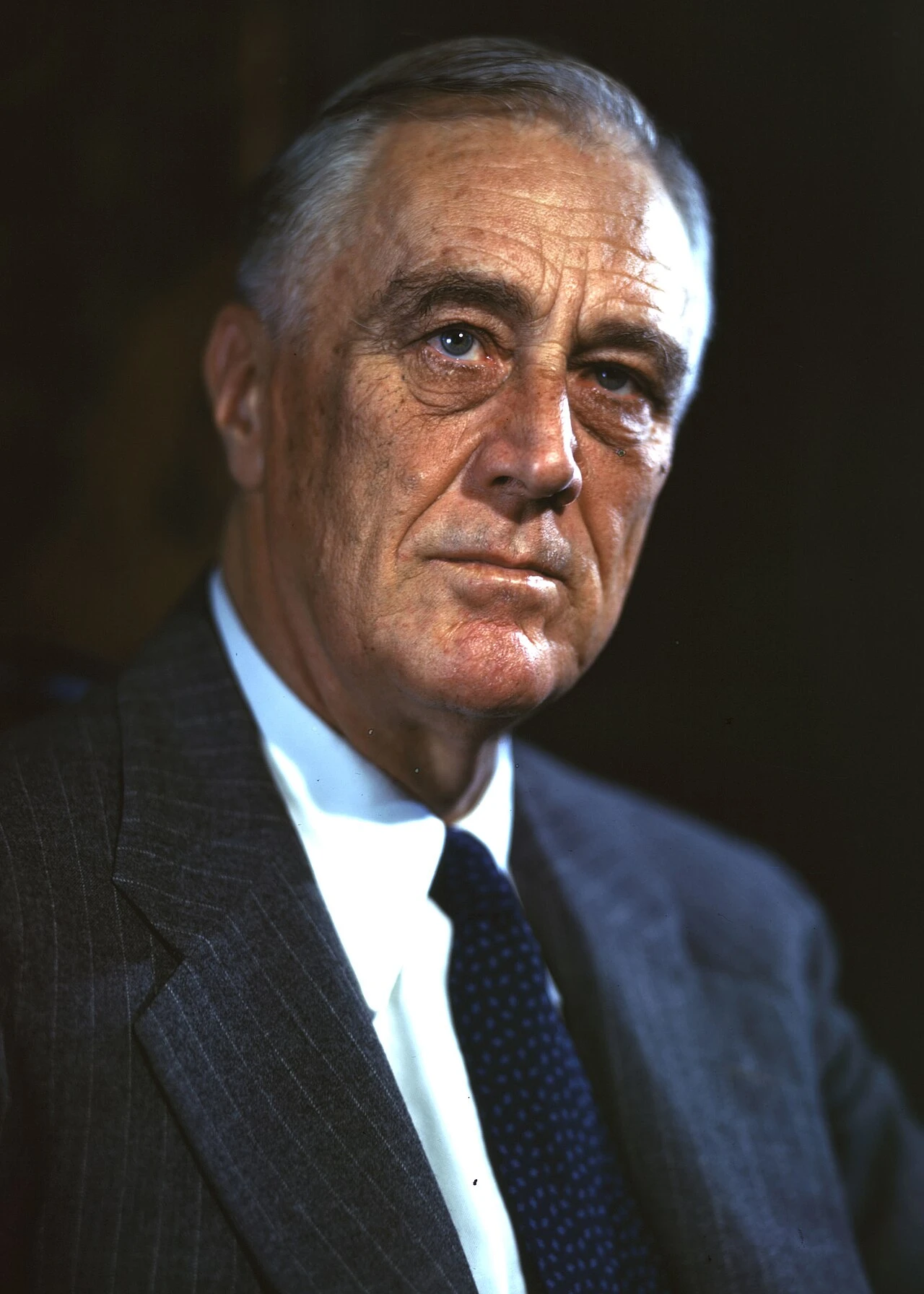
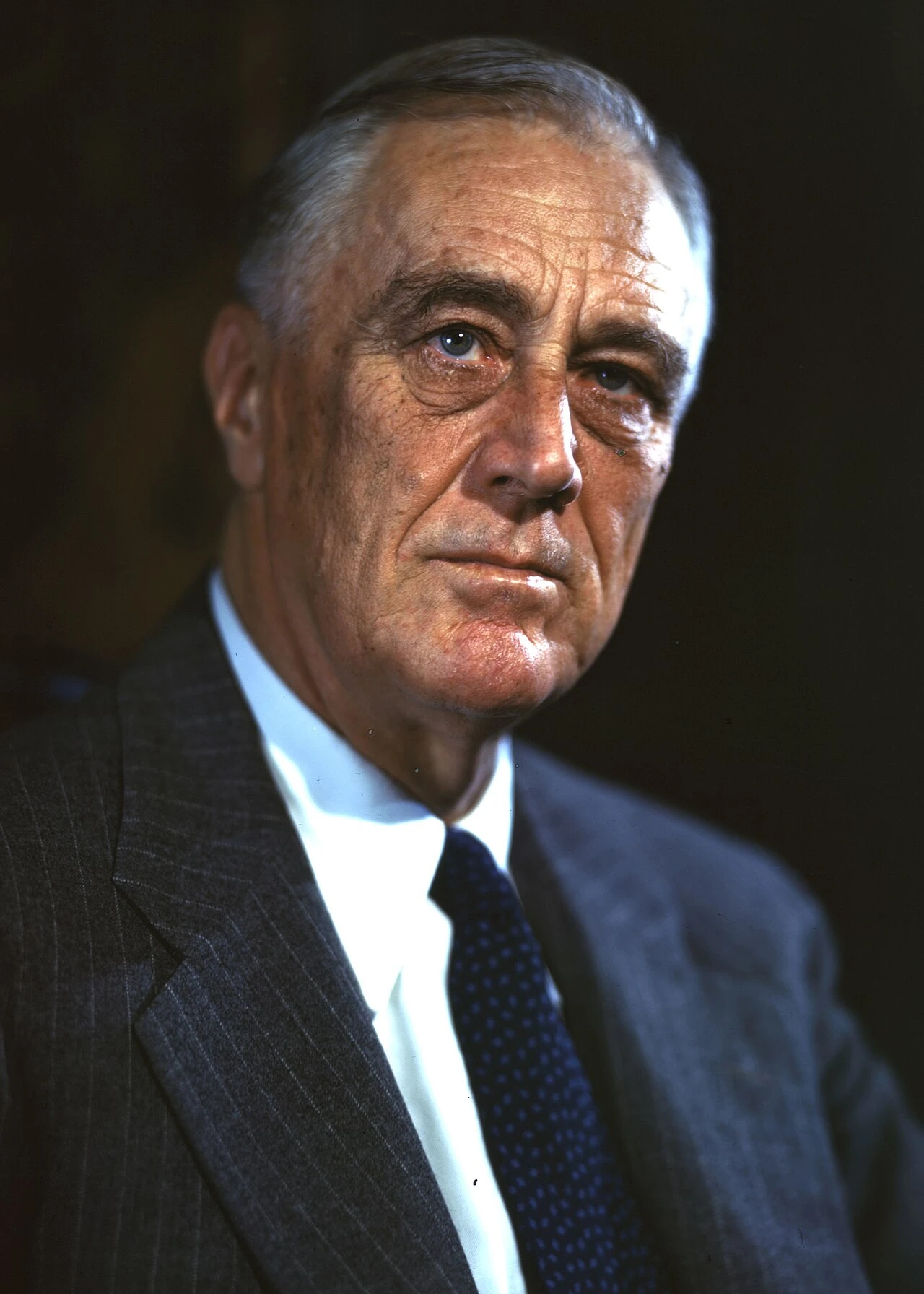
Roosevelt — signing Lend-Lease
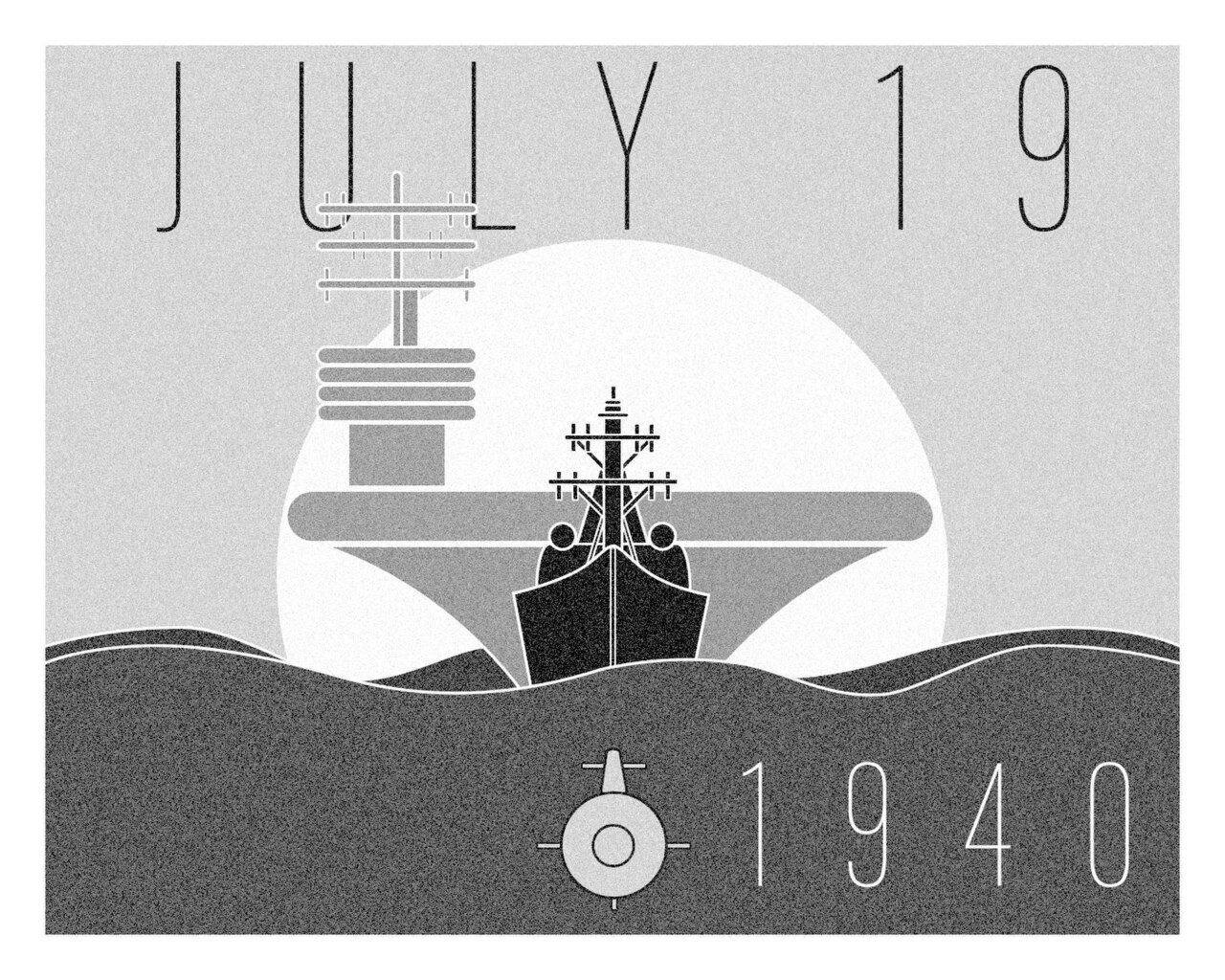
Vinson and the Two-Ocean Navy Act
Spanish Wolfram
Germany first, even before the war
Harriman in Moscow, Face to Face with Stalin
Japan and the Southern Resource Zone
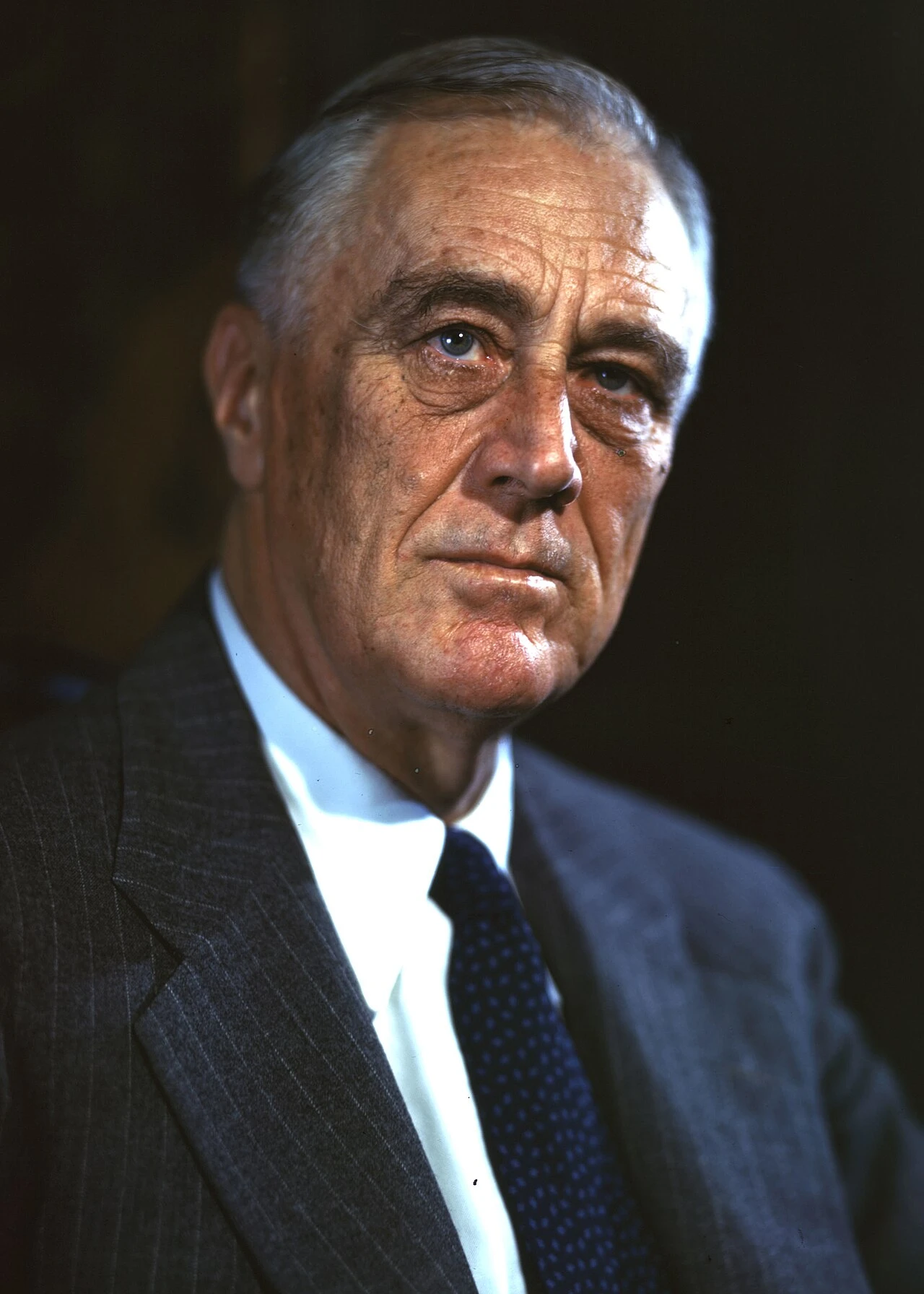
Roosevelt at the microphone — 29 December 1940
Roosevelt and the Squadron for Singapore — Washington, October 1940
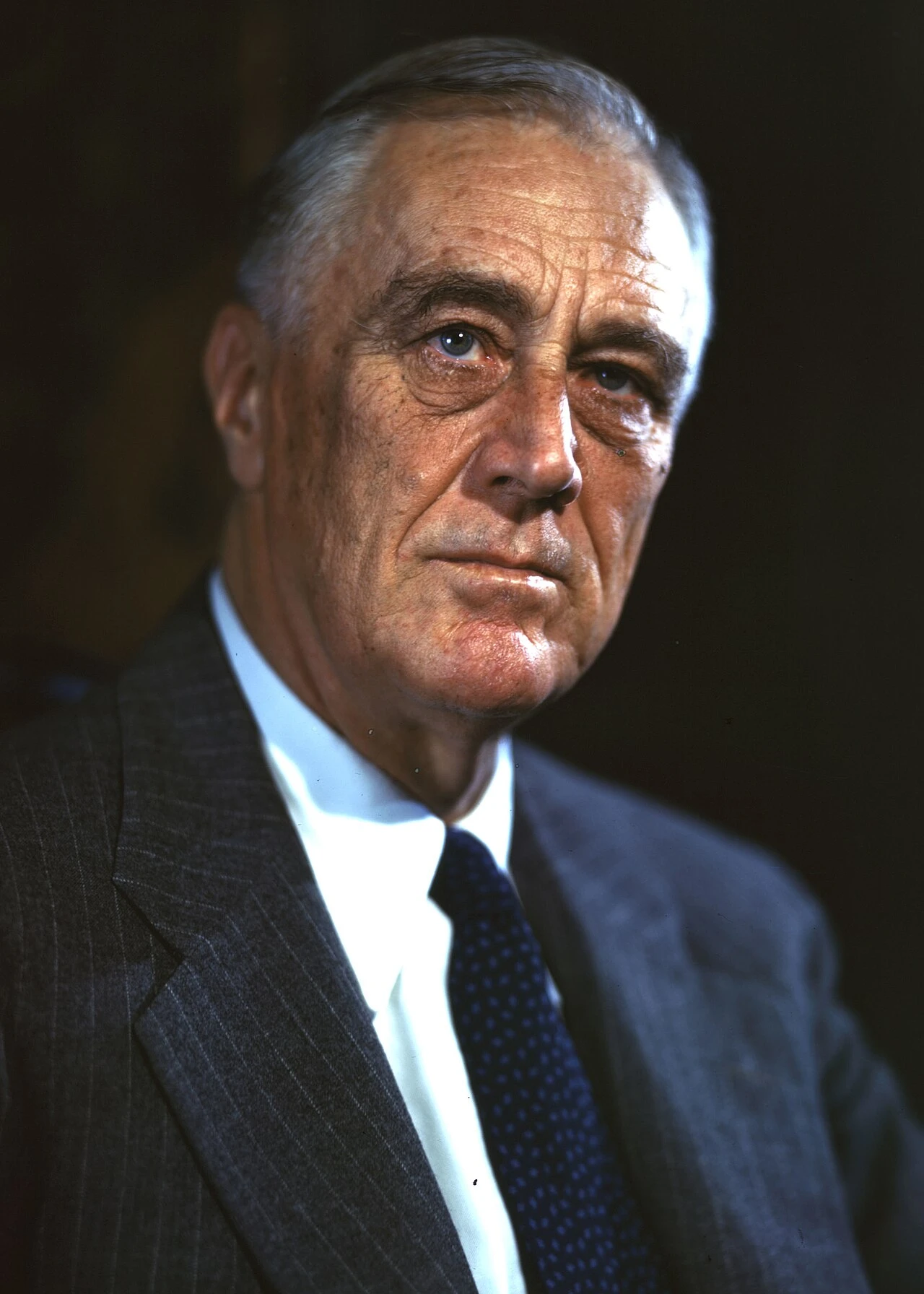
Roosevelt and the Japanese assets
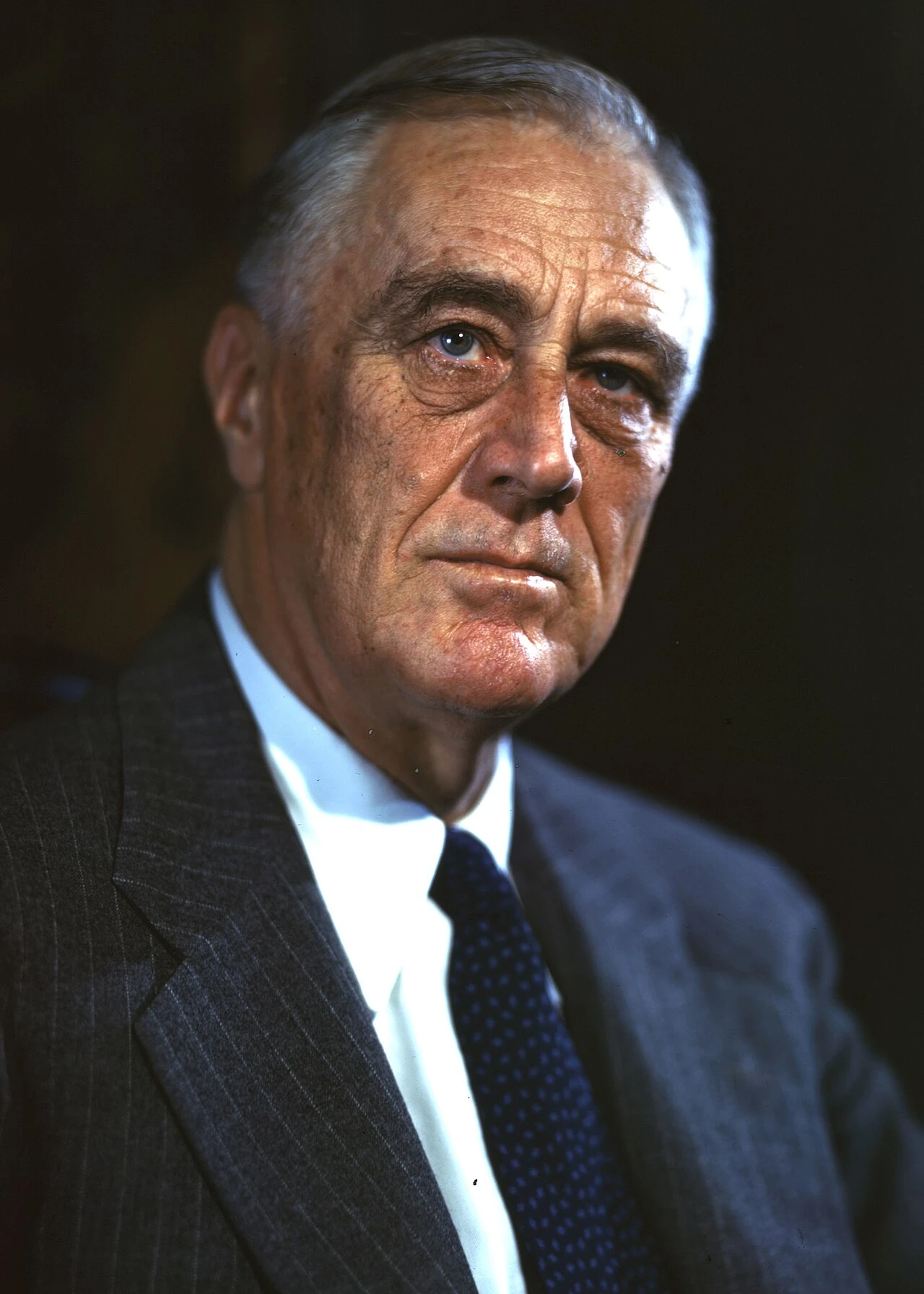
Roosevelt — Lend-Lease before Congress
Roosevelt — signing Lend-Lease
Vinson and the Two-Ocean Navy Act
Spanish Wolfram
Germany first, even before the war
Harriman in Moscow, Face to Face with Stalin
Japan and the Southern Resource Zone
Roosevelt at the microphone — 29 December 1940
Roosevelt and the Squadron for Singapore — Washington, October 1940
Roosevelt and the Japanese assets