
Welles in London — 11-13 March
After Berlin and Paris (where he met Daladier on 7 March and Reynaud, then Finance Minister, on 8 March), arrives in London on 10 March 1940. His mission: to sound out British positions on possible mediation.
Welles meets Prime Minister on 11 March, Foreign Secretary Lord Halifax on 12 March, and First Lord of the Admiralty on 13 March. The London atmosphere is cautiously open. Chamberlain says explicitly: "If Hitler accepts the restoration of Poland and Czechoslovakia, and the dismantling of the Sudeten annexations, Britain will sign peace." Halifax confirms. But neither believes Berlin will accept these terms — Welles has just told them that Hitler refuses any territorial reversal.
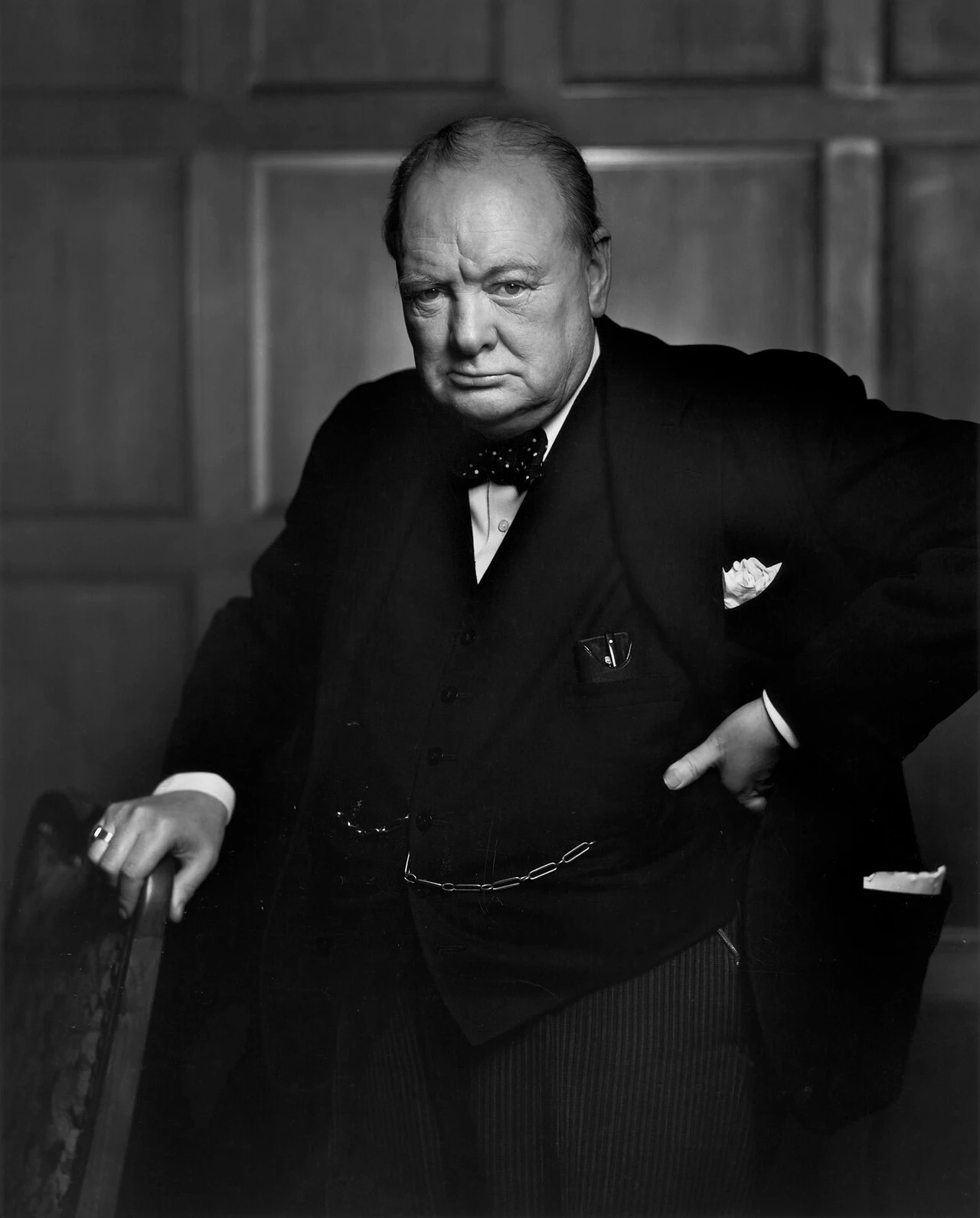
On 13 March, Welles meets Churchill alone at Admiralty House. The tone is very different: "This war we shall fight to total victory. There will be no negotiated peace with this regime. Western civilisation demands its crushing." Welles leaves London with a mass of contradictory notes to sort through.
It remains to be decided how to report back to Roosevelt.
How does Welles frame his report on London for Roosevelt?
Welles transmits B to Roosevelt. The final report, presented at the White House on 30 March, underlines British duality. Welles writes explicitly: "If Chamberlain remains Prime Minister, opportunities for mediation may persist. If Churchill takes power, the war will become total." The analysis proves accurate two months later: Chamberlain resigns on 10 May 1940 (the day of Fall Gelb), Churchill becomes Prime Minister, and the doctrine of "no peace without victory" becomes official from 13 May. The Welles mission confirms to Roosevelt that American industrial mobilisation must be accelerated — preparation of the Two-Ocean Navy Act. Welles ends his tour in Rome (16-19 March, second meeting with Mussolini, still hostile), then returns to Washington. Official outcome: no mediation possible. Informal outcome: Roosevelt knows exactly where every European leader stands — which will guide American policy for eighteen months.
Learn more about this event
Related polls
10
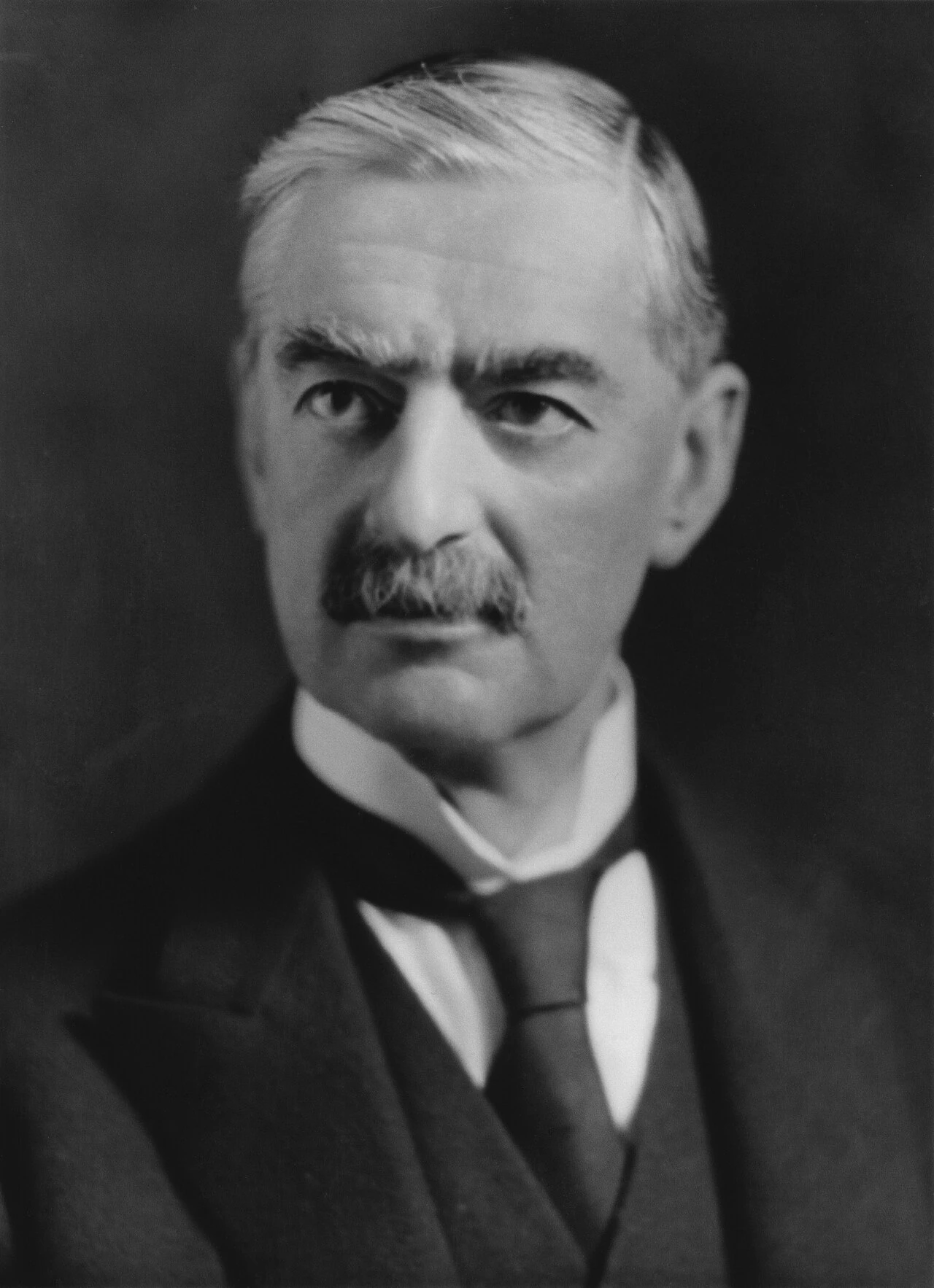
Chamberlain at Central Hall — 4 April
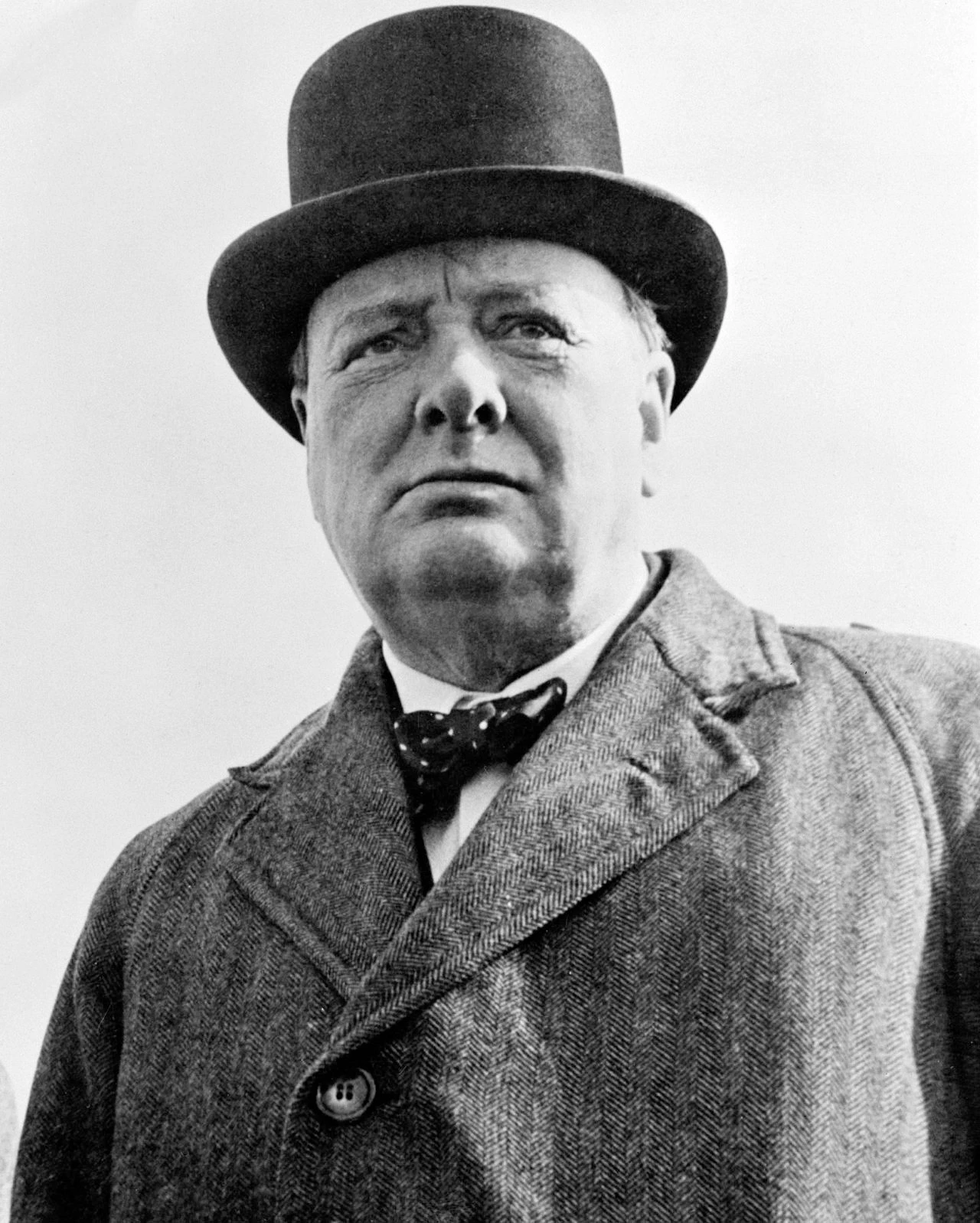
Churchill in power
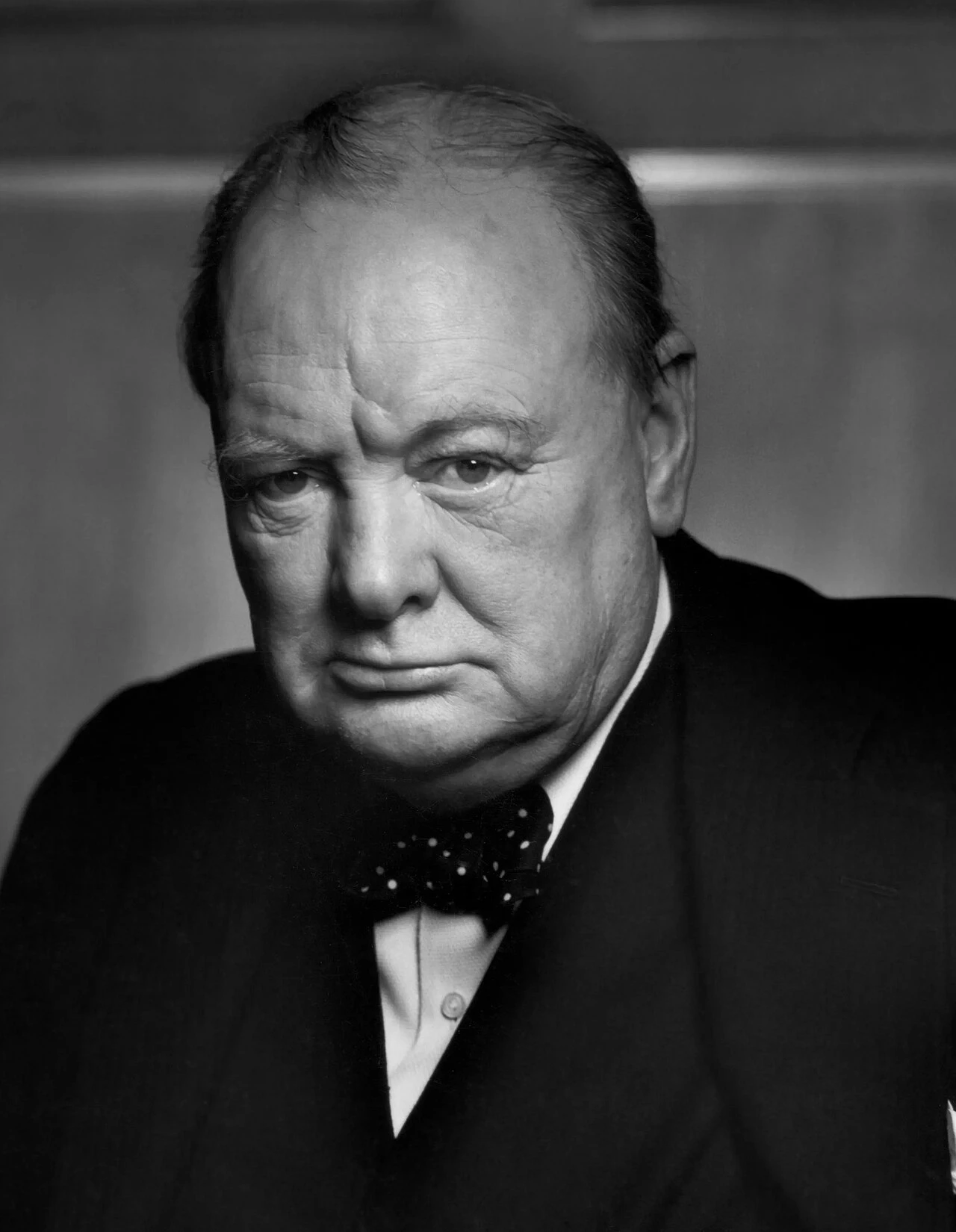
Churchill before the 25 ministers — 28 May 18:00
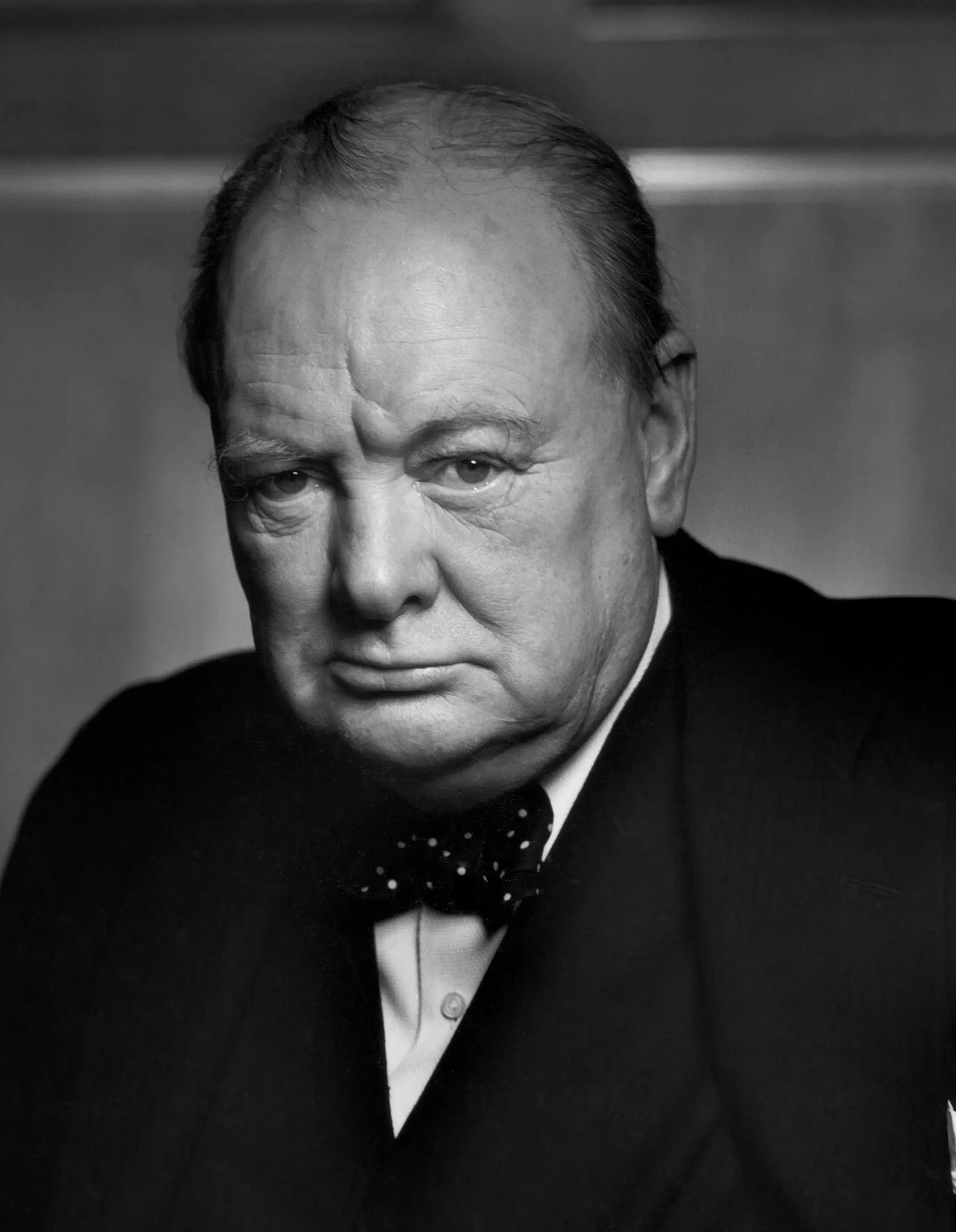
Churchill before the Commons — 4 June
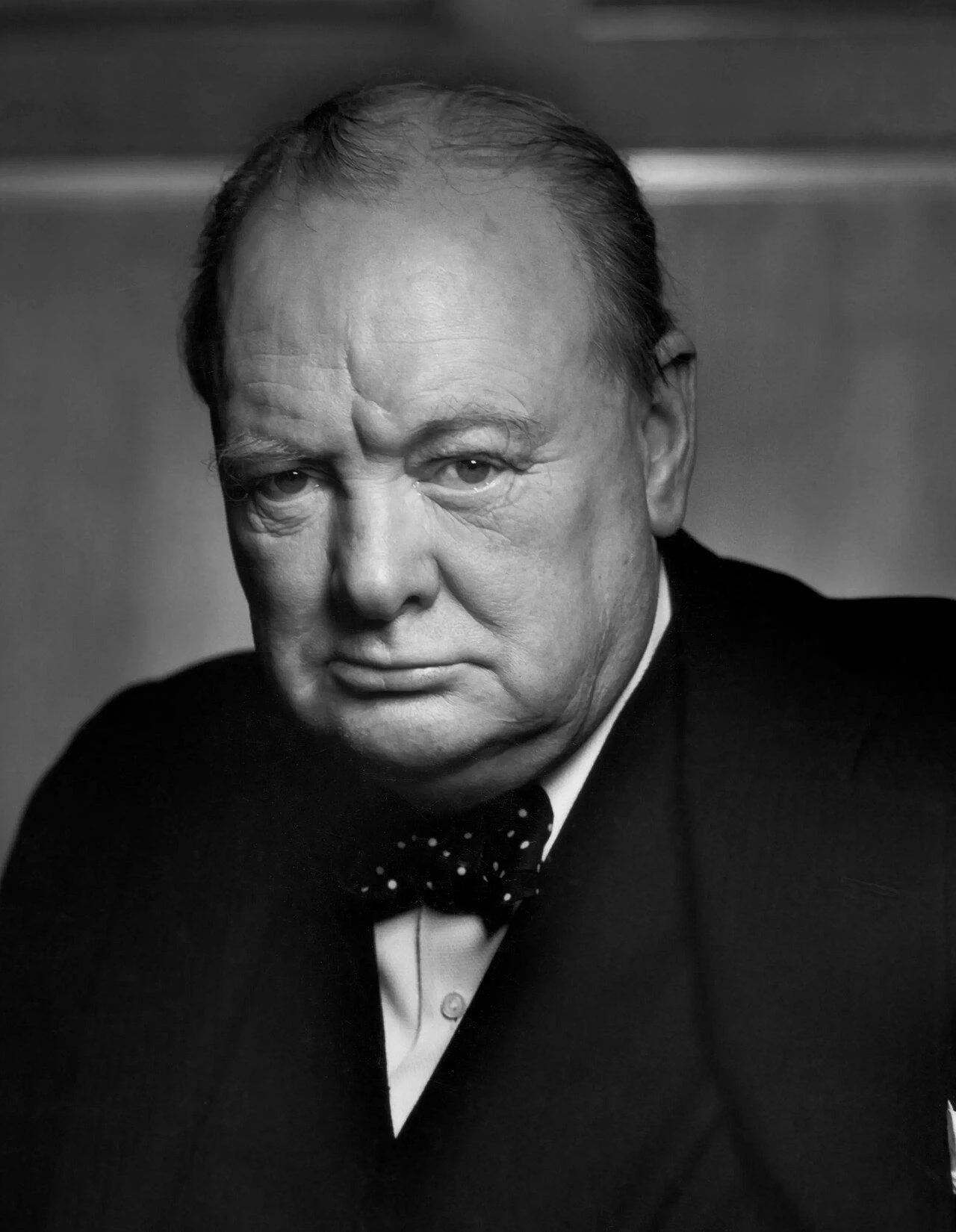
Halifax at the War Cabinet — 25 May 18:00
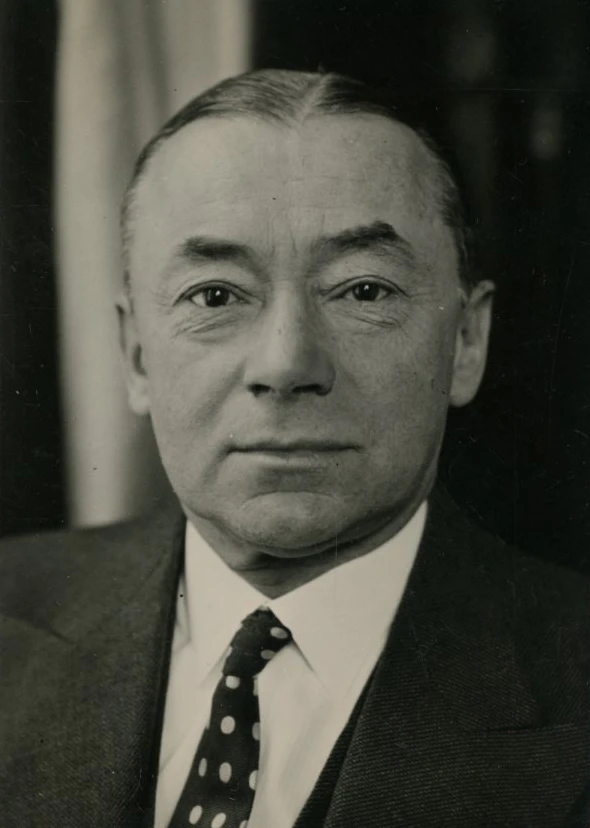
Reynaud in London — 26 May
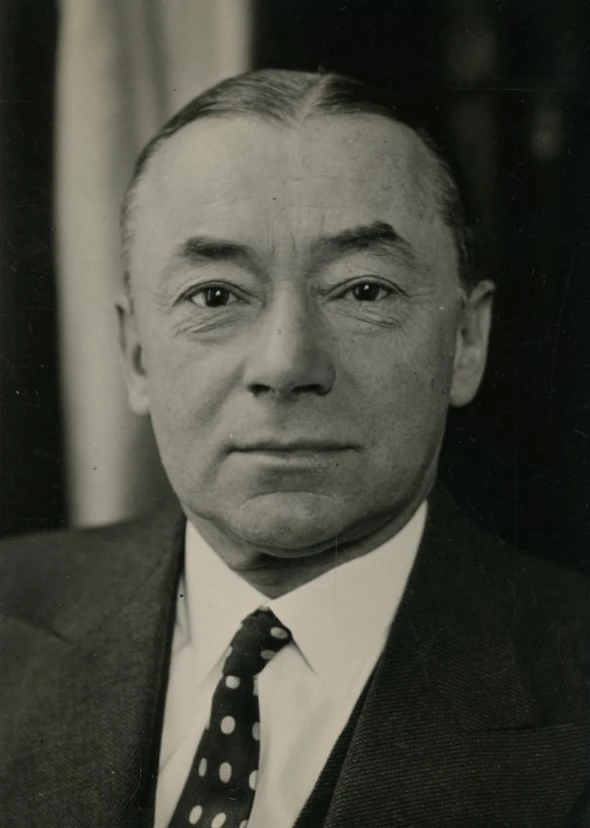
Reynaud — Matignon 21 March
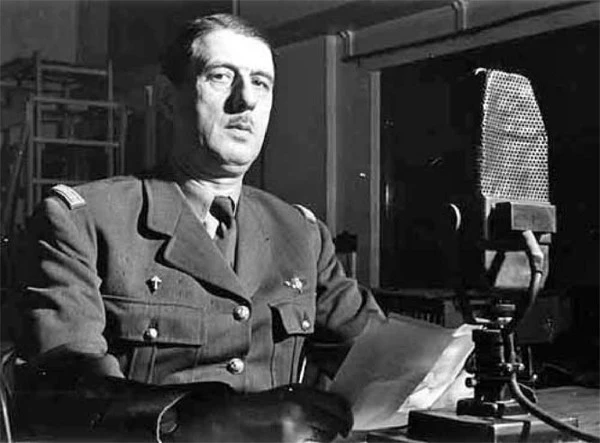
The Appeal of 18 June
Auchinleck replaces Wavell
Beneš in London — autumn 1939
Chamberlain at Central Hall — 4 April
Churchill in power
Churchill before the 25 ministers — 28 May 18:00
Churchill before the Commons — 4 June
Halifax at the War Cabinet — 25 May 18:00
Reynaud in London — 26 May
Reynaud — Matignon 21 March
The Appeal of 18 June
Auchinleck replaces Wavell