
Sikorsky and the VS-300: the helicopter takes flight
On 6 May 1941, at Stratford, Connecticut, 's VS-300 broke the world endurance record for a helicopter, held until then by the German Focke-Wulf Fw 61, by staying aloft for 1 hr 32 min 26.1 sec. One clarification is in order: this record flight was still tethered (the aircraft held by cables) and was not the first free flight. The VS-300 had flown tethered on 14 September 1939, then made its first truly free flight on 13 May 1940. The machine of 1939–1941 remained an experimental prototype.
Sikorsky, an engineer born in Kiev who had emigrated to the United States, headed the Vought-Sikorsky division of the United Aircraft Corporation. His decisive contribution was the configuration with a single main rotor and a small anti-torque tail rotor, driven by a single engine — the architecture that would prevail worldwide. The beginnings were laborious: faced with control difficulties, he first added two auxiliary rear rotors, which he removed in 1941 in favour of an overhead cyclic control.
The record drew attention just as the United States was tilting toward the war effort, in which the production of combat aircraft took priority. Sikorsky had to decide the future of his prototype: a promising but unproven machine, with no established military outlet yet, against the pressure of an industry geared toward fighters. In May 1941, everything was still to come.
Which path does Sikorsky follow after the VS-300's endurance record?
Sikorsky did indeed pursue both paths at once. His division perfected the VS-300 and then the VS-316/XR-4, whose prototype flew in January 1942, while Vought continued its aircraft production. The R-4 that came out of this programme (the Hoverfly on the British side), backed by the US Army, was accepted into service from October 1943 and became in 1944 the world's first production helicopter, adopted by the US Army, Navy, and Coast Guard as well as by the Royal Air Force. Its rescue role was confirmed as early as April 1944 with the first combat rescue by helicopter, carried out by Lieutenant in Burma. The original VS-300, retired in 1943, was entrusted to the Henry Ford Museum in Dearborn.
Learn more about this event
Related polls
10
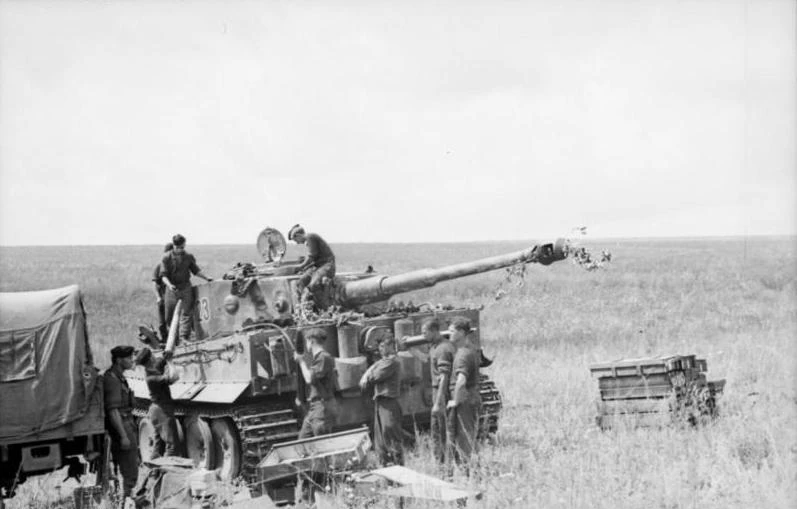
Krupp and the Beast's Cannon
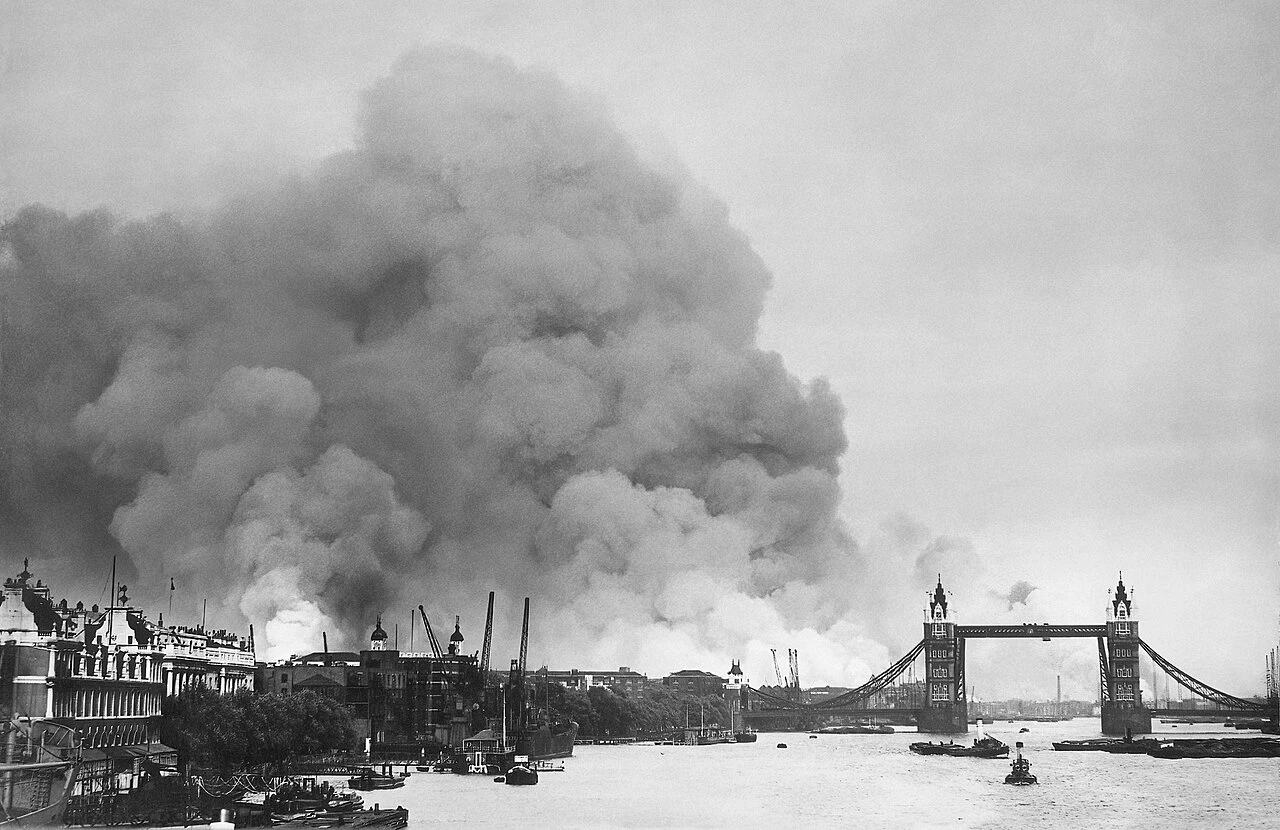
Adlertag — which targets?
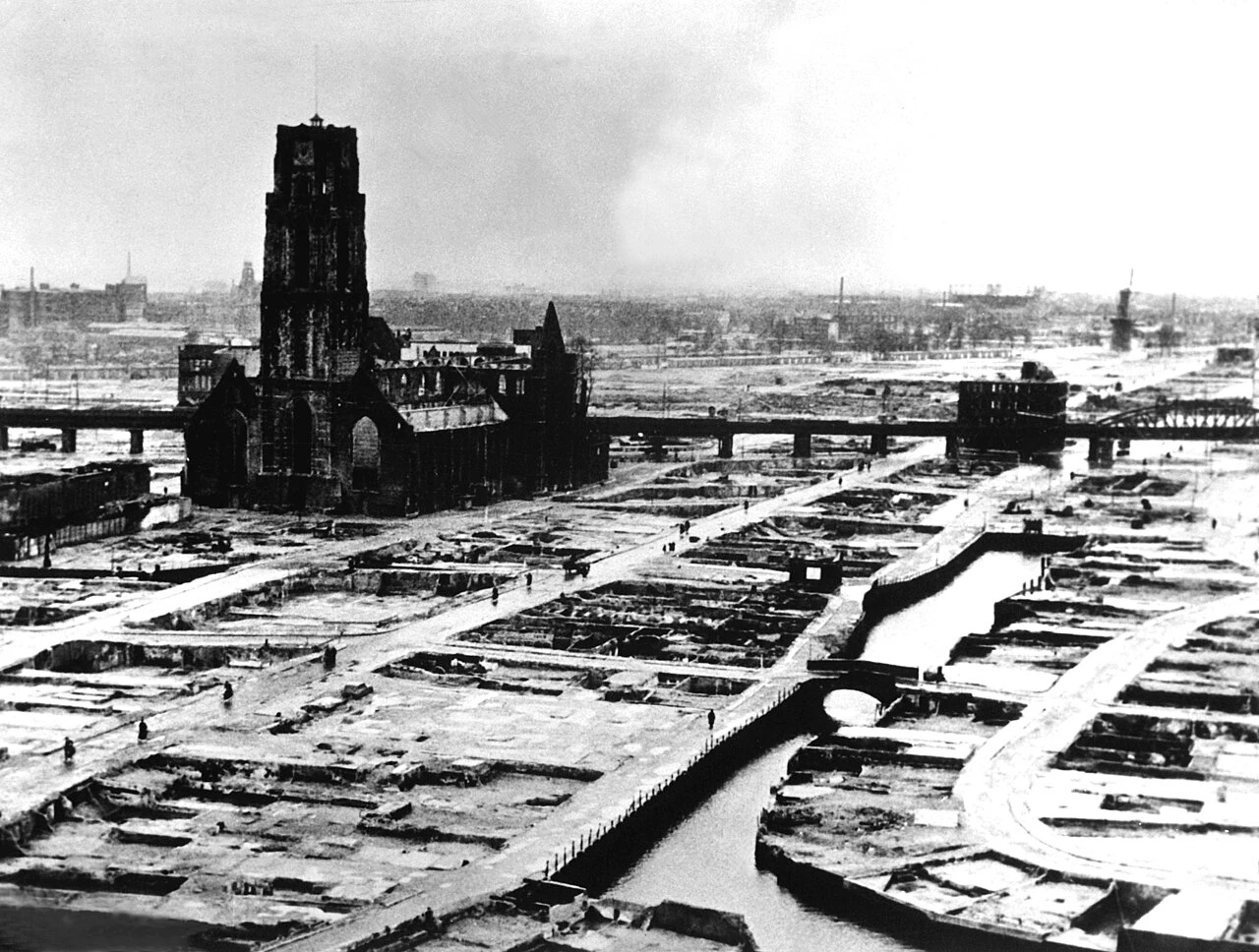
Rotterdam under the threat from the air
Chain Home — the Invisible Wall
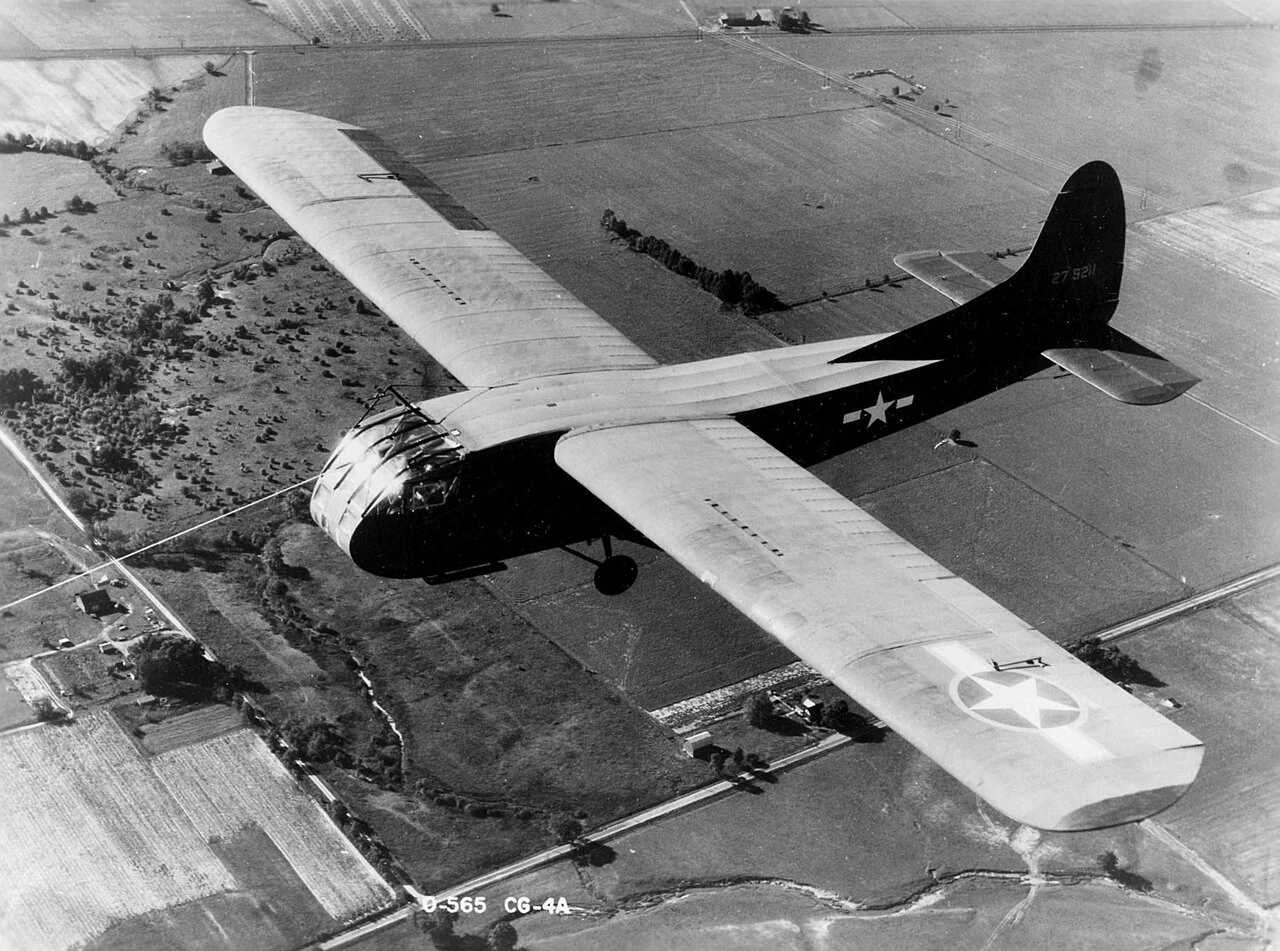
The coup de main on Ében-Émael
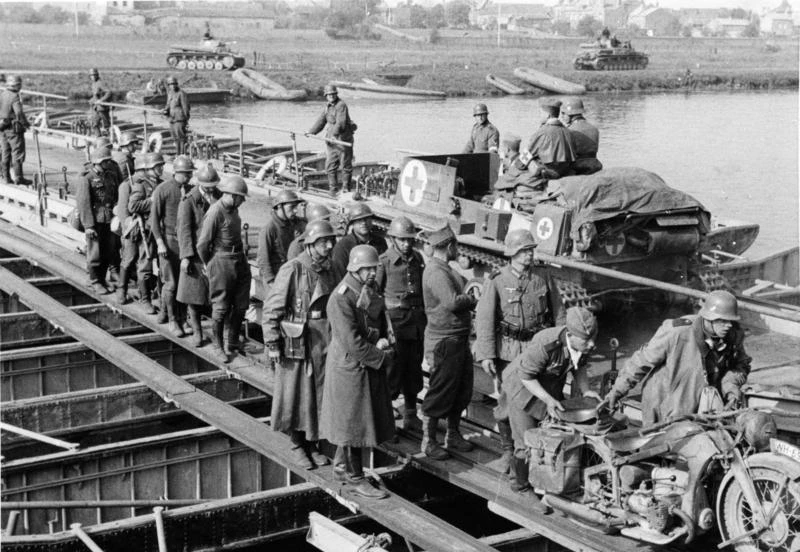
The deluge of Stukas over Sedan
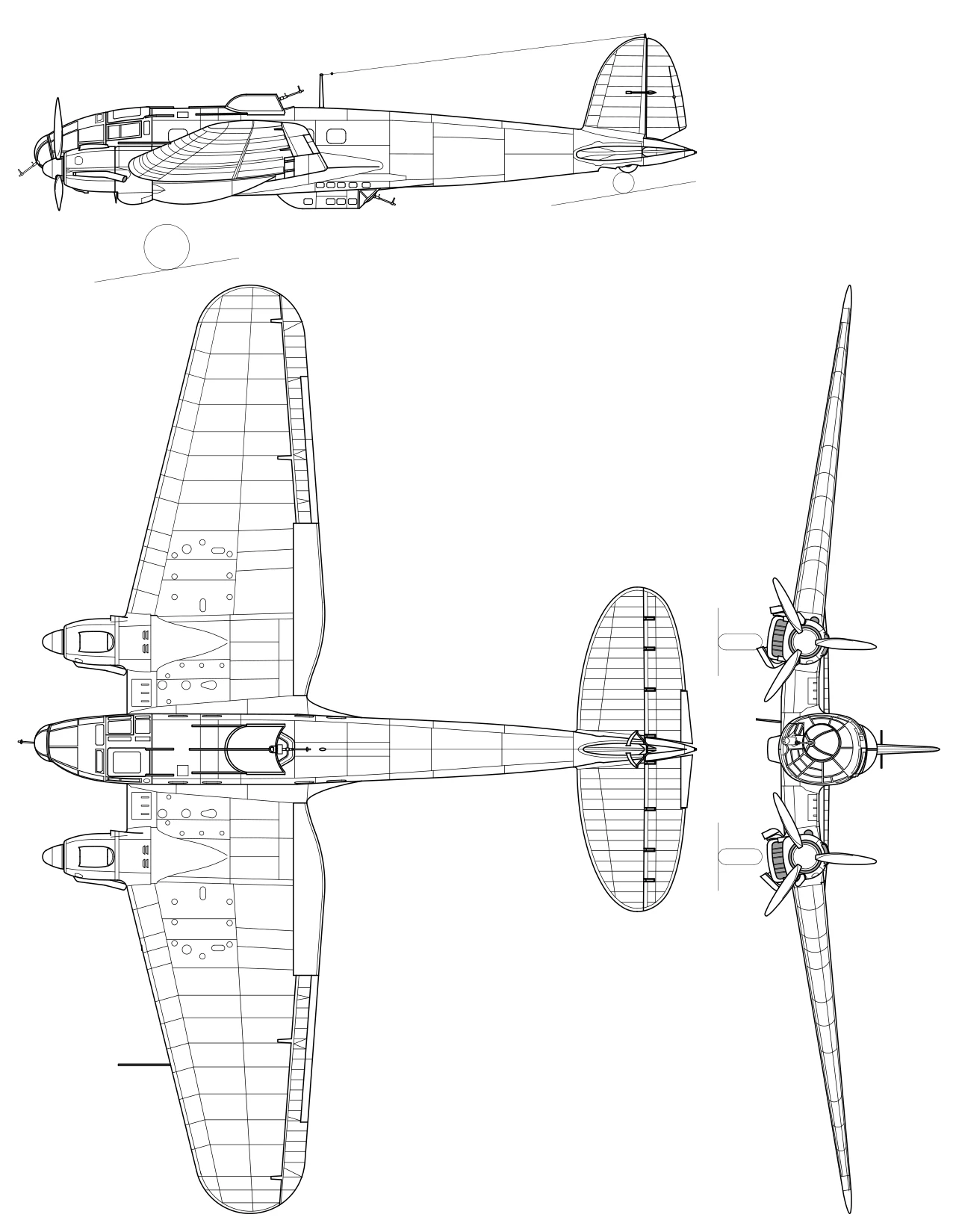
The doctrine of terror bombing
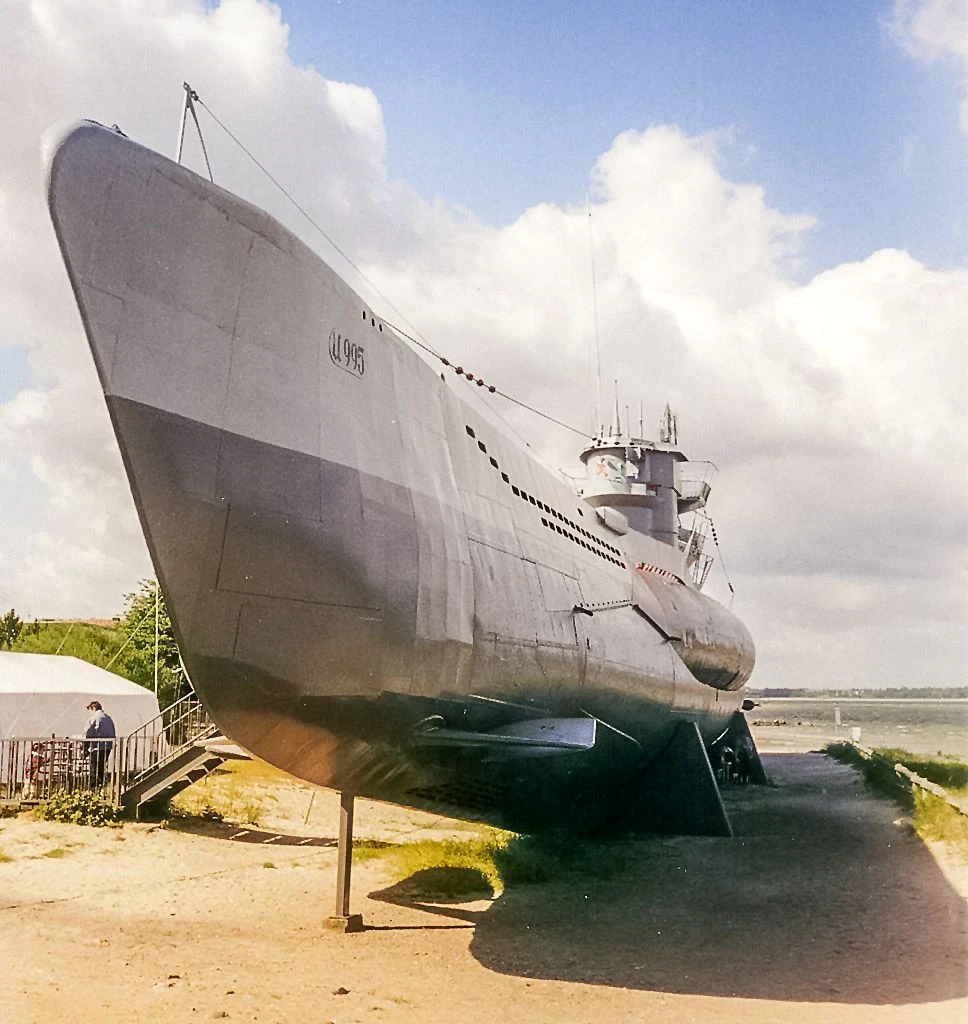
Dönitz at Sengwarden — the winter pause
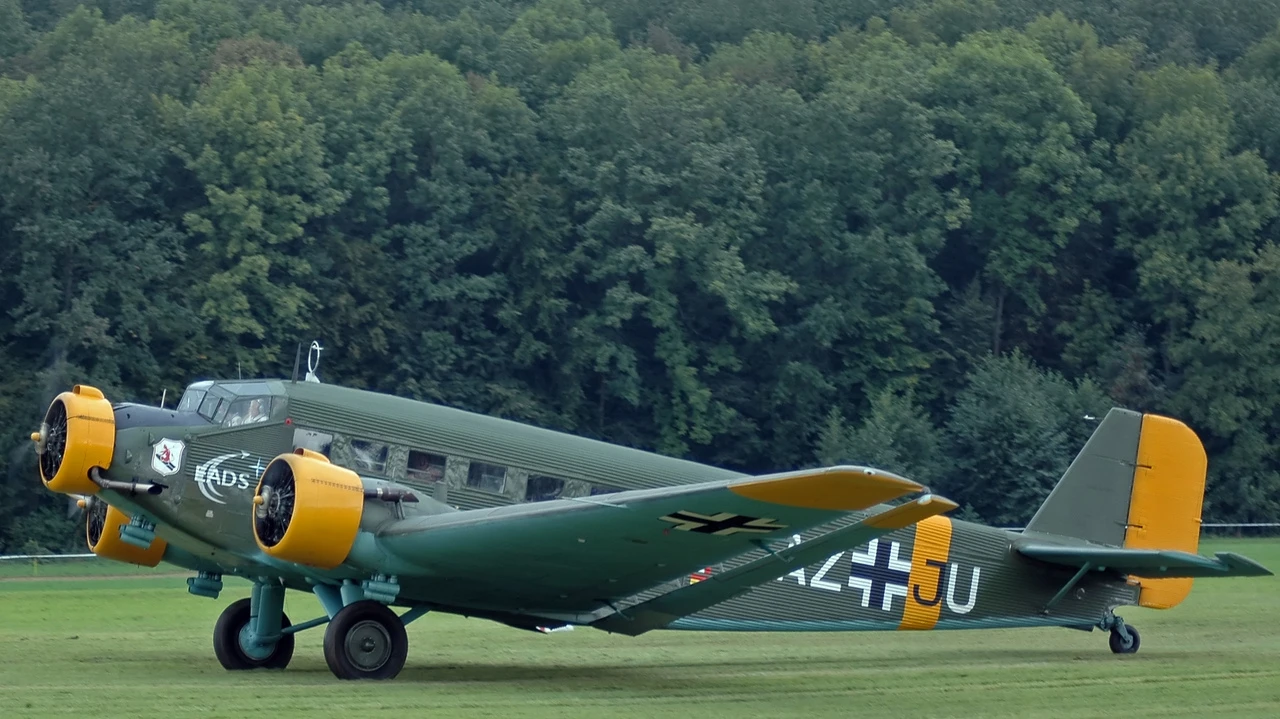
Fornebu — the transports under fire
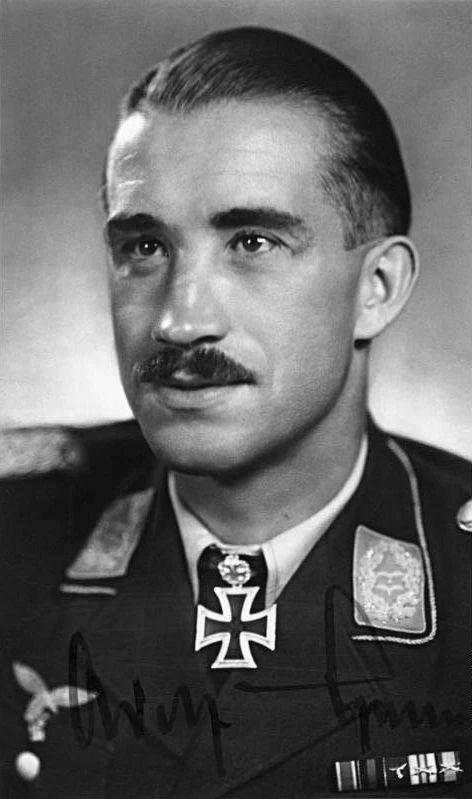
Galland over the Estuary
Krupp and the Beast's Cannon
Adlertag — which targets?
Rotterdam under the threat from the air
Chain Home — the Invisible Wall
The coup de main on Ében-Émael
The deluge of Stukas over Sedan
The doctrine of terror bombing
Dönitz at Sengwarden — the winter pause
Fornebu — the transports under fire