
The roads for the refugees or for the army
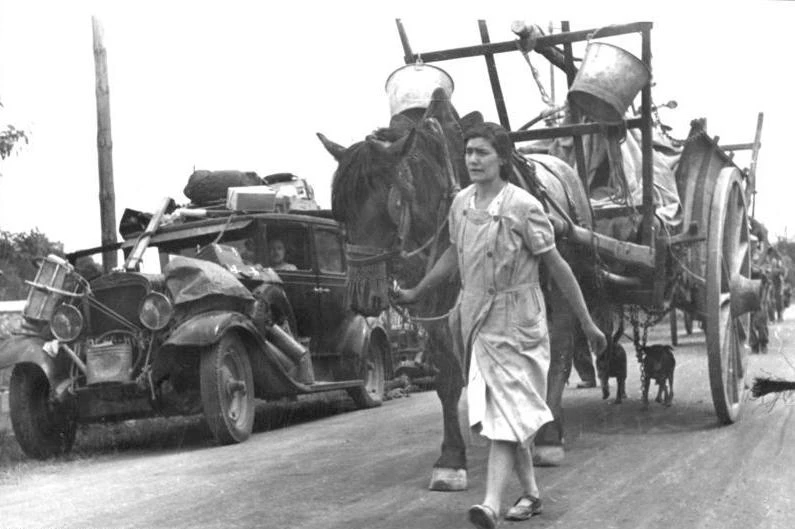
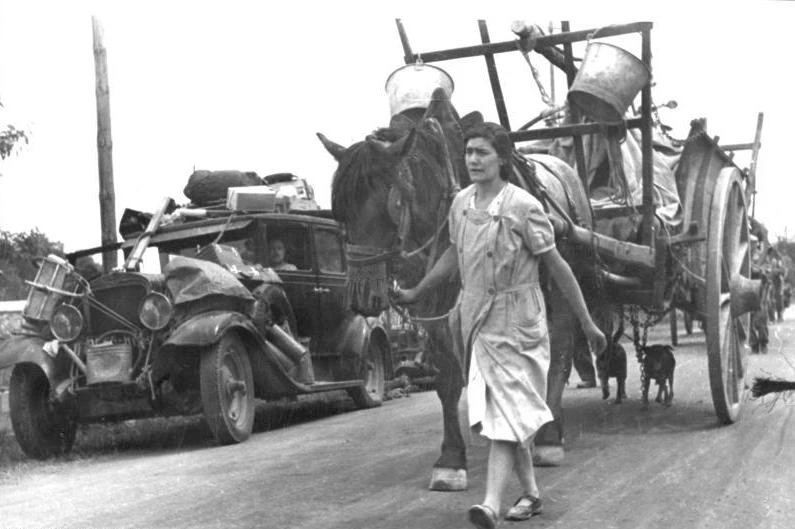
The exodus throws millions of civilians onto the roads at the precise moment when the Allied armies need those same routes for their movements: to advance into Belgium, manoeuvre, withdraw, and bring up supplies and reinforcements. Military roads and floods of refugees intermingle in a chaos that paralyses movement and offers targets to the aircraft.
The military command faces an agonising dilemma. Give absolute priority to military movements, pushing back or blocking refugees off the strategic roads, at the cost of great harshness towards civilians. Let the refugees through out of humanity, accepting the paralysis of movement. Or attempt to regulate the traffic by separating civilian and military routes — hard to apply in an emergency.
The stake is military as much as human: the fluidity of movement may decide a battle, but turning back terrified families is morally untenable. This entanglement of refugees and troops, poorly anticipated, gravely disorganises the Allied manoeuvre in Belgium and France.
Should the command give priority to military movements, let the refugees through, or attempt to regulate the traffic?
For want of preparation and means, the reality is a chaotic mixture of the three, with no satisfactory solution: the refugees clog the roads, gravely hampering military movements, while the attempts at regulation (C) and military priority (A) run up against the scale of the phenomenon. This entanglement, poorly anticipated by the staffs, contributes to Allied disorganisation: columns blocked, orders delayed, units unable to manoeuvre. The exodus, in addition to its human tragedy, is thus a military factor in the defeat. The episode illustrates an often-neglected dimension of modern war: the impact of civilian population movements on the conduct of operations — a problem for which the armies of 1940 were not prepared.
Learn more about this event
Related polls
10
The Repatriation of the Refugees
Provisioning and the Black Market
Going back to work under the occupier
France's March 1940 Ration Card
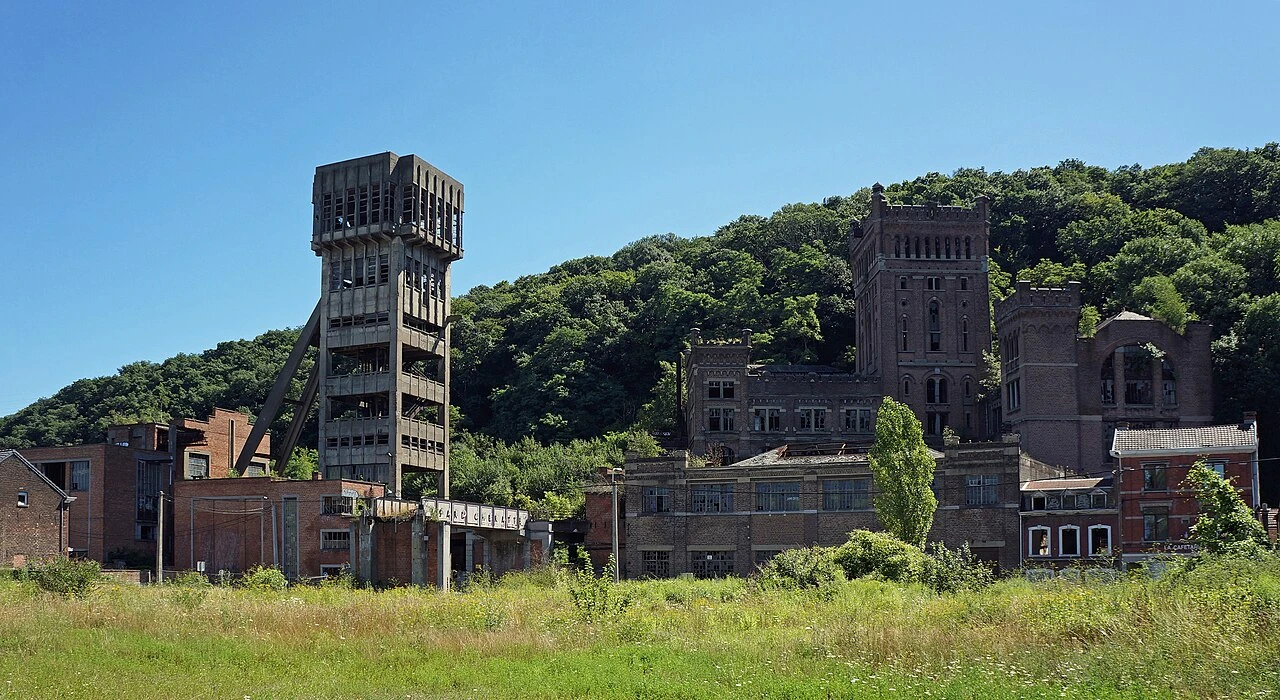
Campine Coal and the Hunger of Year One
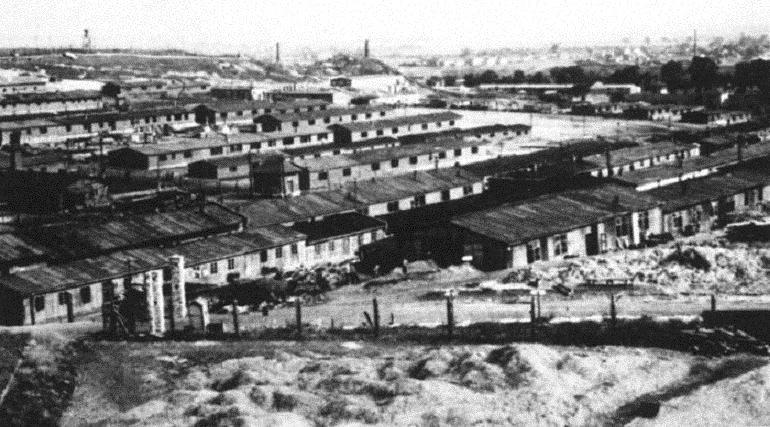
The Upper Silesian Pole Subjected to Forced Labour
The Long Columns of Prisoners
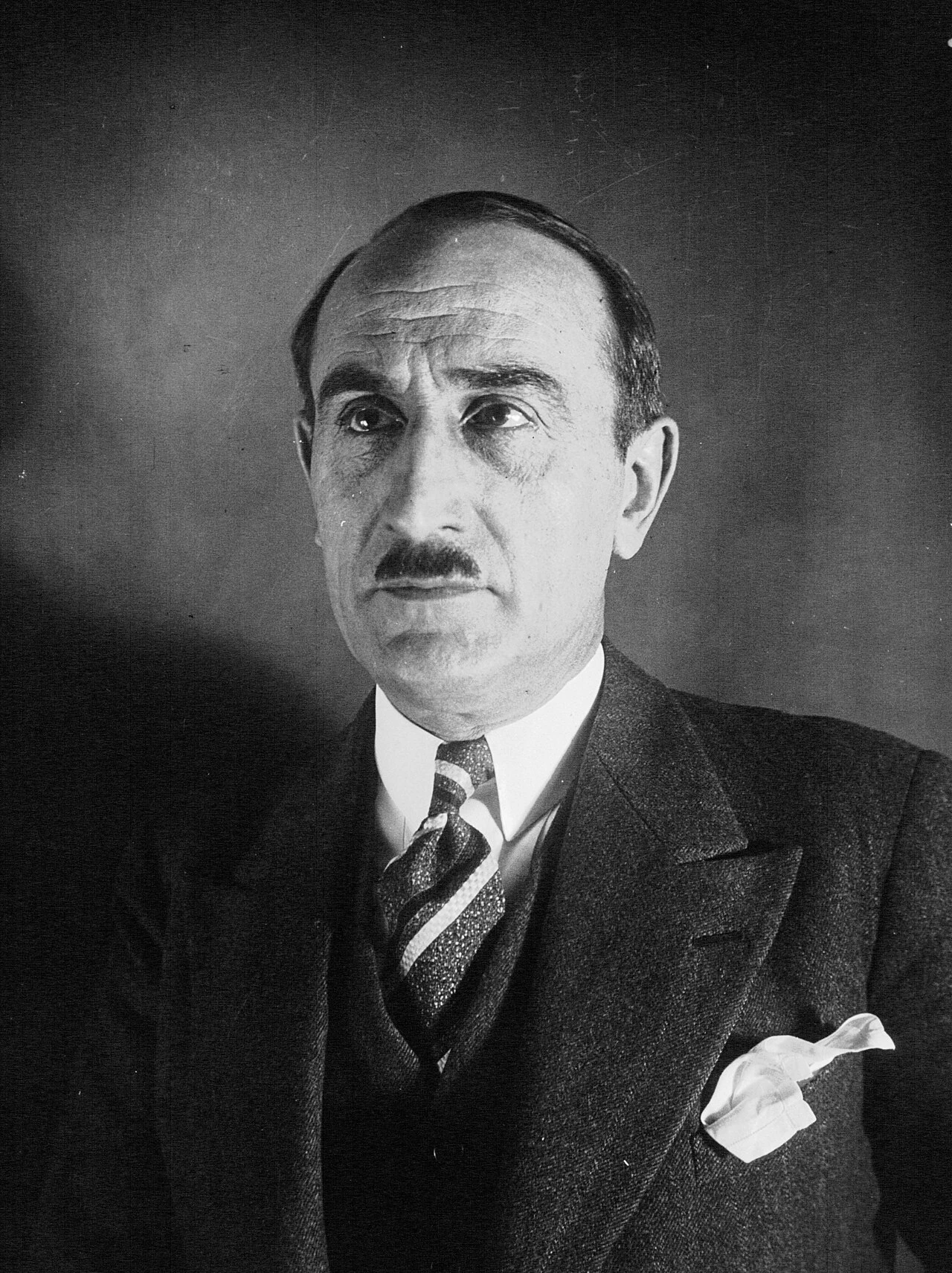
Marquet — Bordeaux overwhelmed, 12 June
Sabotaging the fuel depots
The exodus — flee or stay
The Repatriation of the Refugees
Provisioning and the Black Market
Going back to work under the occupier
France's March 1940 Ration Card
Campine Coal and the Hunger of Year One
The Upper Silesian Pole Subjected to Forced Labour
The Long Columns of Prisoners
Marquet — Bordeaux overwhelmed, 12 June
Sabotaging the fuel depots