
Tiilikainen at Yle — the war microphone
, 28, had been a journalist with Yleisradio (Yle, the Finnish public radio) since 1932. Before the war he had commented on sport (notably the Helsinki Olympic Games of 1940, scheduled for July 1940 and cancelled). At the outbreak of the Winter War the head of Yle, (a left-wing writer and screenwriter — one of the very few women heading a major European media outlet), named Tiilikainen as her chief war correspondent.
An unprecedented mission: live broadcasting from the fronts, then a revolutionary technique. Tiilikainen was equipped with modified BBC kit (EMI Type C microphone, portable valves, an 18-kilogram battery). He went with the Finnish units at Suomussalmi, Tolvajärvi and Kollaa. Broadcasting at 20:00 every evening on Yle, listened to by 97 percent of Finns (the radio was everywhere in the home). Within six weeks he had become the sound link between the soldiers and their families.
The question of casualties arose quickly. The fronts were bleeding, families waited for news, and every household feared the worst. The Finnish state wanted to keep up the morale of a tiny population facing a giant; yet a radio listened to by almost the entire country could not indefinitely conceal reality without losing all credibility. Between raw truth, protective silence and some other path, Tiilikainen's microphone carried unusual weight.
Tiilikainen had to decide how to handle the Finnish losses in his broadcasts.
How should Tiilikainen handle the Finnish losses in his broadcasts?
Tiilikainen applied C. He avoided global figures and instead told individual stories — a soldier, an officer, a Lotta. His style: short descriptions, raw facts, never open propaganda, personal testimony from the soldiers; he kept his voice calm even with bombing in the background. His broadcast of 7 January 1940 from Raate, recounting a wounded medic singing Maamme (the national anthem), reached 2.1 million Finnish listeners — 60 percent of the population. Wuolijoki and Tiilikainen together defined a doctrine of war reporting that would remain Yle's model throughout the twentieth century: no lying, no crude propaganda, the individual brought forward. Tiilikainen carried on after the Winter War, became head of sport at Yle, retired in 1969 and died in 1992. His broadcast of 13 March 1940 announcing the Peace of Moscow — "Peace is signed, and our boys are coming home. But Vyborg is lost." — is preserved in the archives and remains one of the most striking radio moments in Scandinavian history. Wuolijoki survived politically, continued to run Yle from 1945 to 1949, and died in 1954.
Learn more about this event
Related polls
10
Lotta Svärd — Luukkonen and mobilisation
Joulun rauha — Christmas 1939 in the trenches
A Correspondent in Berlin
Czerniaków — the offer of the Judenrat
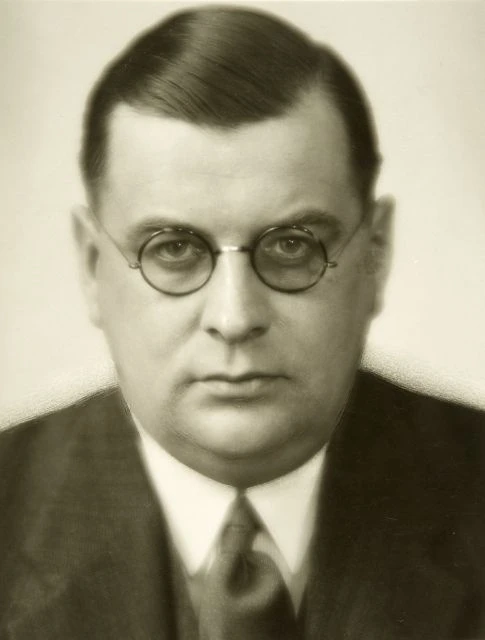
Erkko — the minister of 1 December
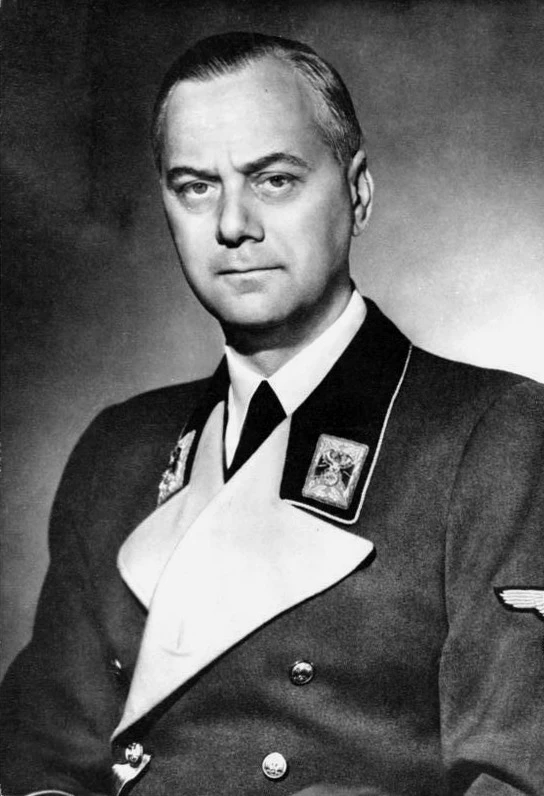
The Evacuation of the Children
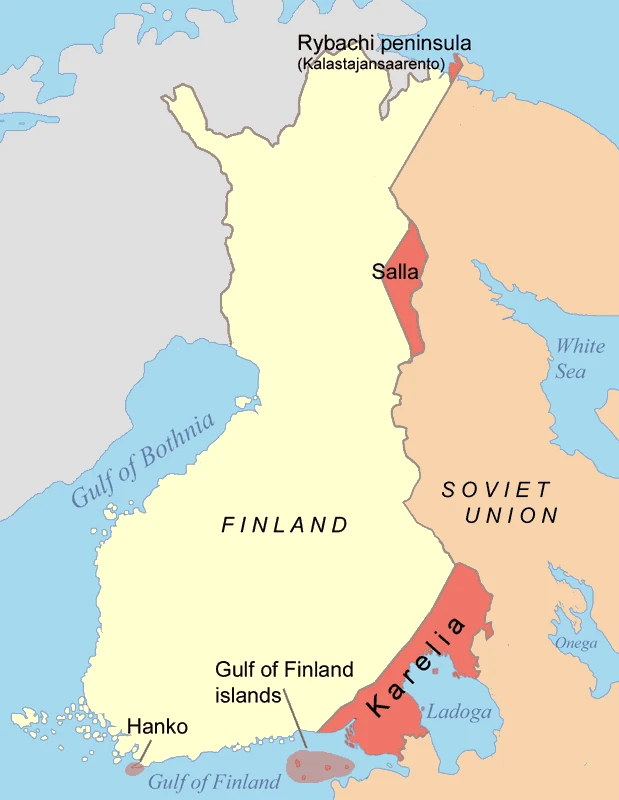
Helsinki under the bombs — 30 November
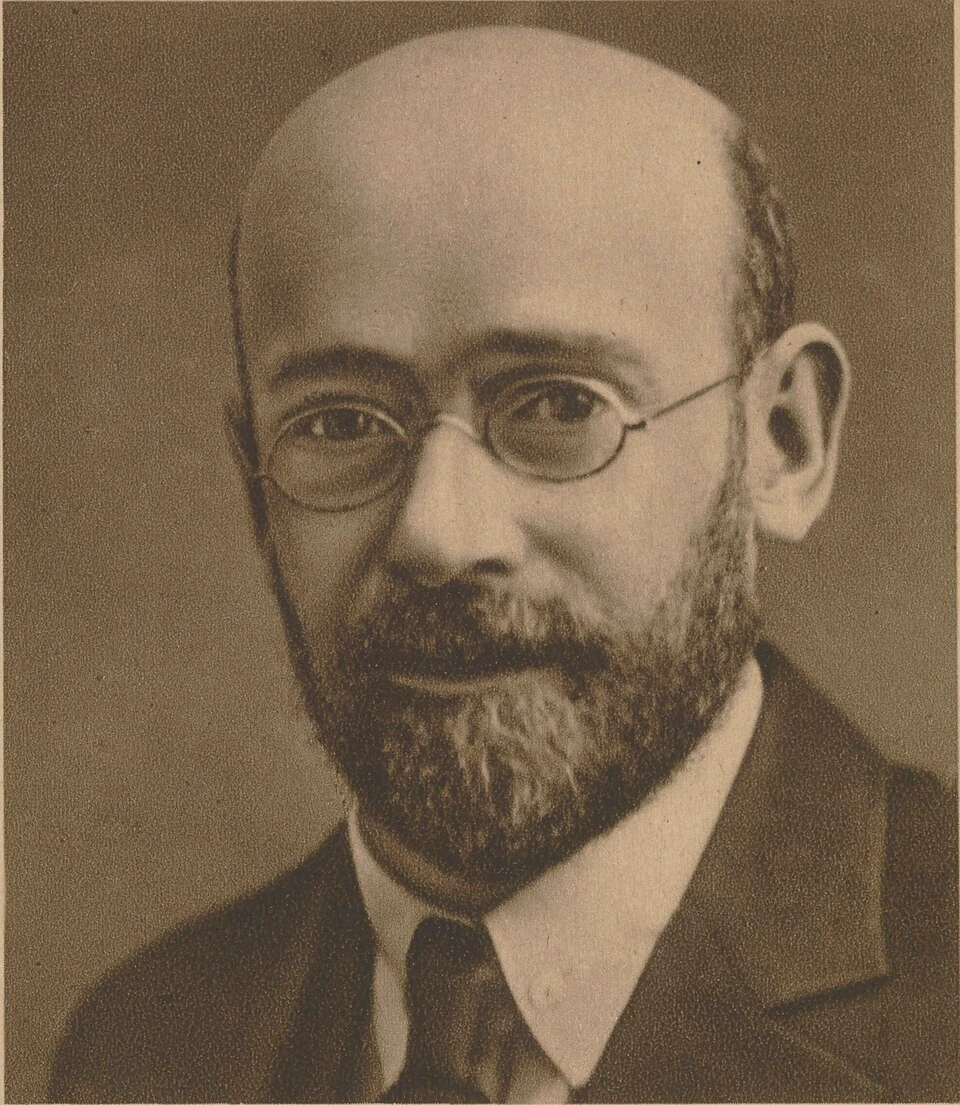
Korczak — facing the siege of Warsaw

The Conscientious Objector
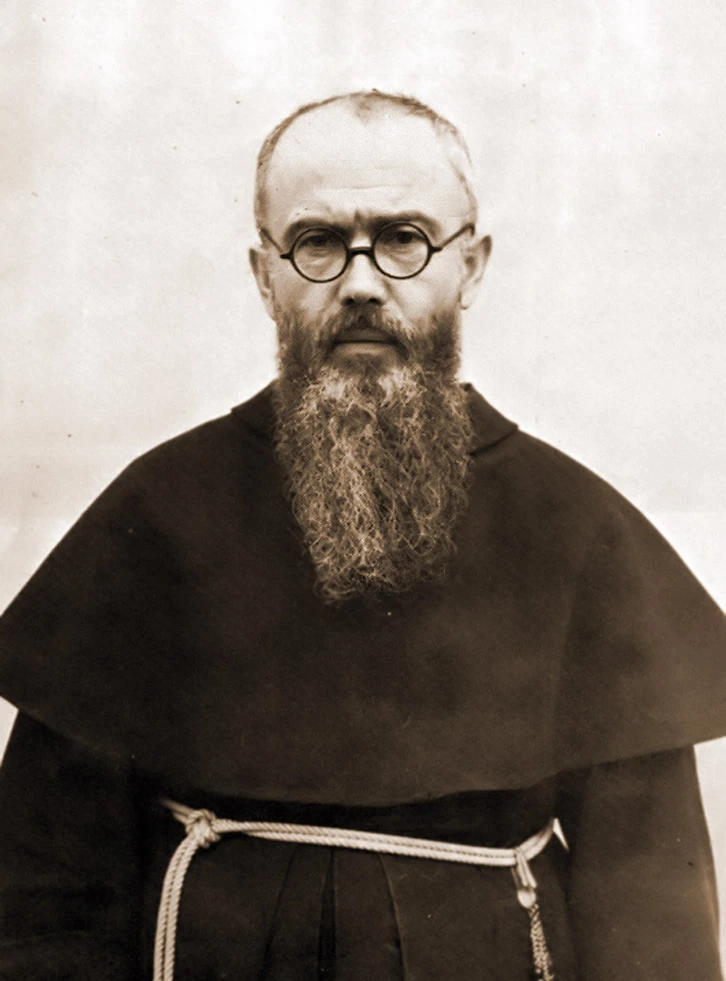
Father Kolbe — the Wehrmacht arrives at Niepokalanów
Lotta Svärd — Luukkonen and mobilisation
Joulun rauha — Christmas 1939 in the trenches
A Correspondent in Berlin
Czerniaków — the offer of the Judenrat
Erkko — the minister of 1 December
The Evacuation of the Children
Helsinki under the bombs — 30 November
Korczak — facing the siege of Warsaw
The Conscientious Objector