
Haakon VII — Facing the Cross-Pressures
, sixty-seven, has been King of Norway since 1905 — the year of the peaceful separation from Sweden. Born Prince Carl of Denmark, he accepted the Norwegian crown after a popular referendum (78 per cent yes). Married to Princess Maud of Wales (daughter of of Britain), he has a son, Crown Prince Olav. A liberal personality, respectful of parliamentarism, he favours a limited constitutional role for the monarch.
On 1 September 1939, the Labour Prime Minister and Foreign Minister declare Norwegian neutrality. Norway is in a delicate position: her Atlantic coast of 25,000 kilometres (with fjords) makes her a potential theatre for the Royal Navy; the iron ore from Kiruna (Sweden) transits through the Norwegian port of Narvik and represents 40 per cent of German iron needs; her heavy water (Norsk Hydro at Rjukan) is beginning to interest German scientists for atomic research.
The Norwegian army numbers 9,000 men in active service, with 110,000 mobilisable in an emergency. Limited equipment, coastal navy, negligible aviation. Doctrine: absolute neutrality, hope of geographical isolation. On 18 September, joint Scandinavian declaration of neutrality with Denmark and Sweden.
On 9 December 1939, the Finnish commander-in-chief Mannerheim, via Stockholm, requests the transit of Allied troops through Norway and Sweden to relieve Finland. The Allies in parallel are considering an occupation of Narvik to cut off German ore. and his government must decide on their position.
What answer to give to the cross-pressures from Finland, the Allies, and Germany?
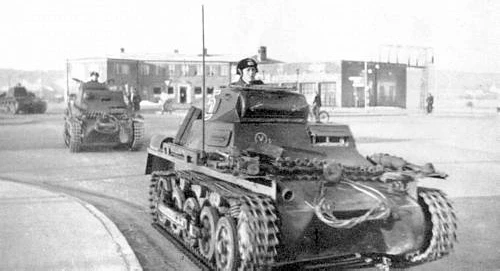
and Nygaardsvold choose B. Allied transit is refused (December 1939 - January 1940). Strict neutrality is maintained. But on 16 February 1940 the Altmark incident (the German ship boarded by HMS Cossack in Norwegian waters to free 299 British seamen) hardens the situation. Hitler accelerates the preparations for Weserübung (the invasion of Norway). On 9 April 1940, the Wehrmacht invades Norway. refuses to recognise the collaborationist government of (former Defence Minister 1931-33, fascist, who proclaims himself Prime Minister on Radio Oslo at 7.32 p.m. on 9 April). Haakon's famous speech at Nybergsund on 10 April to his government: "I am deeply moved by the responsibility I have been asked to assume. But I would rather abdicate than give my sanction to a Quisling government. The decision is mine — and I refuse." The king and the government cross to Great Britain in June 1940, where they direct the Norwegian resistance in exile. Haakon returns to Oslo on 7 June 1945, the anniversary day for day of his departure into exile. He dies in September 1957, deeply loved. The verb "to quisle" (to collaborate) enters several European languages.
Learn more about this event
Related polls
10
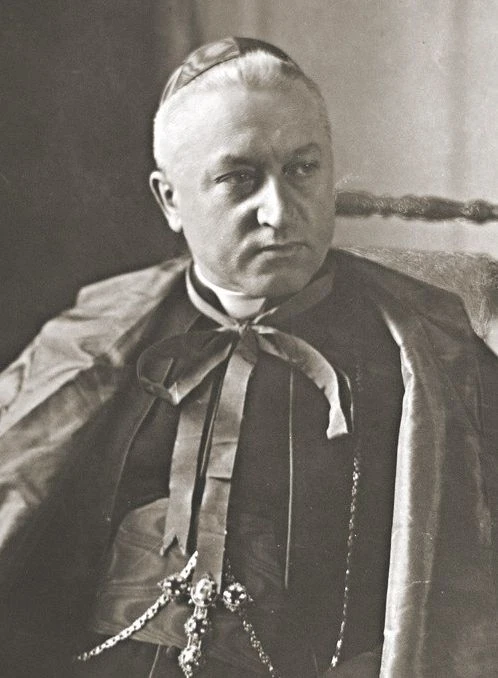
Cardinal Hlond — the Vatican's instruction
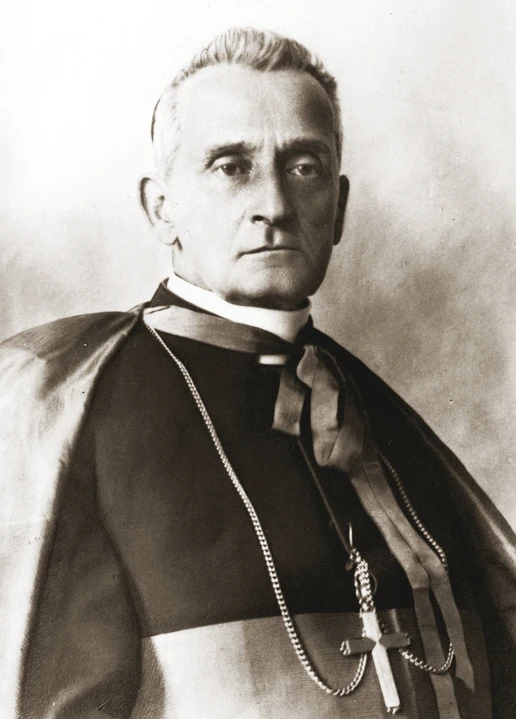
Cardinal Sapieha — Krakow under Occupation
Chamberlain — 11:15 BST
Christian X — Amalienborg, 1 September
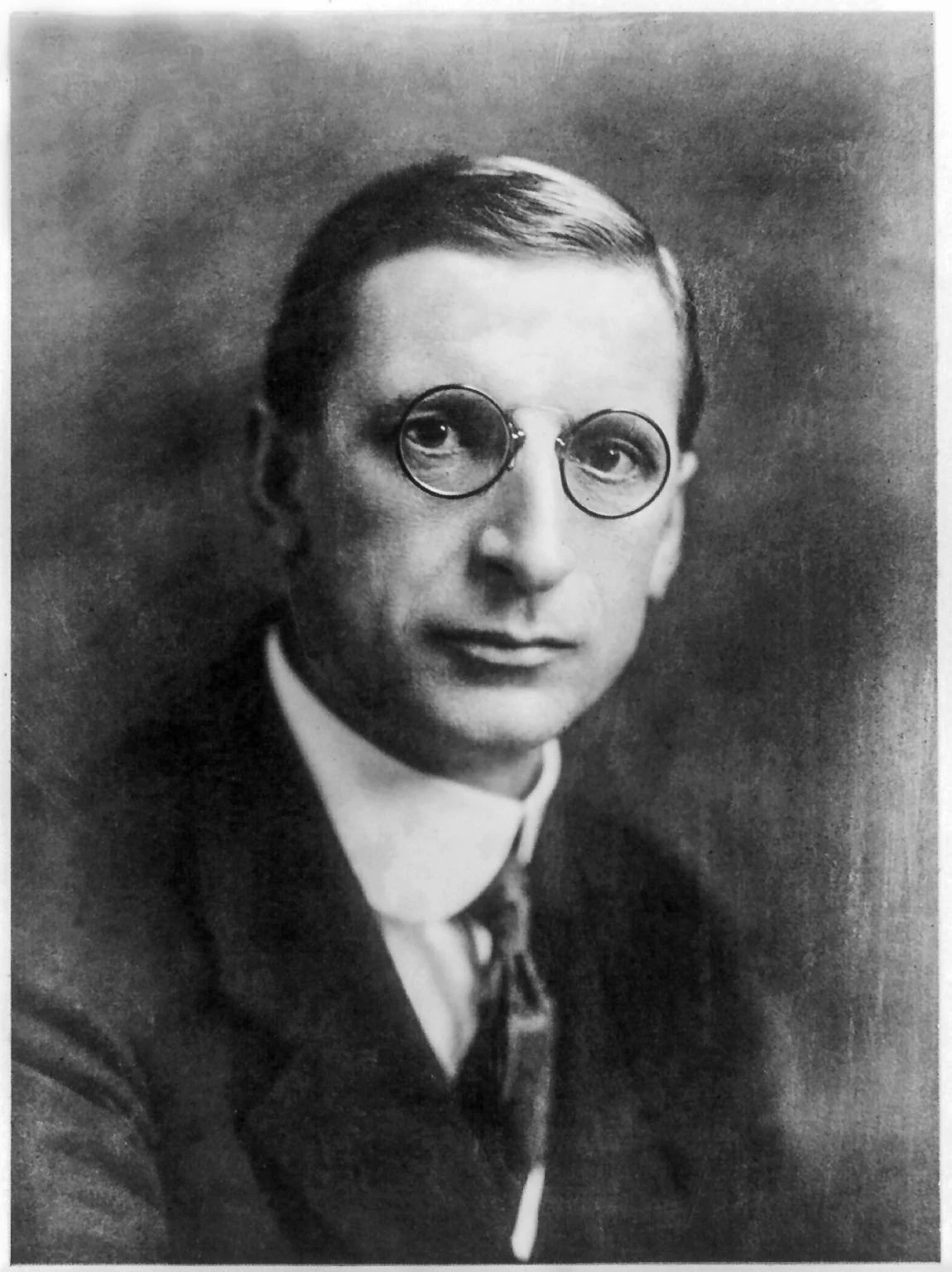
De Valera — Leinster House, 2 September
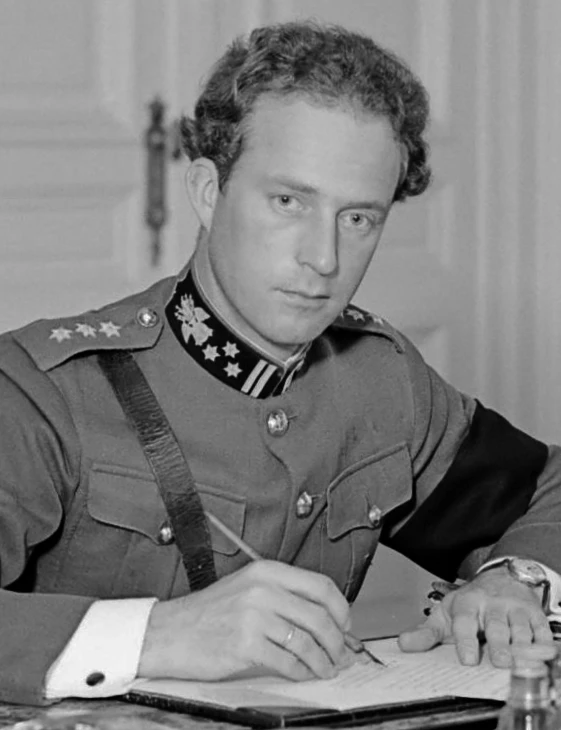
Leopold III — Brussels, 3 September
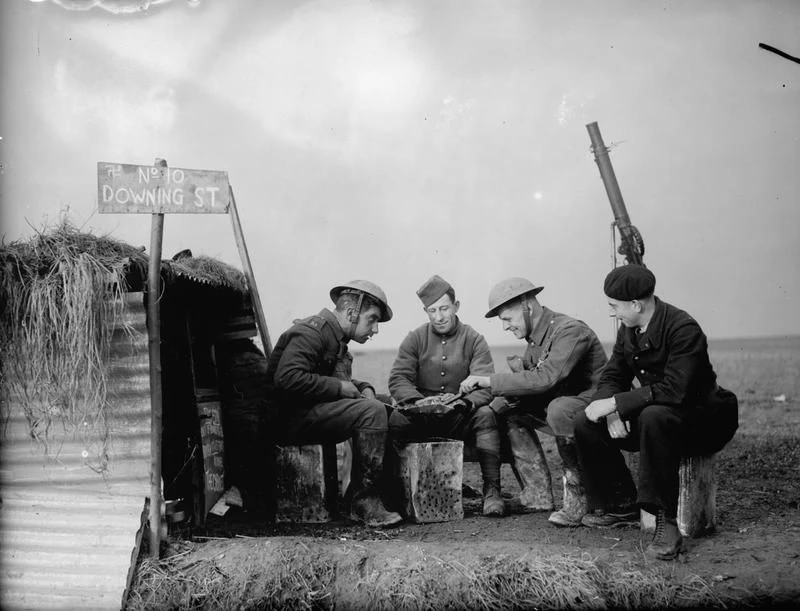
Maurras and the phoney war
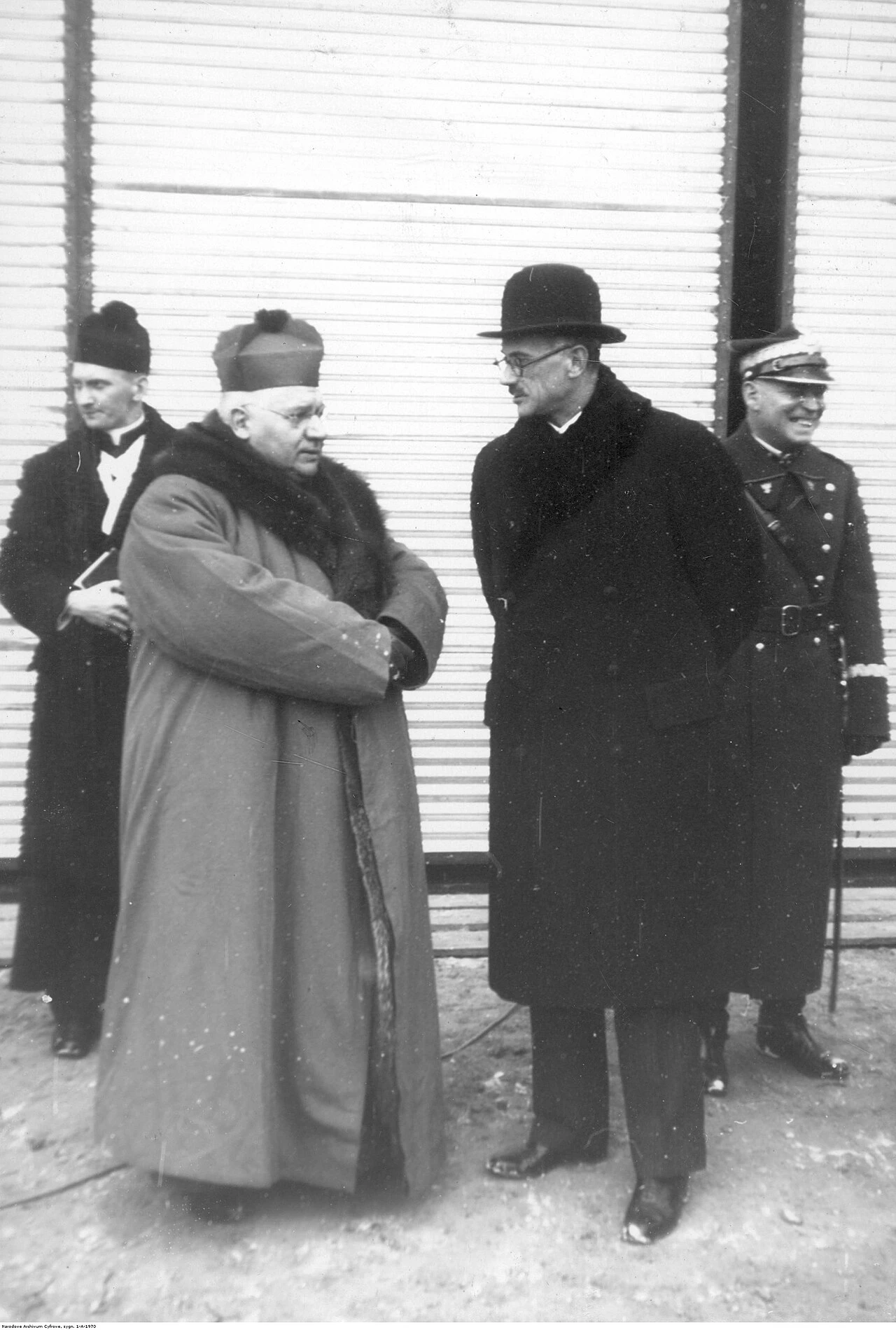
Bishop Adamski in annexed Katowice
Mussolini — Palazzo Venezia, 1 September
The Gold of the Bank of Poland — the destination of the SS Eocene
Cardinal Hlond — the Vatican's instruction
Cardinal Sapieha — Krakow under Occupation
Chamberlain — 11:15 BST
Christian X — Amalienborg, 1 September
De Valera — Leinster House, 2 September
Leopold III — Brussels, 3 September
Maurras and the phoney war
Bishop Adamski in annexed Katowice
Mussolini — Palazzo Venezia, 1 September