
Bodange — Bricart and the Chasseurs Ardennais
At dawn on 10 May 1940, the German army poured into Luxembourg and the Belgian Ardennes. Belgian doctrine did not envisage holding there: the covering units of the Chasseurs Ardennais were to delay the enemy briefly, then fall back on the main position further west. But communications were severed, and several detachments never received the order to withdraw.
At Bodange, on the Sûre, a company of some sixty men commanded by Commandant found itself facing the spearhead of the : armour and around 3,000 infantry pressing towards the bridges that opened the road to Sedan.
Bricart had not received the order to withdraw. He could hold the position and blow the crossing, inflicting a delay on an entire armoured division, but at the almost certain cost of his isolated and unsupported company. He could withdraw on his own initiative, in keeping with the spirit of the doctrine, to preserve his men. He could also surrender in the face of an overwhelming enemy. Every hour gained here delayed the arrival of the Panzers on the Meuse — but no one, at Bodange, yet knew how much that delay would weigh.
Should Bricart hold the bridge at Bodange against an armoured division, or withdraw to save his company?
Bricart chose A: his handful of Chasseurs Ardennais blocked the for about eight hours on 10 May, disrupting the German timetable in the Ardennes. The commandant was killed in action, along with about ten of his men. The episode demonstrated, conversely, that the early-morning withdrawal order to the covering units was questionable: where the Chasseurs held, they delayed the enemy far beyond what the general staff had thought possible. Bodange became a place of remembrance for the Belgian army, a symbol of tenacious resistance in a campaign otherwise lost in eighteen days.
Learn more about this event
Related polls
10
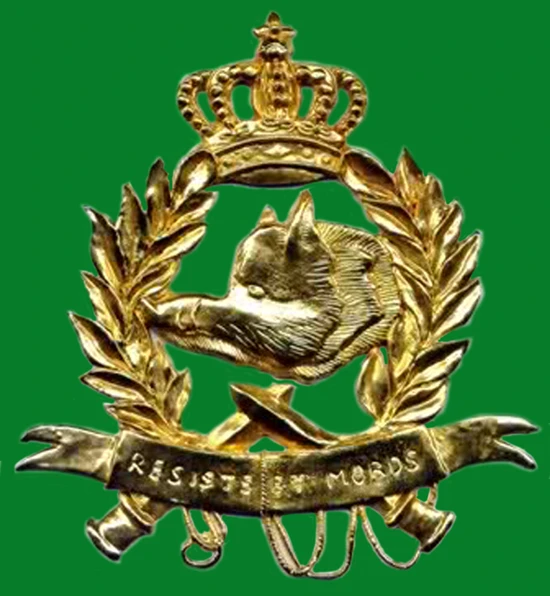
The abatis of the Chasseurs Ardennais
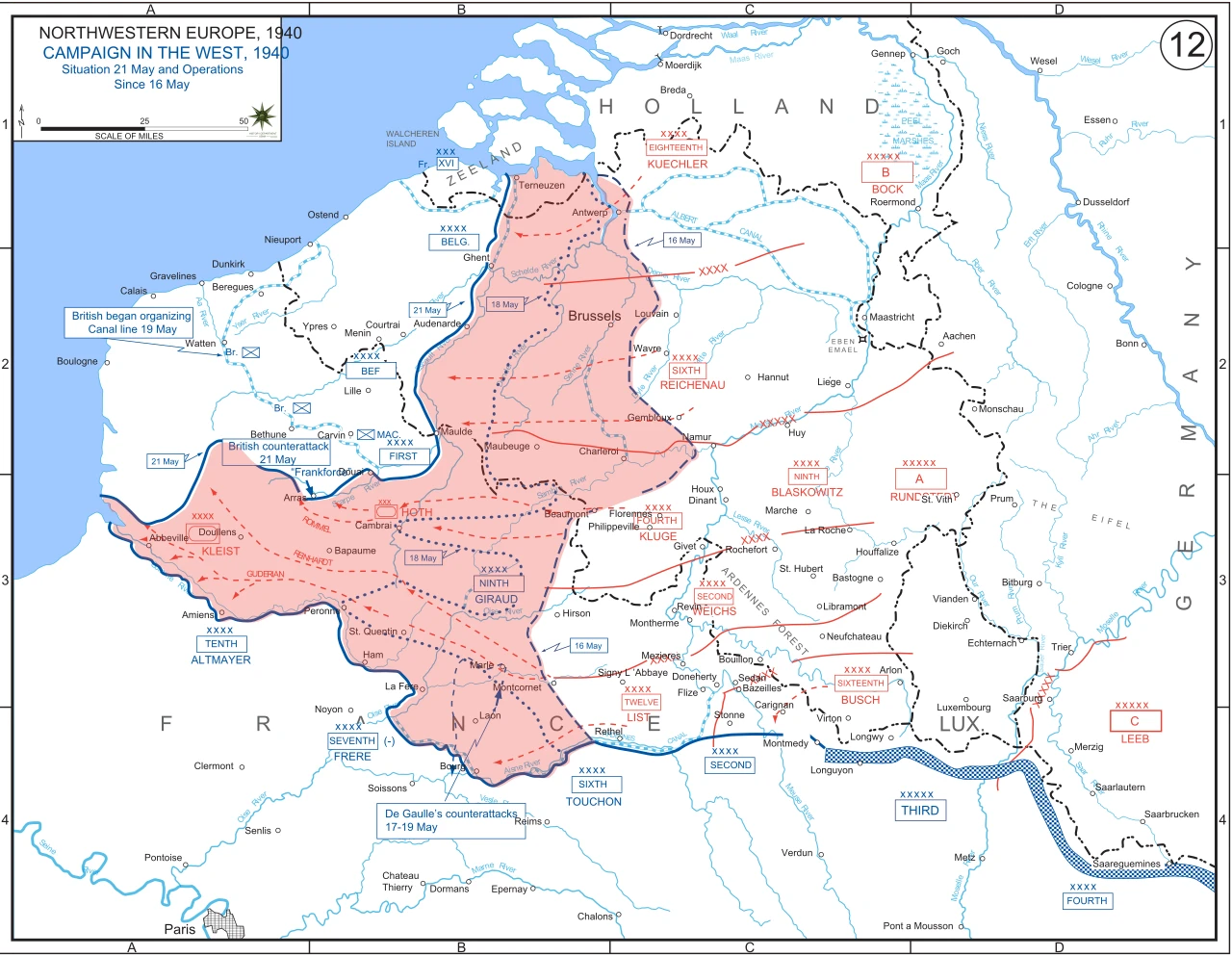
The Battle of the Lys
The bridges of the Meuse
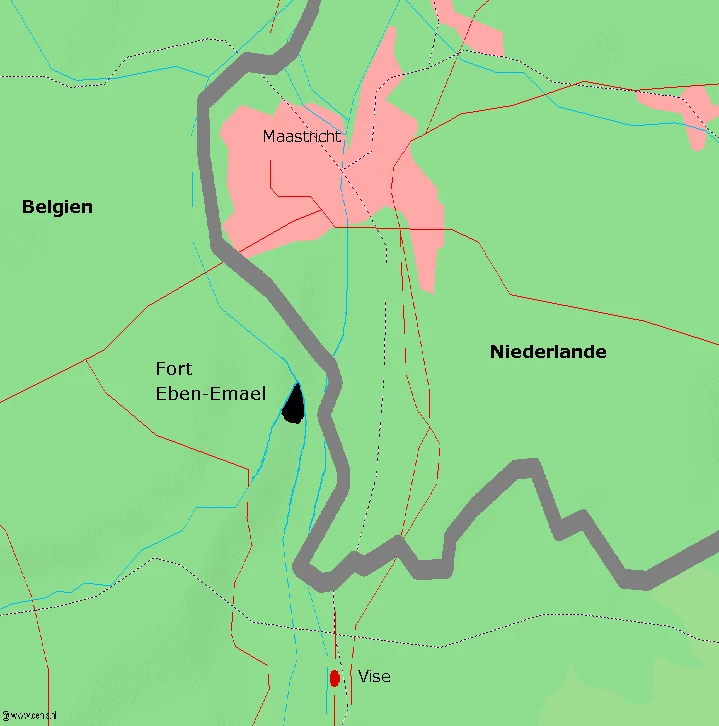
Eben-Emael — Jottrand under the explosions
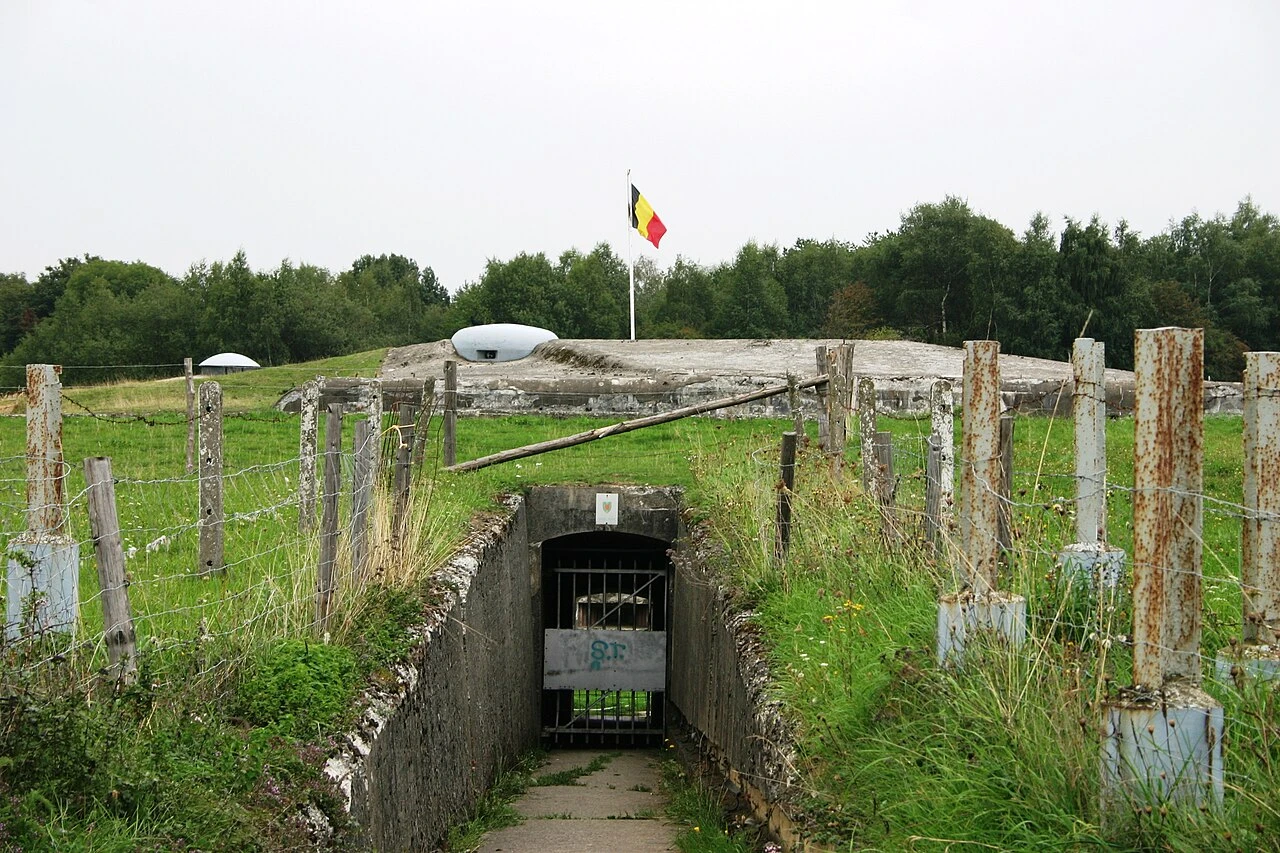
The fort of Aubin-Neufchâteau
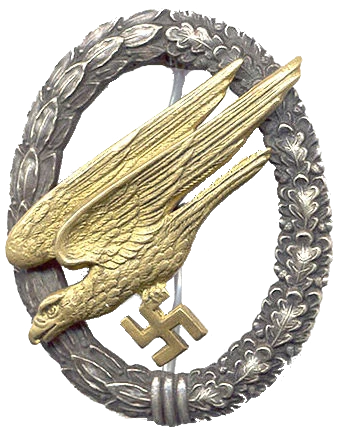
Kanne bridge — fourth airborne target
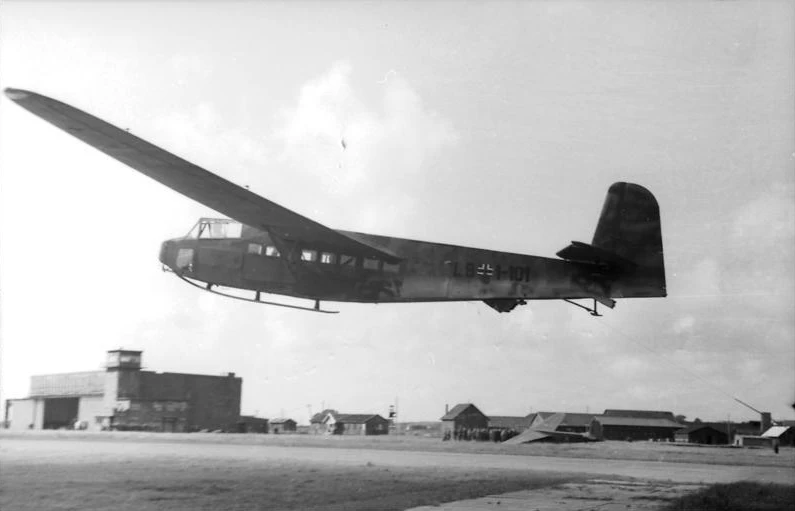
Veldwezelt bridge — Beert and the demolition officer
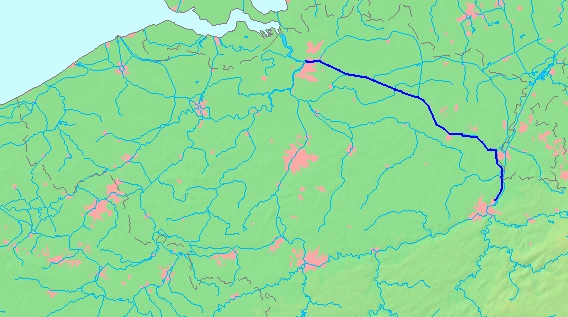
Vroenhoven bridge — the demolition order
The bridges of the Albert Canal
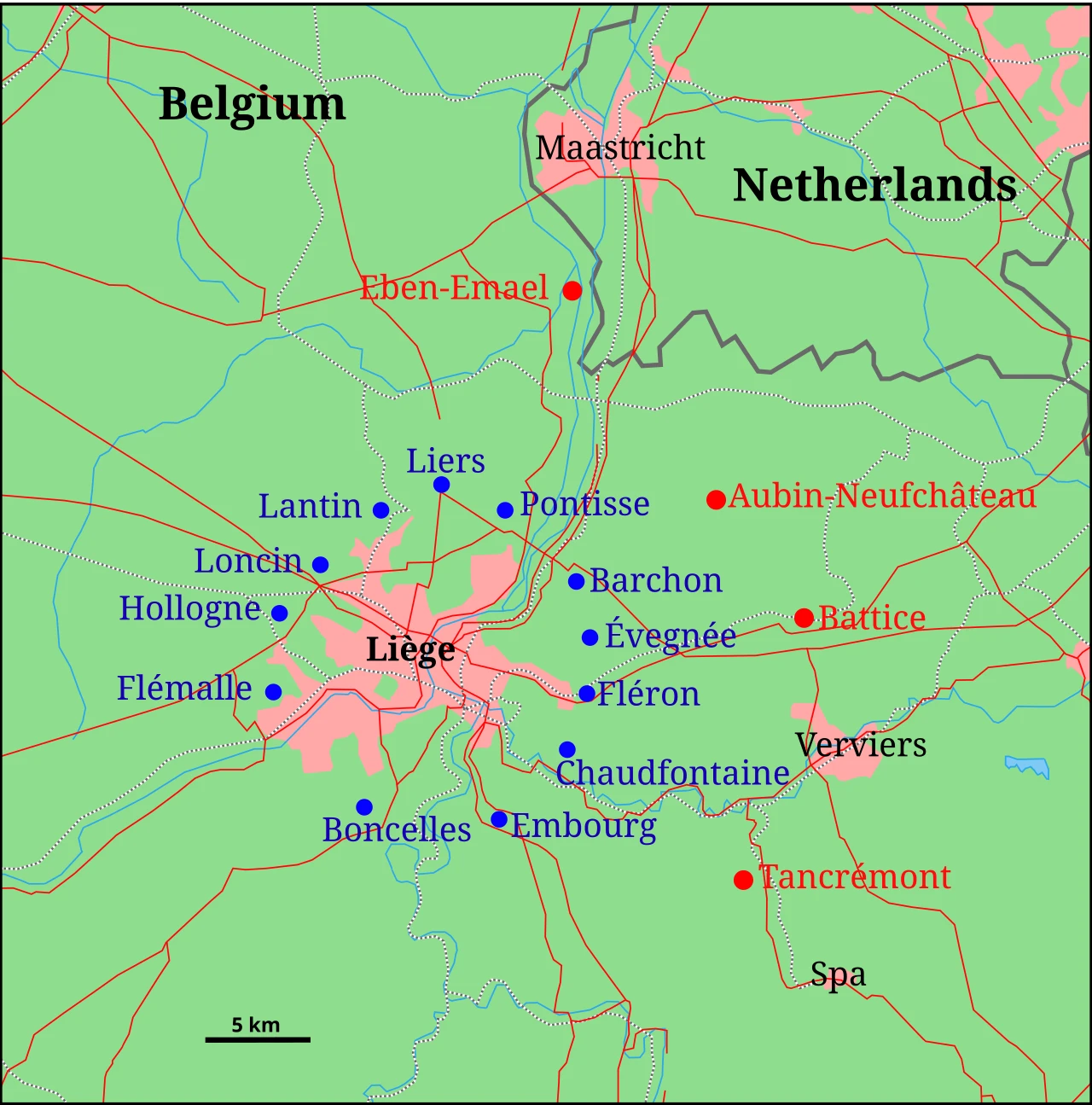
The fortified position of Liège
The abatis of the Chasseurs Ardennais
The Battle of the Lys
The bridges of the Meuse
Eben-Emael — Jottrand under the explosions
The fort of Aubin-Neufchâteau
Kanne bridge — fourth airborne target
Veldwezelt bridge — Beert and the demolition officer
Vroenhoven bridge — the demolition order
The bridges of the Albert Canal