
Pierlot at Limoges — from where to carry on?
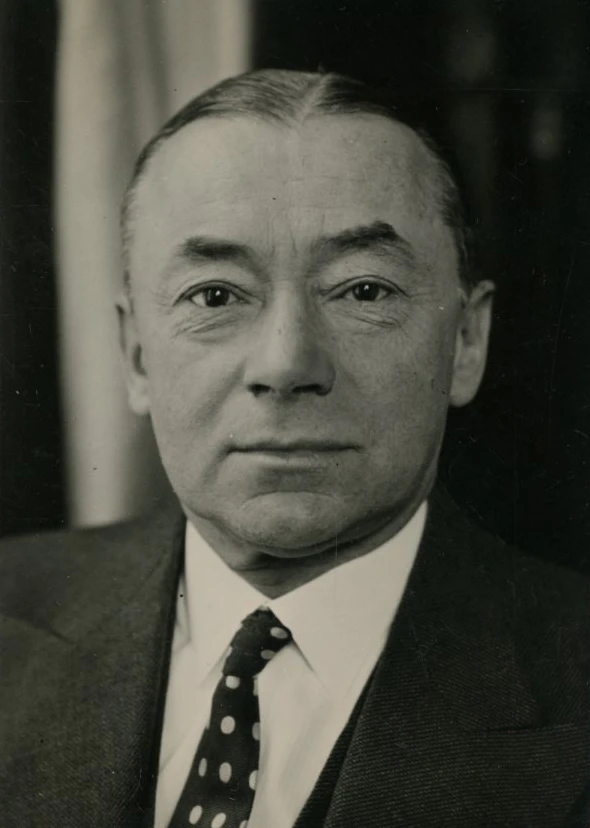
, 56, a Catholic and a jurist, has been Prime Minister of Belgium since 1939. When the Wehrmacht invades his country on 10 May 1940, his government decides not to remain under occupation: it is the lesson of 1914, when Belgian ministers had reached Sainte-Adresse, near Le Havre, to carry on the war from Allied soil.
Pierlot and a dozen ministers leave Brussels on 16 May, , socialist and foreign minister, at their side. On 17 May, they install themselves at Limoges, in France. But the Belgian state machine is scattered, civil servants and archives have been thrown onto the roads, and the army falls back ceaselessly in Flanders. King , who commands that army in person, has remained in the country: a disagreement heavy with consequences is already brewing between the Crown and his ministers over who, the soldier-king or the government, embodies the nation's legitimacy.
At Limoges, the government is now only a handful of men on foreign soil, dependent on the French ally whose own military situation is deteriorating by the hour. Pierlot must decide from where, and how, the Belgian state will carry on the fight.
From Limoges, where should the Belgian government carry on the war?
Pierlot moved toward A, but the road was tortuous. Under French pressure, the government meeting at Limoges publicly disavowed the king's separate capitulation, consummating the break between and his ministers. Then the collapse of France trapped the Belgians in place; for a moment tempted to compose with the victor, Pierlot and Spaak finally chose to reach London. The journey, via Franco's Spain and Portugal, was long and perilous — they nearly were blocked — and they did not reach the British capital until October 1940. The Belgian government in exile was recognised there and led the national war effort until the Liberation. Pierlot returned to Belgium in 1944, faced the so-called "Royal Question" crisis, then withdrew from political life in 1945. His firmness in 1940 had preserved a Belgian legitimacy in the Allied camp.
Learn more about this event
Related polls
10
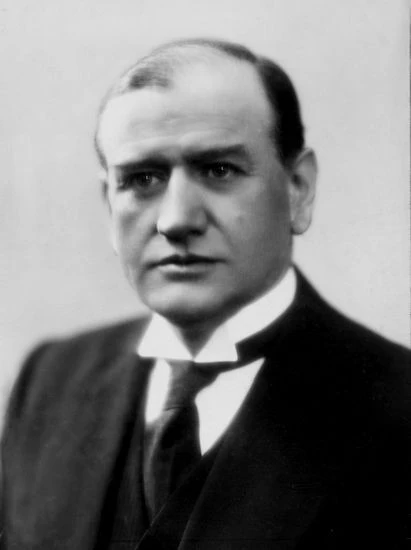
Daladier asked to leave the War Ministry
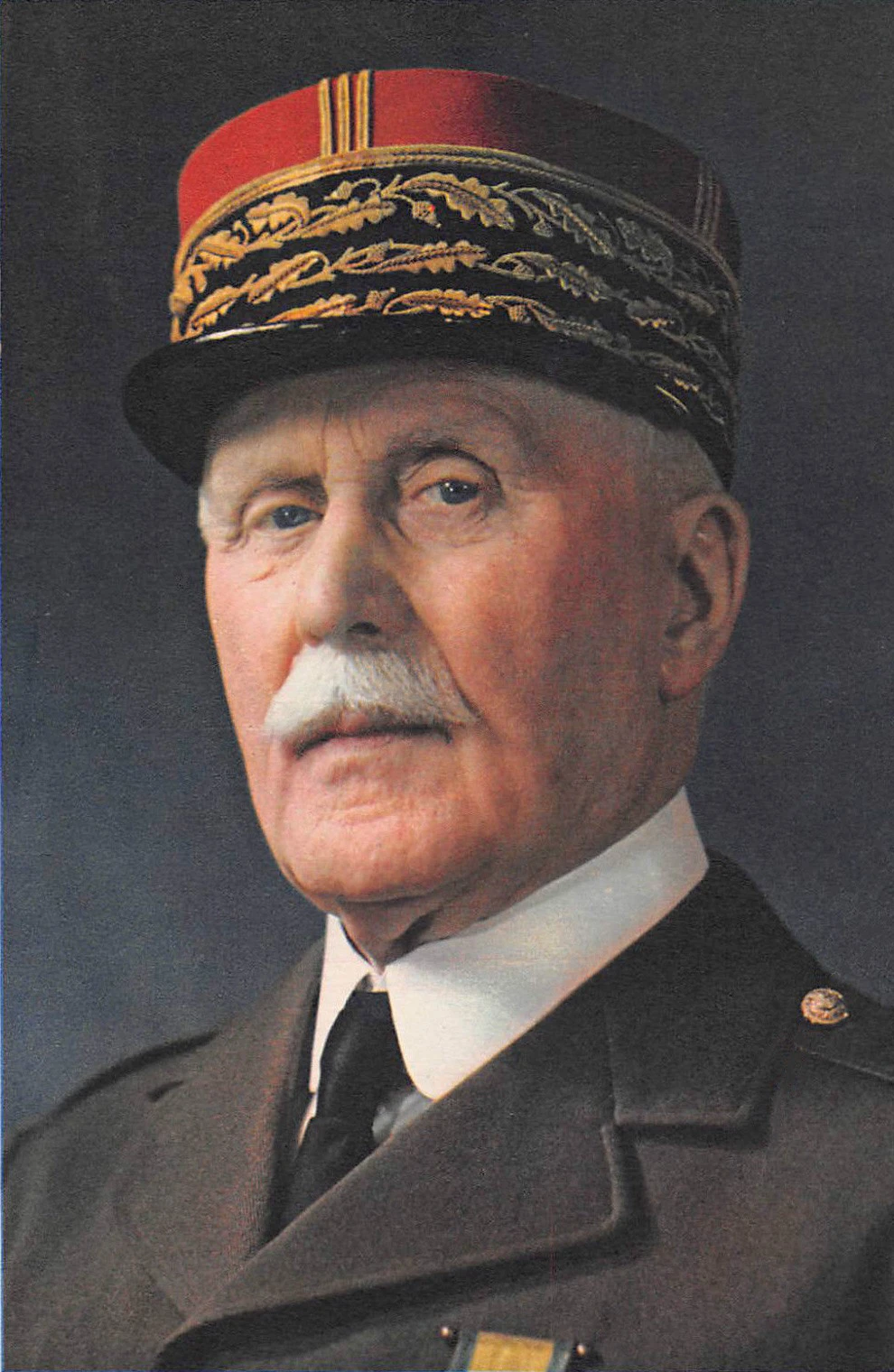
The hero of Verdun recalled from Madrid
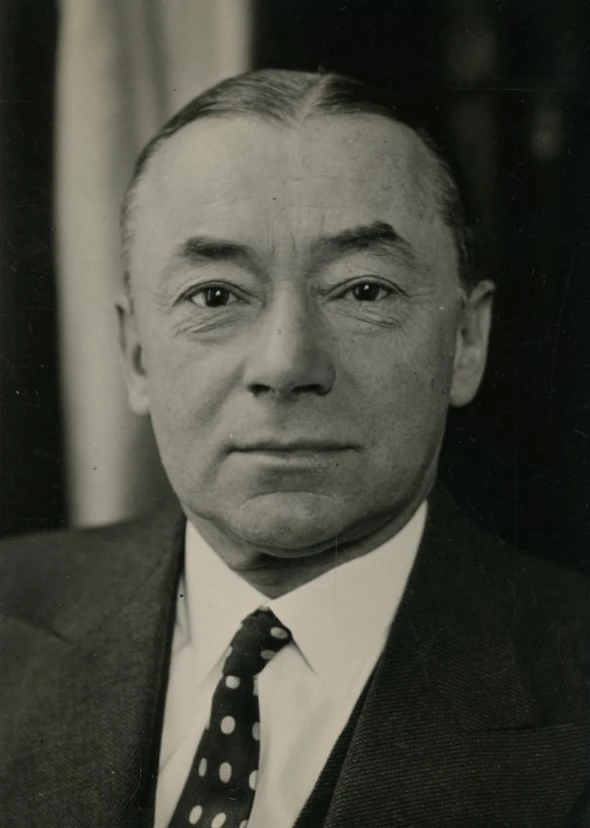
Reynaud — Matignon 21 March
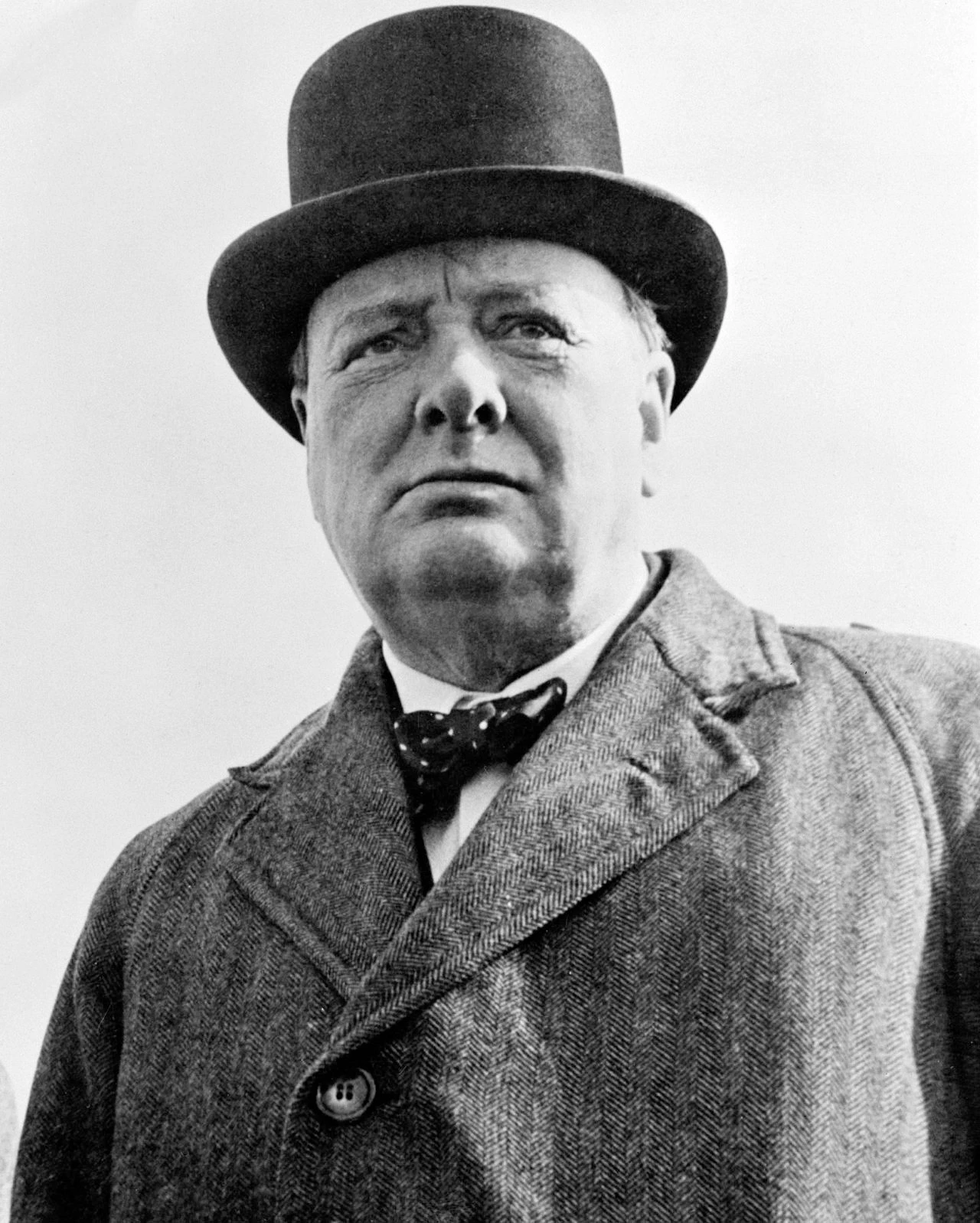
Churchill in power
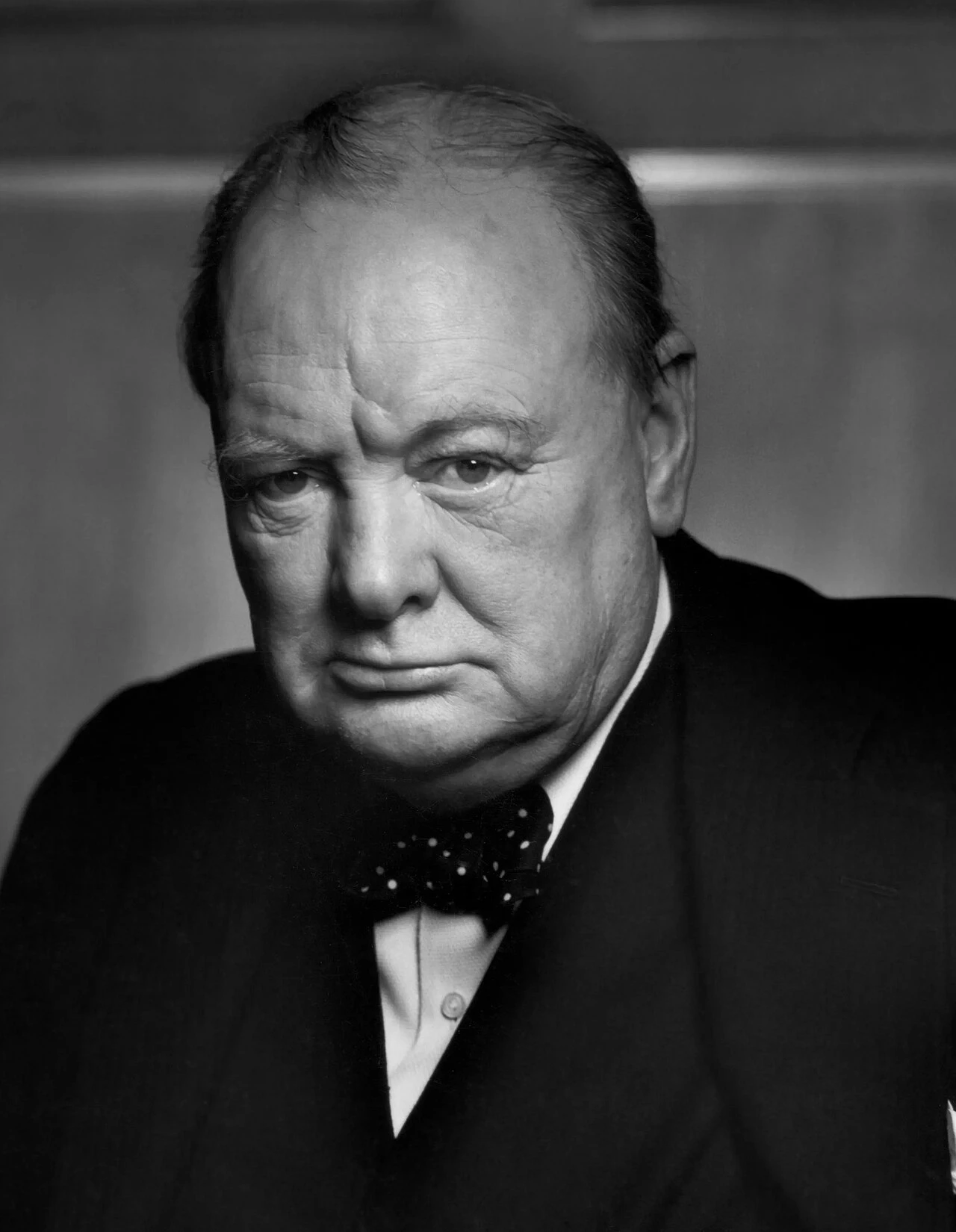
Churchill before the 25 ministers — 28 May 18:00
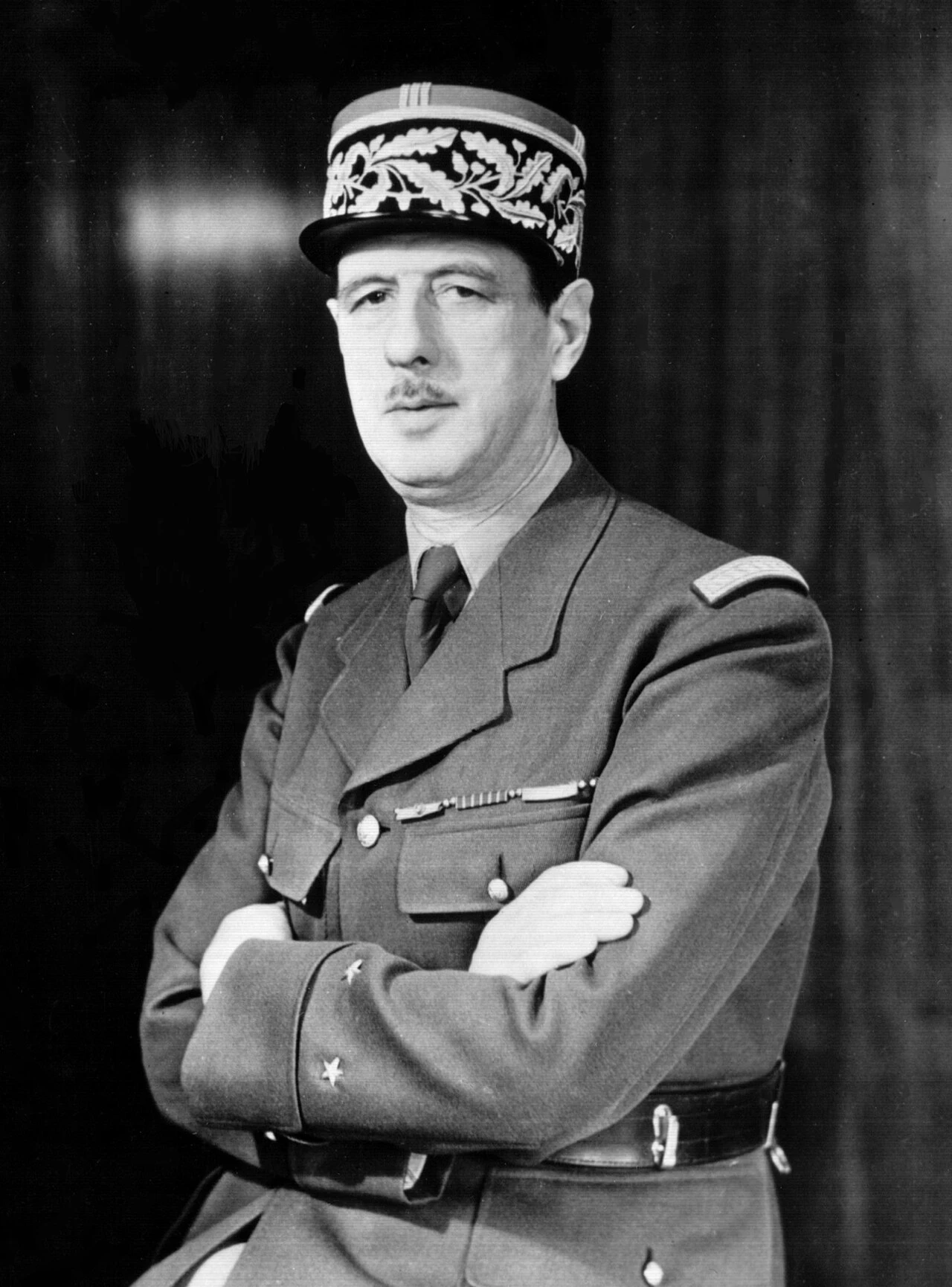
De Gaulle joins the government — 5 June
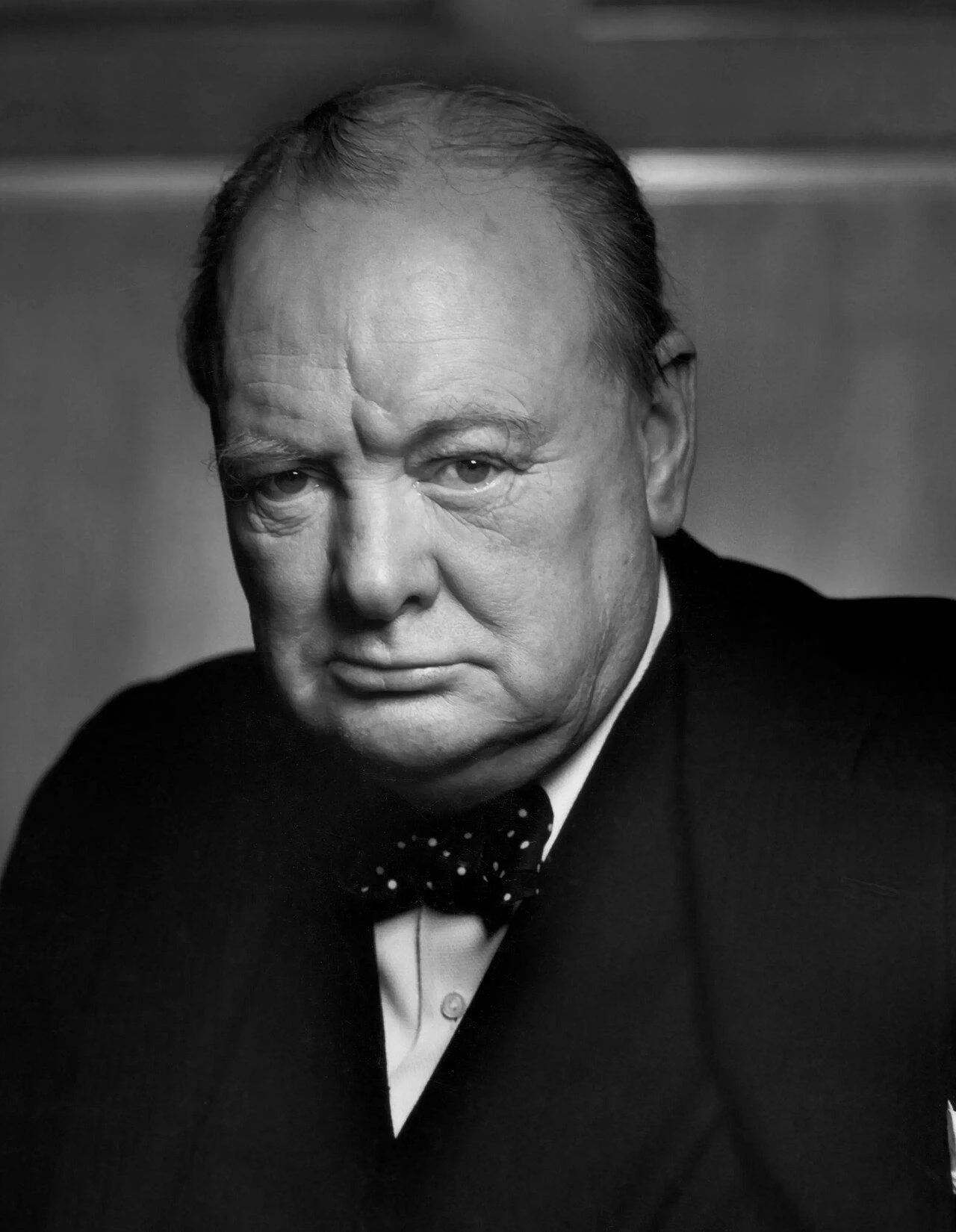
Halifax at the War Cabinet — 25 May 18:00
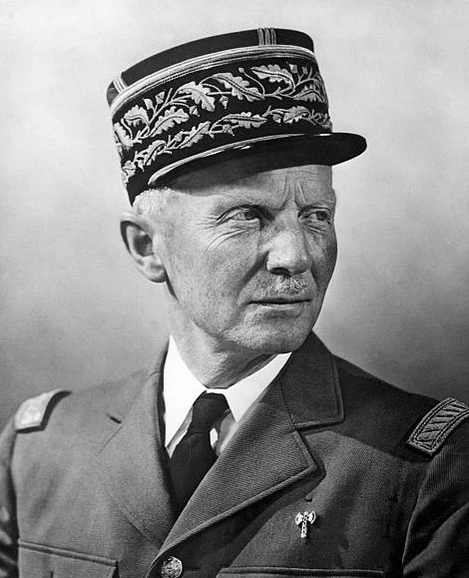
Huntziger in Foch's Carriage — 22 June
Mérignac — de Gaulle and Spears's aircraft
Reynaud in London — 26 May
Daladier asked to leave the War Ministry
The hero of Verdun recalled from Madrid
Reynaud — Matignon 21 March
Churchill in power
Churchill before the 25 ministers — 28 May 18:00
De Gaulle joins the government — 5 June
Halifax at the War Cabinet — 25 May 18:00
Huntziger in Foch's Carriage — 22 June
Mérignac — de Gaulle and Spears's aircraft