
The capitulation decided by on 28 May 1940, without his ministers' agreement, opened an immediate crisis between the king and his government, led by and taking refuge abroad. The king had chosen to remain a prisoner in the country; the government, for its part, wanted to continue the war alongside the Allies.
The government in exile faced a founding choice. To publicly repudiate the king, to denounce his capitulation as a fault and to assert that it alone now embodied Belgian legitimacy in the war. To rally to the king and his decision, in the name of national unity. Or to temporise while avoiding an open break, in the hope of a later clarification.
What was at stake was the very legitimacy of the Belgian state: who spoke in the name of Belgium, the captive king or the free government? The answer would determine Belgium's place in the Allied camp and open a lasting national rift — the "Royal Question" — that would far outlast the war.
Should the Pierlot government repudiate the king, rally to him, or temporise?
The Pierlot government chose A: as early as 28 May 1940, from France, it publicly repudiated the king's capitulation and affirmed its determination to continue the war; Pierlot and his ministers then made their way to London, where they embodied a free Belgium alongside the Allies. This break between the captive king and the legitimate government opened the "Royal Question", which would poison Belgian political life for more than a decade, until a referendum (1950) and the abdication of in favour of his son (1951). The choice of 1940, by clearly distinguishing fighting Belgium from the captive sovereign, preserved the international legitimacy of the state but durably divided the country.
Learn more about this event
Related polls
10
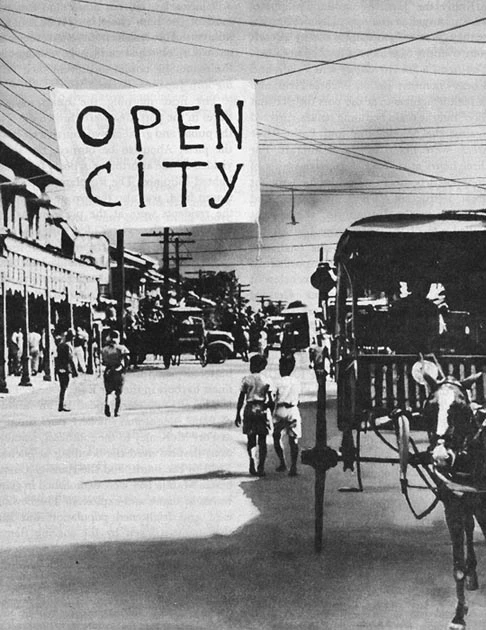
Brussels, open city
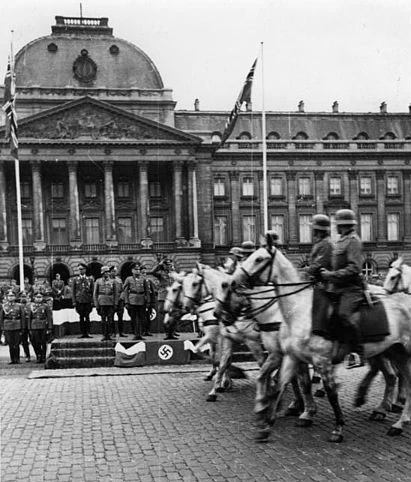
The Galopin Doctrine — whether to produce under the occupier
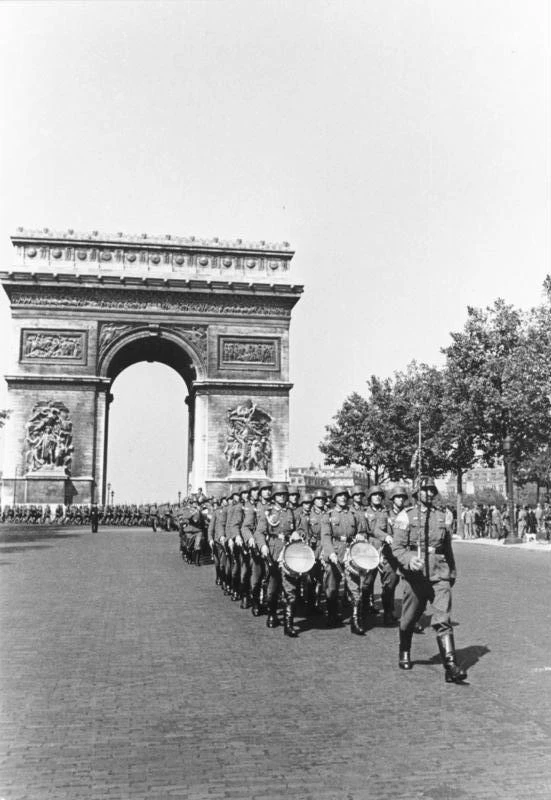
The Press under German Control
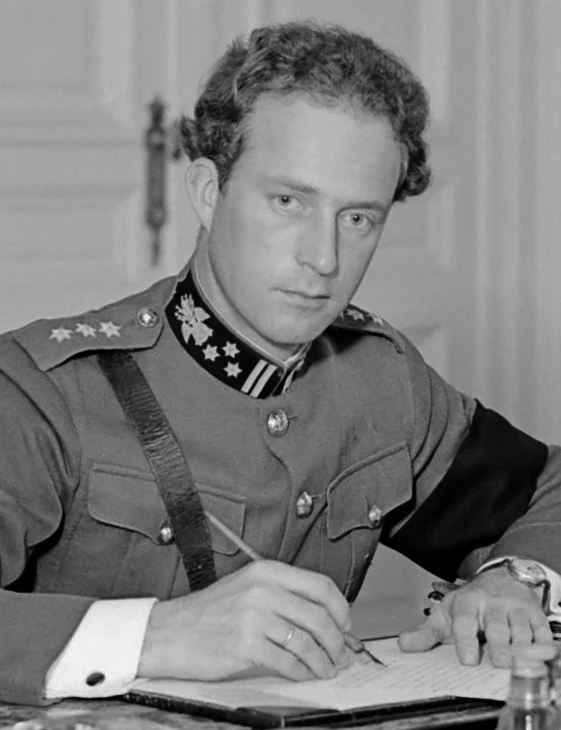
The Capitulation of 28 May
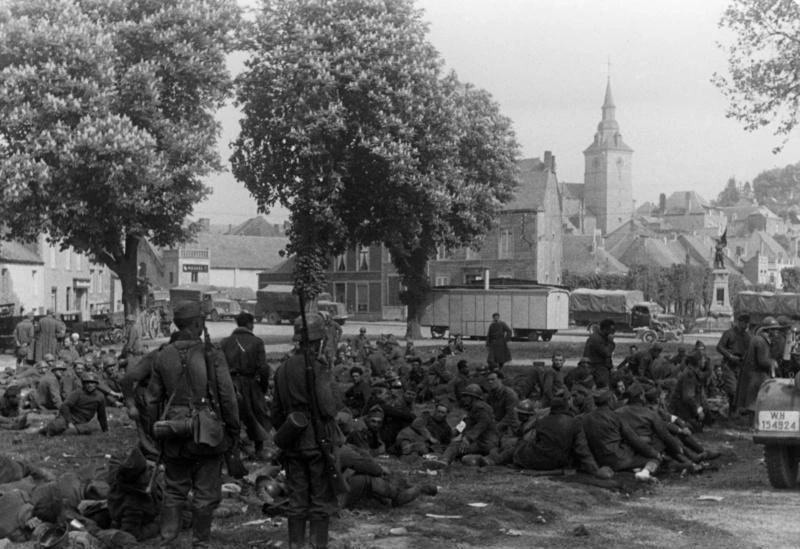
The Flamenpolitik of the Prisoners of War
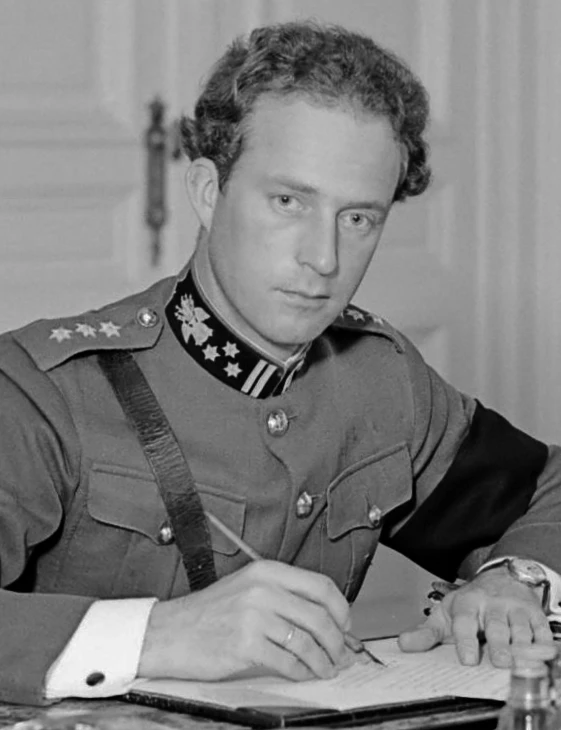
Leopold III takes command
Léopold III — Wijnendaele 28 May
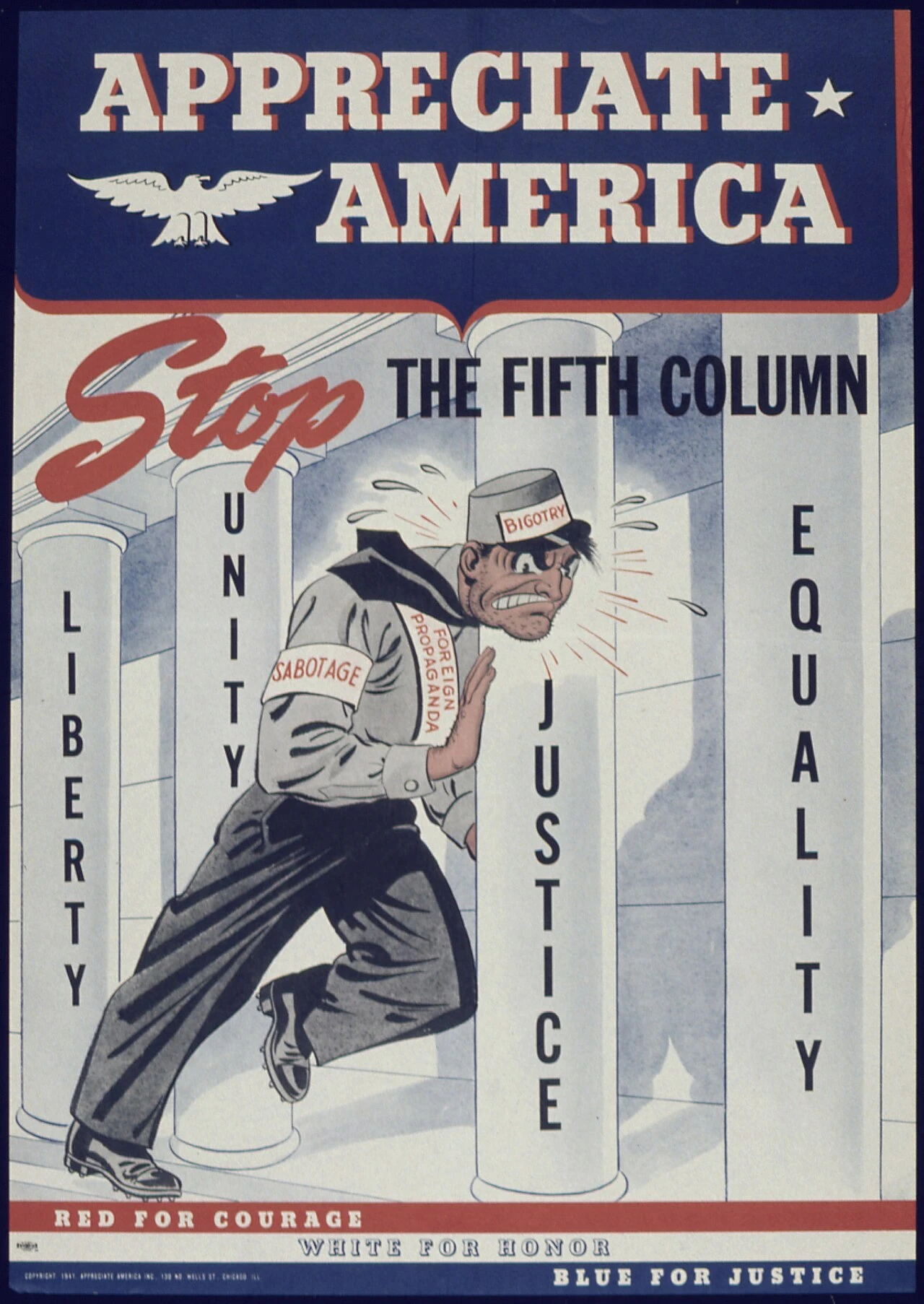
The fifth-column psychosis
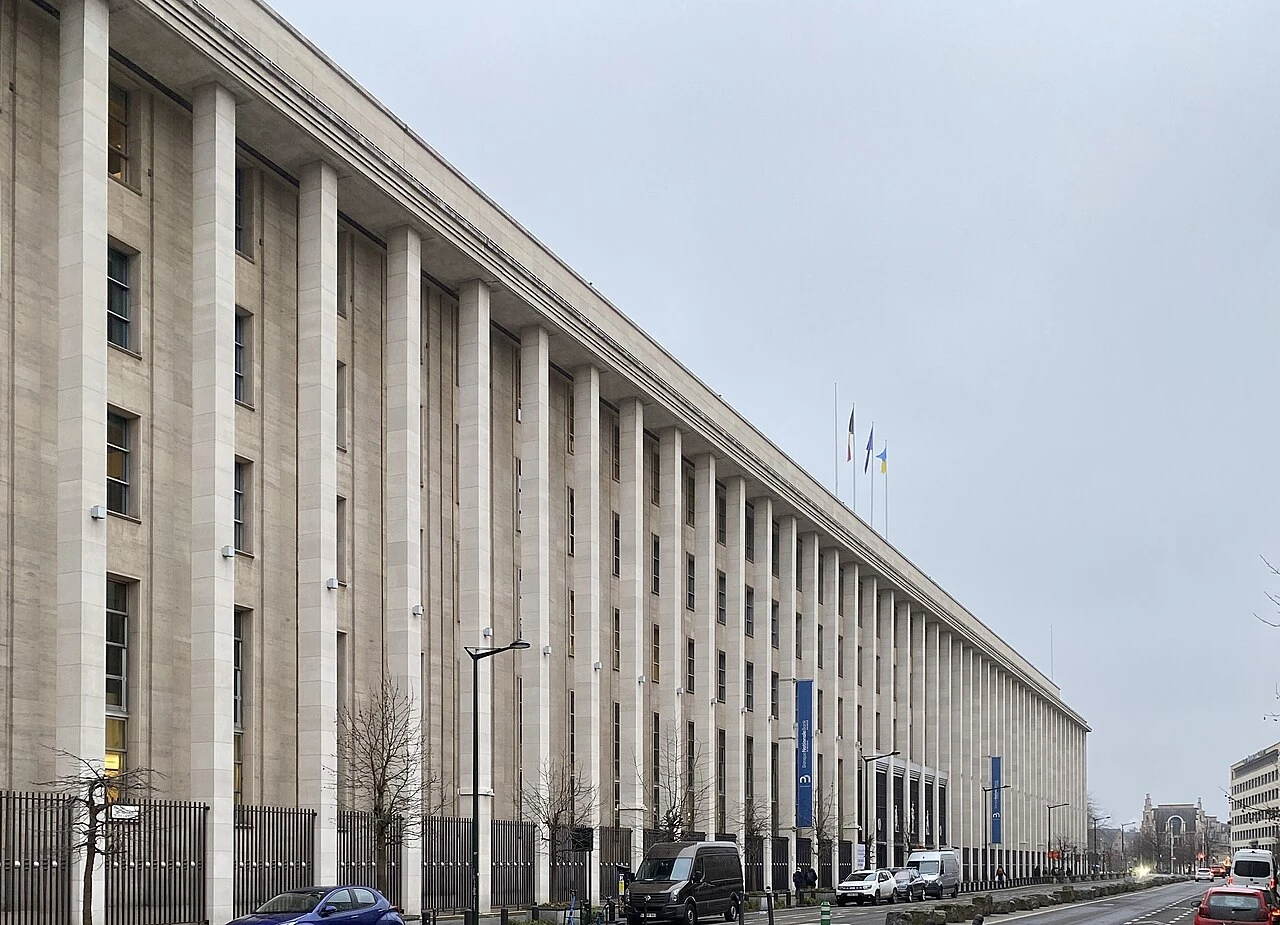
Forty tonnes of gold trapped at Ostend
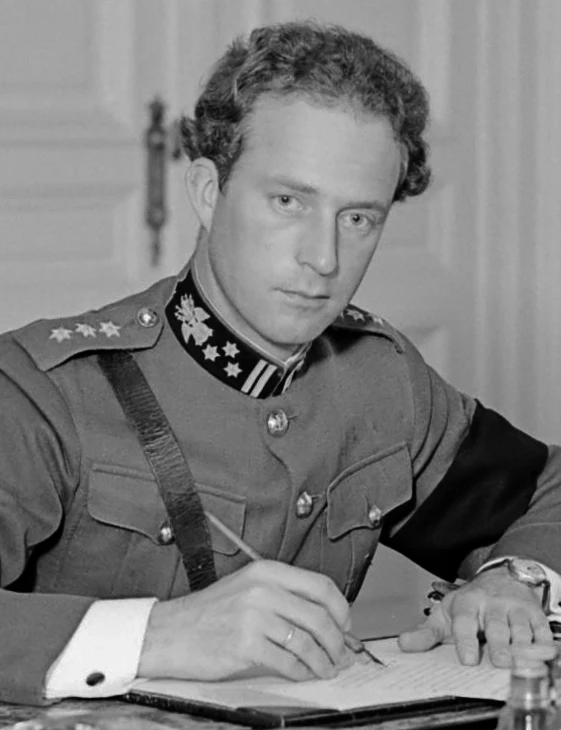
The Captive King — London or Laeken
Brussels, open city
The Galopin Doctrine — whether to produce under the occupier
The Press under German Control
The Capitulation of 28 May
The Flamenpolitik of the Prisoners of War
Leopold III takes command
Léopold III — Wijnendaele 28 May
The fifth-column psychosis
Forty tonnes of gold trapped at Ostend