
A Czech under the Protectorate
On 16 March 1939, Hitler proclaimed from Prague Castle the Protectorate of Bohemia-Moravia. Overnight, millions of Czechs wake under German occupation: swastika flags, troops in the streets, an administration brought to heel, the Gestapo moving in. The country did not fight — the collapse was diplomatic, not military.
For the inhabitants, the question is no longer political but existential and everyday. Repression targets first the opponents, the Jews and the prominent patriots; the bulk of the population, for its part, must decide on its attitude toward the occupier.
You are a Czech of Bohemia, an ordinary citizen. Keep your head down and make do with the occupation to preserve your family and work? Flee abroad to join the emigration and, perhaps, a Czechoslovak army in exile? Or join a nascent clandestine resistance, at the risk of prison or death? Each choice involves the safety of your loved ones and the meaning you give to defeat without a fight.
Should our Czech make do with the occupation, flee abroad, or enter the resistance?
The vast majority resigned themselves to A — survive, work, wait — while determined minorities chose B or C. Several thousand Czechs and Slovaks leave the country clandestinely via Poland to form, in France and then Britain, Czechoslovak units in exile under Beneš's authority. Within, resistance networks form (the ÚVOD), hit hard by the Gestapo. The Protectorate will know intense economic exploitation and growing repression, up to the mass reprisals after Heydrich's assassination in 1942. The great mass of the population will have passed through the occupation between enforced accommodation and quiet support for the resistance.
Learn more about this event
Related polls
10
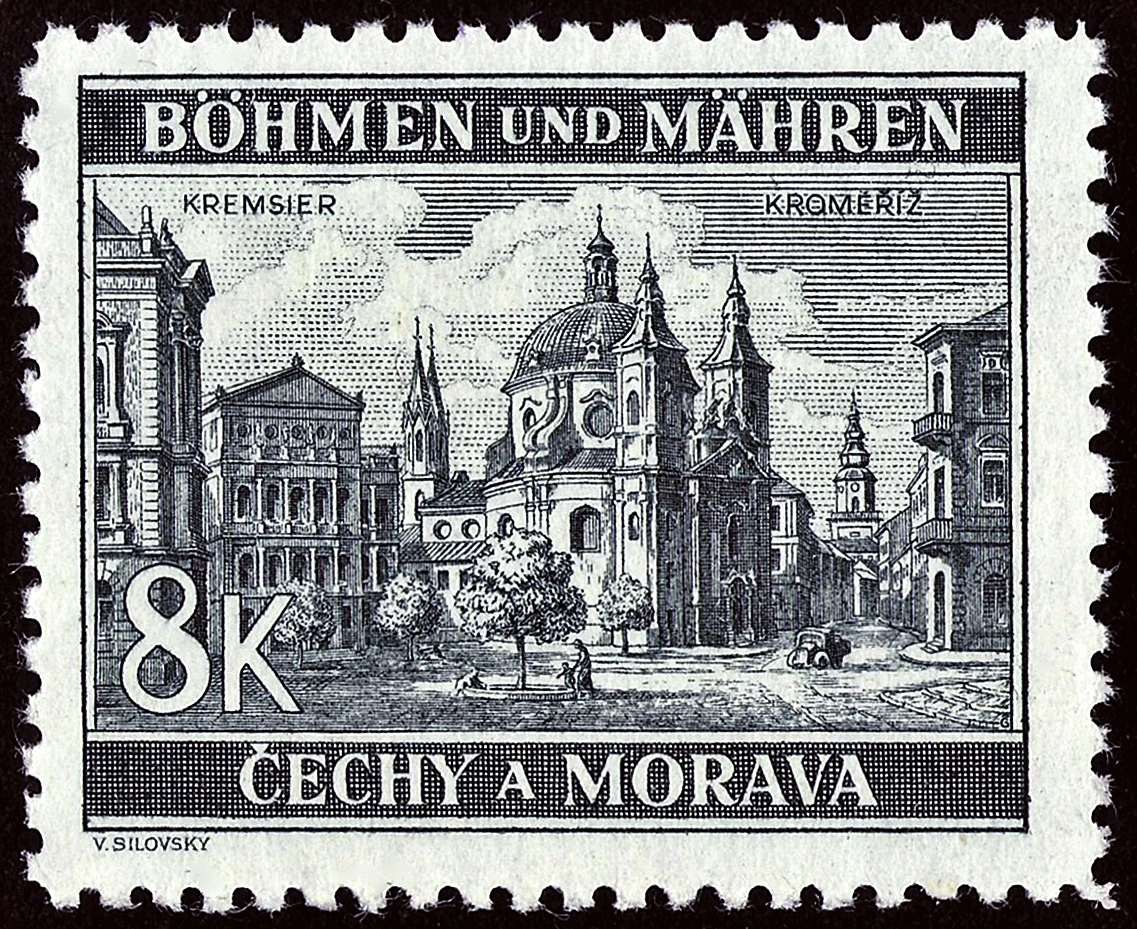
The Czech Schoolteacher and the Wehrmacht Officer
The Banned Czech University
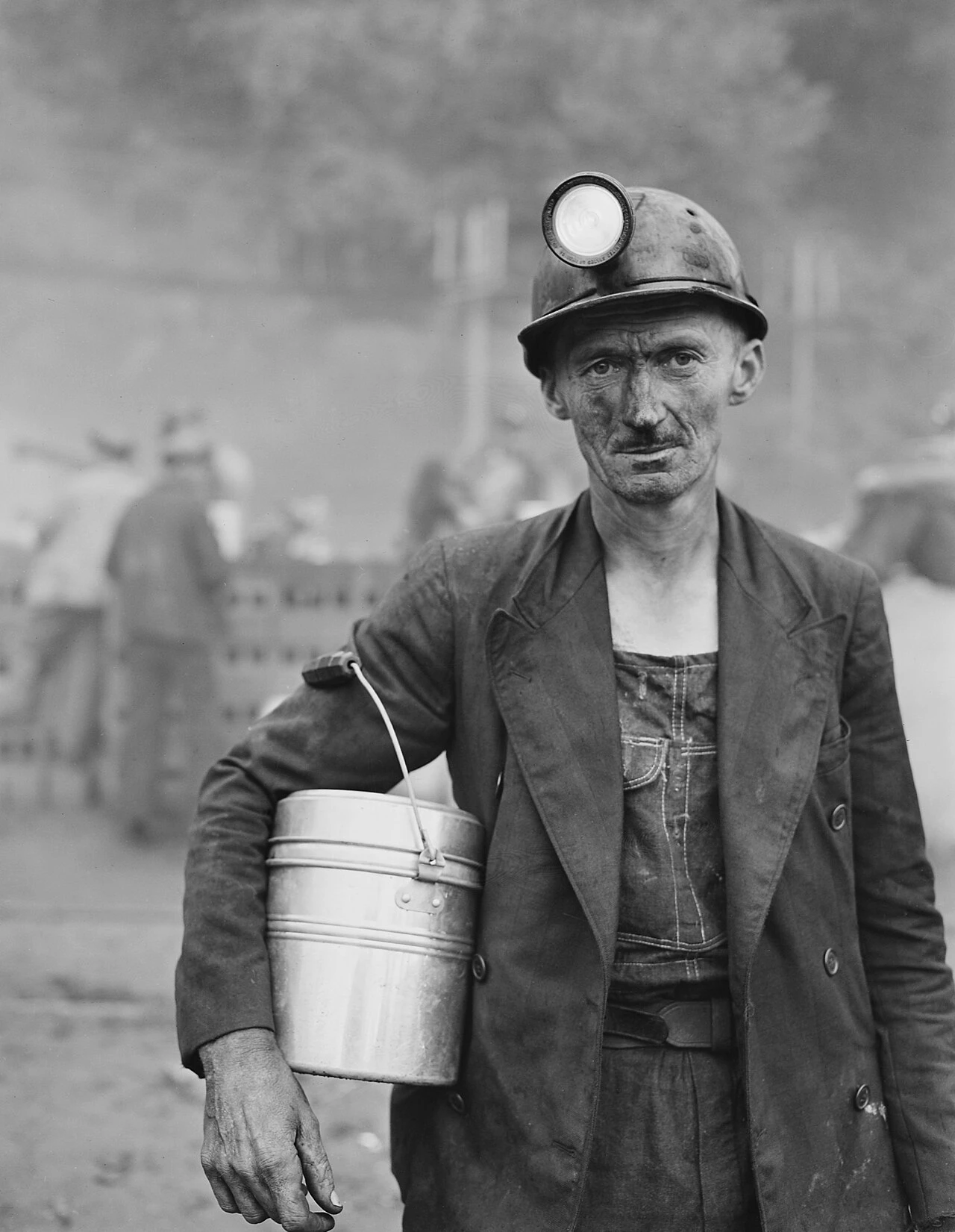
At the Dahomey pit, the morning of team-rate pay
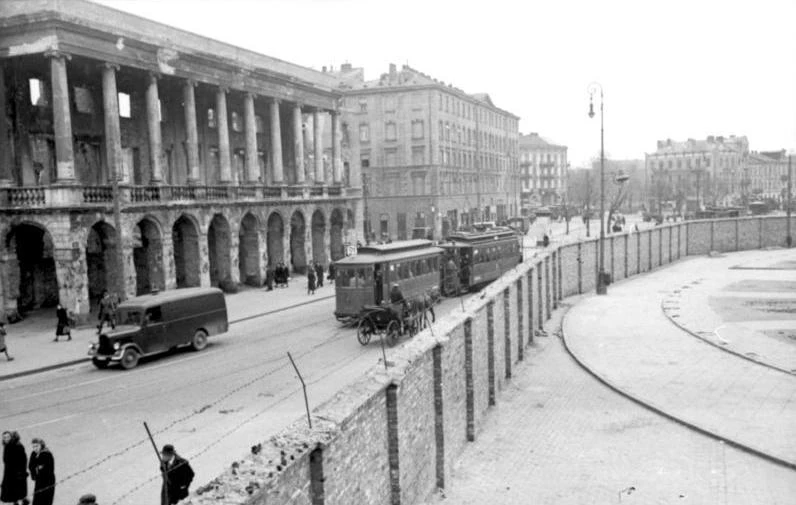
Studying in the Warsaw Ghetto
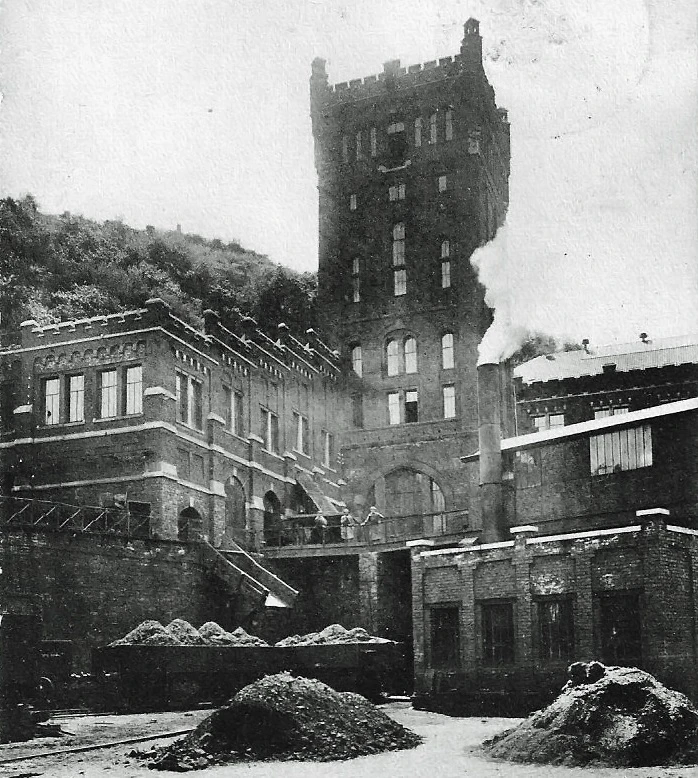
The strike of the '100,000' in Belgium
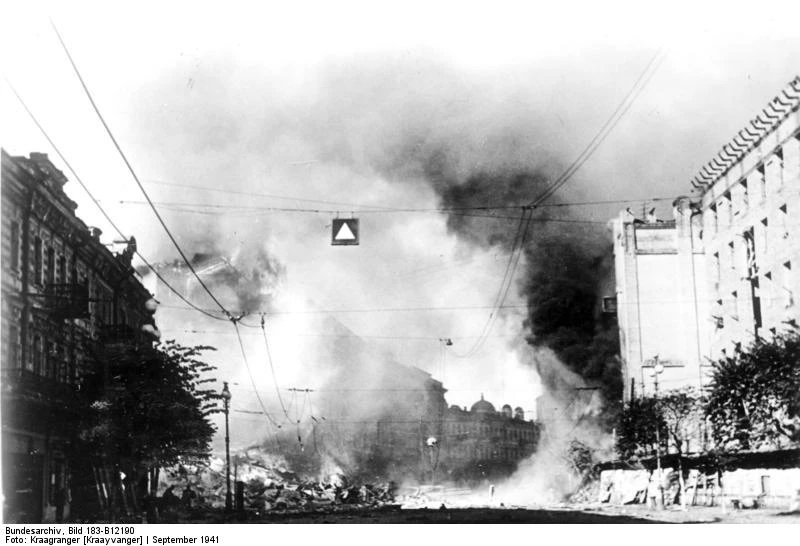
Kiev, September 1941: A Neighbor Facing Babi Yar
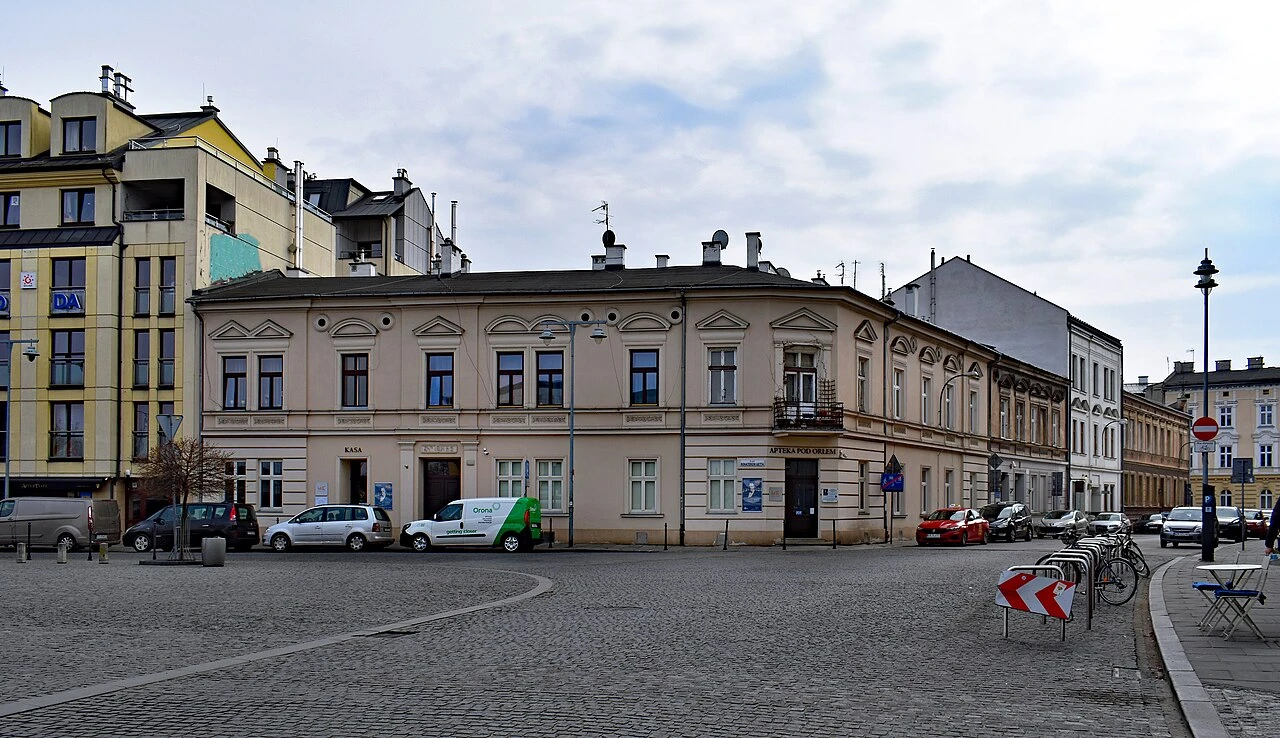
The apothecary of the Kraków Ghetto
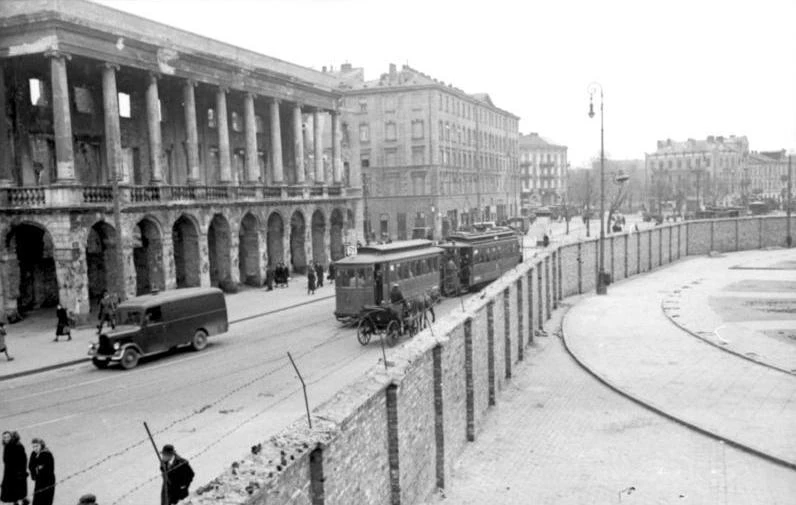
Clandestine teaching in the Warsaw Ghetto
The Belgrade medical student and the call of the Partisans
The Belgrade schoolteacher under the occupation
The Czech Schoolteacher and the Wehrmacht Officer
The Banned Czech University
At the Dahomey pit, the morning of team-rate pay
Studying in the Warsaw Ghetto
The strike of the '100,000' in Belgium
Kiev, September 1941: A Neighbor Facing Babi Yar
The apothecary of the Kraków Ghetto
Clandestine teaching in the Warsaw Ghetto
The Belgrade medical student and the call of the Partisans