
Commanding a battle without radio
General , 67, generalissimo of the Allied armies since 1935, directed the campaign from the donjon of the Chateau de Vincennes. A cultivated officer, a former collaborator of Joffre in 1914, he had conceived the Dyle-Breda Plan: his best armies — French 1st and 7th, the British — would enter Belgium on 10 May to halt the Wehrmacht on a prepared line.
But his command post had a peculiarity his own officers ridiculed. The Vincennes donjon had no wireless set whatsoever. The basement housed teleprinters and a telephone switchboard, but no radio link with the front: every hour, motorcycle dispatch riders carried orders to a relay station. One officer compared the headquarters to "a submarine without a periscope." The orders took hours to descend the three echelons to the armies, and as long to come back up.
On 13 May, Guderian's armour crossed the Meuse at Sedan, far from the anticipated clash in Belgium. The information reached Vincennes with considerable delay. Gamelin had to decide how to steer a battle running away faster than his communications.
Can Gamelin really command the battle from this post at Vincennes?
Gamelin chose A. He stayed at Vincennes and kept his communications setup unchanged throughout the decisive phase. Orders continued to travel by dispatch rider and switchboard, with delays counted in hours while the Panzers advanced 40 miles a day. The disconnection of the command from the German tempo became one of the structural causes cited for the French collapse. On 19 May, Reynaud relieved him in favour of Weygand, recalled from the Levant. Arrested by Vichy in September 1940, Gamelin was put on trial at Riom in 1942, where he refused to plead, then deported to Buchenwald. Released in 1945, he published his memoirs, Servir (1946-1947), to defend his choices. He died in 1958. The historiography, from to Alistair Horne, has retained Vincennes as the symbol of a high command disconnected from its own battle.
Learn more about this event
Related polls
10
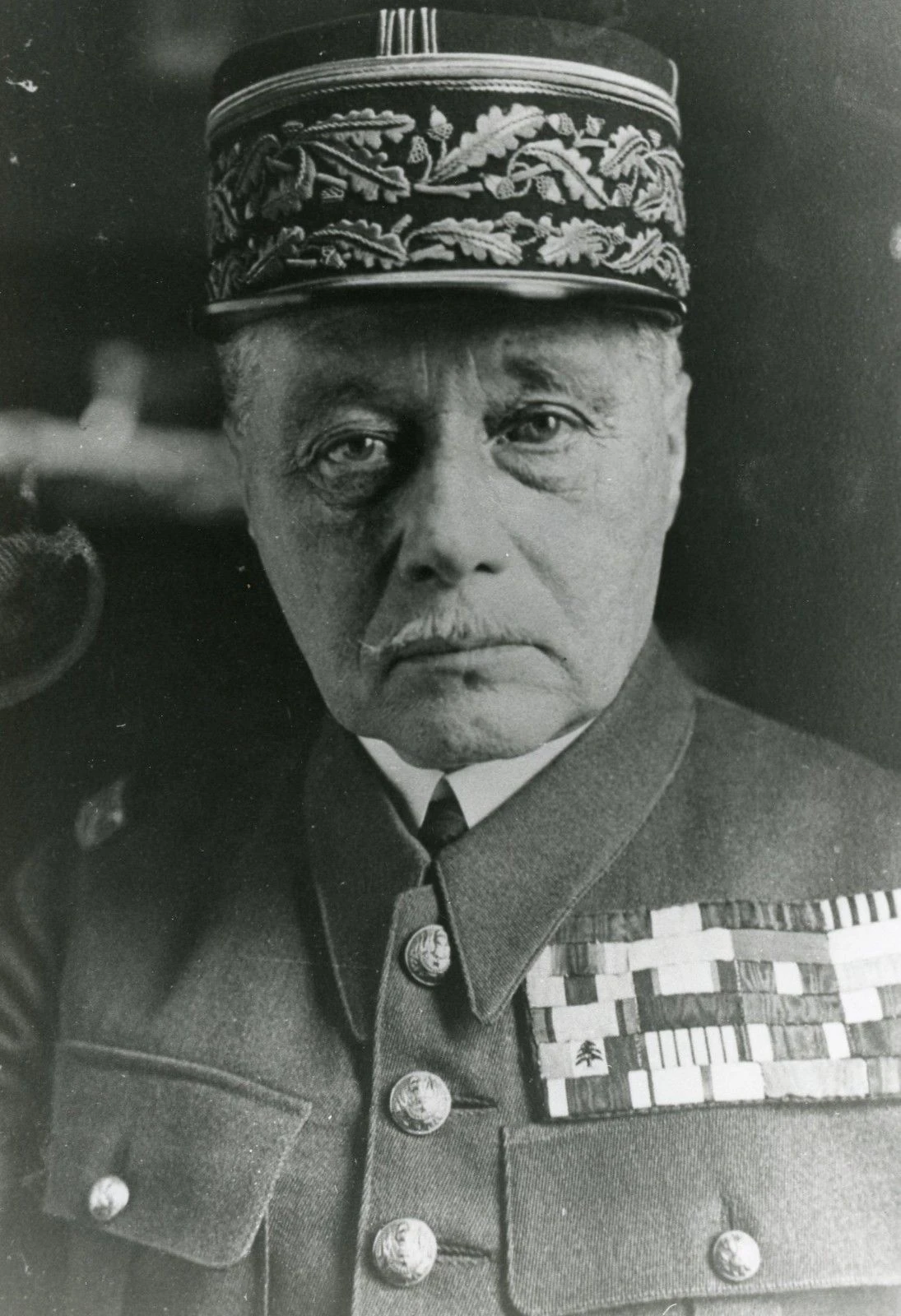
Gamelin, one last order before the envelope
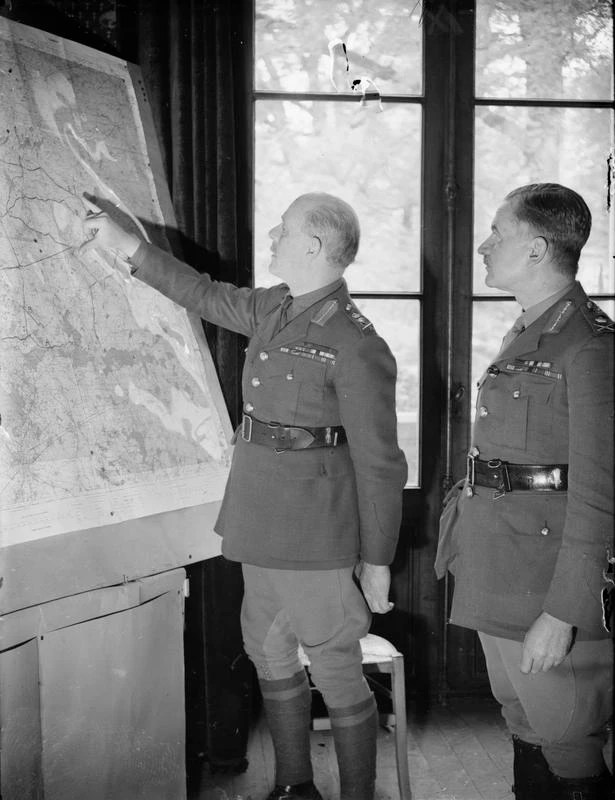
Gort at Habarcq — trust in the French plan
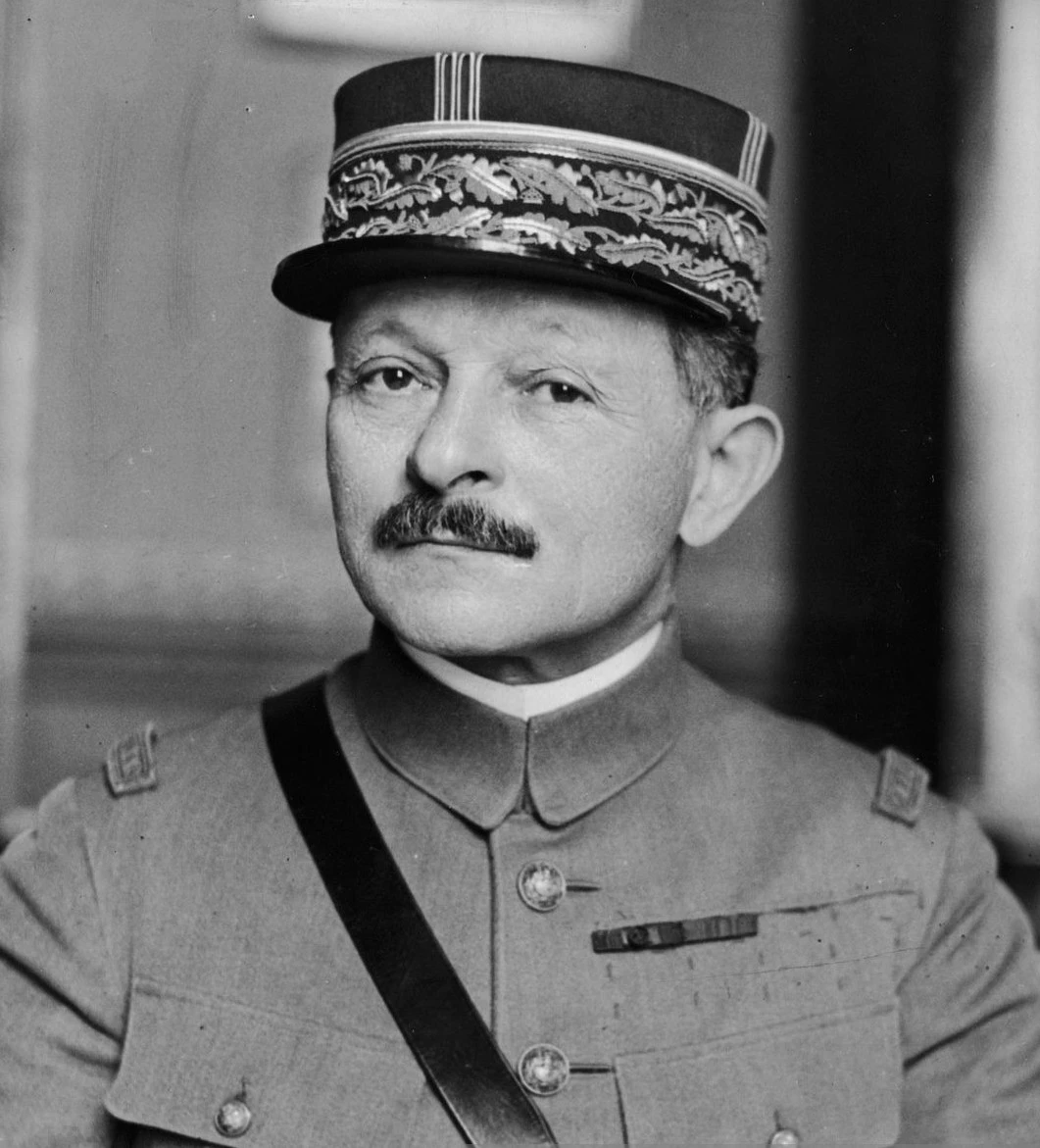
Weygand — Vincennes 20 May 02:00
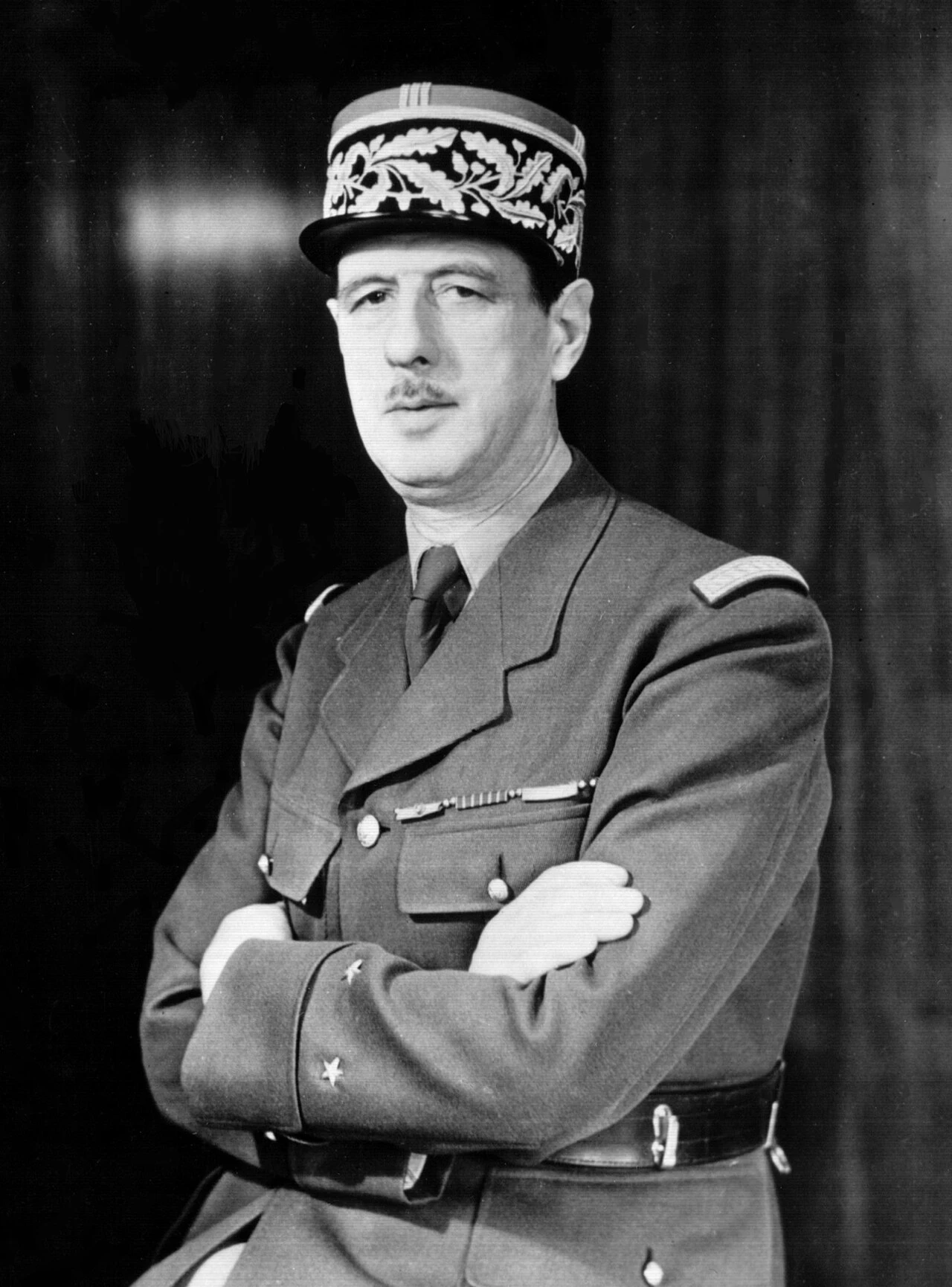
De Gaulle joins the government — 5 June
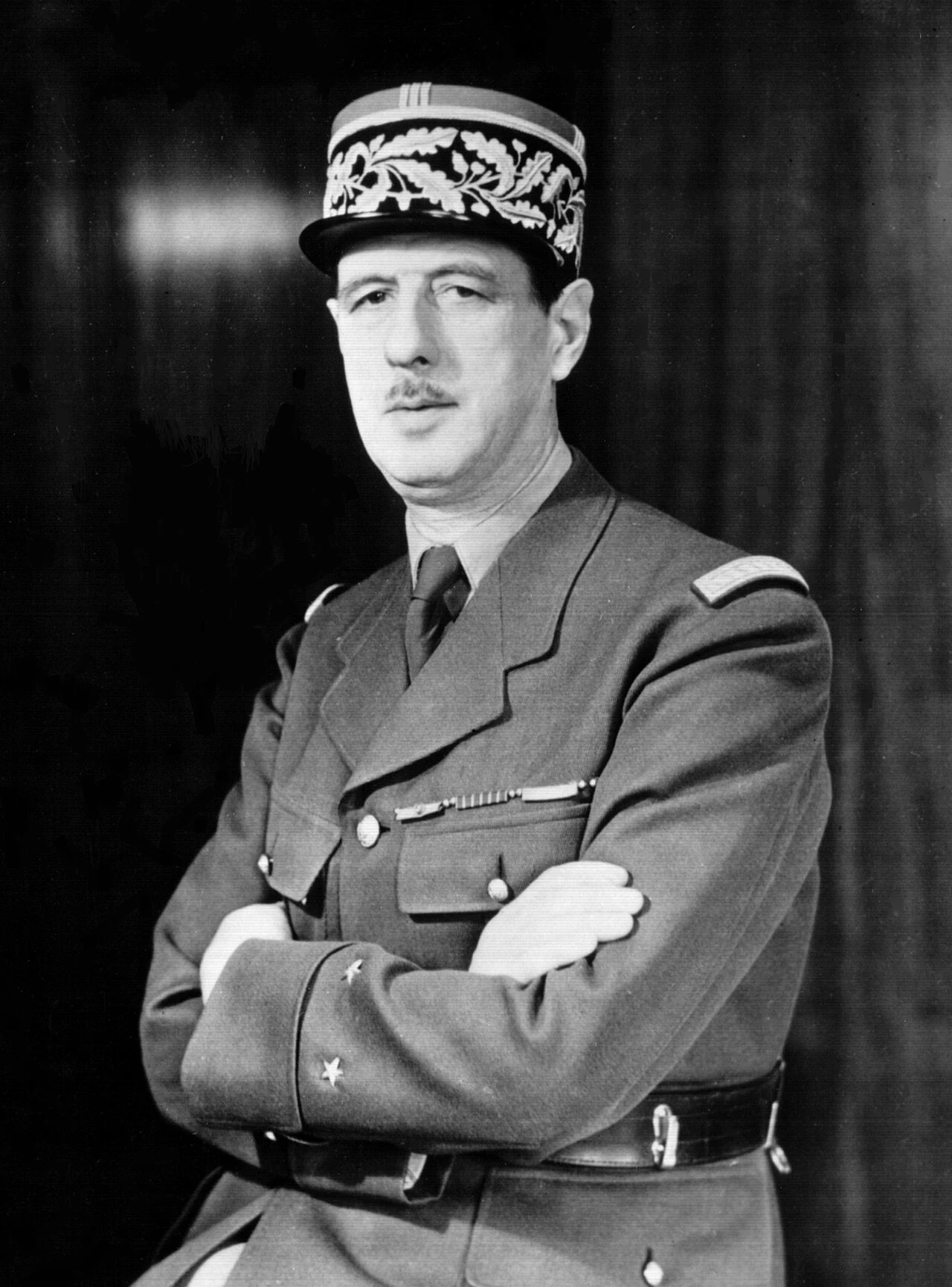
The Franco-British union — 16 June
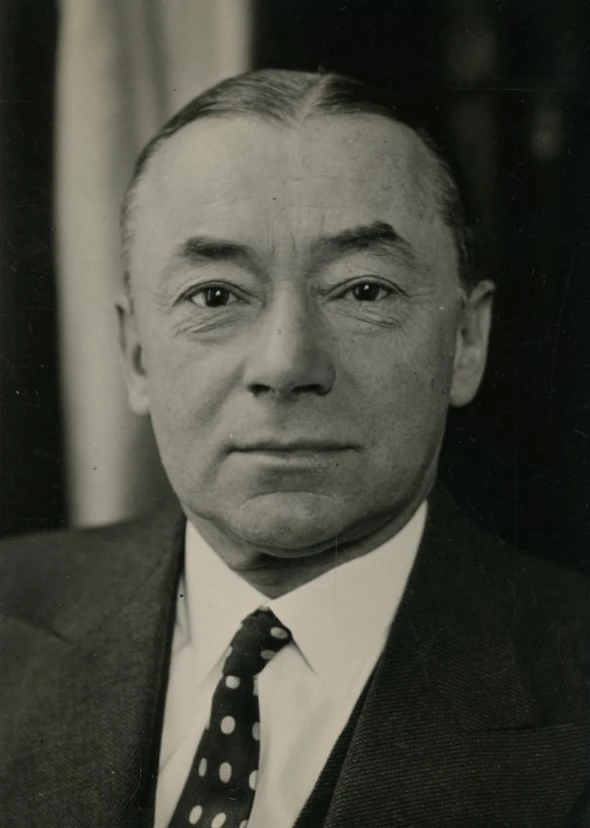
Reynaud — Matignon 21 March
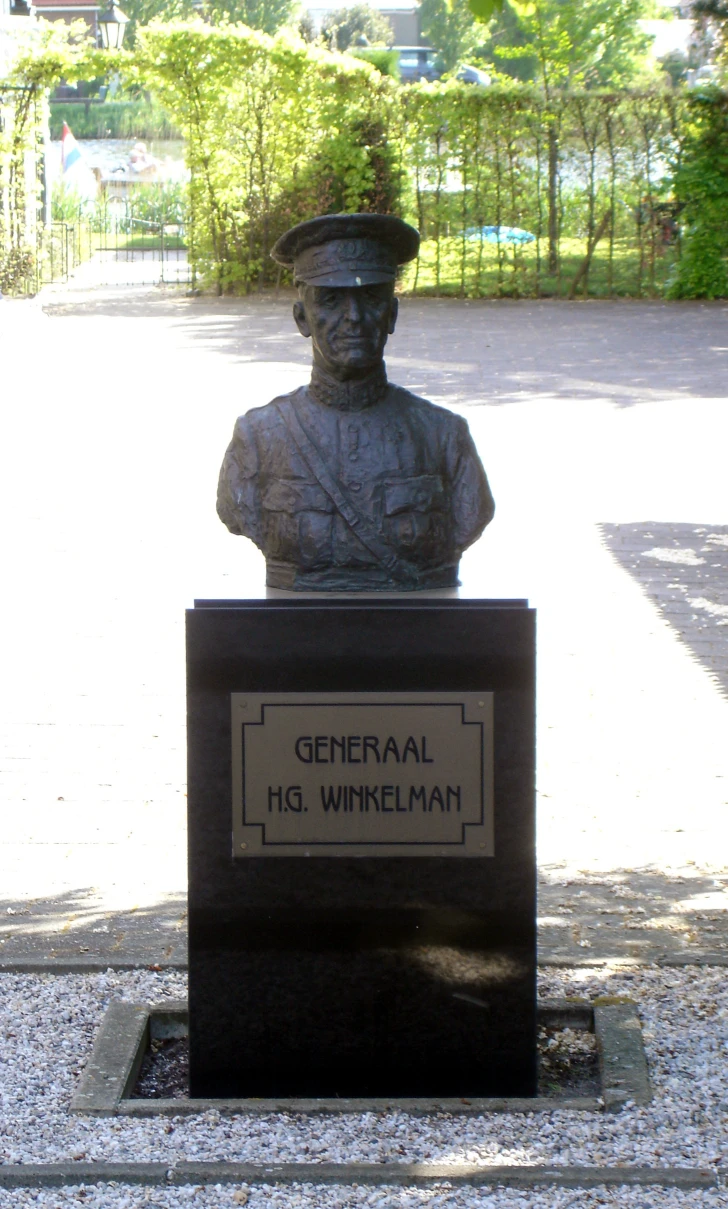
Winkelman after Rotterdam — 14 May
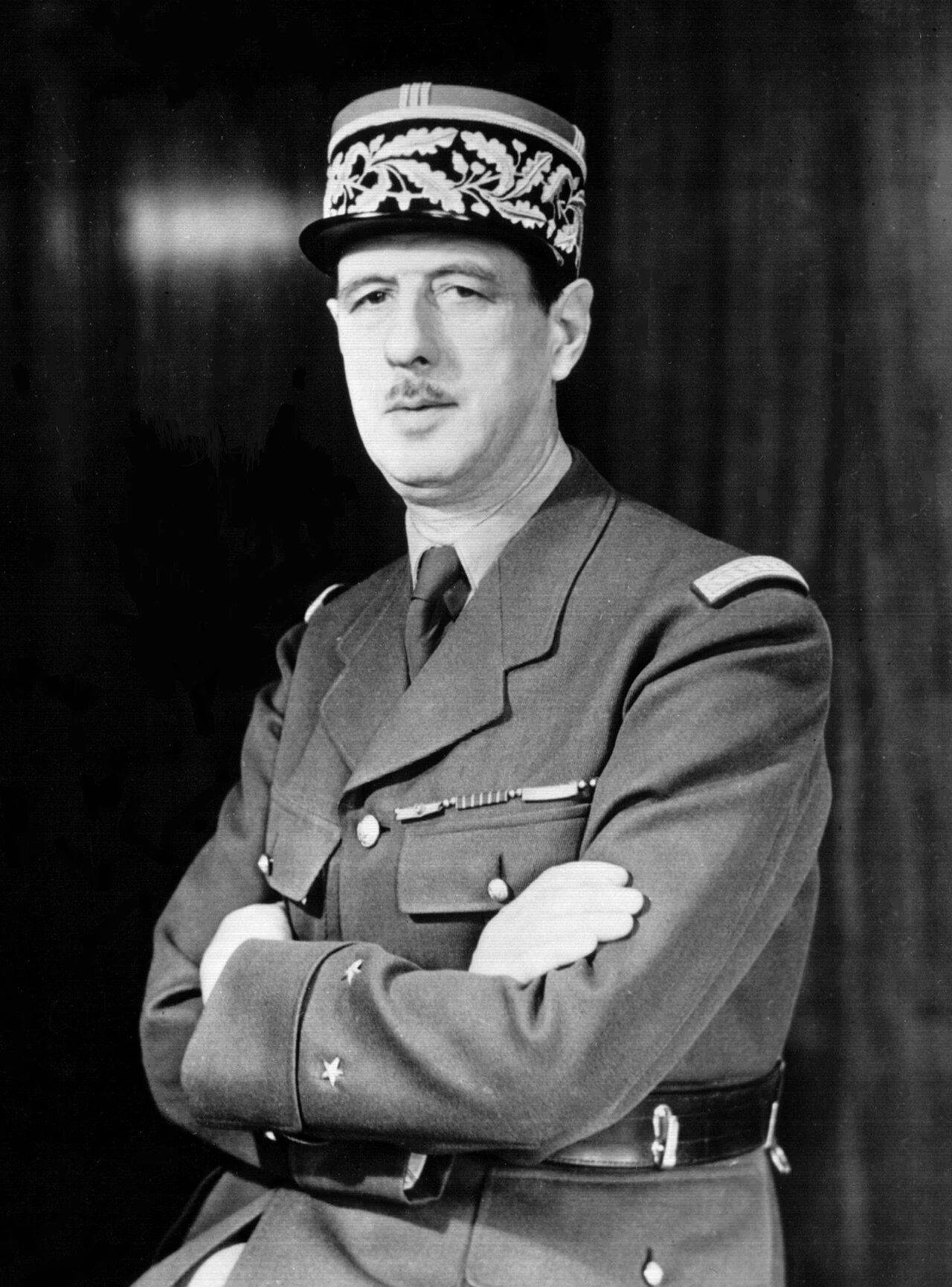
De Gaulle calls on Churchill — 9 June
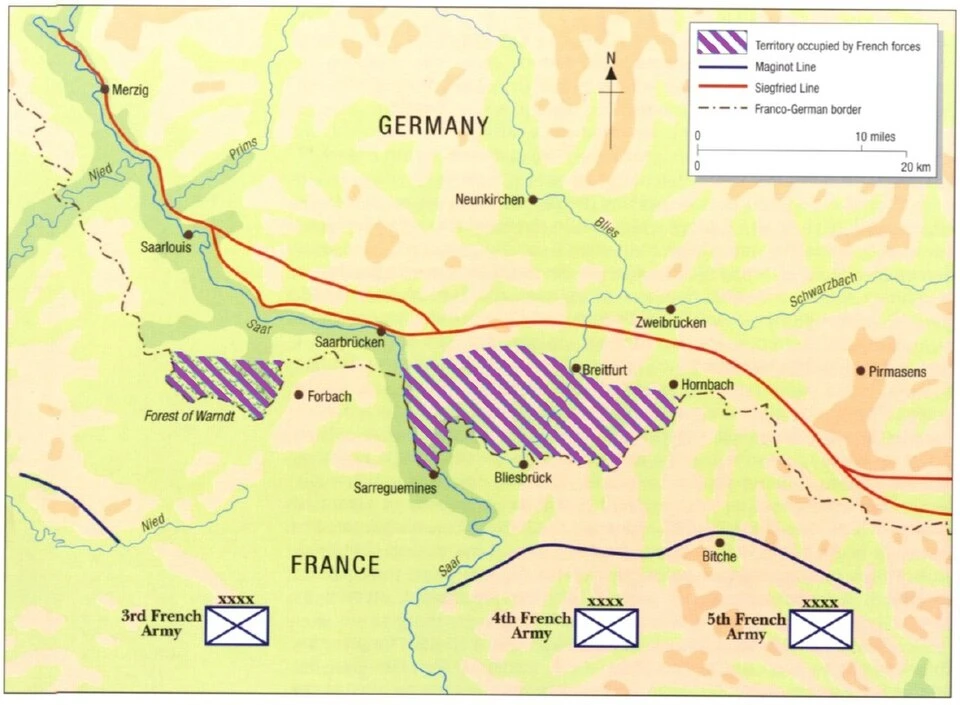
The Saar Offensive — Gamelin at Vincennes
Sosabowski — Coëtquidan, November 1939
Gamelin, one last order before the envelope
Gort at Habarcq — trust in the French plan
Weygand — Vincennes 20 May 02:00
De Gaulle joins the government — 5 June
The Franco-British union — 16 June
Reynaud — Matignon 21 March
Winkelman after Rotterdam — 14 May
De Gaulle calls on Churchill — 9 June
The Saar Offensive — Gamelin at Vincennes