
Mussolini, the Duce and the "Fait Accompli" — Rome, 15 October 1940
rules Fascist Italy from the Palazzo Venezia. Humiliated at playing second fiddle to a Germany that strings conquest upon conquest, the Duce dreams of a "parallel war" that would prove Italian power owing nothing to Berlin.
A grievance gnaws at him: Hitler systematically presents him with the fait accompli, most recently by sending troops into Romania without warning him. "Hitler always presents me with a fait accompli", he confides to Ciano; "this time I am going to pay him back in his own coin."
On 15 October 1940, Mussolini gathers a small circle at the Palazzo Venezia — his son-in-law and minister Ciano, Marshal Badoglio, General Visconti Prasca commanding in Albania, Jacomoni and Roatta. The heads of the Navy and the air force are not even invited. Visconti Prasca promises to "finish off" the 30,000 Greeks of Epirus and to take Préveza "in ten to fifteen days", assuring a plan that is perfect "as far as humanly possible". Only Badoglio objects that occupying the whole country would require at least twenty divisions.
The historian would call this meeting one of the "most superficial and dilettante high-stakes strategy discussions ever recorded".
Faced with a plan vaunted as perfect, what does Mussolini decide about Greece?
Mussolini chose A. The meeting ended on a plan summed up by the Duce: "offensive in Epirus; observation and pressure on Salonika; then, in a second phase, march on Athens." During the night, Ambassador Grazzi delivered an ultimatum to the Greek Prime Minister Metaxas, who rejected it — "Then it is war." On 28 October 1940, six Italian divisions crossed the frontier from Albania. The disaster was immediate: improvised logistics, mountains, rains, and a Greek riposte that soon threw the Italians back into Albania. On 8 November, Mussolini sacked Visconti Prasca. The venture, far from cementing the Duce's prestige, forced him to call Hitler to the rescue — precisely the humiliation he claimed to be fleeing.
Learn more about this event
Related polls
10
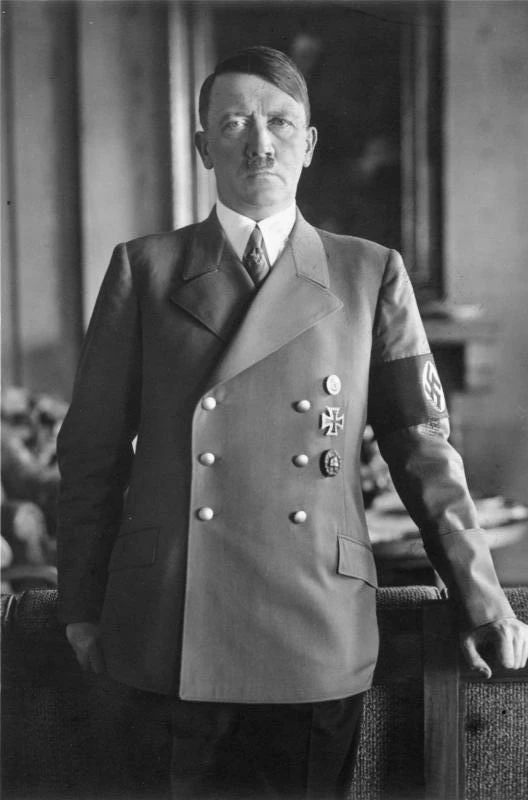
Saving an ally bogged down in the mountains
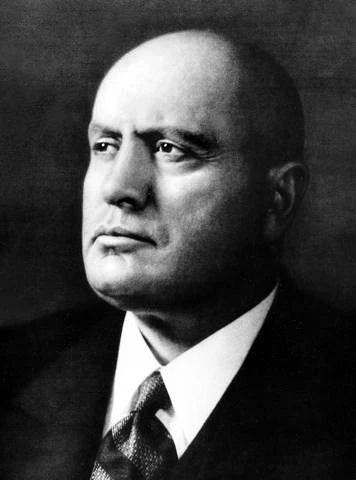
Mussolini and the entry into the war
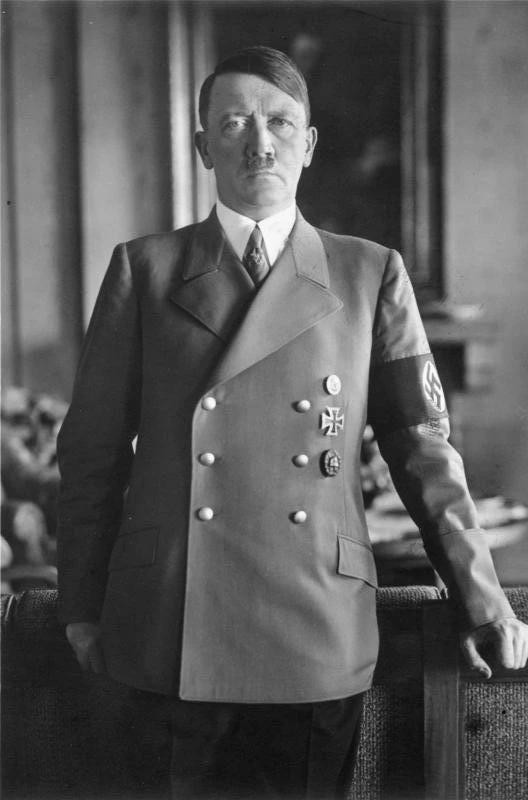
Gibraltar after the rebuff at Hendaye
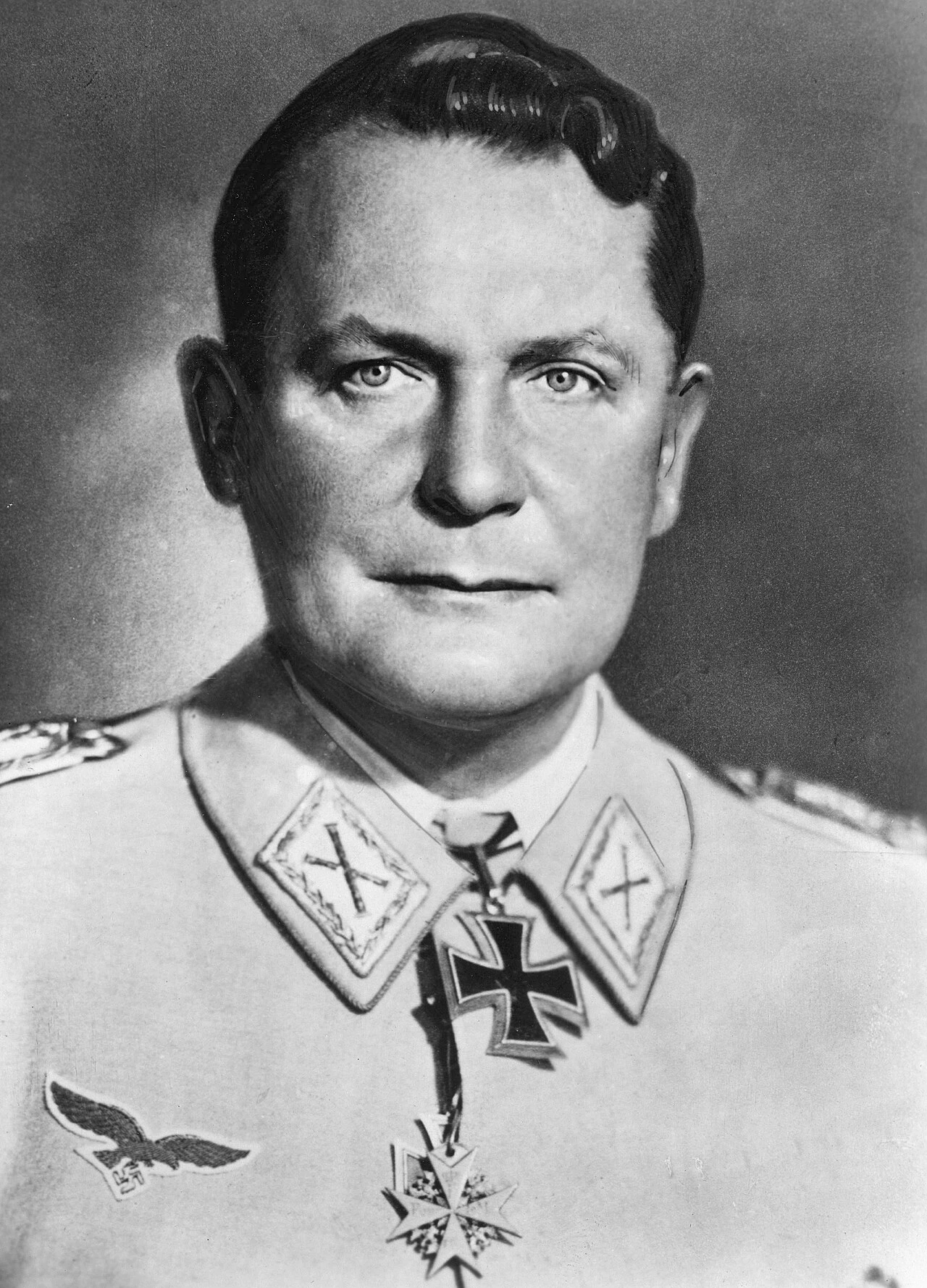
Göring at Cap Gris-Nez — September 7
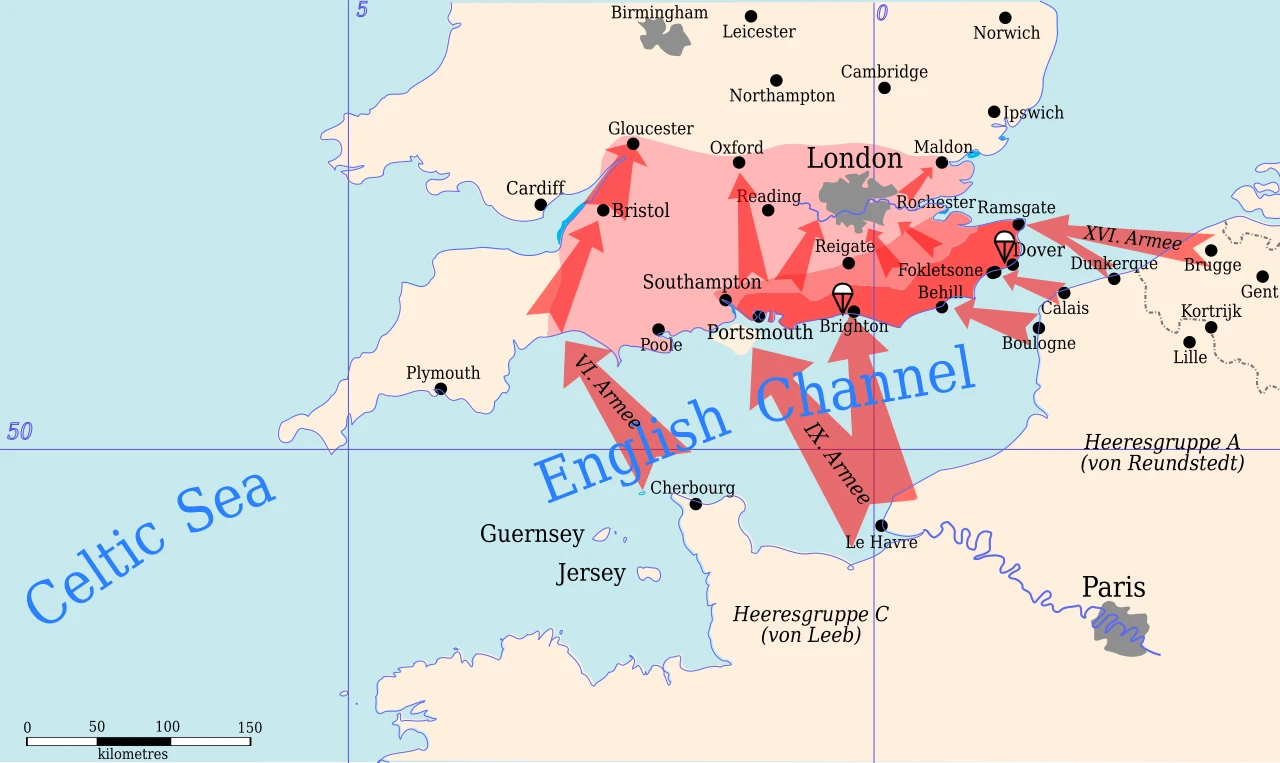
Hitler faces Sea Lion — September 17
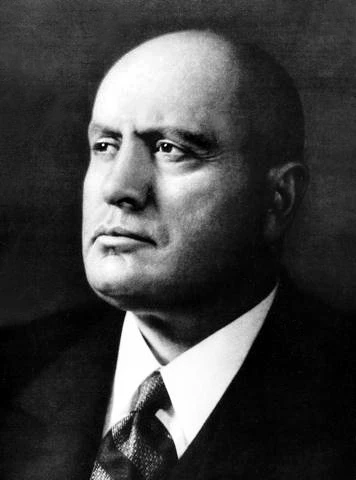
Mussolini on the Riviera — 21 June
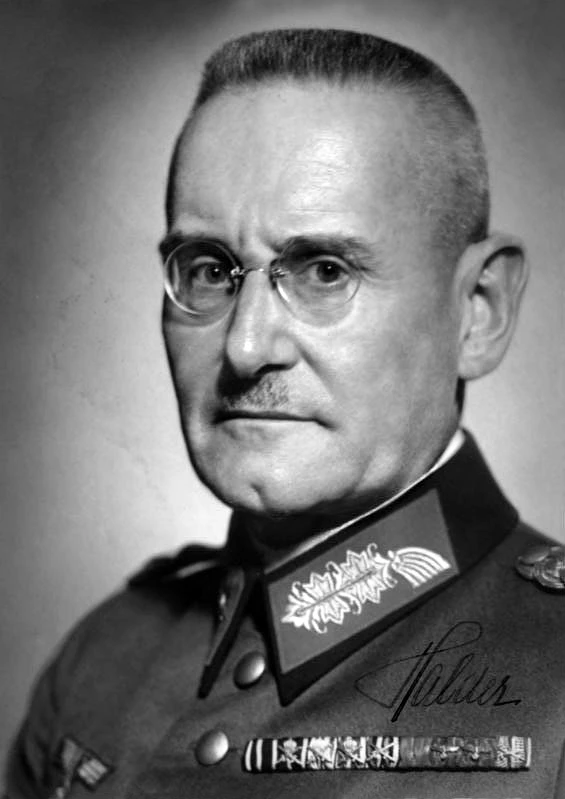
Which heart to strike in the East?
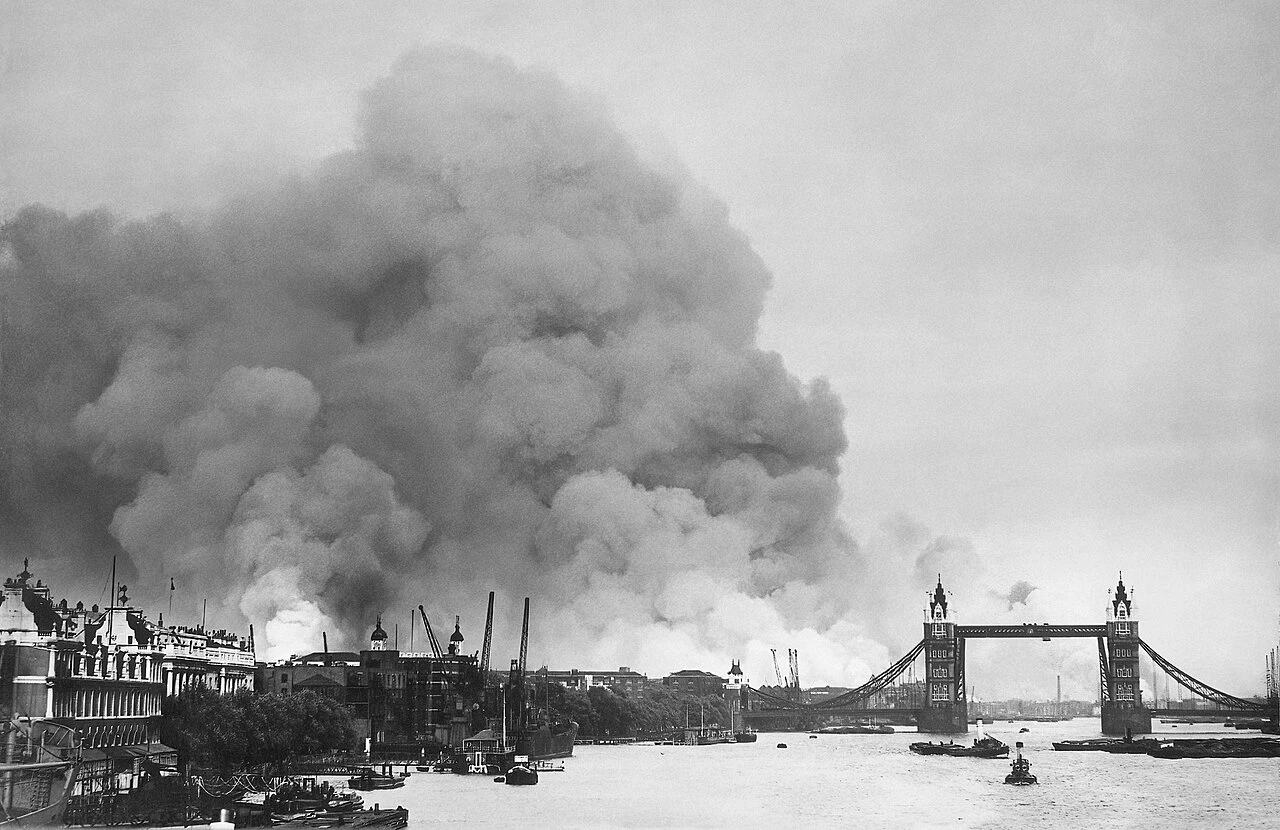
Adlertag — which targets?
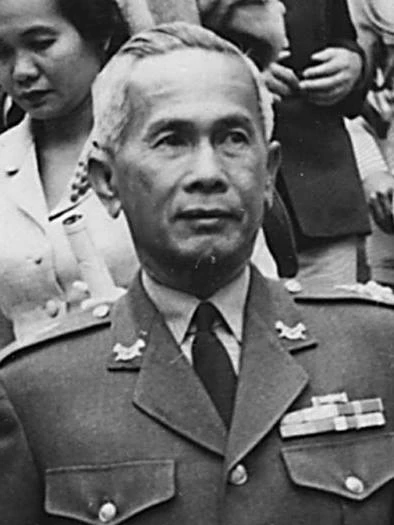
Bangkok Eyes the Lost Provinces of the Mekong
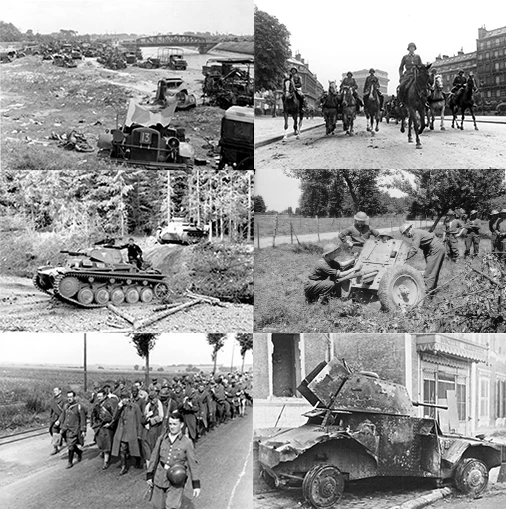
Fall Gelb — the order of 9 May 20:00
Saving an ally bogged down in the mountains
Mussolini and the entry into the war
Gibraltar after the rebuff at Hendaye
Göring at Cap Gris-Nez — September 7
Hitler faces Sea Lion — September 17
Mussolini on the Riviera — 21 June
Which heart to strike in the East?
Adlertag — which targets?
Bangkok Eyes the Lost Provinces of the Mekong