
Veldwezelt bridge — Beert and the demolition officer
The Veldwezelt bridge over the Albert Canal north of Liège was one of the crossings the Belgian army was to blow if the enemy presented himself. Its guard fell to Lieutenant Beert and around thirty men of the 18th Line Regiment, supported by Captain Giddelo, the demolition officer responsible for the charges placed under the concrete and steel deck. The standing orders were the same as for the neighbouring bridges: immediate destruction at the first intrusion.
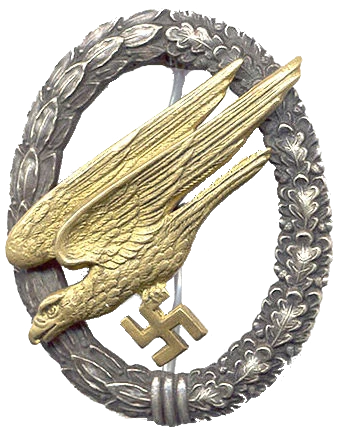
At 04:25 on 10 May, gliders of the — about 90 men in ten aircraft — swooped down on the bridge approaches. Three crashed into the canal, but the others spilled their paratroopers in direct contact with the Belgian positions. No warning had preceded the attack: the lookouts had heard neither engine nor preparatory artillery fire.
The fight broke out at once, fierce and at close quarters. Giddelo had to reach the firing post to set off the explosives, while Beert tried to organise the garrison's defence under fire. A few seconds would decide the fate of the bridge.
Should they rush for the detonator, or hold the position first with the garrison?
The garrison chose A, but too late: Giddelo was shot down as he sprinted for the detonator, before he could fire it. Beert held his position for another ninety minutes of fierce fighting, then surrendered around 06:00. The Veldwezelt bridge fell intact, like Vroenhoven. The paid the heaviest price of the glider assaults — about a dozen killed and twenty wounded out of 90 men — but opened the way for the . The intact capture of the bridges drew a desperate Allied air response: on 12 May, Fairey Battle bombers of No. 12 Squadron RAF sacrificed themselves in an attempt to destroy the structure. The leader of the German operation, Oberleutnant , received the Ritterkreuz. Veldwezelt would be cited as a model airborne assault.
Learn more about this event
Related polls
10
The abatis of the Chasseurs Ardennais
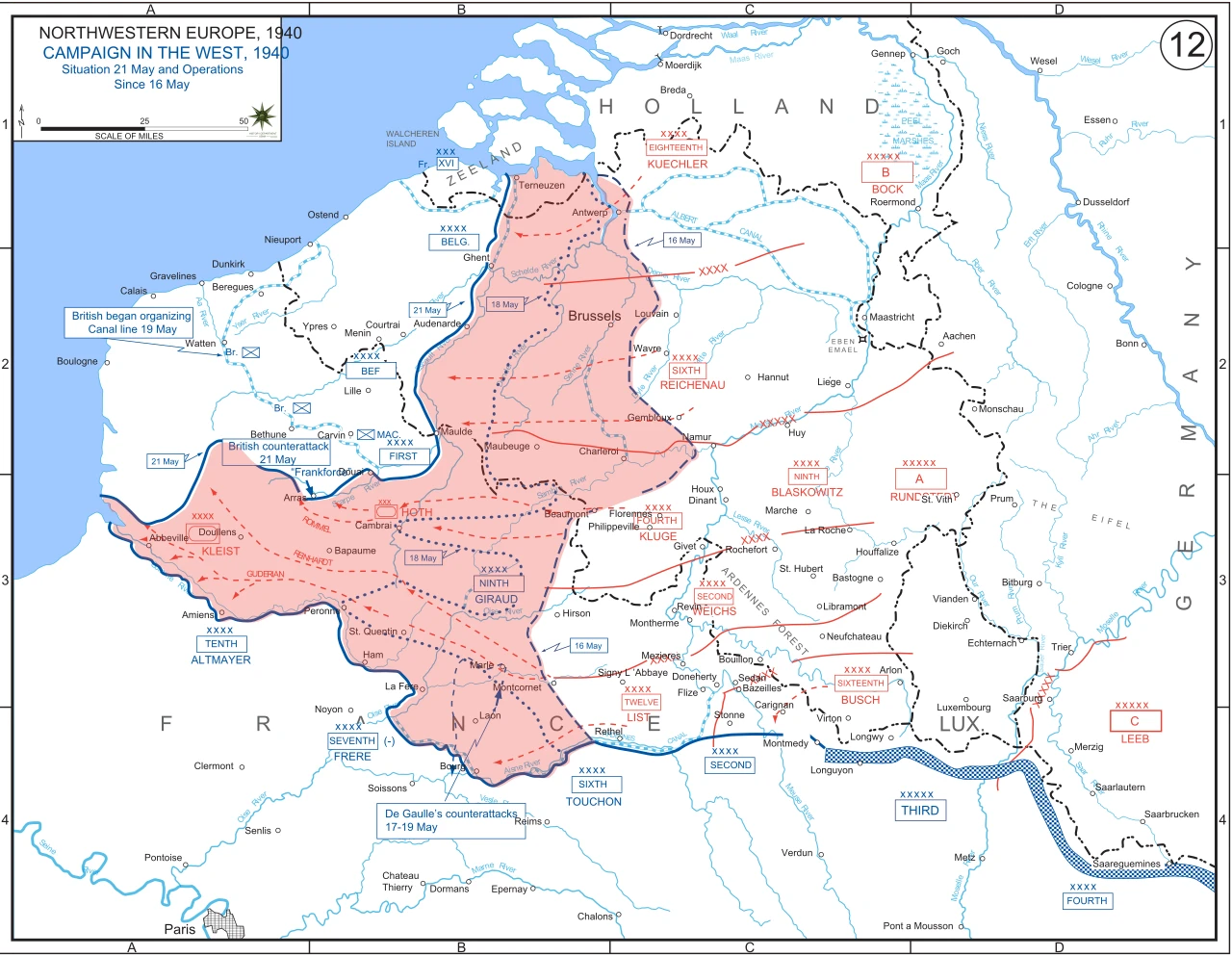
The Battle of the Lys
The bridges of the Meuse
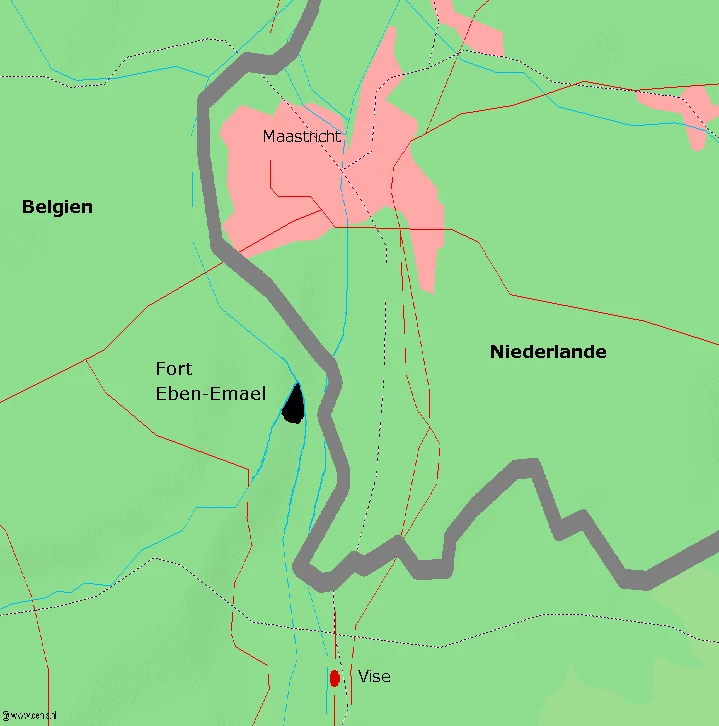
Eben-Emael — Jottrand under the explosions
Kanne bridge — fourth airborne target
Vroenhoven bridge — the demolition order
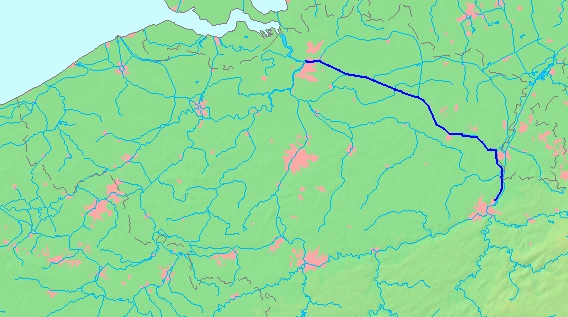
The bridges of the Albert Canal
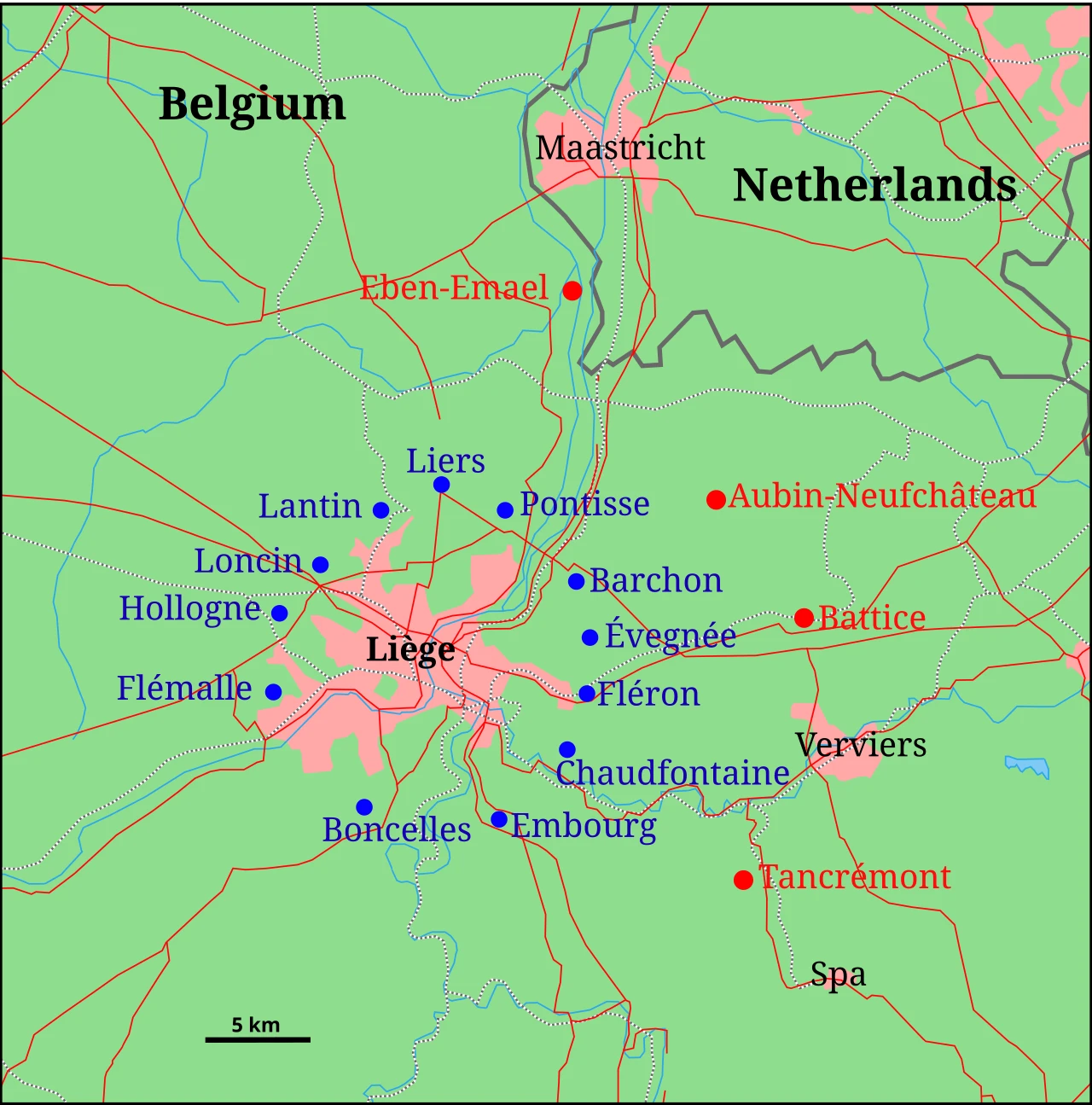
The fortified position of Liège
The Gembloux gap
Boulogne — Fox-Pitt and the Guards facing the port
The abatis of the Chasseurs Ardennais
The Battle of the Lys
The bridges of the Meuse
Eben-Emael — Jottrand under the explosions
Kanne bridge — fourth airborne target
Vroenhoven bridge — the demolition order
The bridges of the Albert Canal
The fortified position of Liège
The Gembloux gap