
The panic of Bulson
During the night of 13–14 May 1940, shortly after the German breakthrough at Sedan, a rumour spread through the French rear: "the German tanks are at Bulson!" In reality, no German armour had yet crossed the Meuse in force at that point. But panic seized the artillery and the services of the , a reserve unit of mediocre quality, already shaken by the Stuka bombardments.
The fate of the defence south of Sedan depended on the reaction of the gunners, the pivot of all resistance. To hold their positions and continue supporting the infantry was to make a counter-attack possible and plug the breach. To abandon the guns and flee an imaginary threat was to open a gaping hole in the dispositions at the most critical moment.
The gunners could hold their positions and verify the information before reacting. They could withdraw in good order to a rear line. Or they could flee in haste before the rumour. The "panic of Bulson" illustrates how a piece of false news, acting on troops of fragile morale, can decide the fate of a battle.
Should the artillery of the 55th ID hold its positions, withdraw in good order, or flee before the rumour?
It was C that prevailed: during the night of 13–14 May, the artillery and rear services of the abandoned their positions and fell back in disorder, on the strength of a baseless rumour of tanks. This "panic of Bulson" deprived the French defence of its artillery south of Sedan at the decisive moment, just when a counter-attack might have thrown the fragile German bridgehead back into the Meuse. The episode, emblematic of the moral fragility of poorly prepared reserve units and of the devastating effect of dive-bombing, helped to turn the local breakthrough at Sedan into an irreparable strategic rupture.
Learn more about this event
Related polls
10
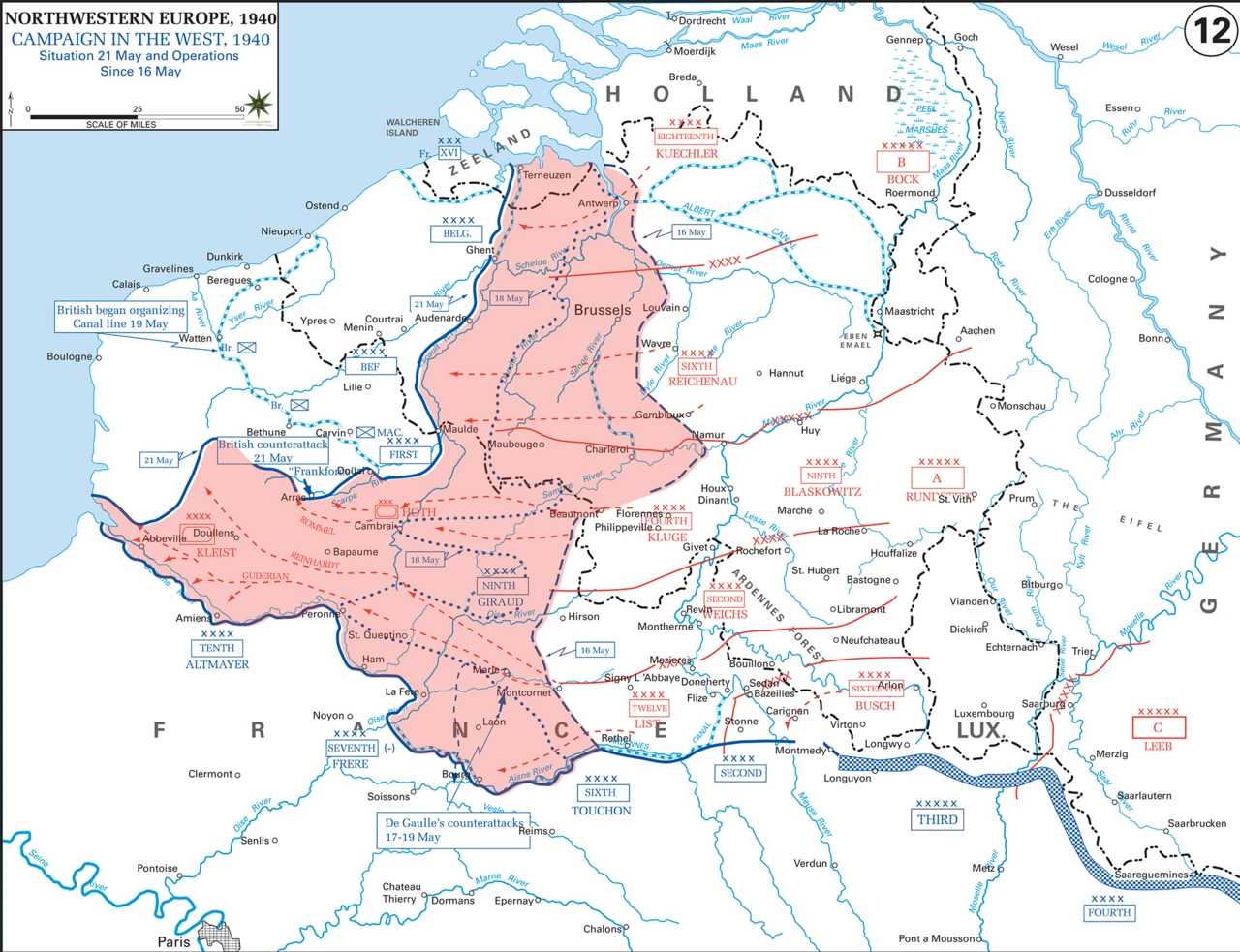
Boulogne — Fox-Pitt and the Guards facing the port
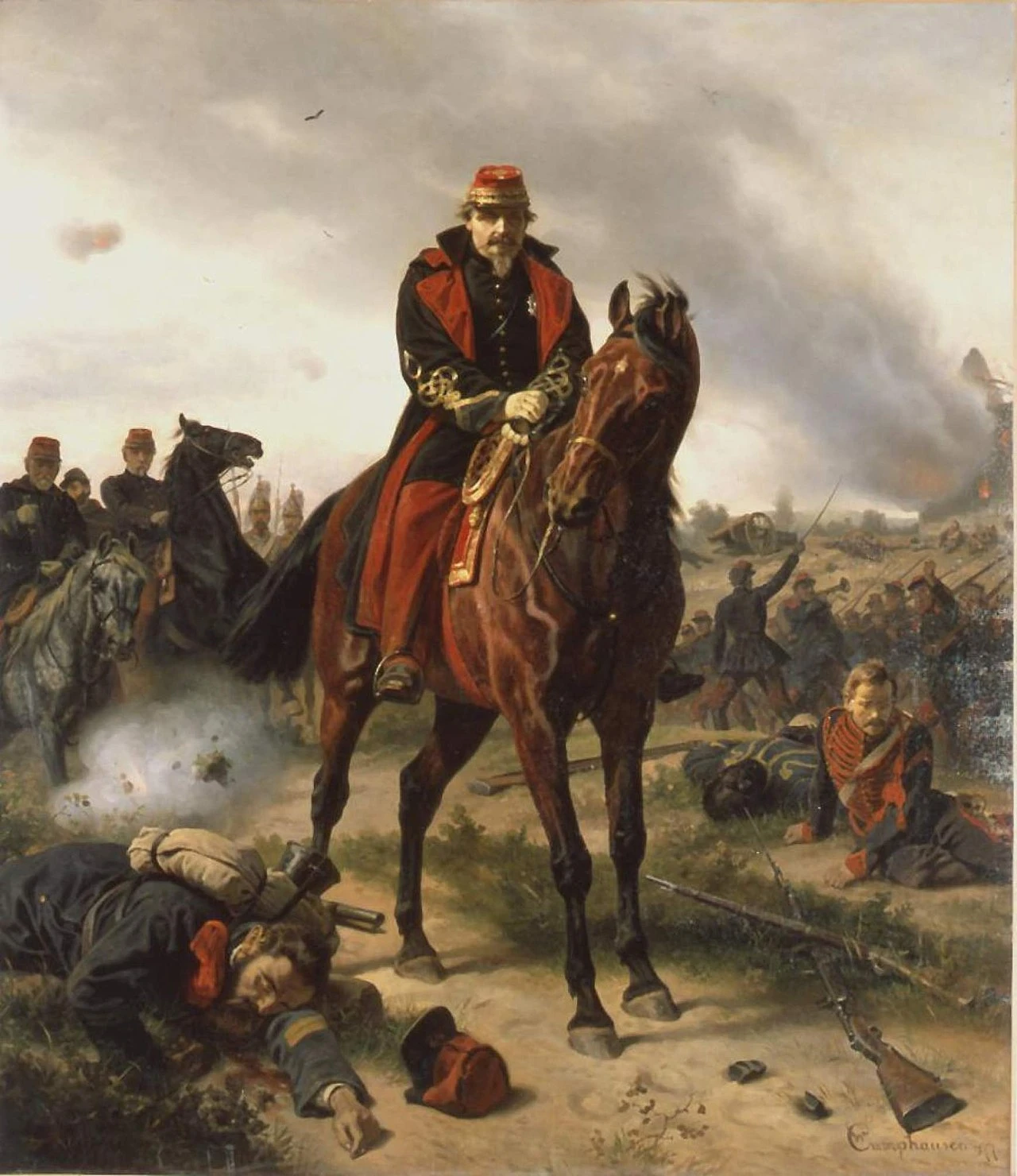
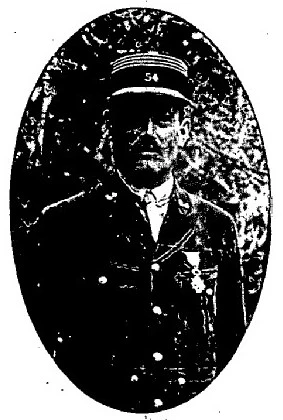
Bulson — Lafontaine and the 02:00 rumour
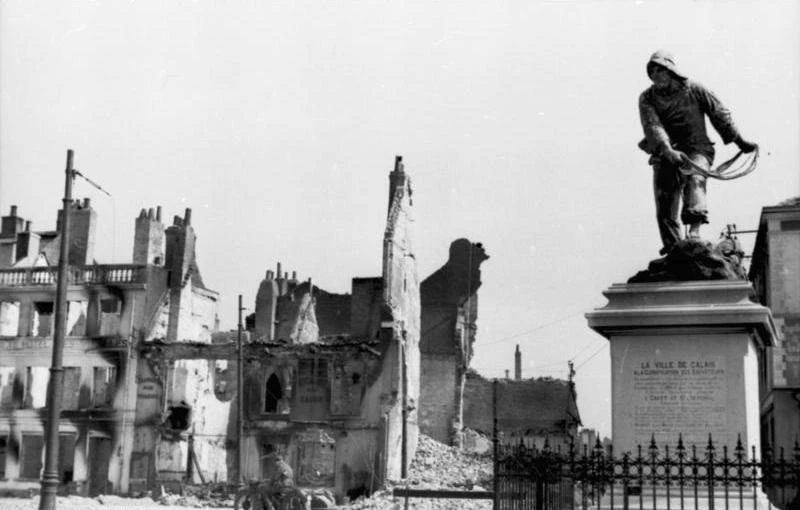
Calais — Nicholson facing the ultimatum
The Defence of Boulogne
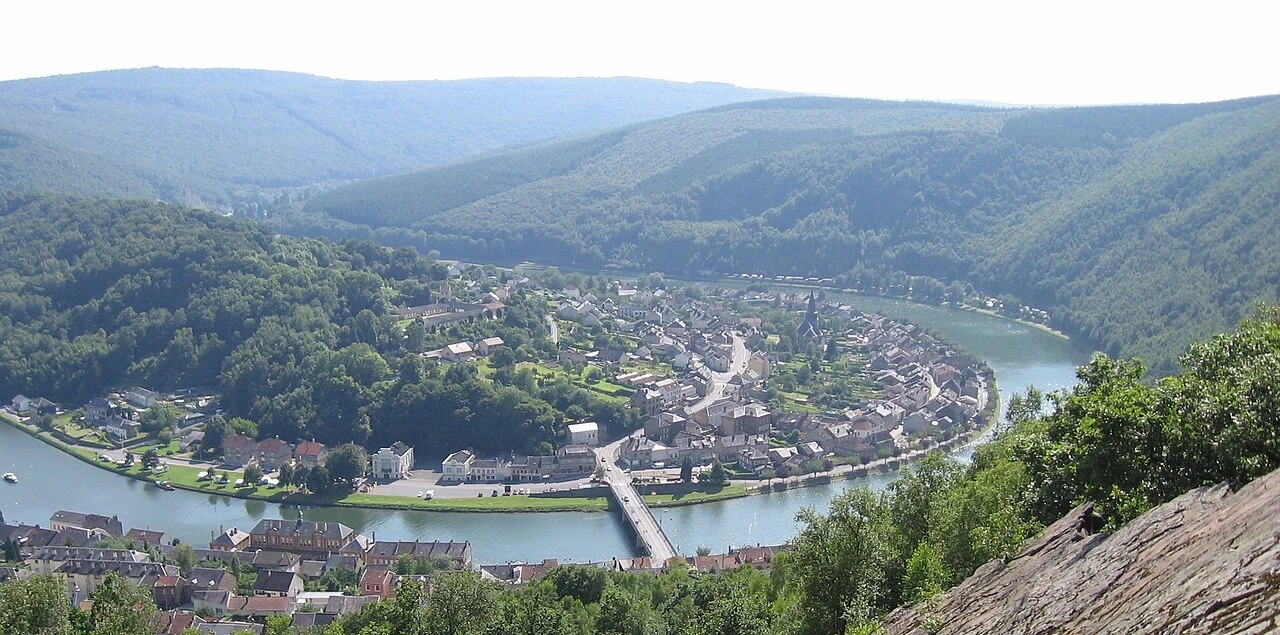
Monthermé — Portzert in the Meuse loop
Stonne — Billotte facing the Panzer column
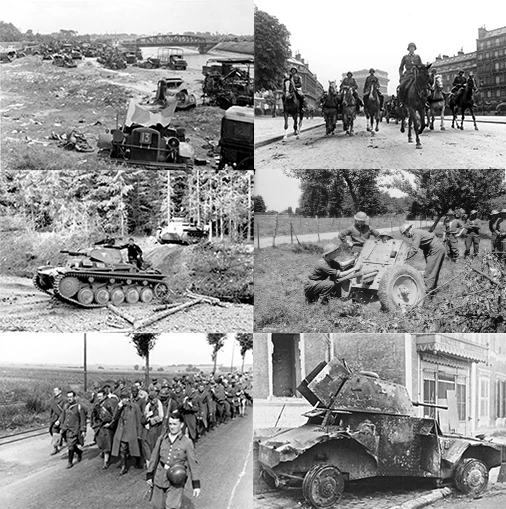
The Weygand Line on the Somme
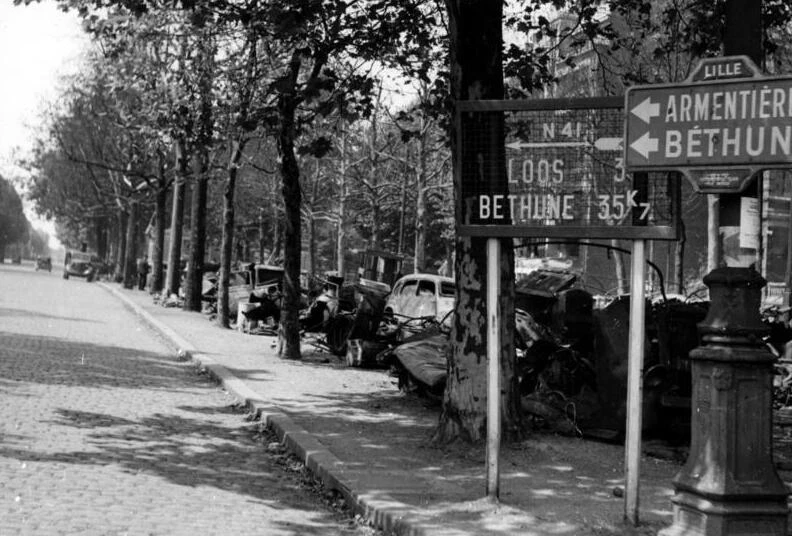
The Lille Pocket
Touchon on the Aisne — Fall Rot

The abatis of the Chasseurs Ardennais
Boulogne — Fox-Pitt and the Guards facing the port
Bulson — Lafontaine and the 02:00 rumour
Calais — Nicholson facing the ultimatum
The Defence of Boulogne
Monthermé — Portzert in the Meuse loop
Stonne — Billotte facing the Panzer column
The Weygand Line on the Somme
The Lille Pocket
Touchon on the Aisne — Fall Rot