
The Leningrad doctor during the winter of the siege
On 8 December 1941, Leningrad has been cut off from the rest of the country for three months. About 2.5 million civilians remain trapped (including half a million children). Since 20 November, the bread ration has fallen to 125 grams a day for non-workers, a bread cut with 50–60% sawdust and ersatz. The Road of Life, over the ice of Lake Ladoga, has just opened but brings in only a trickle of supplies. Mortality would peak at nearly 100,000 deaths a month in January–February 1942.
In the hospitals, frost coats the walls, the ink freezes in the inkwell, and water, heating and electricity are lacking. To the casualties of the bombardments is added a tide of patients suffering from alimentary dystrophy, then from scurvy, typhus and dysentery. Medicines, dressings and blood run out: lint is replaced with Iceland moss and a vitamin drink drawn from pine needles is distributed.
The medical staff themselves suffer from dystrophy and die at work. Treating becomes a constant arbitration: with a derisory number of calories and heated beds, should they be reserved for the most recoverable cases and for children, or should everyone be treated equally at the risk of saving almost none?
Faced with total scarcity, should this Leningrad doctor ration care, concentrate his meagre resources, or try to treat everyone equally?
Faced with total scarcity, the hospitals of Leningrad did, in effect, practise triage: the scarce resources (warmth, calories, tonics) were concentrated on the most recoverable patients and on children, while an ingenious siege medicine was developed (antiscorbutic drinks from conifer needles, substitutes for dressings, substitute paediatric diets, mass transfusions). There is no documented individual fate to highlight: the collective reality is that of thousands of caregivers who treated others while dying of hunger themselves. The medical profession paid a heavy toll, and the city, later awarded the title of Hero City, saw more than a million of its inhabitants perish, above all during the winter of 1941–1942.
Learn more about this event
Related polls
10
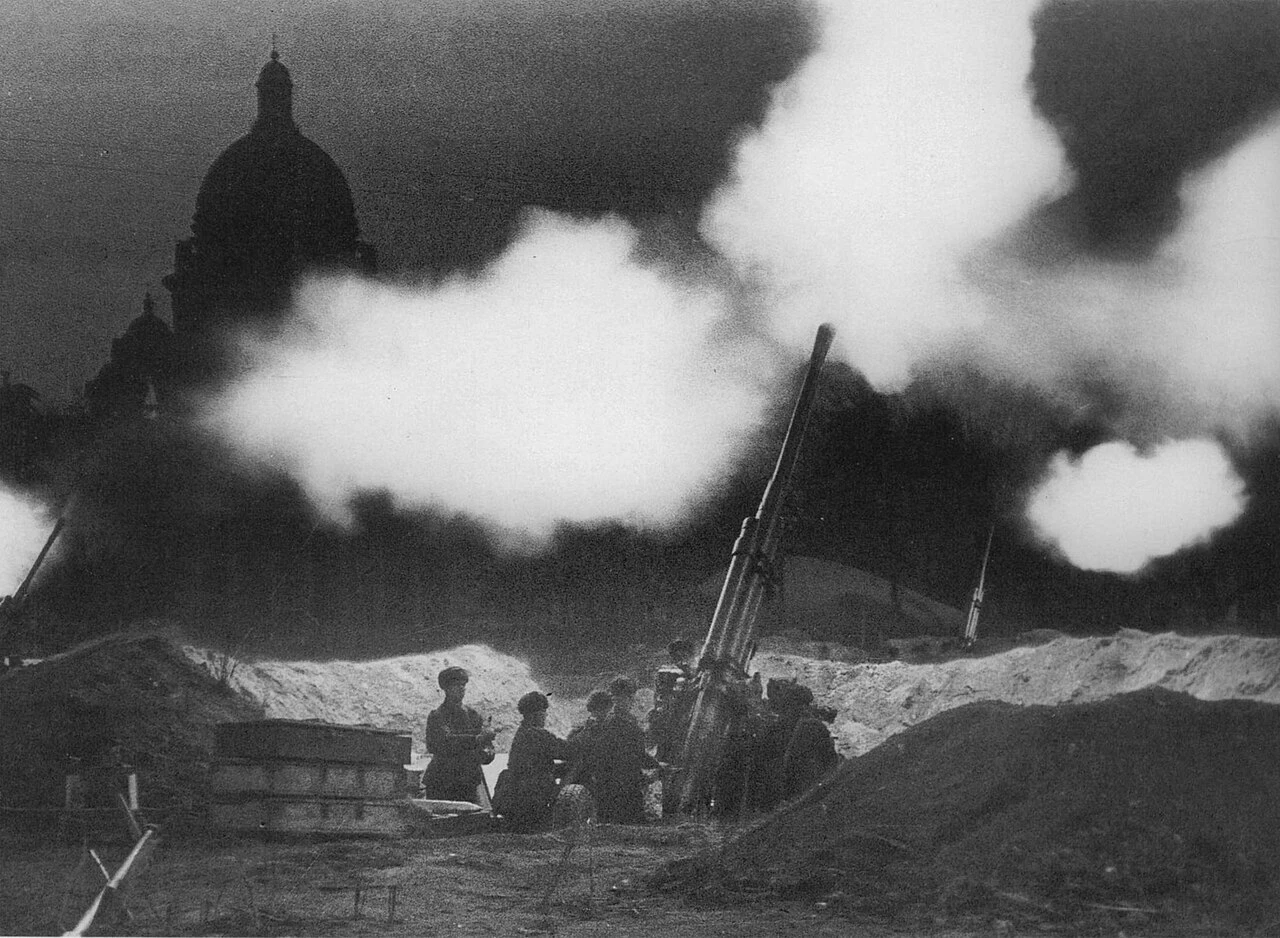
Leningrad University during the siege
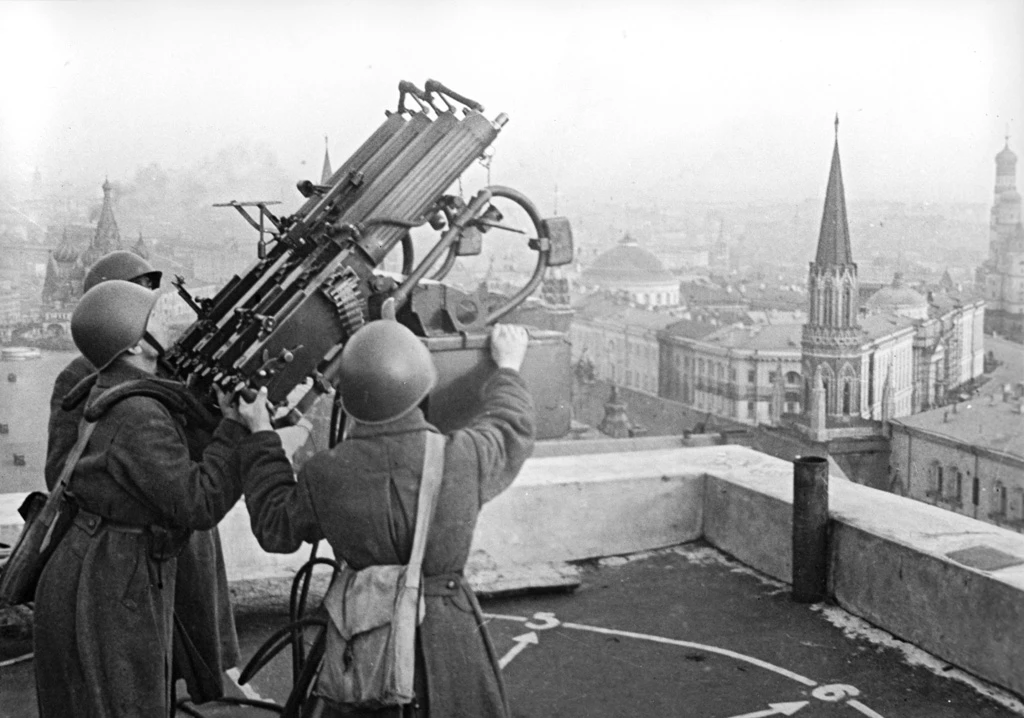
Vyazma, October 1941: the militia faces the onslaught
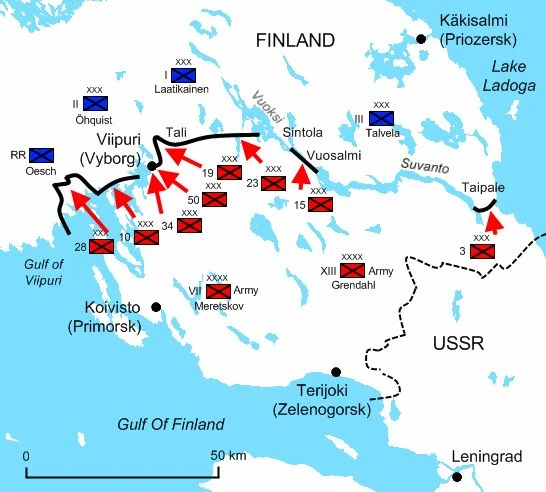
Talvela at Vyborg — 17 February
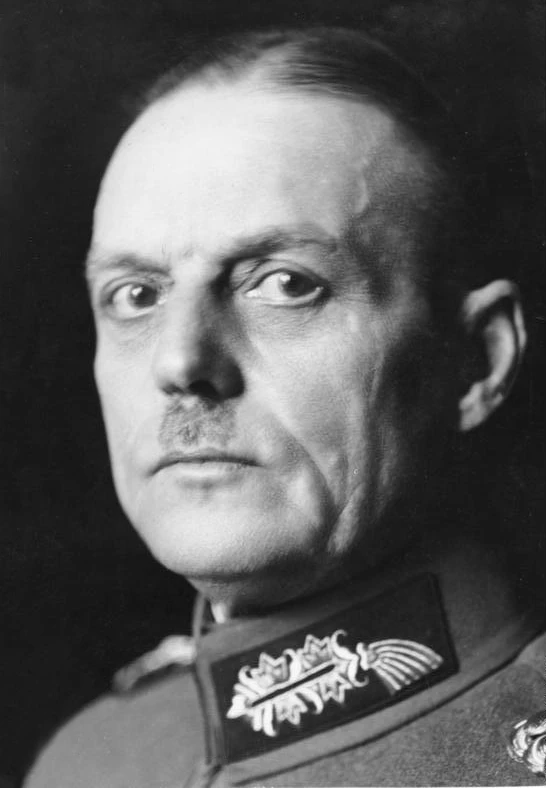
Rostov: Withdraw or Obey the Führer
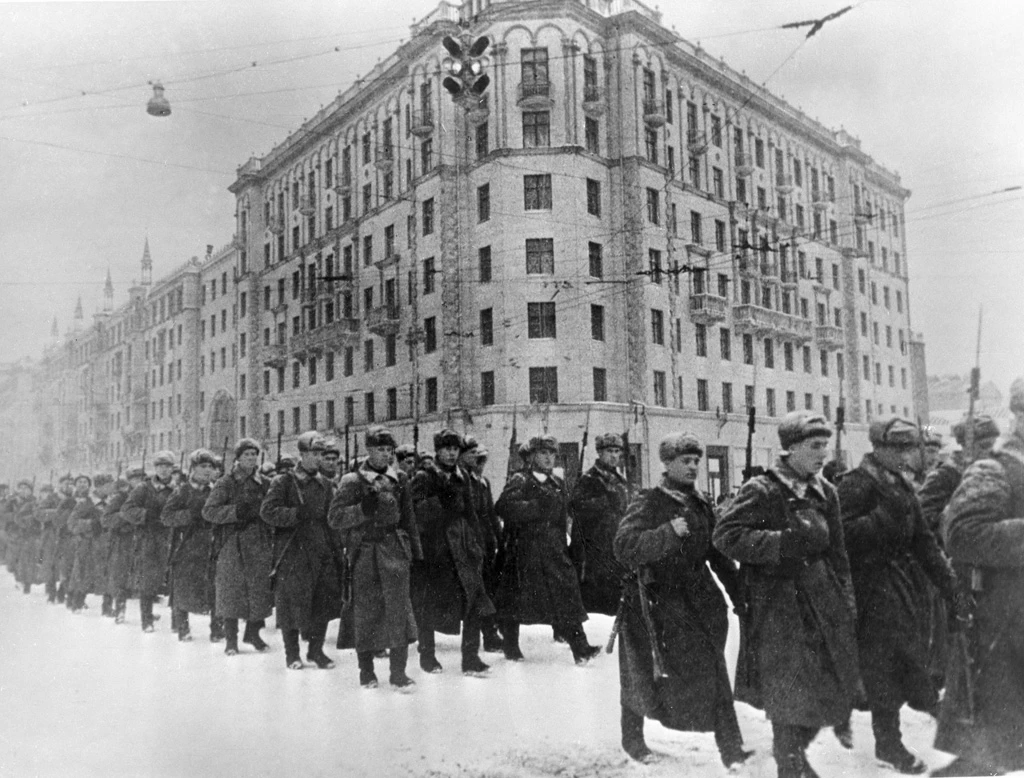
At the Gates of Moscow, in the November Frost
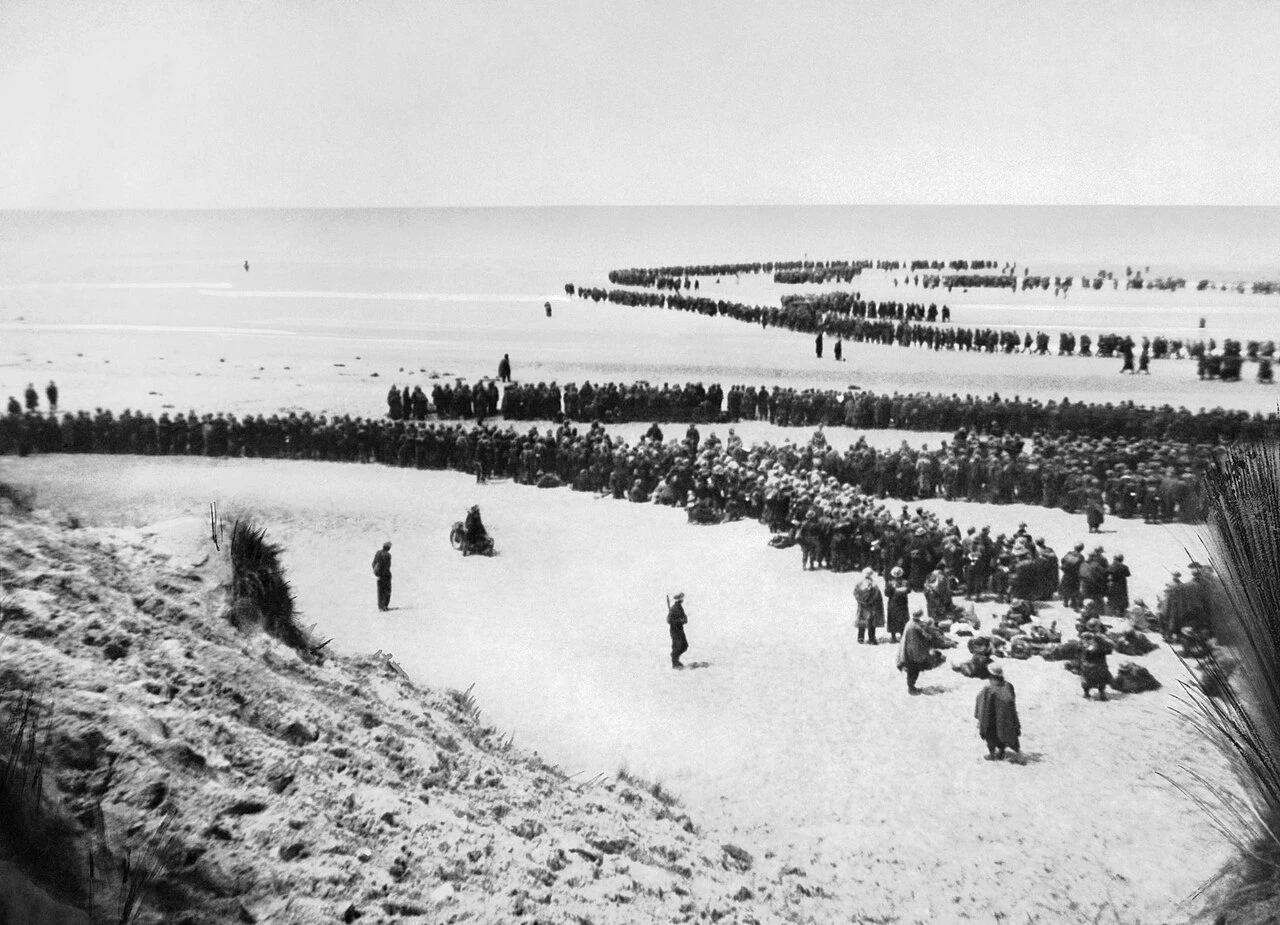
Dunkirk: holding the line under the bombs
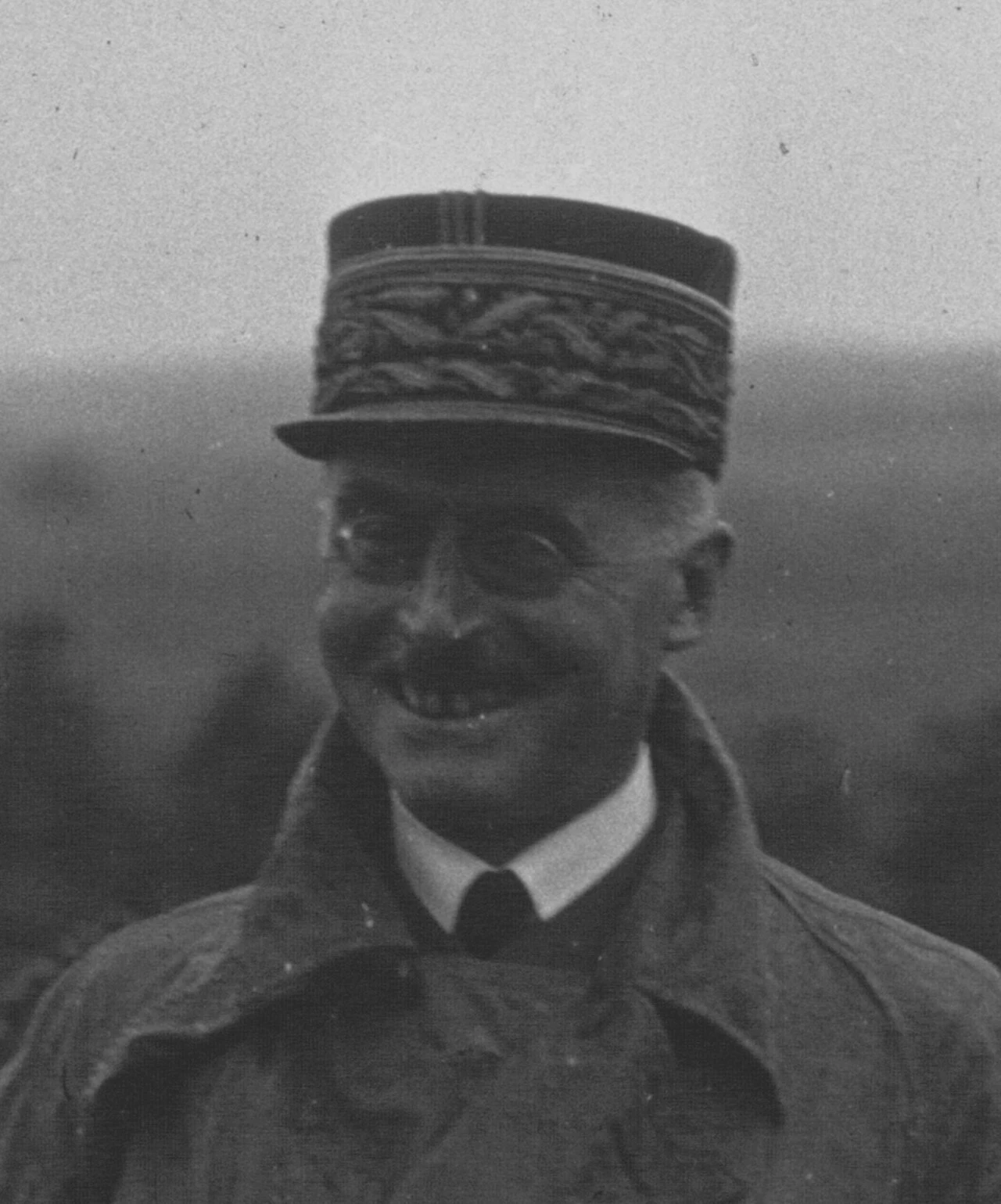
Héring — Paris open city, 13 June
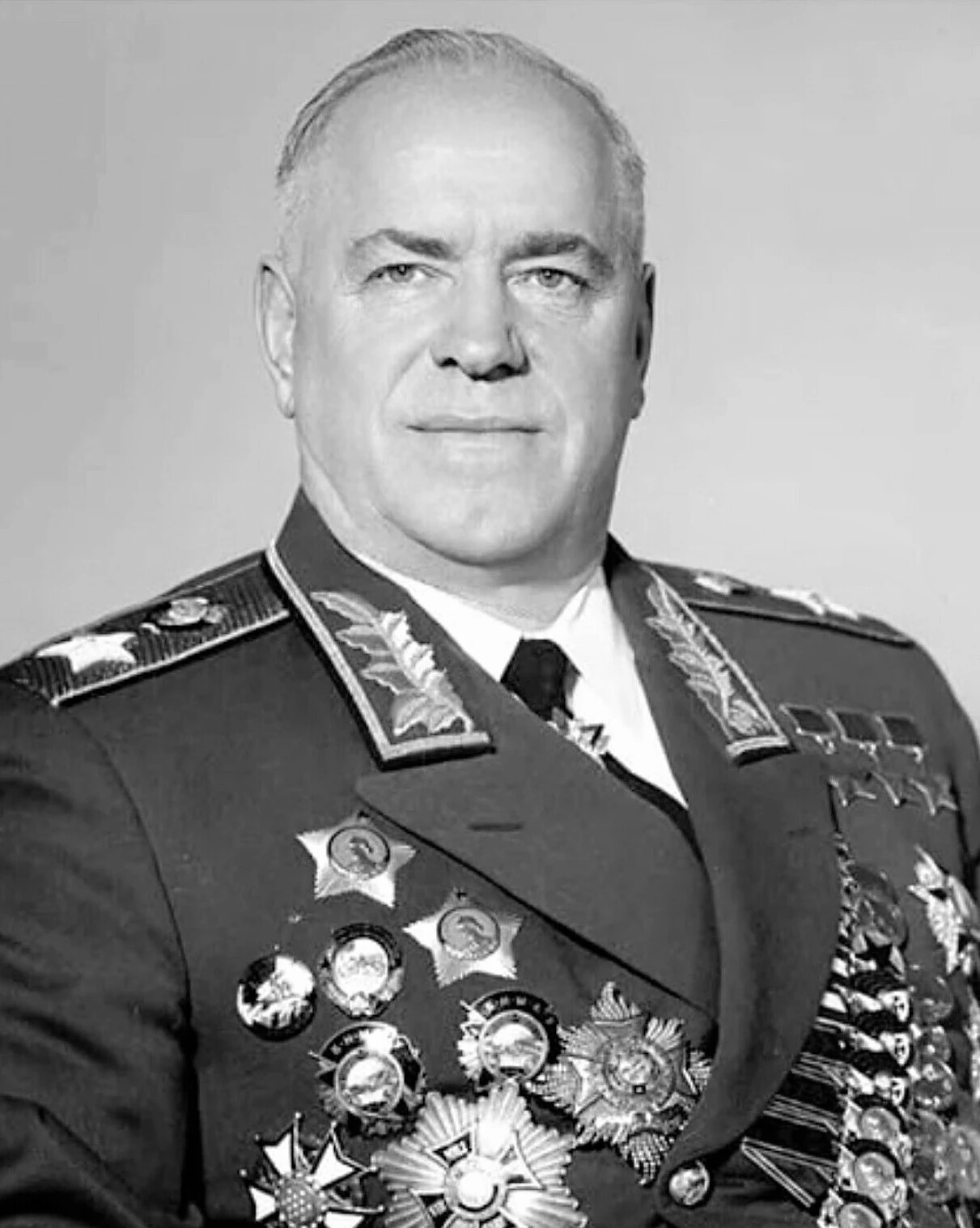
Zhukov Facing the Void Before Moscow
The Forbidden Zone of Alsace — what to do with the civilians of the Rhine?
The French Conscript of the Phoney War
Leningrad University during the siege
Vyazma, October 1941: the militia faces the onslaught
Talvela at Vyborg — 17 February
Rostov: Withdraw or Obey the Führer
At the Gates of Moscow, in the November Frost
Dunkirk: holding the line under the bombs
Héring — Paris open city, 13 June
Zhukov Facing the Void Before Moscow
The Forbidden Zone of Alsace — what to do with the civilians of the Rhine?