
The exodus — flee or stay
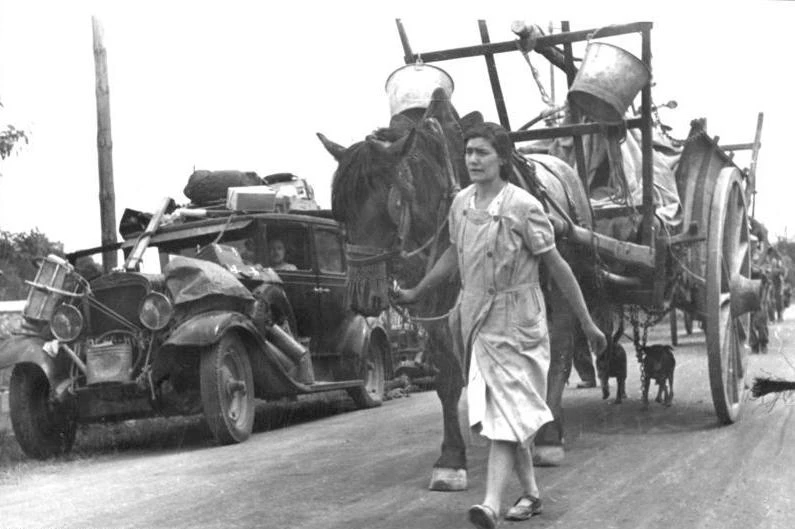
On the morning of 10 May 1940, news of the invasion threw the Belgians onto the roads. The memory of the German atrocities of 1914 — Dinant, Leuven, the burned villages, the civilians shot — haunted people's minds: many were convinced that to stay was to expose oneself to the worst. The authorities, overwhelmed, organised nothing coherent; rumour did the rest.
To illustrate this dilemma, you play a Belgian family. To leave is to set out towards a France that would itself soon be invaded, along strafed roads, with no assured lodging or provisions, mingling with a swelling flood of fugitives. To stay is to keep your house, your work, your livestock, but to risk finding yourselves under fire, and then under occupation.
The choice had to be made within a few hours, amid anguish and disinformation. Should you flee as fast as possible towards France? Wait and see, staying at home? Or fall back only a few kilometres, to a relative in the countryside, far from the axes of the German advance? Millions of families faced it at the same time.
Should our family flee towards France, stay at home, or fall back nearby?
A vast part of the population chose A: about two million Belgians fled in May 1940, along saturated and sometimes strafed roads, in one of the largest waves of refugees in European history. Many, blocked by the German advance or the closing of the borders, then turned back; most would return home during the summer, in the occupied zone. The exodus disrupted communications, clogged the military roads and fed the psychosis of the "fifth column". For families, it would remain the traumatic memory of an improvised departure, and the discovery that one does not so easily flee a war of movement.
Learn more about this event
Related polls
10
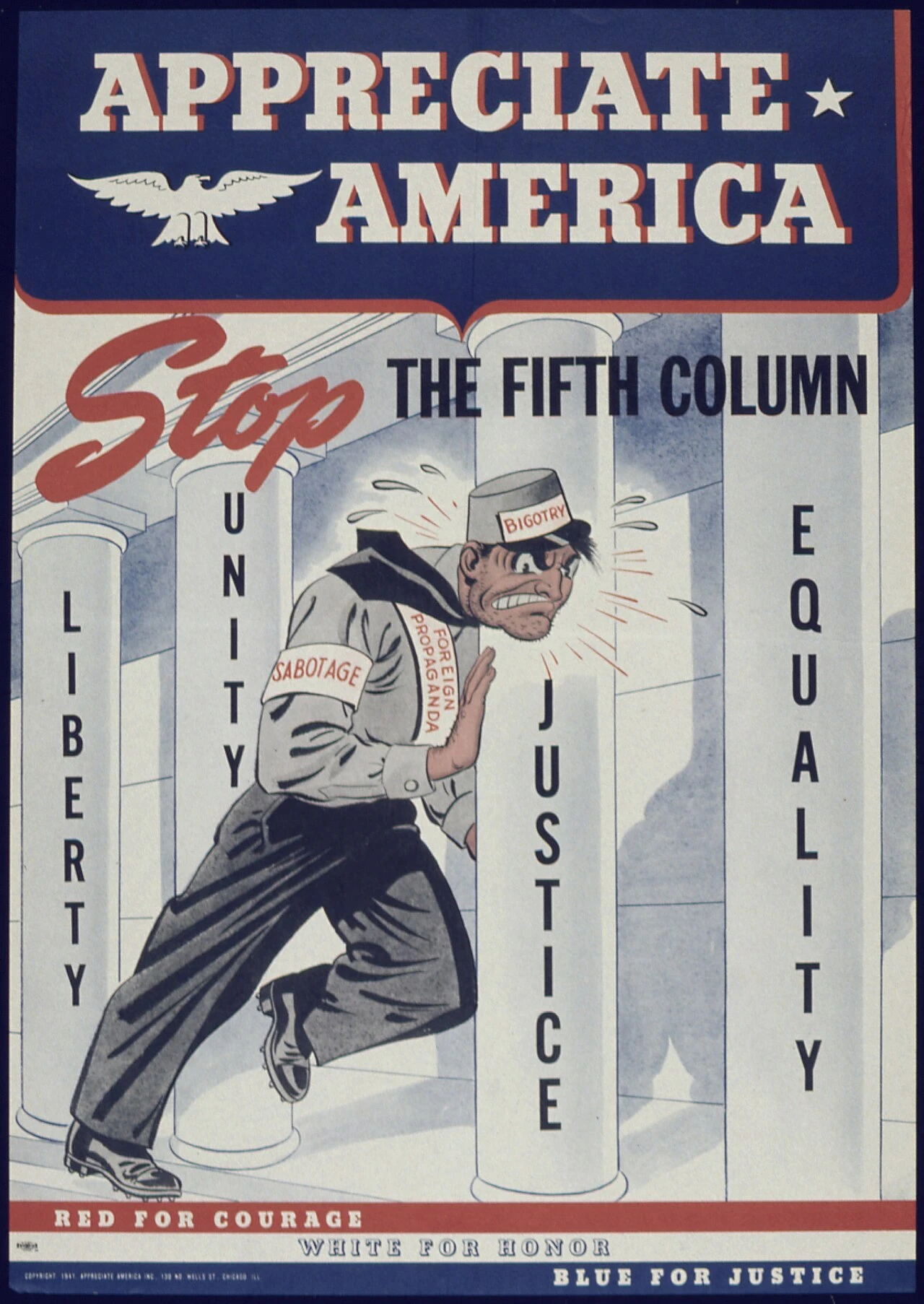
The fifth-column psychosis
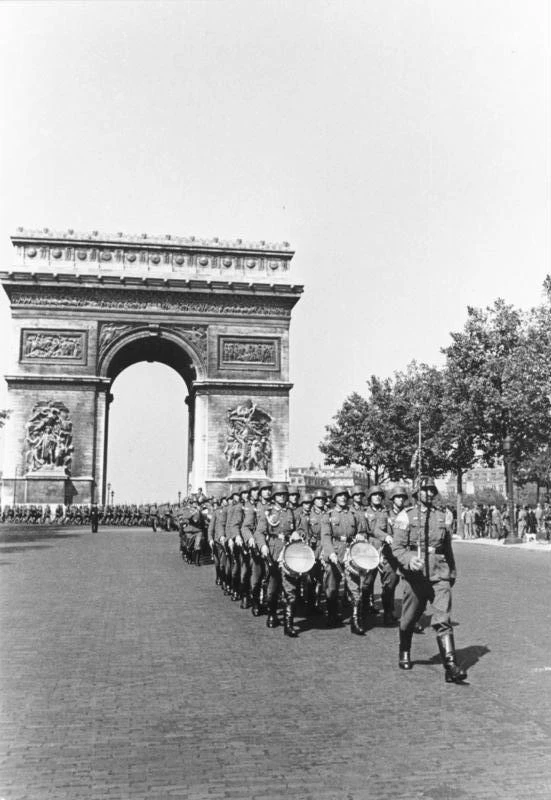
Under the bombs — the Belgian towns
The Press under German Control
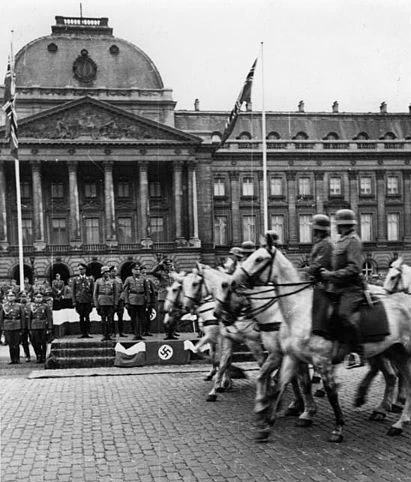
Going back to work under the occupier
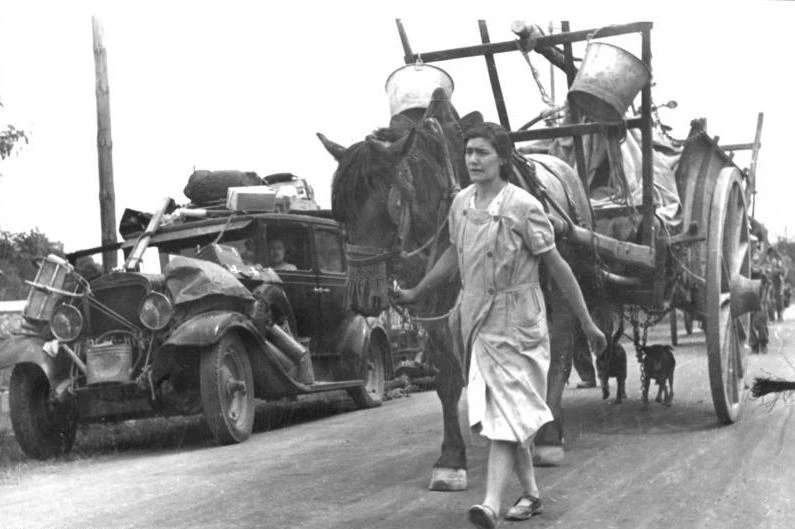
The return from the exodus

The burgomaster faced with requisitions
The Red Cross and the Missing
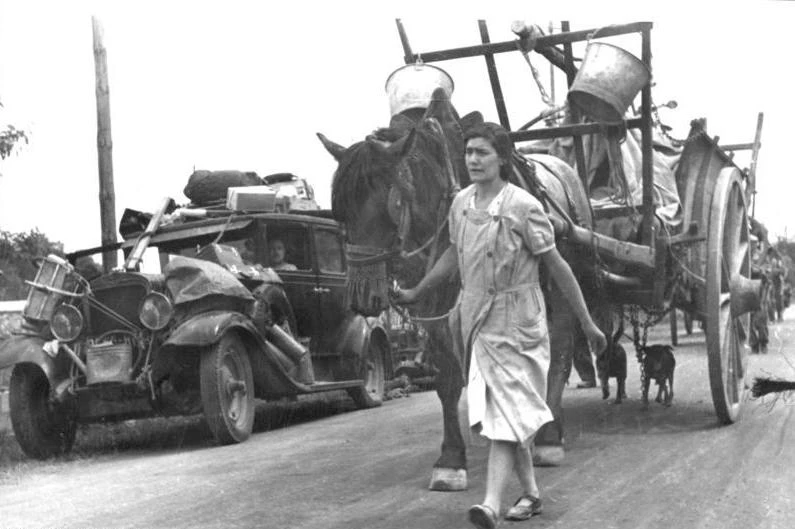
The French exodus
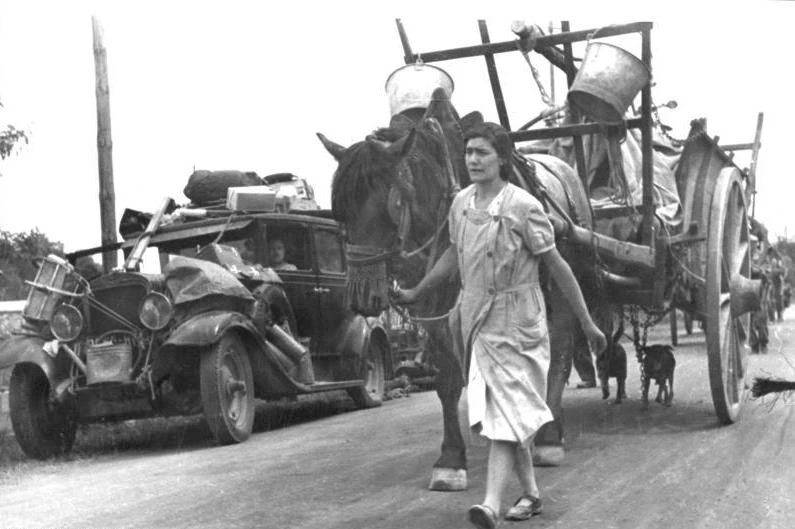
Belgian border — leave or wait out the storm
The Repatriation of the Refugees
The fifth-column psychosis
Under the bombs — the Belgian towns
The Press under German Control
Going back to work under the occupier
The return from the exodus
The burgomaster faced with requisitions
The Red Cross and the Missing
The French exodus
Belgian border — leave or wait out the storm