
Häyhä — the marksman of Kollaa
, 33, is a farmer from Rautjärvi (southern Karelia) before the war. He did his military service with the in 1925 and remains an active reservist — he competes in civilian shooting matches throughout the 1930s, taking top prizes in target and game shooting. His personal weapon: a Finnish Mosin-Nagant M28-30 (a perfected variant of the Soviet rifle), with no telescopic sight. Häyhä prefers iron sights, more accurate at short range and less visible.
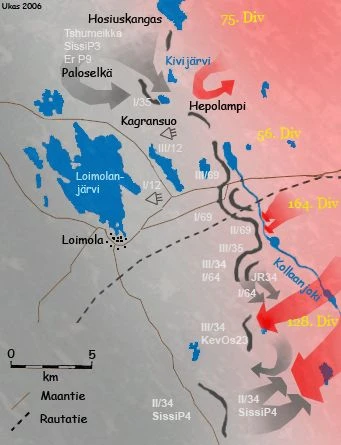
On 30 November 1939 Häyhä is mobilised and sent to the Kollaa front (North Karelia), where he joins the of the 34th Regiment under Colonel . The Kollaa sector is defended by some 5,000 Finns against 30,000 Soviets of the . The sector's motto, coined by divisional commander : "Kollaa kestää" — "Kollaa holds".
Häyhä is given the sniper mission. The environment imposes brutal constraints: deep snow, cold down to -40°C, Soviet artillery and patrols hunting for any firing position. A sniper can aim for the highest possible score at the risk of being located, fight within his squad, or ration his engagements to last.
On 19 December 1939 he begins his missions. He must choose his operational tempo for the weeks ahead.
What operational tempo does Häyhä adopt?
Häyhä chooses C: measured ambushes (one or two a day), with frequent position changes, to last over time. His personal tactic: white-snow overalls, ambush from a hide in the snow (sometimes three hours motionless at -40°C), iron sights at 150-450 metres, two or three shots maximum per ambush to avoid being spotted. He keeps snow in his mouth so that his breath does not form a visible cloud of vapour. From 19 December 1939 to 6 March 1940 (78 days of continuous combat) he accumulates, according to Finnish military records: 505 confirmed rifle kills, plus around 200 further kills with the Suomi KP/-31 submachine gun. The Soviets nickname him Belaya Smert ("the White Death"). Several Soviet attempts to neutralise him — counter-battery artillery, no result; specialised sniper teams sent in (all neutralised in turn); finally targeted air bombardment of the sector. On 6 March 1940, six days before the Peace of Moscow, an explosive bullet fragment tears away half his lower jaw. Evacuated unconscious, he is operated on for fourteen hours at the hospital in Lahti. He survives. Reconstruction of the jaw takes 26 operations over seven years. Marshal Mannerheim promotes him to sergeant by personal decree on 25 March 1940 — an unprecedented exceptional promotion. Häyhä always refused to be treated as a hero — his comment to journalists: "I did what the situation required. Someone had to do it." He lived after the war as a farmer-hunter at Ruokolahti, refused interviews and published no memoir. Died in April 2002 aged 96.
Learn more about this event
Related polls
10
Pajari at Tolvajärvi — 12 December, 04:00
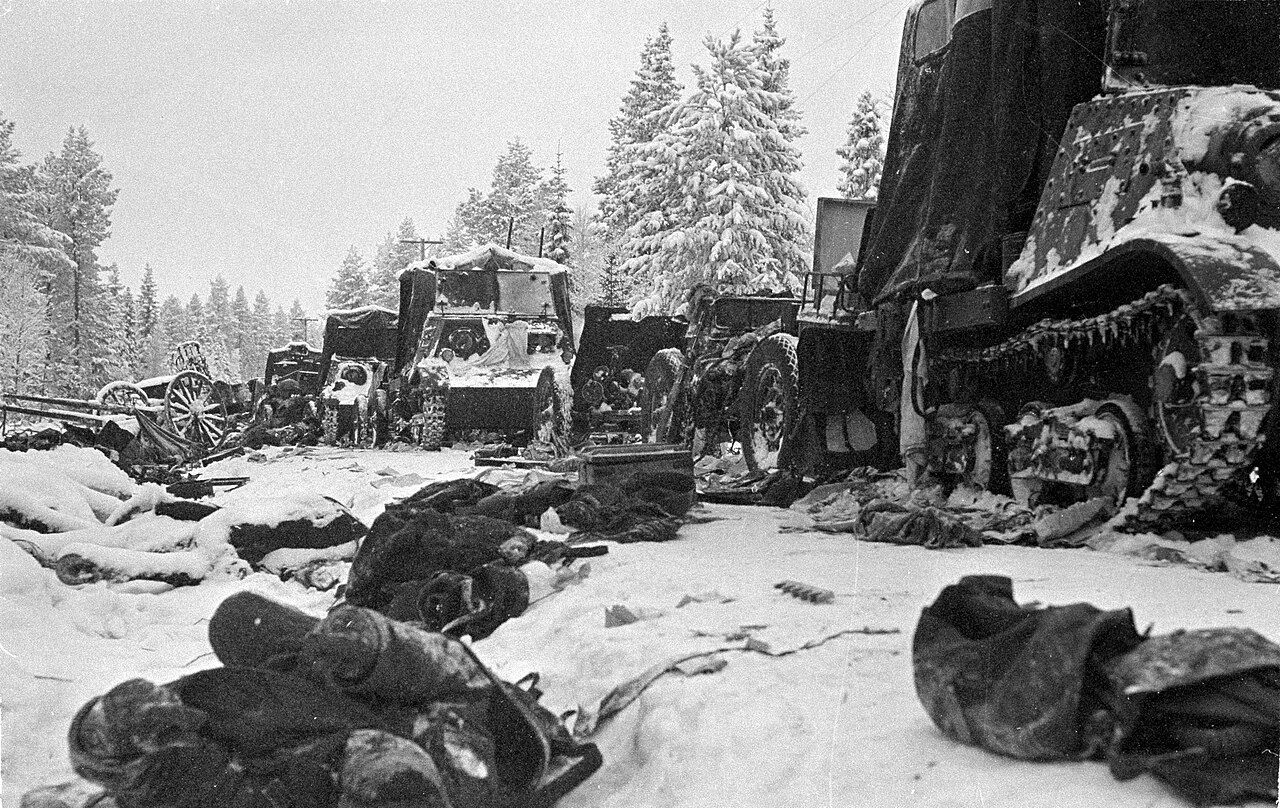
Raate — Vinogradov on the frozen road
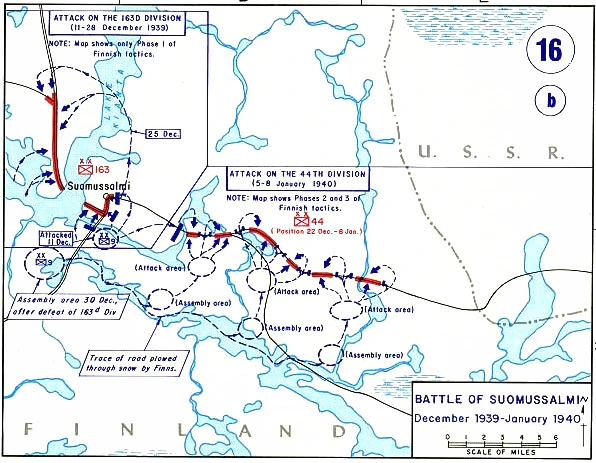
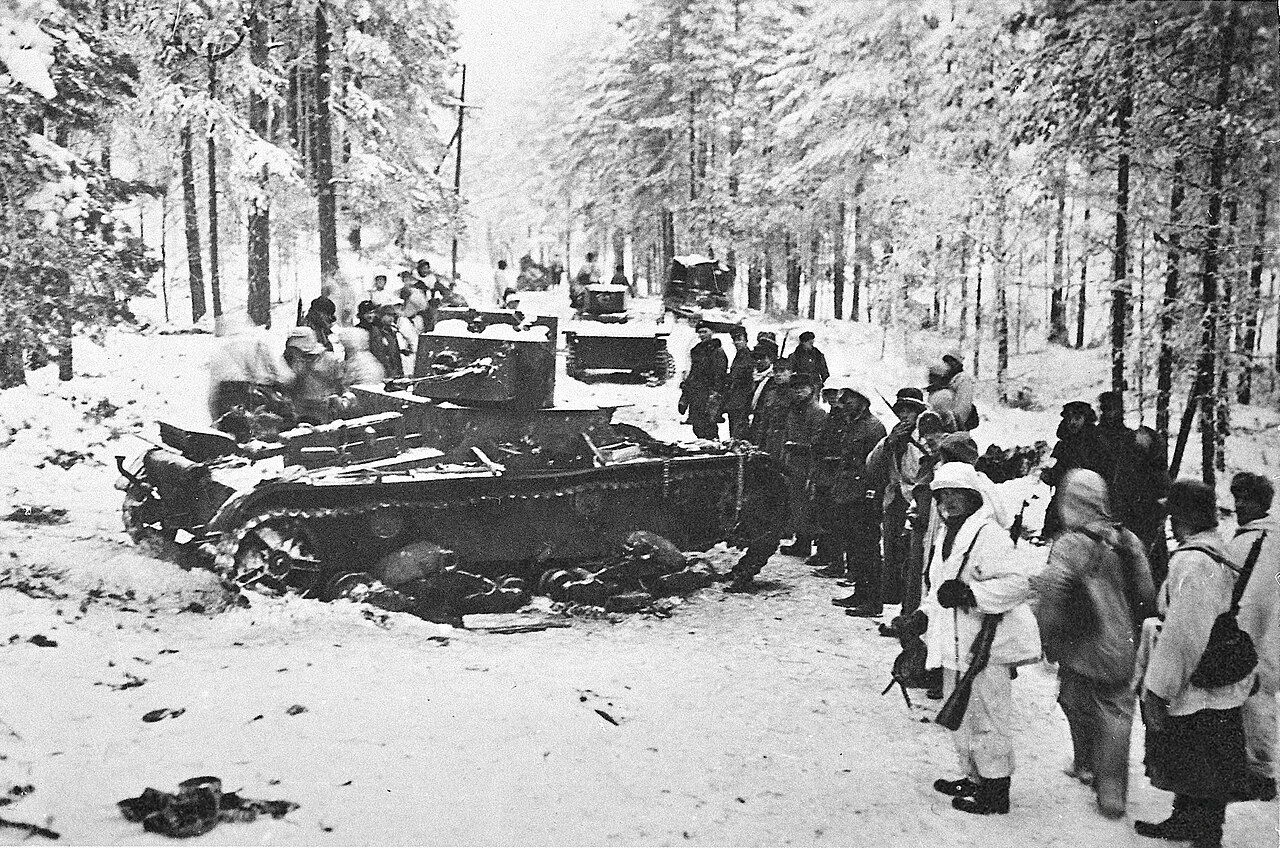
Suomussalmi — Siilasvuo against the 163rd
Svensson on the Kollaa front
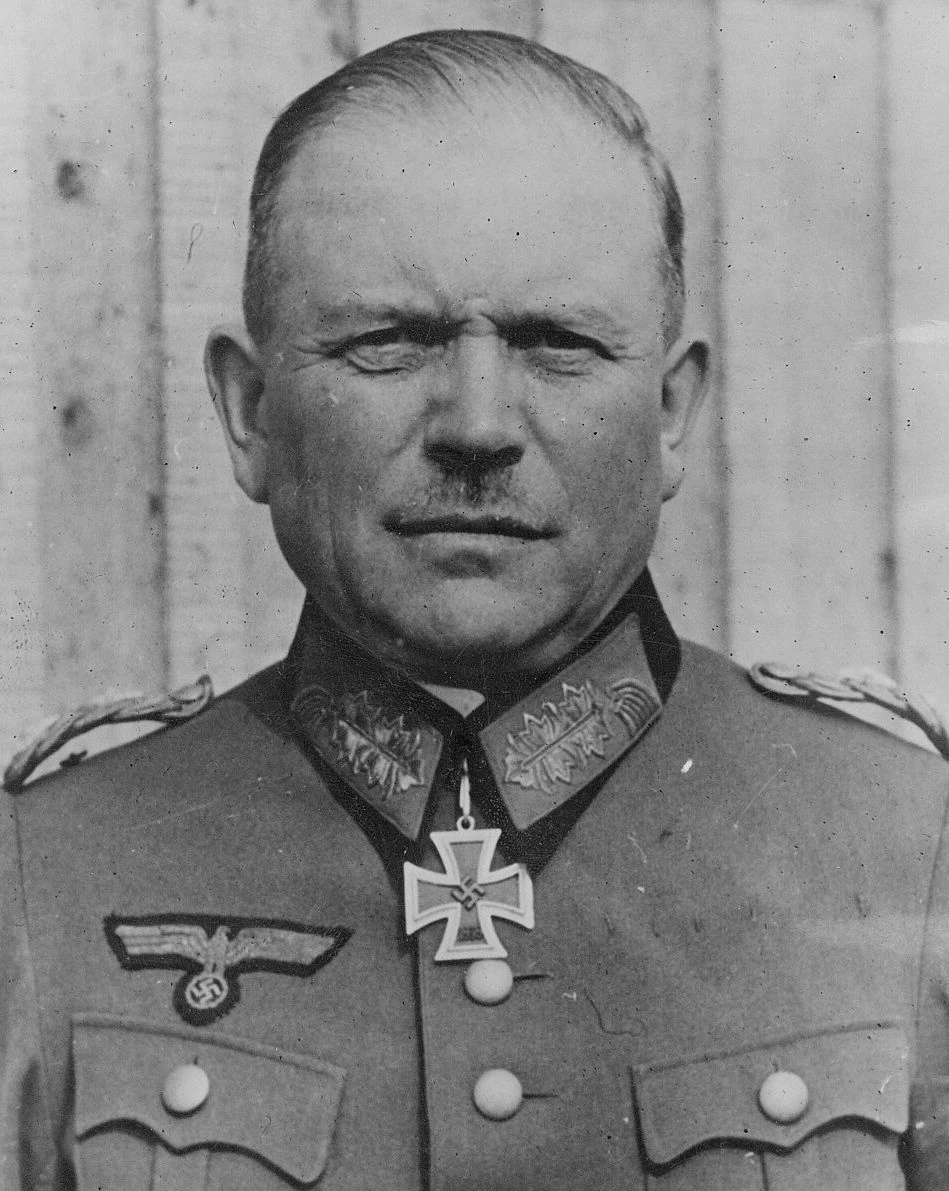
Brześć — Plisowski faces Guderian
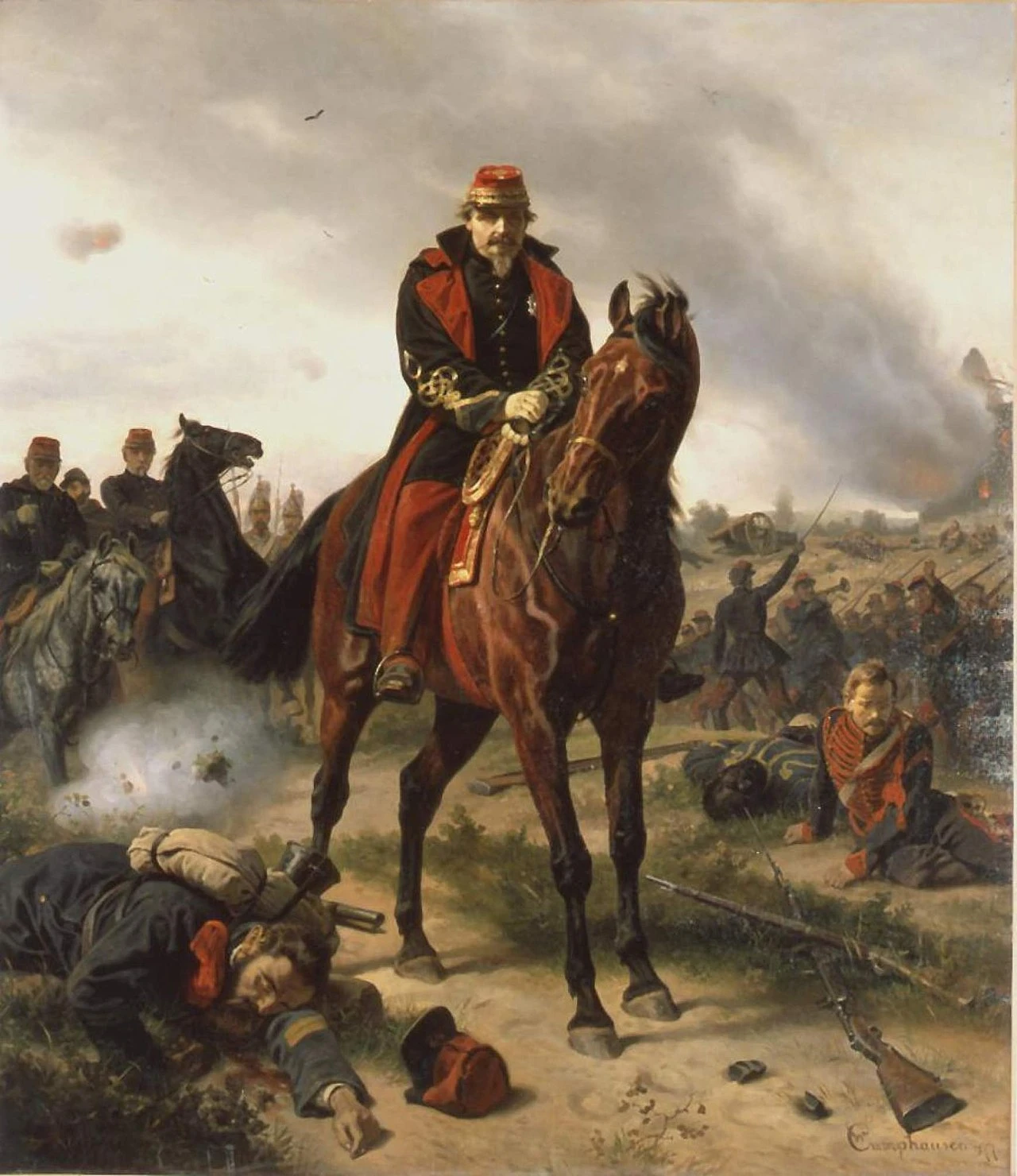
Bulson — Lafontaine and the 02:00 rumour
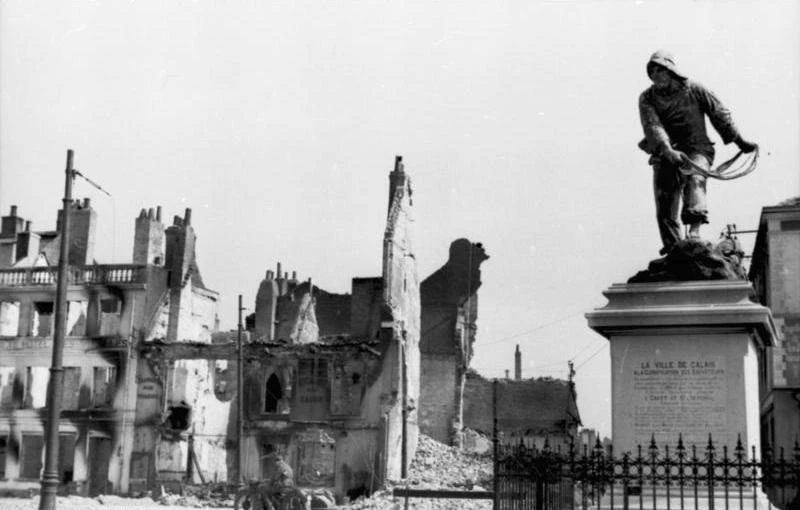
Calais — Nicholson facing the ultimatum
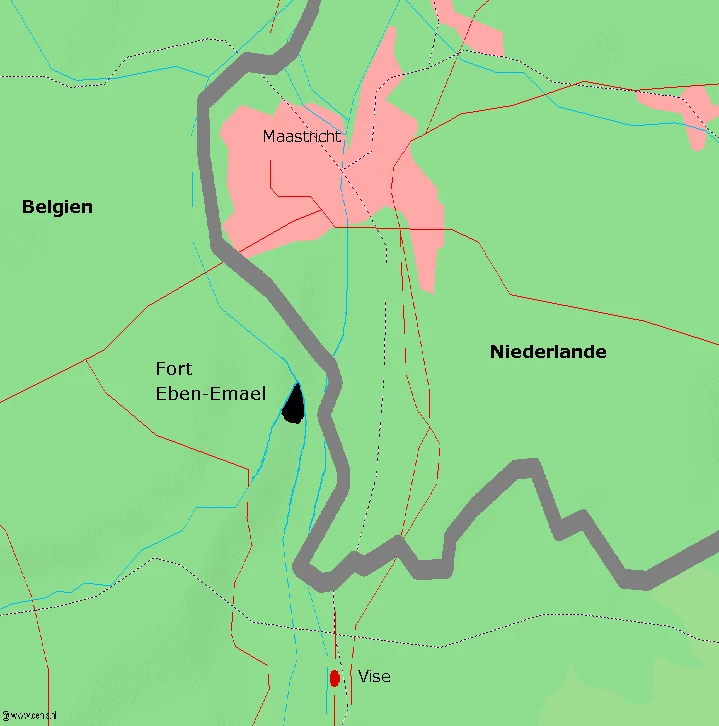
Eben-Emael — Jottrand under the explosions
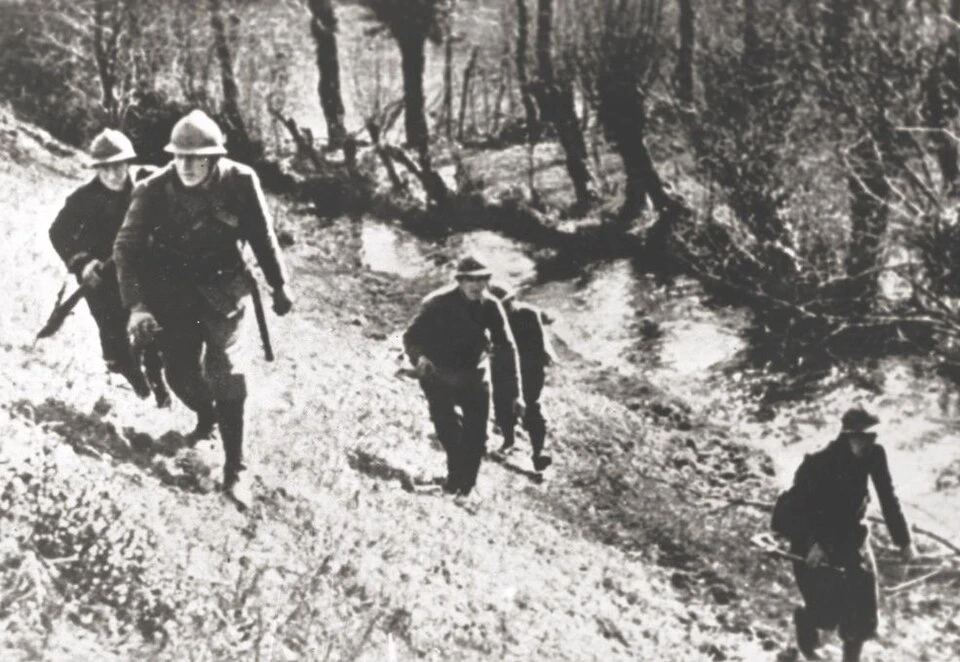
Kock — Kleeberg on the morning of 6 October
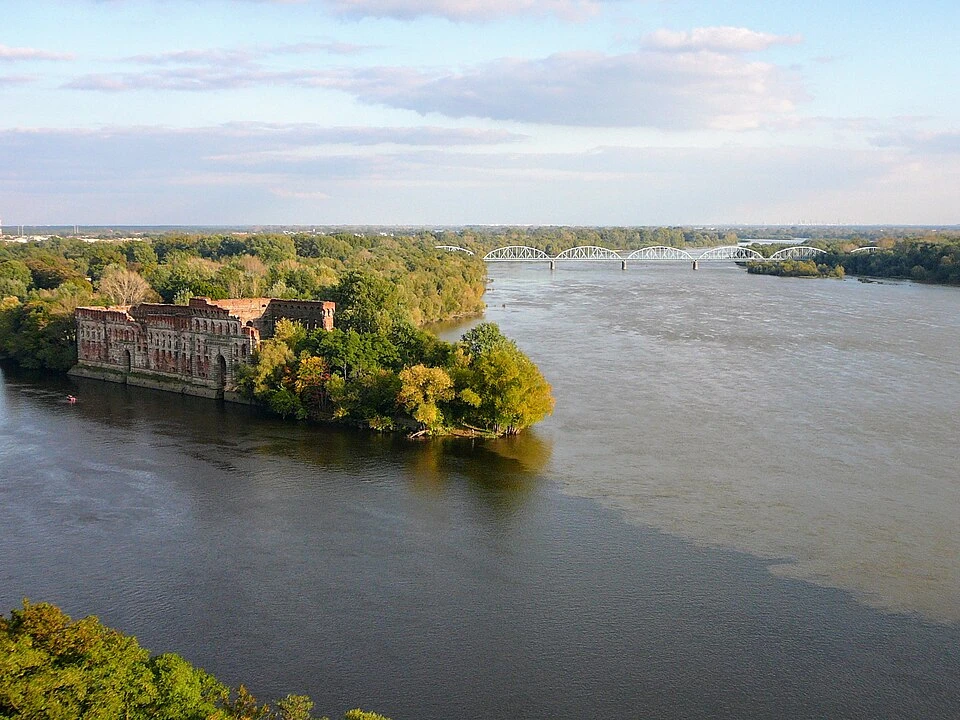
Modlin — Thommée at the last fortress
Pajari at Tolvajärvi — 12 December, 04:00
Raate — Vinogradov on the frozen road
Suomussalmi — Siilasvuo against the 163rd
Svensson on the Kollaa front
Brześć — Plisowski faces Guderian
Bulson — Lafontaine and the 02:00 rumour
Calais — Nicholson facing the ultimatum
Eben-Emael — Jottrand under the explosions
Kock — Kleeberg on the morning of 6 October