
The Supreme Allied Council faces Finland
Allied embarrassment over the Winter War crystallises in January-February 1940. Finland resists but is yielding ground (the Soviet offensive of February against the Mannerheim Line on the Karelian Isthmus is decisive). Helsinki asks for reinforcement. But how can the Allies help Finland without declaring war on the USSR — the tacit ally of Hitler since the M-R pact?
The Supreme Allied Council (the Franco-British coordinating body on the war, chaired alternately by Daladier and Chamberlain) debates the idea of an Allied expeditionary corps in Finland. Several scenarios are studied from 5 February 1940, with three simultaneous objectives: - Help Finland: send a corps of 100,000-150,000 men (French, British, exiled Poles) - Cut off Swedish iron ore: occupy the ports of Narvik (Norway) and Luleå (Sweden), freezing the supply to Germany (45 percent of German steel depends on this ore) - Prepare a northern front against the USSR — in case it engages actively alongside Hitler
Lord Hankey (British minister without portfolio, former Cabinet Secretary) and General (in the Levant) coordinate the plans. The operational plan settled on 17 February 1940: Allied landings at Narvik on 20 March, advance along the Swedish railways towards Luleå and Tornio, junction with Finnish forces on the Karelian front in April.
The problem: Sweden and Norway flatly refuse passage to Allied troops. King of Sweden declares: "Sweden will be attacked by Germany if we let the Allies through." King of Norway takes the same line. Without passage, the plan is technically unworkable.
Should the Allies force passage through Sweden and Norway?
The Supreme Council settles on C initially, out of fear of world opinion. But Hitler anticipates the scenario: German planning for Weserübung is accelerated precisely because Allied plans have been detected by intelligence. On 3 March 1940 Hitler signs the Weserübung Directive; operations scheduled for 9 April 1940. Meanwhile, on 6 March 1940, the Finnish delegation arrives in Moscow to negotiate peace. On 12 March 1940 the Peace of Moscow is signed — Finland cedes 11 percent of her territory but keeps her independence. The Winter War is over. Consequence for the Allies: the Finnish intervention plan is overtaken by events on 12 March. But the Narvik plan survives — it will be launched on 5 April 1940, four days behind the German invasion. The Norwegian campaign of April-June 1940 will thus be the direct result of the Allied plans drawn up in February for Finland. Weygand was recalled in May 1940 to replace Gamelin — too late to save France. Hankey remained active in London until 1942 and died in 1963.
Learn more about this event
Related polls
10
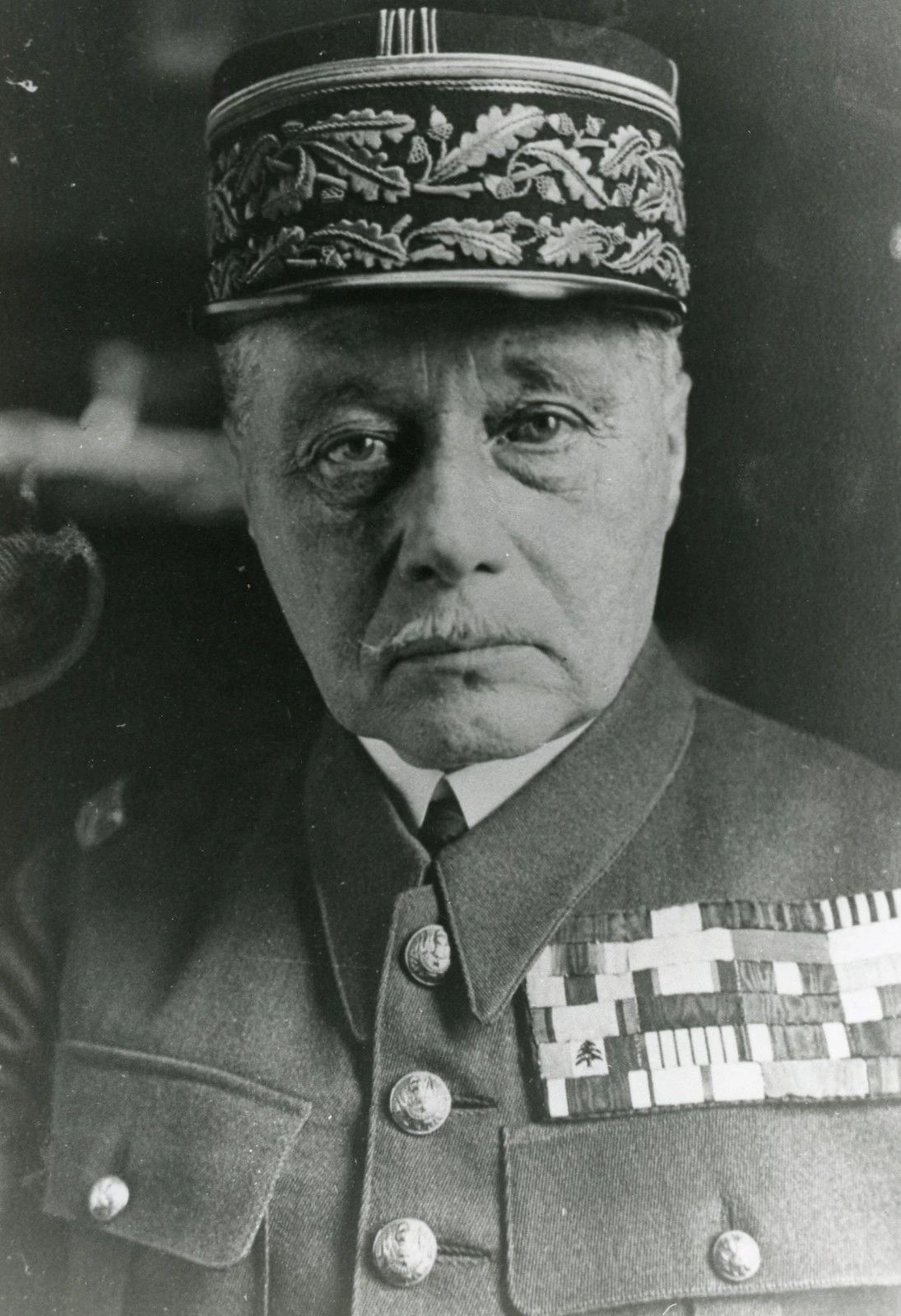
Baku in the crosshairs — Operation Pike
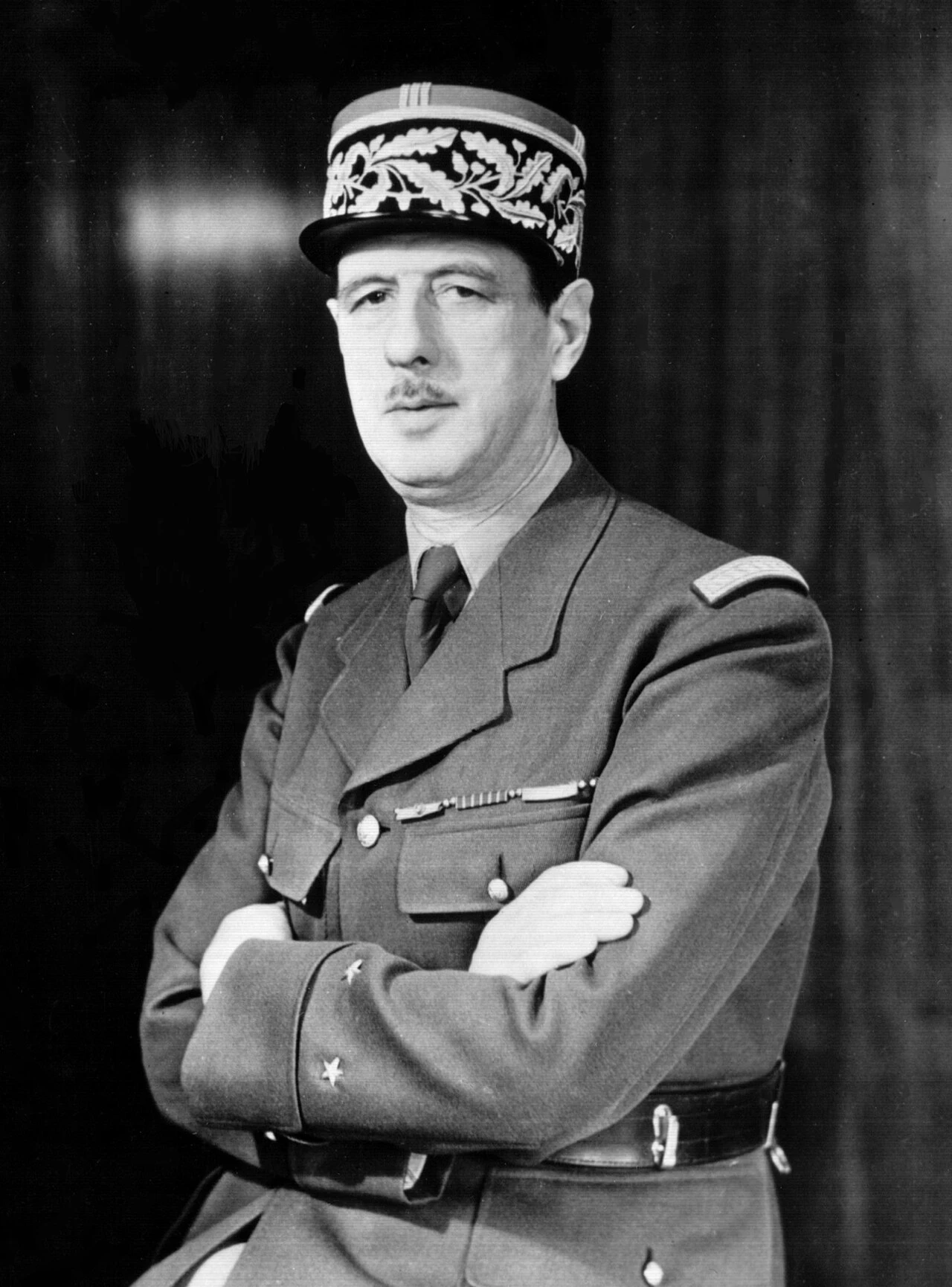
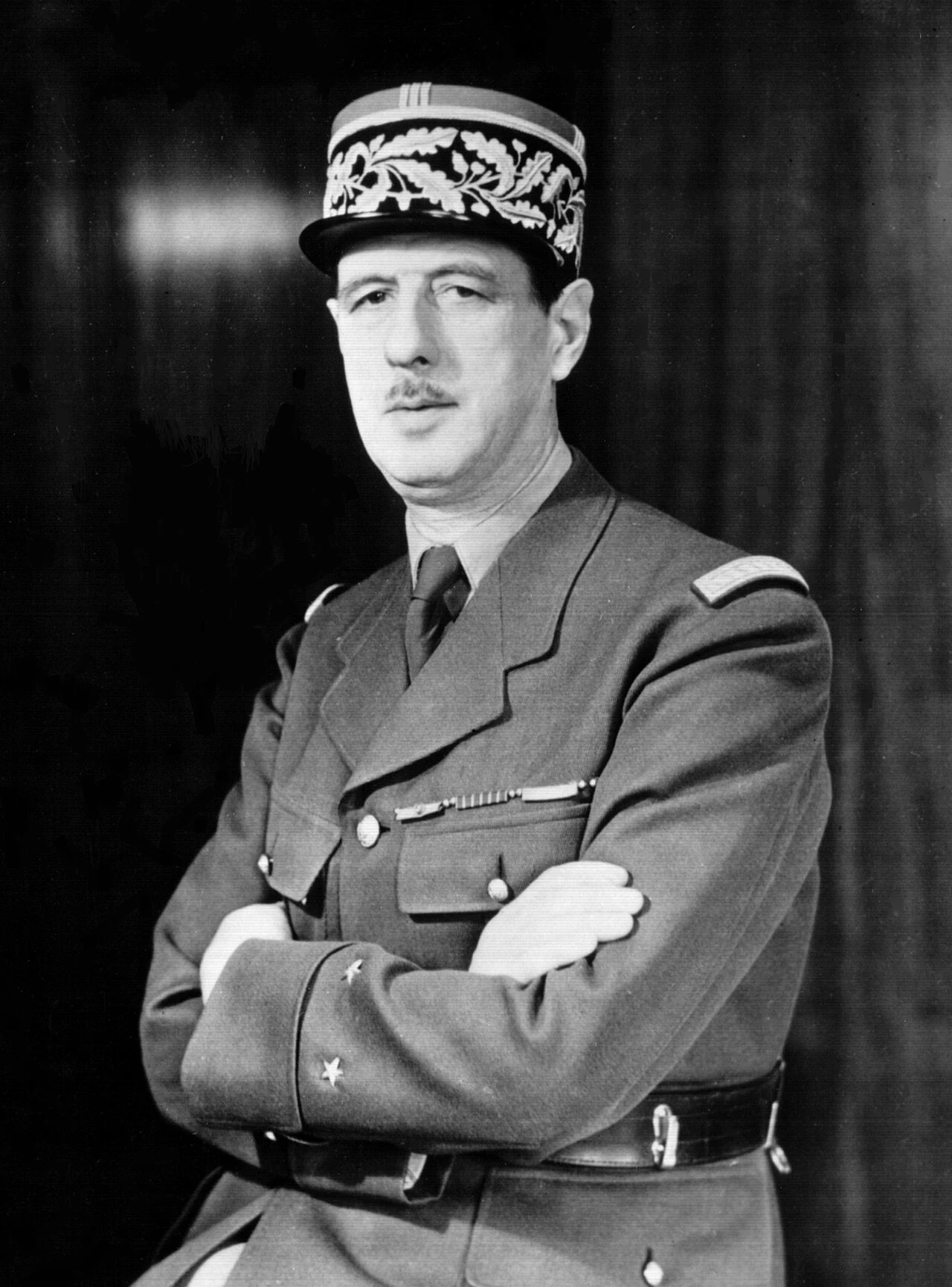
De Gaulle joins the government — 5 June
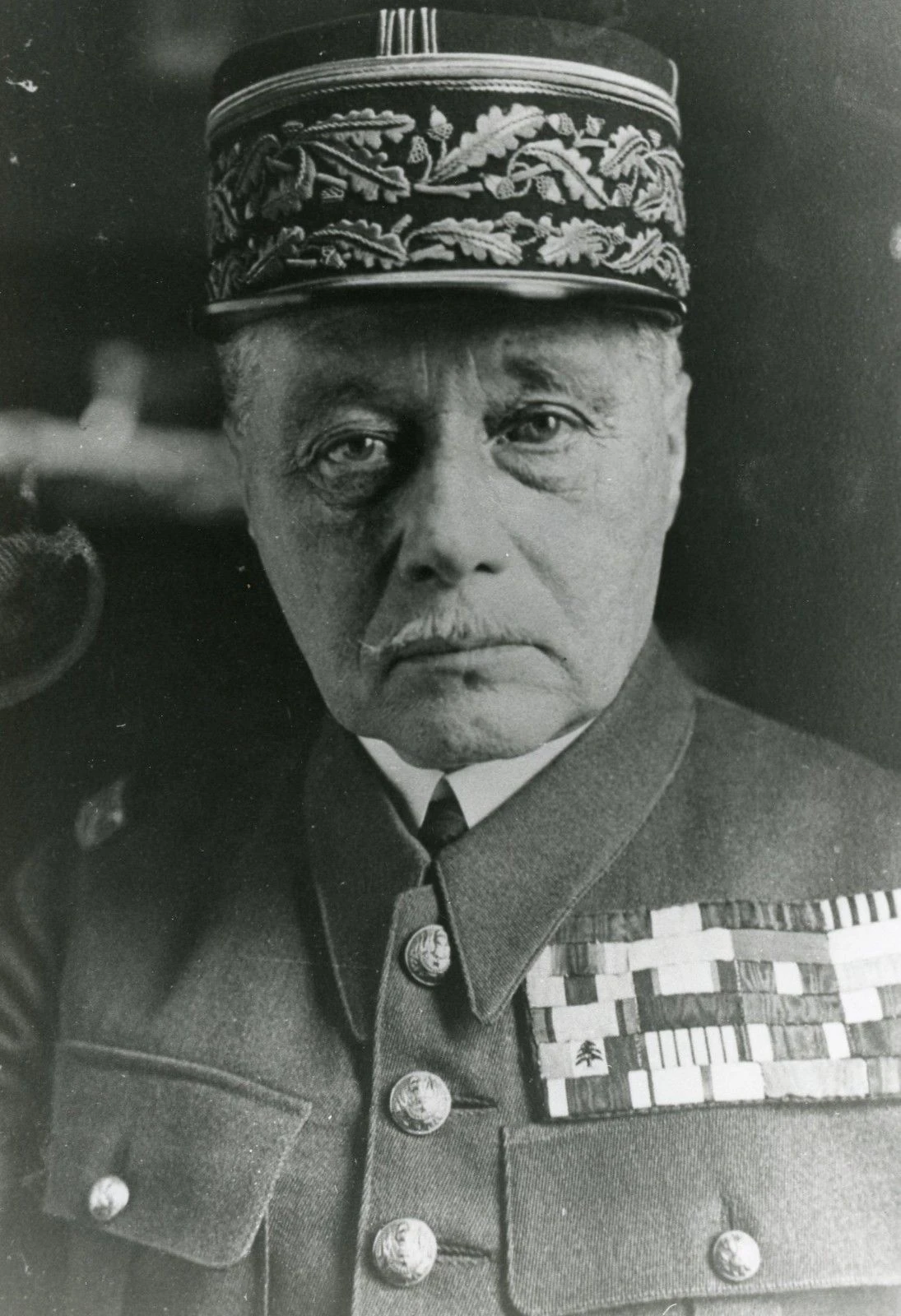
Gamelin, one last order before the envelope
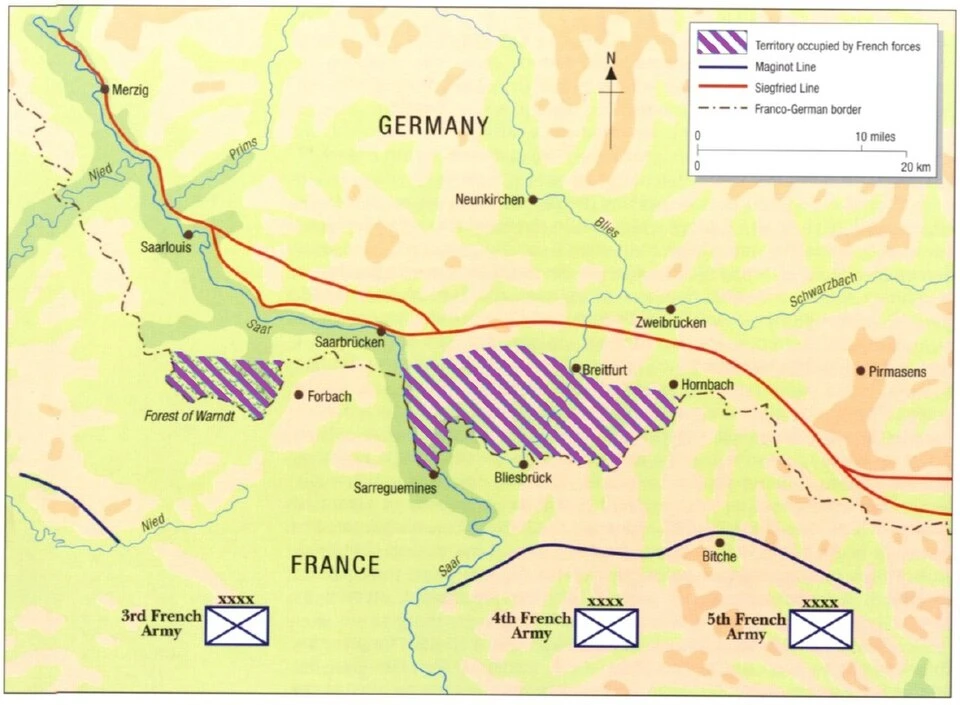
The Saar Offensive — Gamelin at Vincennes
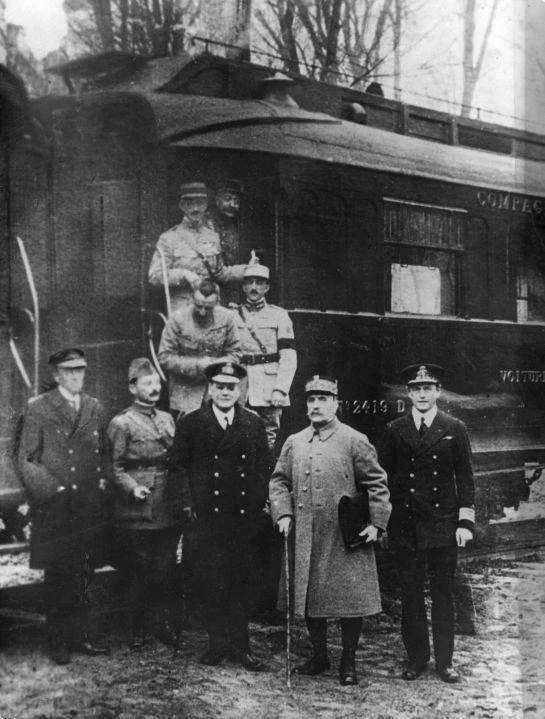
Rethondes — Article 8 on the Fleet
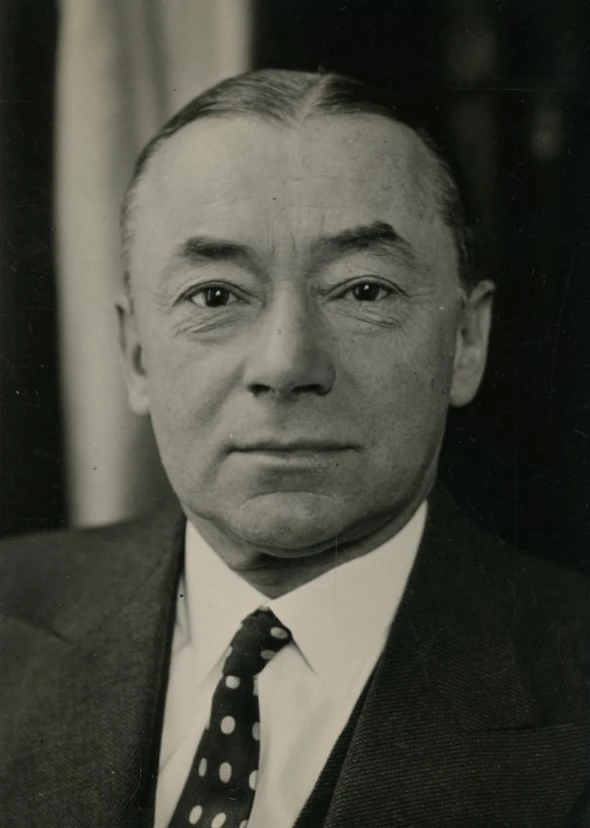
Reynaud — Matignon 21 March
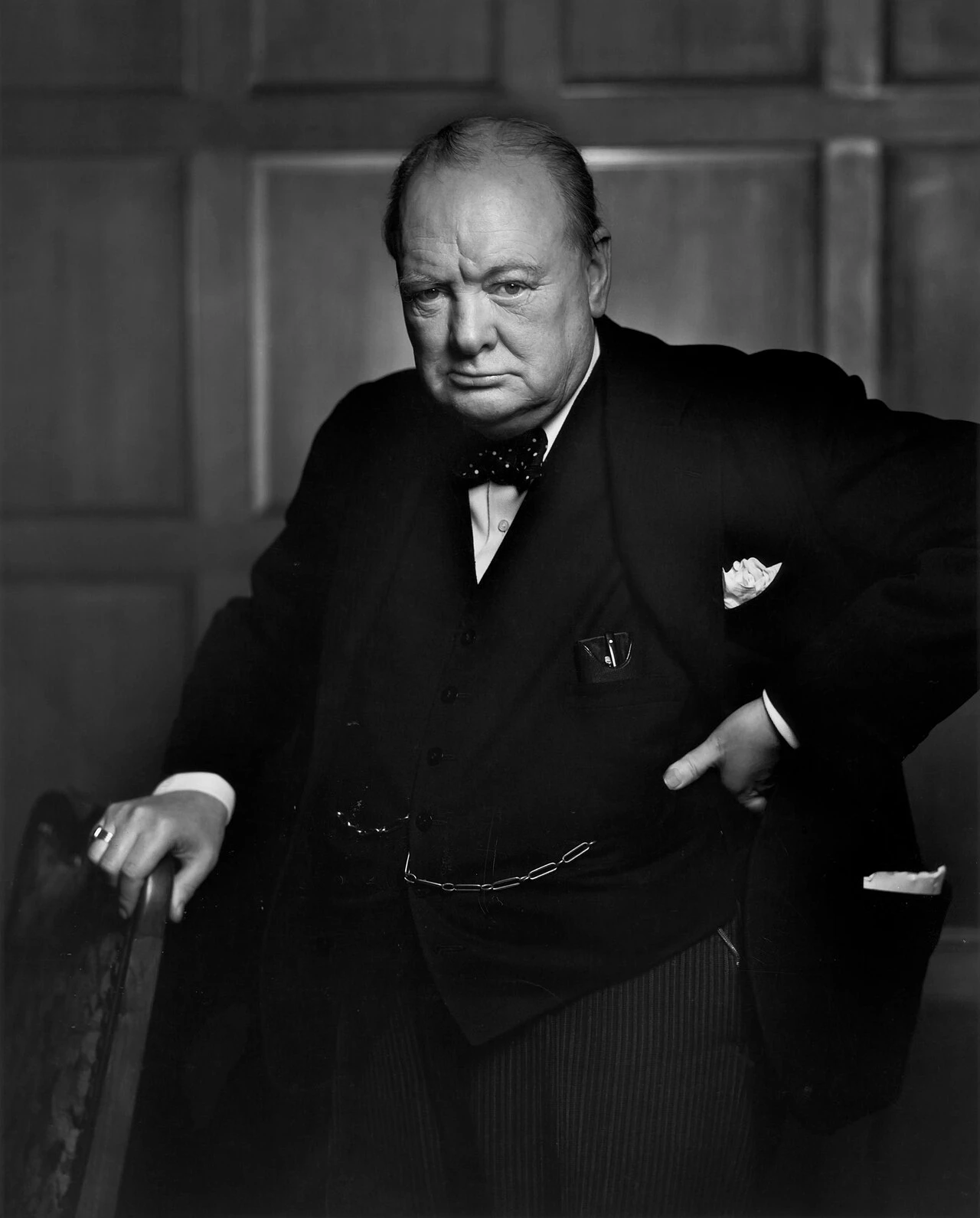
The Franco-British union — 16 June
Dunkirk: should the French be saved alongside the British?
The Empire — Vichy or de Gaulle
Reynaud or Pétain — Carry On or the Armistice
Baku in the crosshairs — Operation Pike
De Gaulle joins the government — 5 June
Gamelin, one last order before the envelope
The Saar Offensive — Gamelin at Vincennes
Rethondes — Article 8 on the Fleet
Reynaud — Matignon 21 March
The Franco-British union — 16 June
Dunkirk: should the French be saved alongside the British?
The Empire — Vichy or de Gaulle