
Gamelin and the defensive posture
As commander-in-chief of the French armies, General Gamelin defined, during the Phoney War, the doctrine that would govern the coming battle. French military thinking remained deeply marked by the bloodletting of 1914–1918 and by the 1930s debates on the use of the tank and mobile warfare, which set advocates of caution against proponents of a more mobile army.
Gamelin had to arbitrate between several conceptions. To rely on the Maginot Line and a planned manoeuvre into Belgium, confident in the solidity of the front and the wearing-down of the adversary. To adopt a more offensive and mobile posture, concentrating the armour as advocated by de Gaulle or, on their side, by German theorists. Or to redeploy the effort towards the Ardennes hinge, that wooded massif judged to be under little threat.
The doctrinal choice was decisive: it determined the use of tanks (dispersed in support of the infantry, or concentrated as a manoeuvre mass), the flexibility of the command and the capacity to react to the unexpected. Caution was reassuring, but risked ceding the initiative to a bolder adversary. How should the supreme commander prepare France for the decisive battle?
Should Gamelin stick to the methodical defensive, adopt a mobile posture, or reinforce the Ardennes?
Gamelin chose A: French doctrine remained defensive and methodical, founded on the Maginot Line, the advance into Belgium (the Dyle plan) and a centralised, unresponsive command. The tanks were for the most part dispersed in support of the infantry, and the Ardennes left weakly defended, judged impassable. These choices — the refusal to concentrate the armour, the rigidity, the underestimation of the Ardennes — would prove catastrophic against the Manstein plan and German mobile warfare. Gamelin, overwhelmed by the speed of the breakthrough, was dismissed as early as 19 May 1940. His defensive posture, cautious and logical in the light of 1918, is one of the keys to the defeat: France had prepared for the wrong war.
Learn more about this event
Related polls
10
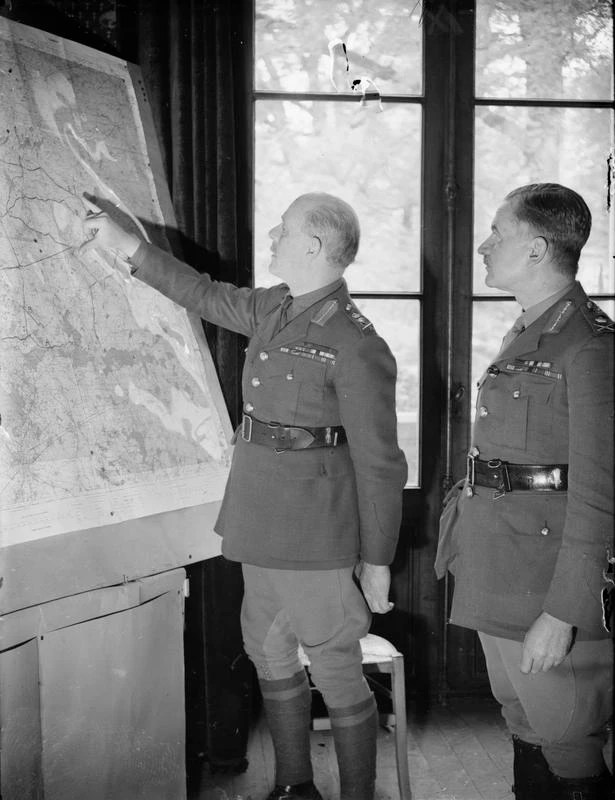
Gort at Habarcq — trust in the French plan
Touchon on the Aisne — Fall Rot
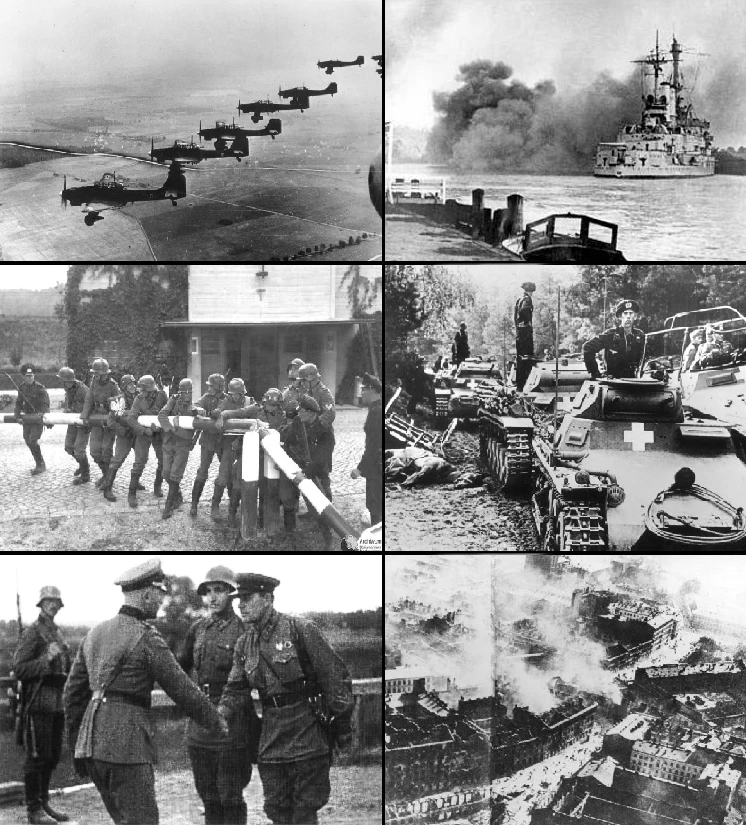
The Polish Army and the Deployment
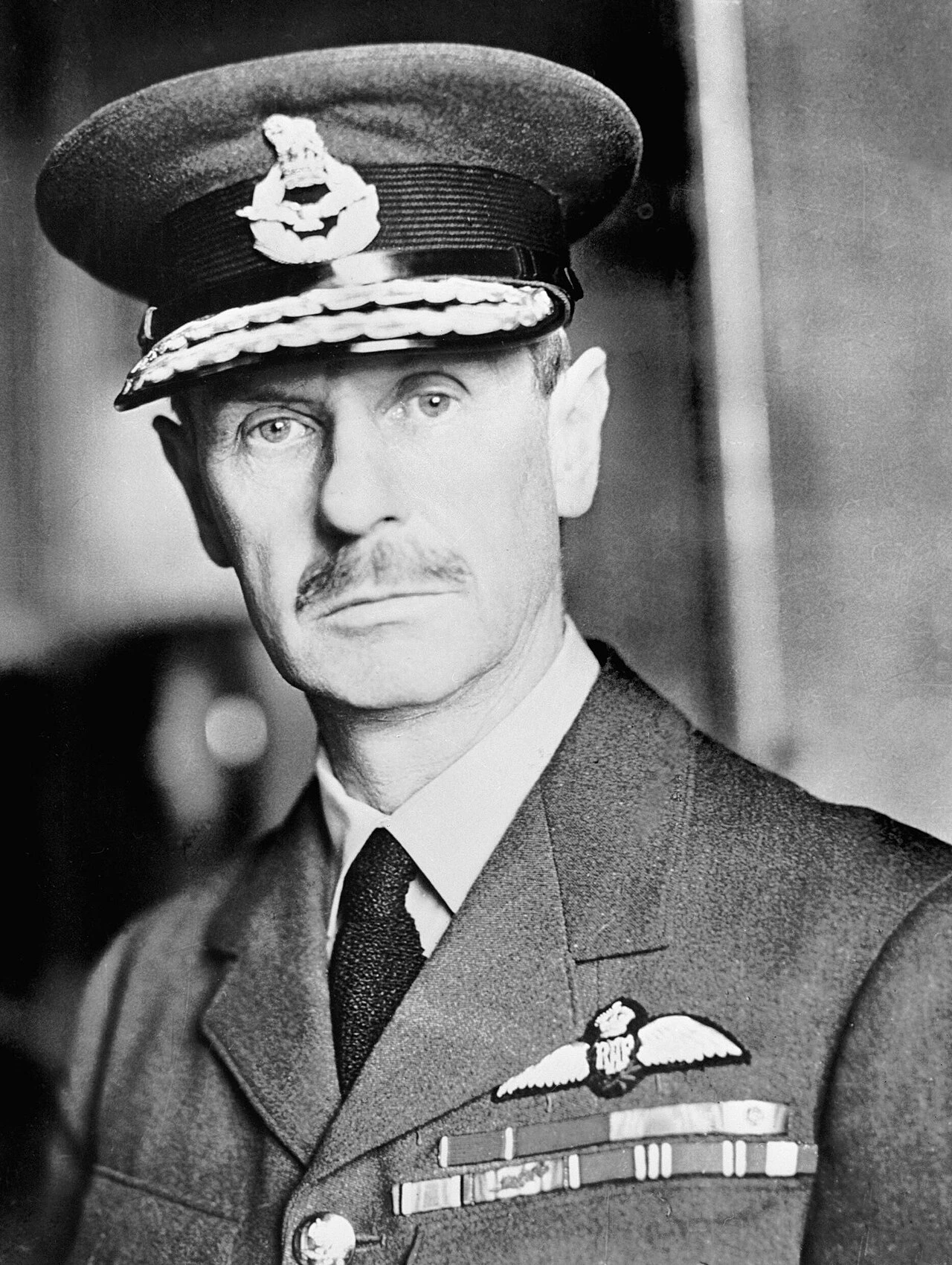
Dowding — Keep the Fighters?
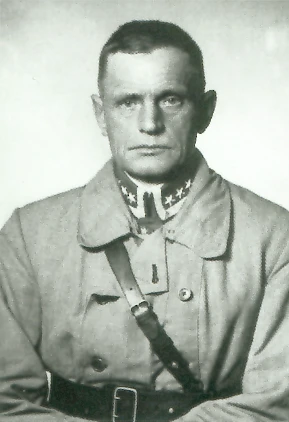
Gudbrandsdal — Ruge imposes his line
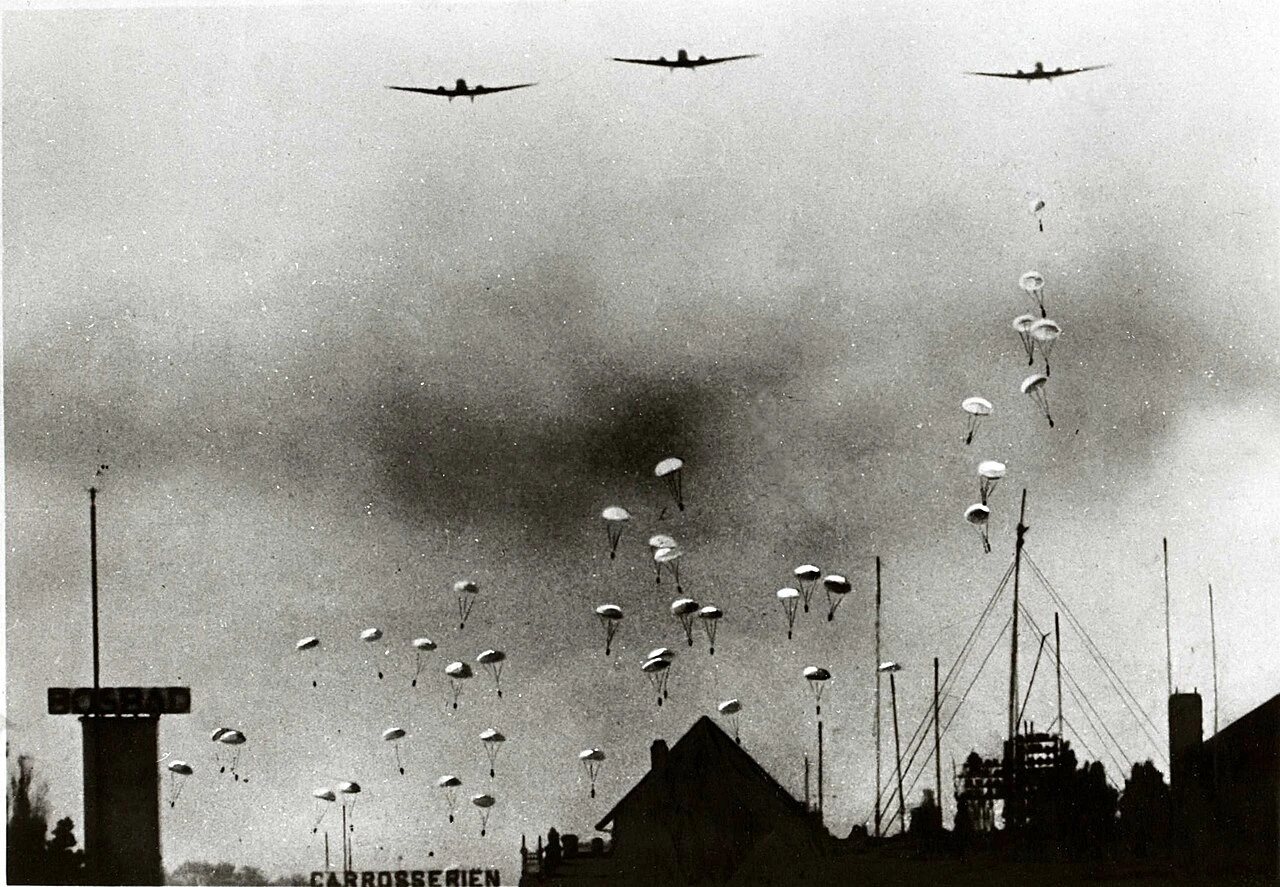
Winkelman and the fate of the Netherlands
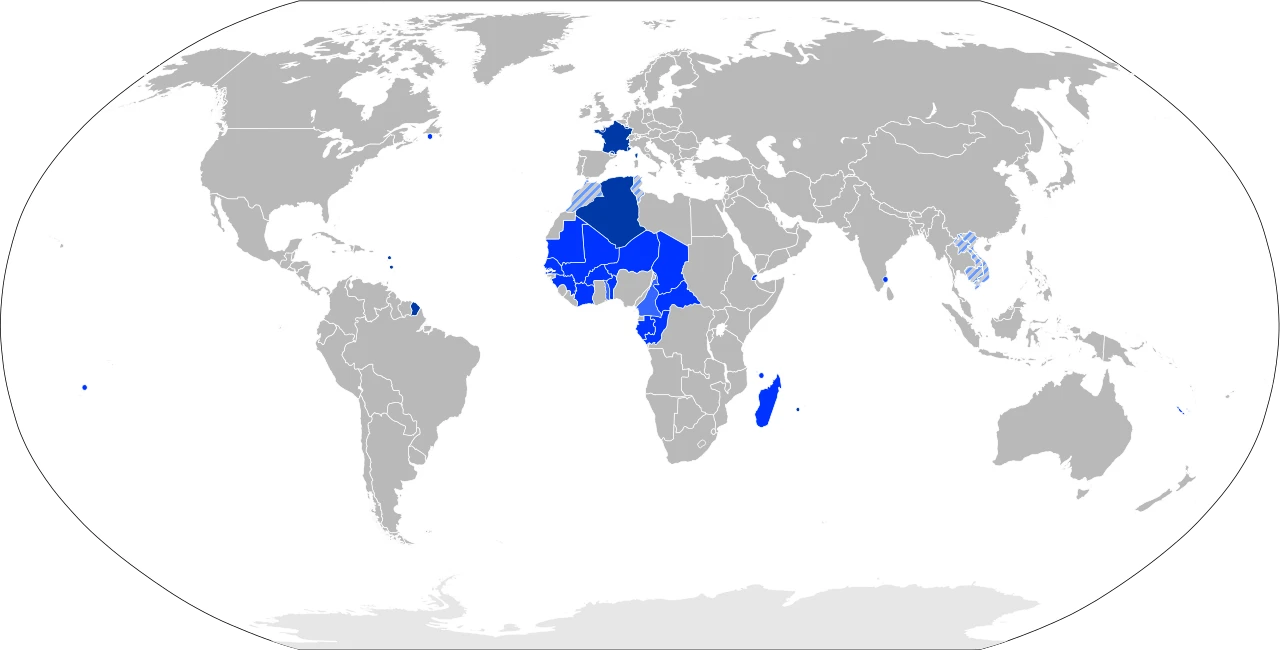
Hold the Albert Canal or withdraw
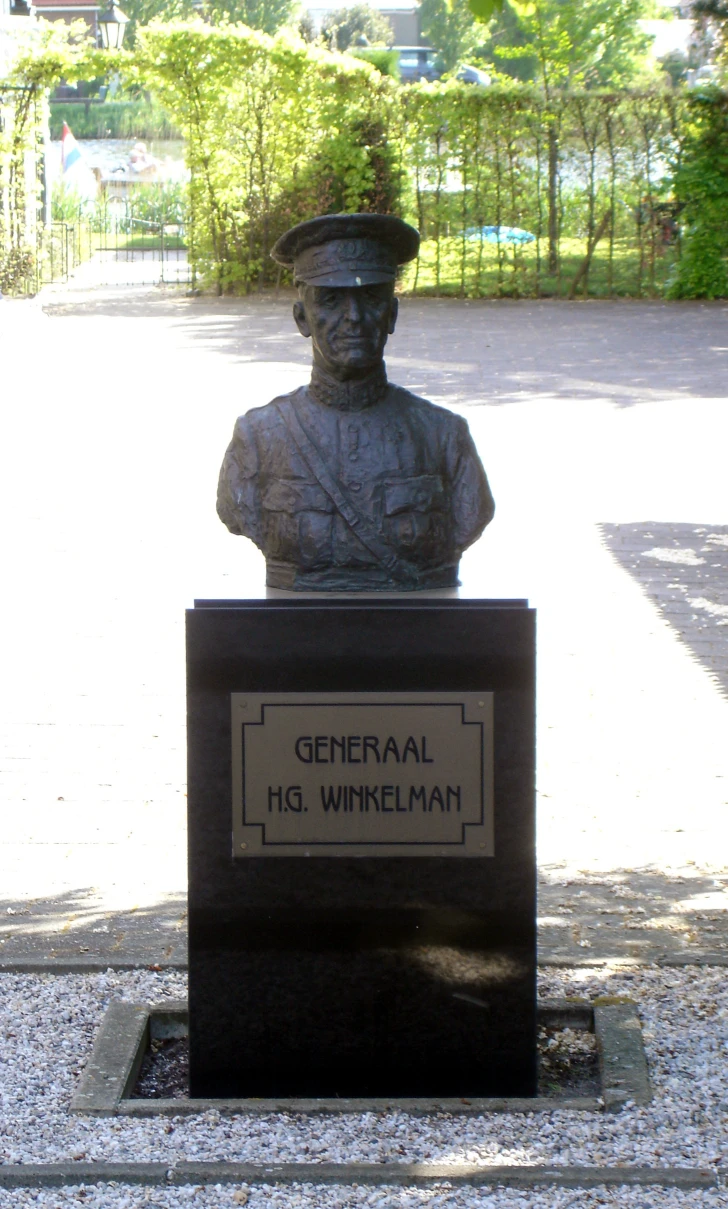
Winkelman after Rotterdam — 14 May
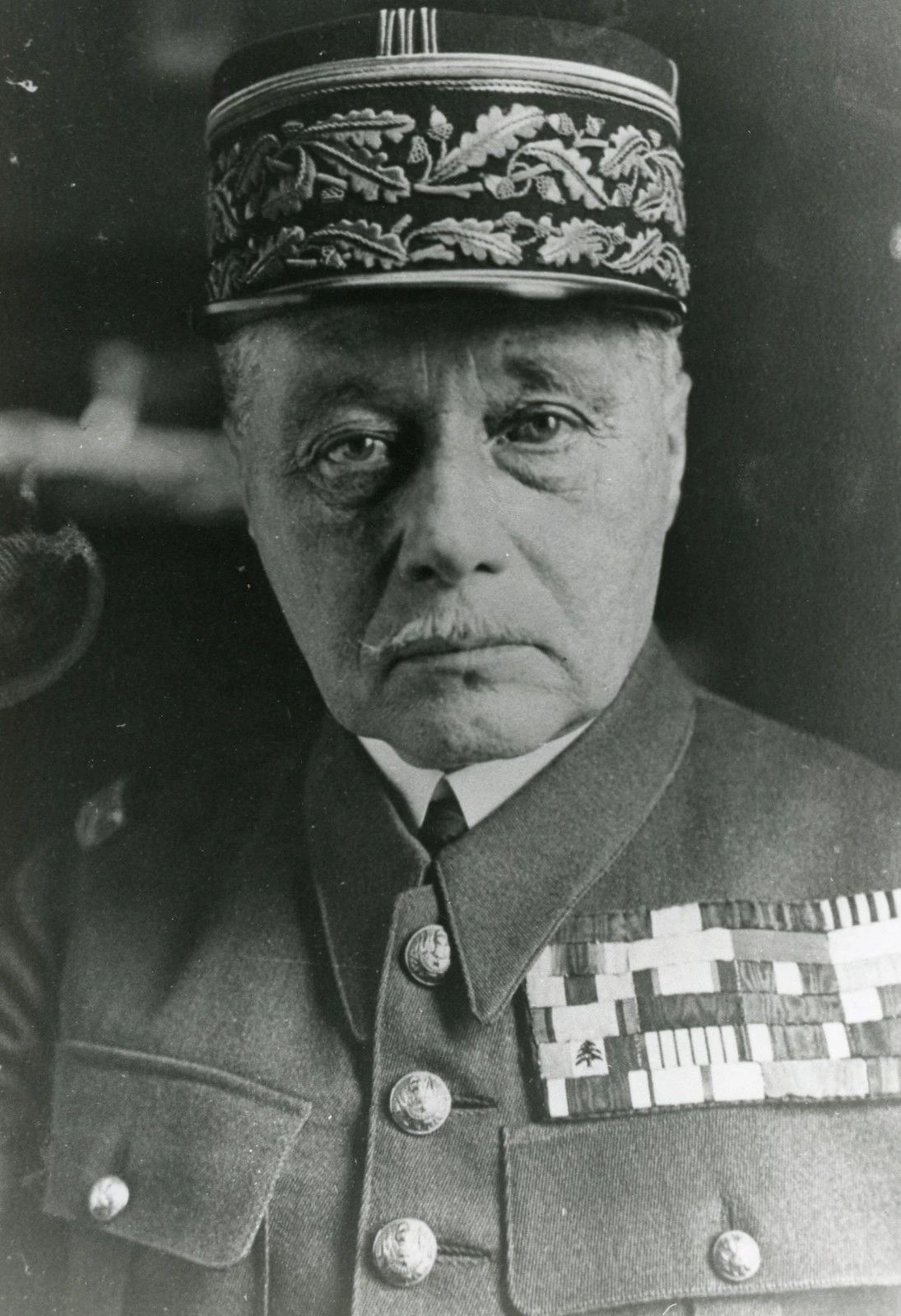
Baku in the crosshairs — Operation Pike
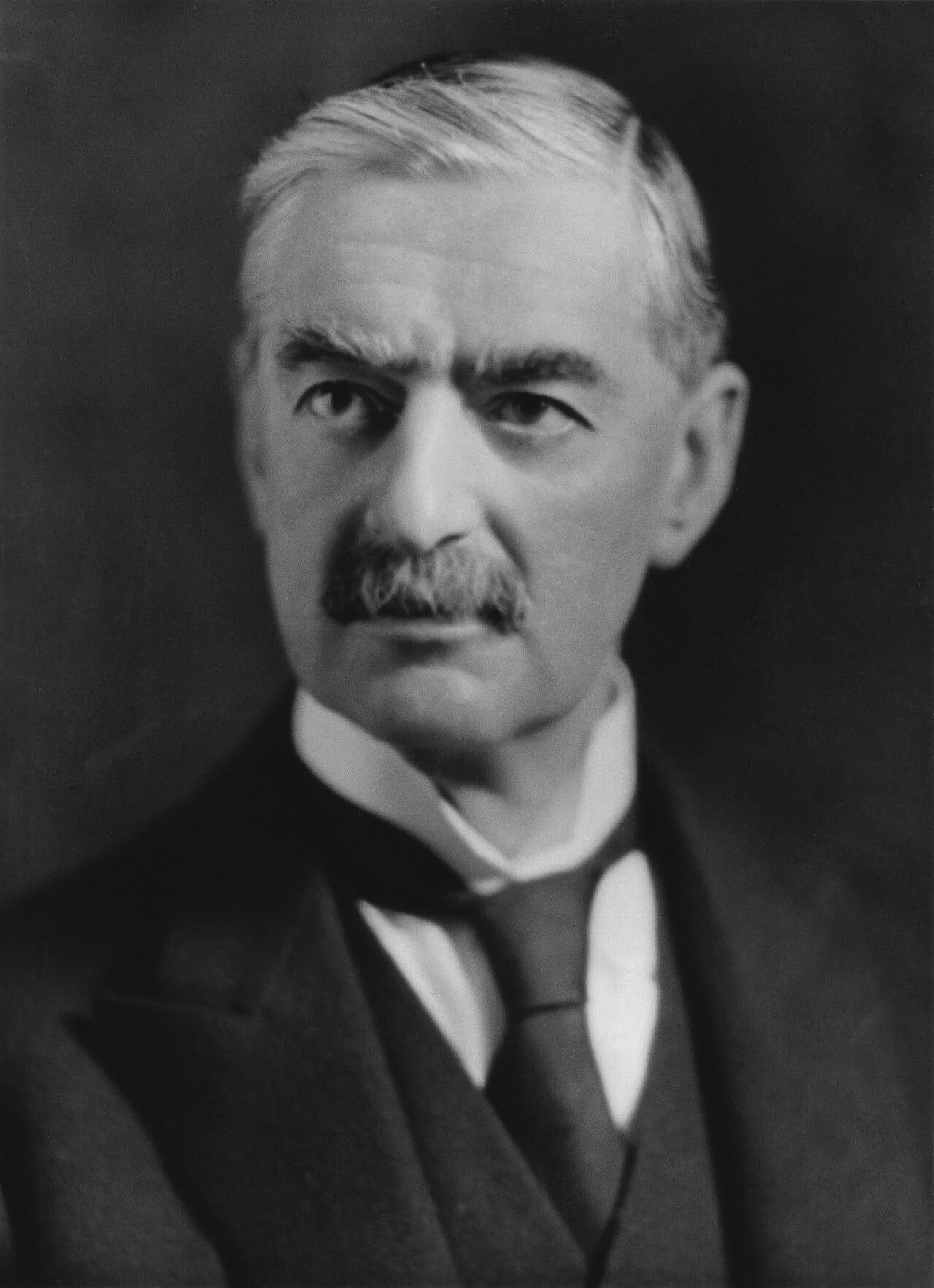
War council — leave central Norway?
Gort at Habarcq — trust in the French plan
Touchon on the Aisne — Fall Rot
The Polish Army and the Deployment
Dowding — Keep the Fighters?
Gudbrandsdal — Ruge imposes his line
Winkelman and the fate of the Netherlands
Hold the Albert Canal or withdraw
Winkelman after Rotterdam — 14 May
Baku in the crosshairs — Operation Pike