
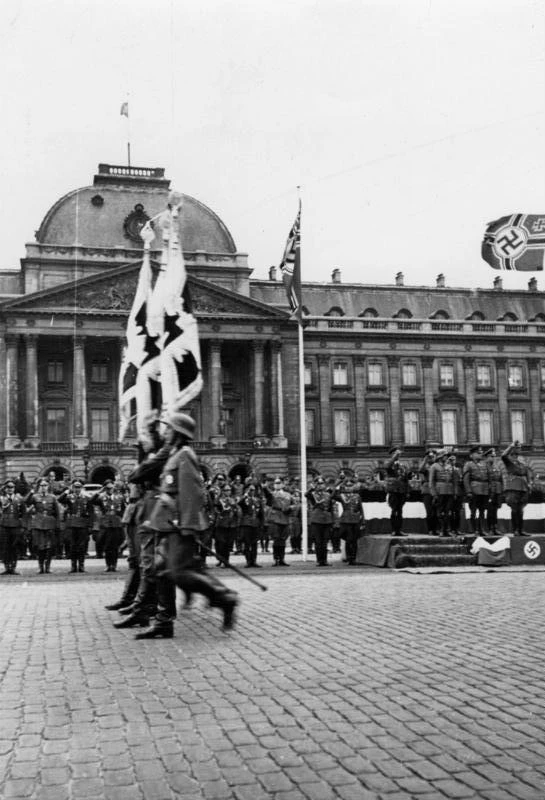
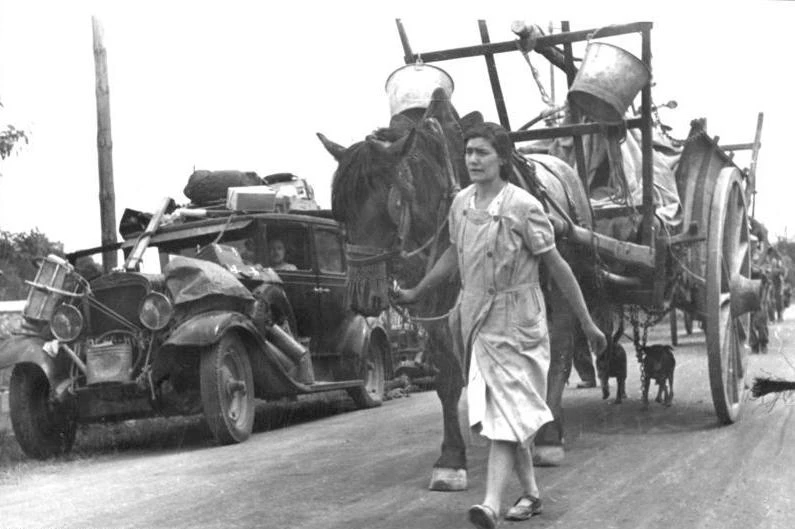
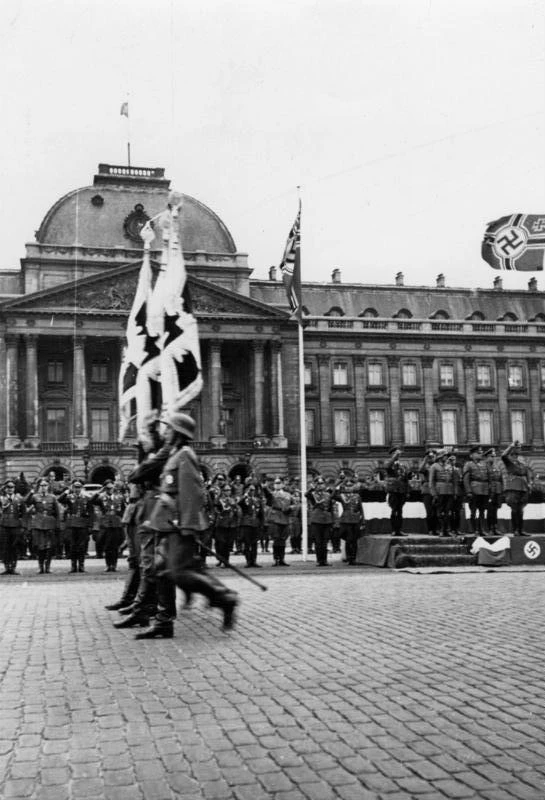
After the surrender, some of the Belgian soldiers — notably those who were not taken into captivity, or who were quickly released (above all Flemings, under the Flamenpolitik) — returned home. Demobilised, you found again an occupied country, a family tried by the exodus, a life to rebuild under the German boot.
The return raised the question of what attitude to adopt. To resume a normal life — work, family — while accommodating the occupation, out of weariness and necessity. To refuse the occupation and seek to join the forces continuing the struggle (reaching England via France and Spain to enlist in the Free Belgian Forces). Or to remain in expectation, neither collaboration nor resistance, while waiting to see how the war would turn.
Exhaustion, the sense of humiliation at the defeat, the uncertainty about the future weighed heavily. Should one turn the page and survive, or refuse fate and set off to fight again, at the cost of a new and dangerous exile? Many former combatants of 1940 faced this choice in the silence of the occupied summer.
Should our demobilised soldier resume a normal life, seek to join the free forces, or remain in expectation?
The vast majority opted for A or C: exhausted, anxious about their families and with no clear prospect, most of the demobilised men resumed a civilian life under the occupation. A determined minority chose B: a few thousand Belgians would join, by dangerous escape routes, the Free Belgian Forces in Great Britain (the future , RAF pilots, sailors). The Flemings released early thanks to the Flamenpolitik, the Walloons kept prisoner: the return, or its absence, also depended on this policy of division. Each man's destiny was decided in these choices of the summer of 1940, between survival, waiting and commitment.
Learn more about this event
Related polls
10
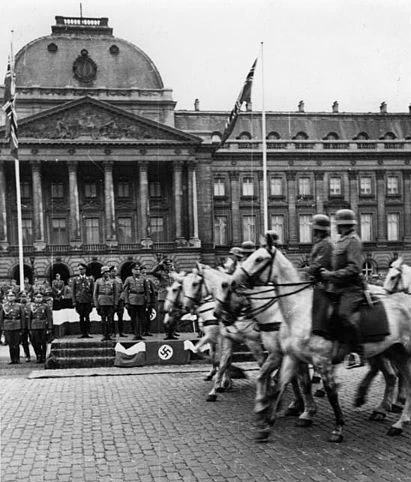
Going back to work under the occupier
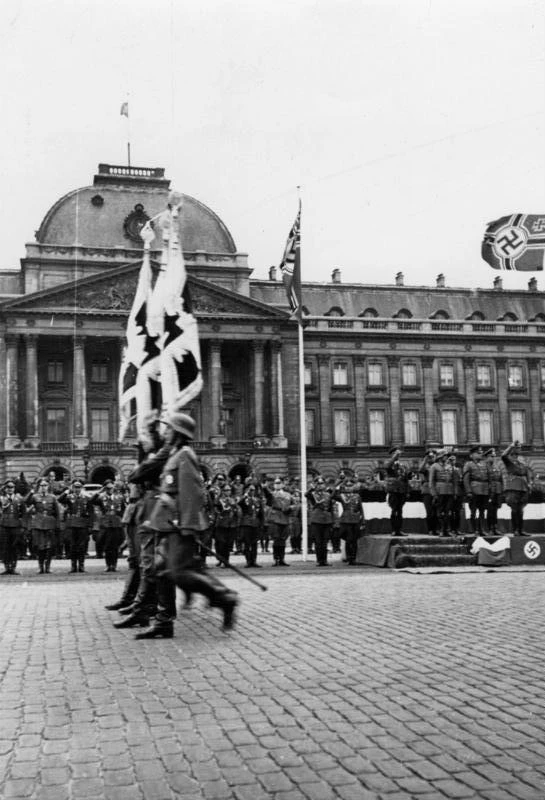
The Isolated Soldier after the Capitulation

The burgomaster faced with requisitions
The Red Cross and the Missing
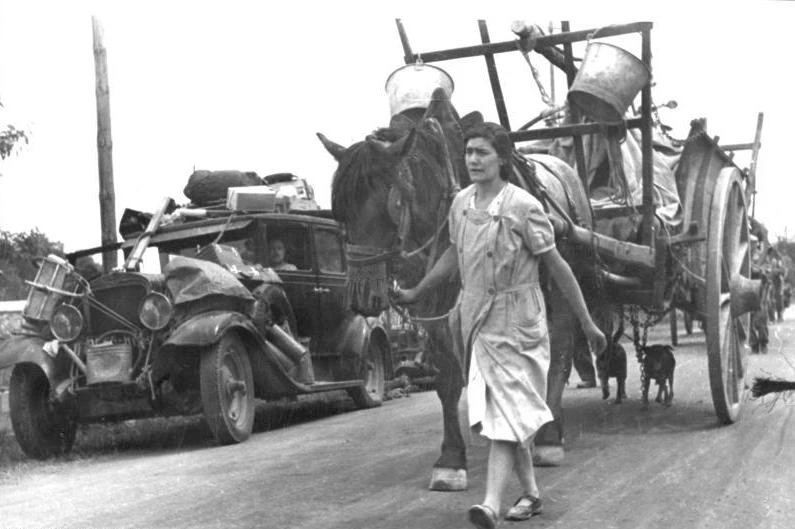
The exodus — flee or stay
Mobilised at the border
The Press under German Control
The Repatriation of the Refugees
Provisioning and the Black Market
Rebuild or Wait
Going back to work under the occupier
The Isolated Soldier after the Capitulation
The burgomaster faced with requisitions
The Red Cross and the Missing
The exodus — flee or stay
Mobilised at the border
The Press under German Control
The Repatriation of the Refugees
Provisioning and the Black Market